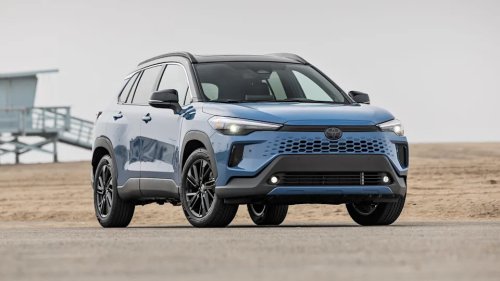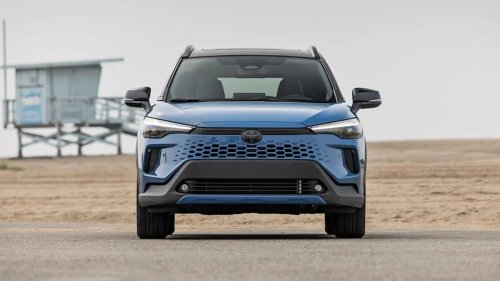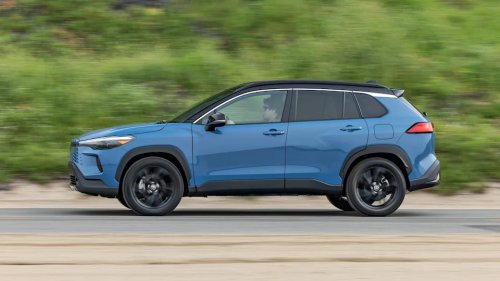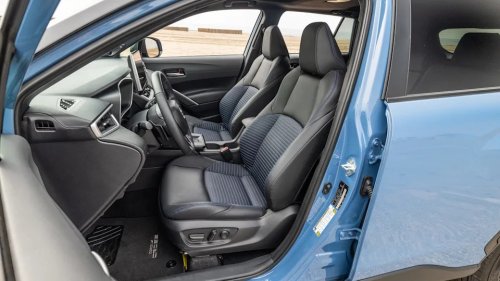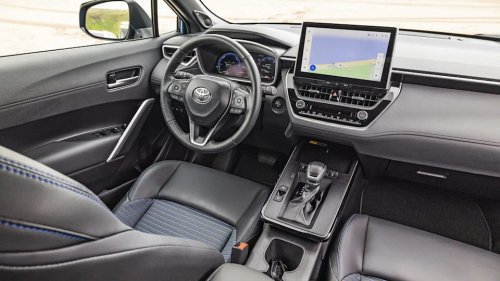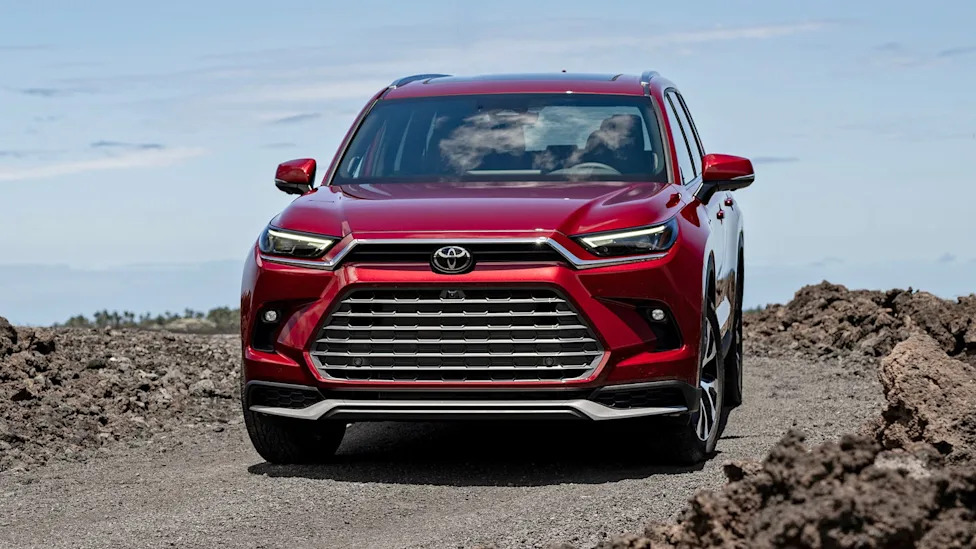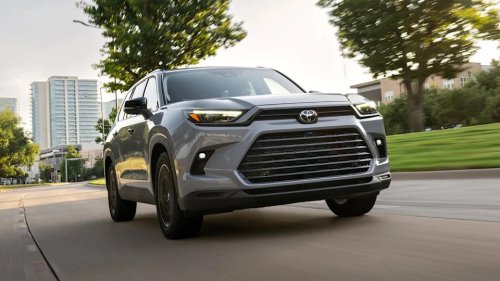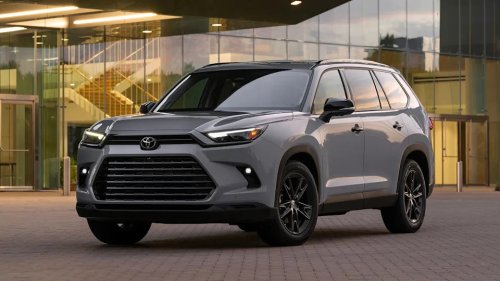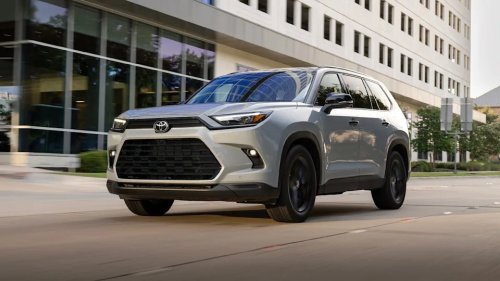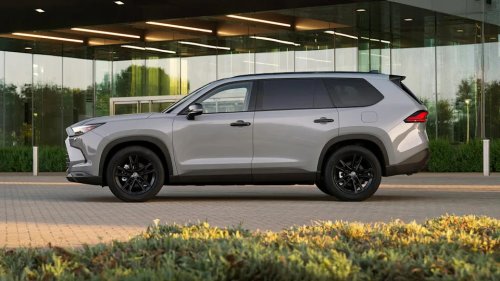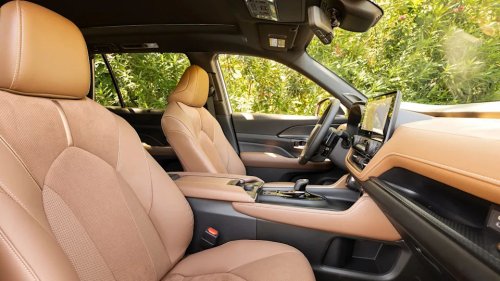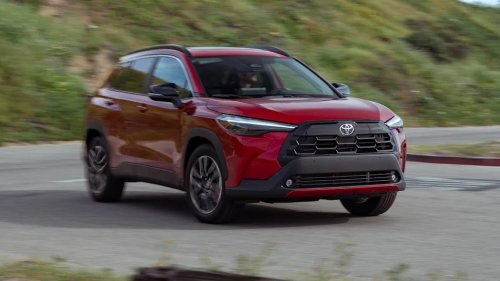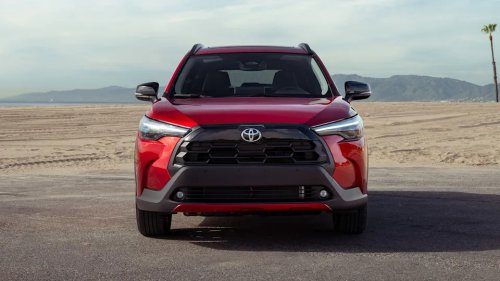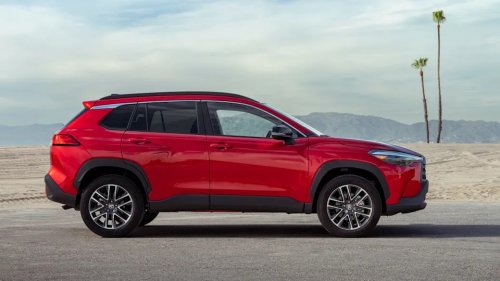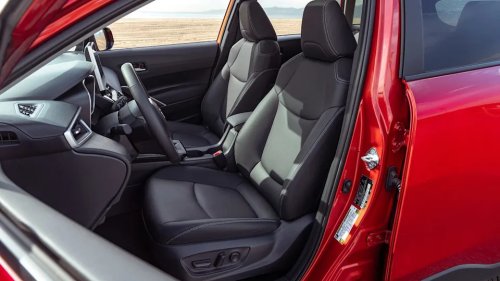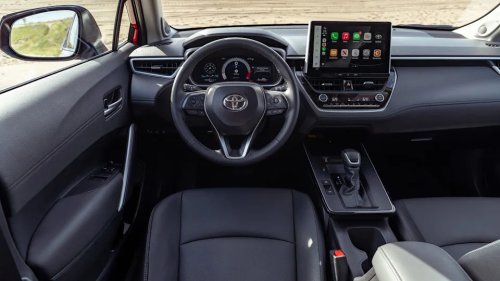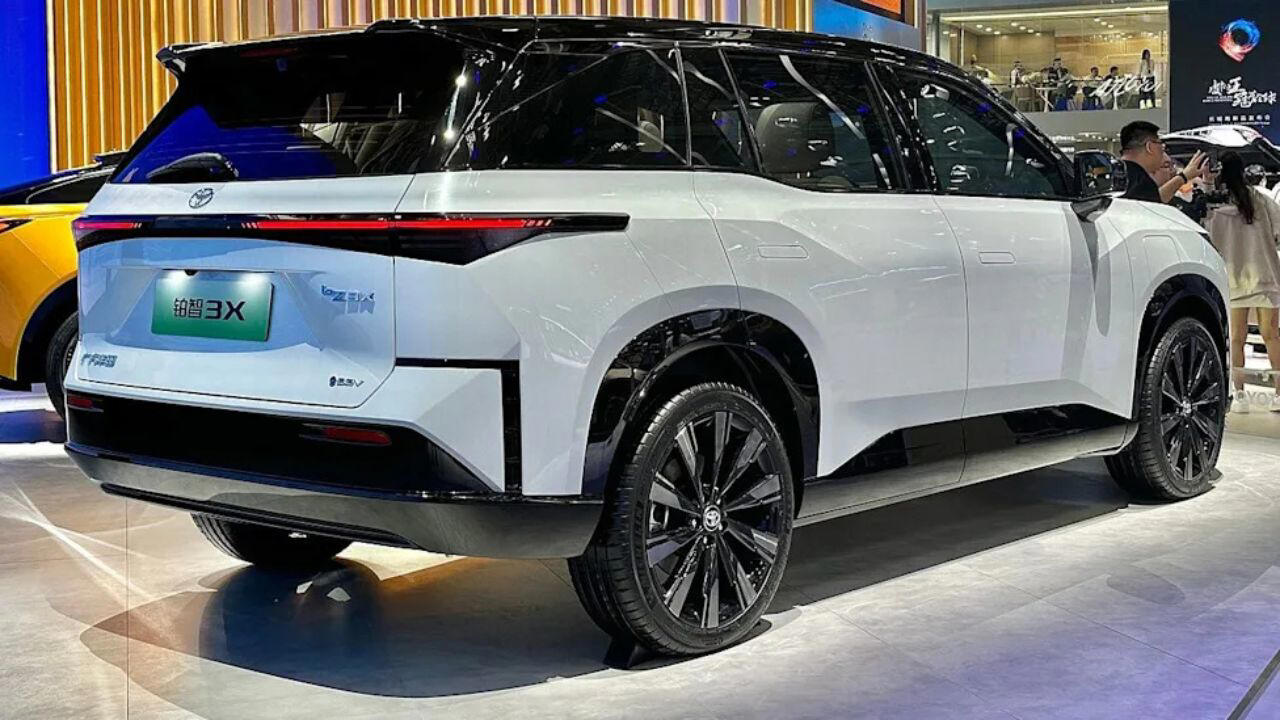



















Toyota’s $15,000 electric SUV tops 80,000 deliveries in China in 1 yearToyota has quietly turned a budget electric crossover into one of the most closely watched experiments in the world’s toughest EV market. Its roughly 100,000 yuan, or about 15,000 dollar, electric SUV has cleared 80,000 deliveries in China in its first year on sale, a milestone that comes as many rivals are grappling with slowing demand and bruising price wars. The result gives Toyota something it has lacked in China’s battery-car race: a breakout EV that connects with local buyers on price, practicality, and brand trust. It also offers an early glimpse of how the company might compete in a future where entry-level electric vehicles, not premium flagships, set the pace. What happened Toyota’s budget electric SUV is aimed squarely at the heart of China’s mass-market segment, with a starting price of about 100,000 yuan that converts to roughly 15,000 dollars before local incentives. According to company data cited in recent reporting, the model has surpassed 80,000 deliveries in its first year of sales, a performance that stands out in a market where overall EV growth has cooled and competition has intensified among domestic brands. The vehicle is positioned as a compact family SUV, with dimensions and packaging similar to popular gasoline crossovers that Chinese buyers already know. It uses a lithium iron phosphate battery supplied by a local partner, a chemistry that trades outright range for lower cost, better durability, and more predictable performance in high-volume production. The emphasis is on affordability and everyday usability rather than headline-grabbing performance figures. Retail pricing has been sharpened through a mix of factory incentives and dealer discounts, keeping the entry trim close to that 100,000 yuan mark even as rivals have slashed stickers in response to a broad EV price war. Analysts note that Toyota has resisted the deepest cuts, leaning instead on its reputation for reliability and its dense dealer network to maintain value. According to recent sales data, that strategy has still delivered strong volume. The SUV’s first-year tally of more than 80,000 units puts it in the same general league as several Chinese compact EVs that have been on the market longer. While it does not lead the segment outright, it has moved Toyota from a marginal EV player in China to a brand that shoppers now see in the same consideration set as BYD, GAC Aion, and other domestic names at this price point. Product planners have tailored the specification to Chinese tastes. The cabin emphasizes rear legroom and a flat floor, with a simple digital instrument cluster and a central touchscreen that supports local apps and services. Connectivity features such as integrated navigation, streaming, and smartphone mirroring are tuned for Chinese ecosystems rather than global platforms. Trim levels are deliberately limited to keep manufacturing complexity low and to simplify dealer ordering. Crucially, the car rides on an EV-focused platform that allows a low, flat battery pack and a short front overhang, which improves interior space without pushing the exterior footprint into a larger tax bracket. Engineers have prioritized efficiency and weight reduction, helping the vehicle deliver competitive range figures despite its modest battery capacity. That balance of range, cabin space, and price has proven attractive to first-time EV buyers in lower tier cities as well as budget-conscious households in larger metros. Distribution has leaned heavily on Toyota’s existing joint-venture channels in China. Dealers that once relied on gasoline models like the Corolla and RAV4 now have an electric option that can be pitched to cost-sensitive buyers who are wary of newer local brands. Reports from the field suggest that many customers came from within Toyota’s own base, trading up from older internal combustion cars to their first battery-powered vehicle. The sales ramp has also benefited from targeted financing offers and local subsidies. In several provinces, buyers can stack municipal incentives on top of national support, trimming thousands of yuan from the effective transaction price. Combined with lower running costs and exemptions from some license plate restrictions for EVs, the economic case for the 15,000 dollar SUV has been compelling for commuters who previously drove small sedans or microvans. Industry observers point out that Toyota’s performance with this model contrasts sharply with its earlier bZ-branded EVs, which were priced higher and struggled to gain traction. The new SUV’s success suggests that the company has learned from those missteps and is now willing to prioritize volume and local fit over global platform reuse or premium positioning. Why it matters The strong first-year performance of Toyota’s low-cost electric SUV matters on several levels. For Toyota itself, it offers proof that the company can compete in EVs when it commits to the right price band and adapts closely to local conditions. For China’s market, it shows that foreign brands are not entirely ceding the lower end of the EV spectrum to domestic players, even as homegrown companies dominate the headlines. China remains the world’s largest EV market by a wide margin, but growth has slowed and price competition has intensified. Some domestic manufacturers have reported margin pressure and production cuts as they chase volume with ever-cheaper models. Against that backdrop, Toyota’s ability to move more than 80,000 units of a single affordable EV without extreme discounting suggests that brand equity and perceived quality still carry weight with Chinese buyers. Several analysts have framed the SUV’s performance as a test of whether global automakers can still carve out space in China’s EV market by leaning on their strengths. Toyota brings decades of experience in high-volume manufacturing, supplier management, and quality control. That background has helped it launch a budget EV that feels familiar and dependable, even if it does not match the cutting-edge software or acceleration of some Chinese competitors. Reporting on Toyota’s budget EV highlights how the company is using this model to reassert itself after years of hesitation on full battery electrics. The model also speaks to a broader shift in the global EV conversation. Much of the attention in recent years has focused on premium crossovers, long-range sedans, and high-performance flagships. Yet in China, the real battle is increasingly fought at the entry level, where buyers want a practical, low-cost electric car that can replace a gasoline hatchback or compact SUV. Toyota’s 15,000 dollar crossover fits squarely into that space, and its early success suggests that this is where the next wave of global competition will play out. For policymakers and rivals outside China, the car’s price point is almost as significant as its volume. A fully featured compact electric SUV at roughly 15,000 dollars challenges assumptions in Europe and North America about what EVs must cost. It raises the prospect that Chinese-built affordable EVs, whether from Toyota’s joint ventures or local brands, could eventually be exported and undercut incumbents in other markets if trade barriers allow. The performance of Toyota’s SUV also underlines the importance of local partnerships. The company has relied on Chinese suppliers for key components, including its battery packs, and has leveraged joint-venture factories that are already scaled for high-volume output. That combination has helped keep costs down and allowed Toyota to respond quickly to shifts in demand across different regions of China. From a competitive standpoint, the car’s success puts pressure on other Japanese and European manufacturers that have been slow to push into affordable EVs. Brands that once relied on compact gasoline cars to anchor their China portfolios now face a buyer base that expects electric options at similar price levels. If Toyota can make the economics work on a 100,000 yuan SUV with its cost structure, rivals will struggle to justify a slower transition. There is also a strategic dimension inside Toyota’s global product planning. Executives have signaled that learnings from this model will inform future EVs for emerging markets, where price sensitivity is high and charging infrastructure is still developing. The company is likely to study how Chinese buyers use the vehicle, how often they fast charge, and which features they value most, then apply those insights to products for Southeast Asia, Latin America, and potentially parts of Europe. Market watchers see the 80,000 unit milestone as a data point in a larger debate over Toyota’s gradualist approach to electrification. Critics have argued that the company moved too slowly into battery EVs and risked losing ground to pure-play electric brands. Supporters counter that Toyota’s focus on hybrids and careful capital allocation has preserved profitability. The relatively rapid uptake of its 15,000 dollar SUV gives the company fresh evidence that it can pivot when the business case is strong. At the same time, the model highlights ongoing challenges. Margins on low-cost EVs are thin, and the need to stay competitive on price may limit how much Toyota can invest in software, advanced driver assistance, or premium interior materials on this platform. The company must balance the desire for volume against the risk of eroding profitability, especially if the price war in China intensifies further. Industry commentary on Toyota’s performance in stresses that the SUV has grown even as some segments of China’s EV sector have cooled. That divergence suggests that the lower end of the market remains relatively resilient, particularly when a product combines a trusted badge with a compelling price. For policymakers concerned about overcapacity, it is a reminder that demand is still there if the value proposition is sharp enough. What to watch next The next phase for Toyota’s 15,000 dollar electric SUV will test whether the model can sustain its momentum as competition intensifies and the Chinese market matures. Several key questions will shape its trajectory over the coming year. First, pricing discipline will be critical. If domestic rivals push even cheaper models into the 80,000 to 90,000 yuan range, Toyota will face pressure to respond. The company must decide whether to match those cuts, potentially sacrificing margin, or hold the line and rely on brand strength and perceived quality. The outcome will reveal how much pricing power Toyota really has in China’s EV segment. Second, product updates will matter. Buyers in China are accustomed to frequent refreshes, particularly on software and in-car tech. Toyota will need to keep the SUV’s infotainment, connectivity, and driver assistance features competitive without significantly increasing cost. Over-the-air update capability, if present, can help, but hardware upgrades may still be necessary to meet rising expectations. Third, geographic expansion is an open question. The car’s combination of price and practicality makes it a candidate for export to other emerging markets, especially in Asia. However, differences in regulations, safety standards, and trade policy could complicate that path. Toyota may choose to adapt the platform for local assembly in other countries rather than ship Chinese-built vehicles directly, particularly where tariffs on imports from China are high. Another area to watch is how the SUV shapes Toyota’s broader electrification mix. Strong sales could encourage the company to accelerate development of similar low-cost EVs, perhaps including a smaller hatchback or a slightly larger family crossover. It may also influence the balance between hybrids and full EVs in Toyota’s Chinese lineup, especially if local regulations continue to favor zero-emission vehicles in licensing and incentive schemes. More from Fast Lane Only Unboxing the WWII Jeep in a Crate 15 rare Chevys collectors are quietly buying 10 underrated V8s still worth hunting down Police notice this before you even roll window down