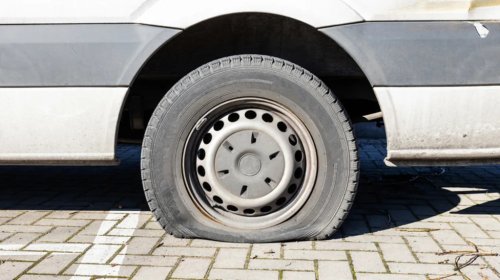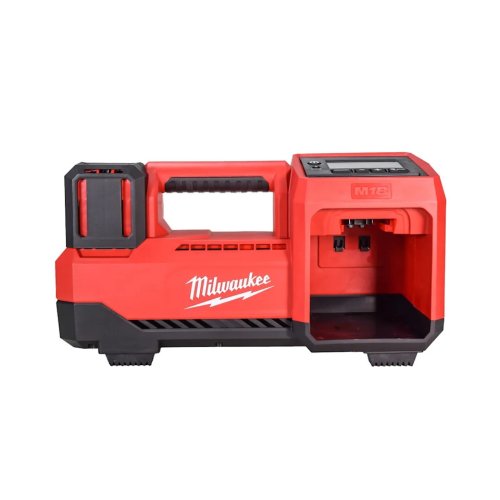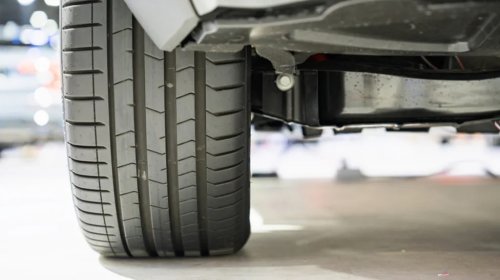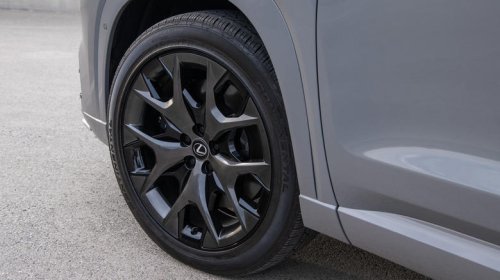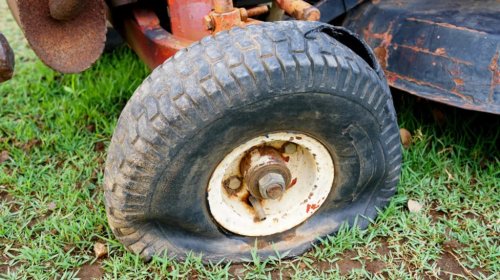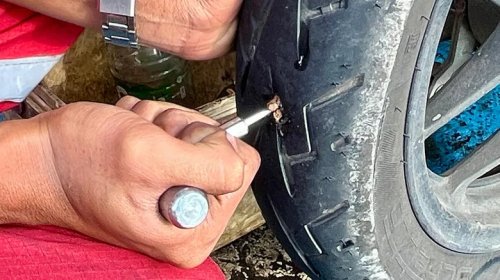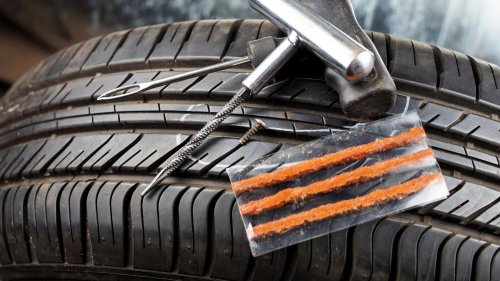
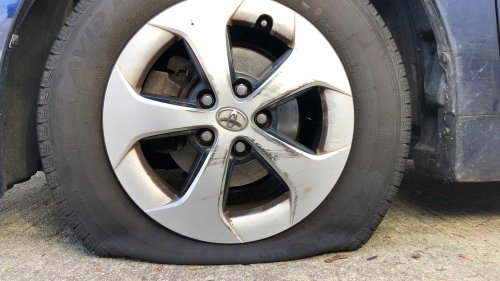
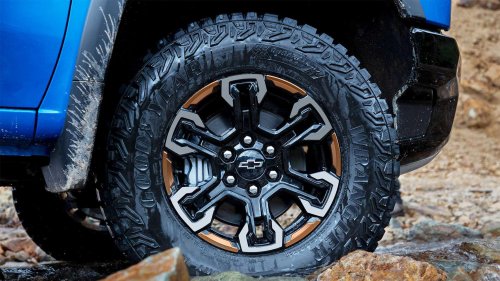
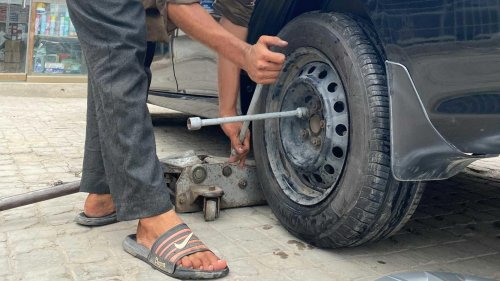

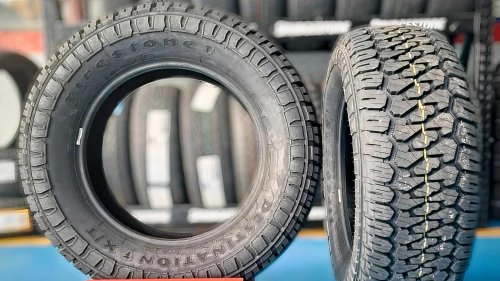




















Jump LinksHow Does Plugging A Tire Work?Is DIY Plugging Actually Possible?When & When Not To Plug A TireHow Does Patching A Tire Work?Is A Tire Patch More Viable Than Plugging?When & When Not To Patch A TireHow long can I drive on a patched tire?Why are tire plugs illegal?Is a patch safer than a plug?A flat tire is an immediate nightmare. The air pressure drops, the TPMS warning illuminates on the dash, and your schedule is instantly compromised. When faced with a puncture on, for example, your Toyota Corolla, resolving it safely and efficiently is very important, which brings the tire patch vs plug debate to the forefront. And no, these solutions are not the same; they are very different.Patching and plugging represent fundamentally different approaches to restoring the tire casing’s integrity, and understanding the structural dynamics of a modern radial tire is vital before forcing rubberized string into a tire. This analysis breaks down the technical execution, cost-to-benefit ratios, and safety parameters of each method to determine the best course of action when rubber meets a nail on US roads.This article serves as a maintenance guide. The tips and guides have been sourced from authoritative sources, which are listed at the end; CarBuzz always recommends seeking professional assistance. The pricing, where mentioned, are estimates and differ from shop to shop. The Tire Plug The Detroit Garage A tire plug is probably the first course of action we think of. It is an exterior-applied intervention that relies on friction and vulcanizing cement to seal the breach. The primary tactical advantage of a plug is that it bypasses the need to dismount the tire from the wheel, making it a quick fix. How Does Plugging A Tire Work? In a nutshell, executing a plug repair involves extracting the penetrating object and aggressively reaming the puncture channel with a specialized hand tool. This process creates a uniform hole, tears away jagged steel belt fragments, and exposes fresh rubber. A butyl rubber core covered in vulcanizing cement is then forced into the cavity using an insertion tool. As the tool is withdrawn, the sticky string remains behind, filling the void and creating an airtight seal against the tire's internal pressure. When evaluating tire plug vs patch cost, plugging is definitely the most economical choice. In the US, commercial tire shops and quick-lube chains typically charge between $15 and $25 for a professional plug installation. But if you purchase the raw materials yourself, the cost drops significantly, with retail kits averaging well under $10. Is DIY Plugging Actually Possible? Wikimedia Commons Yes, DIY is possible, but executing a plug repair requires moderate physical leverage, with limited mechanical expertise. With the vehicle safely jacked up, and the puncture isolated, anyone with sufficient upper body strength to operate a reamer and insertion tool can successfully install a plug. Identifying the best tire repair kit is a crucial factor in DIY success. In this regard, acquire a set containing heavy-duty metal T-handle tools and self-vulcanizing strings rather than cheap plastic handles that can snap under pressure. In most cases, it is a procedure that can be completed on the roadside; it can even be completed without the necessity of removing the wheel assembly from the hub - provided the puncture is accessible by steering the wheel outward. When & When Not To Plug A Tire 2025 Chevrolet Silverado 1500 ZR2Plugs are strictly engineered for crown punctures - the central tread area of the tire. The penetration must be relatively straight and must not exceed 1/4 inch in diameter. Note that you must never plug a tire’s sidewall or its shoulder. These specific zones experience extreme, continuous flex and dynamic loading. No matter how rigidly the plug’s been inserted, it will inevitably work itself loose under these forces, leading to rapid deflation or a catastrophic blowout at highway speeds. Perhaps the biggest aspect is that a plug is a blind repair. Because the tire remains mounted on the rim, the interior casing cannot be inspected for internal damage or structural fatigue caused by running the tire while underinflated.Tire Outlet notes the following, as well as tips:“When choosing to plug or patch a tire, it often depends on the size of the hole and the location. Plugs are typically used after treading on a nail, screw or small puncture. Plugs are used on small holes away from the sidewall.”- Tire Outlet Don’t plug your tire if it’s anywhere near the sidewall. Don’t plug your tire if it’s an irregularly shaped hole. Don’t plug your tire if it’s a large hole or thick nail. Don’t plug your tire if you’ve run the tire while it was flat for more than a mile, as this can mean that the sidewalls are damaged. Don’t plug your tire if there’s a bubble or bulge in the rubber on the sidewall. Don’t plug your tire if it’s bordering another repair. Don’t plug your tire unless you remove it from the wheel. Tire Patch: What You Need To Know Muhammad Khawar Nazir / Pexels How Does Patching A Tire Work? The patching process requires the tire to be completely removed from the rim. The interior casing is meticulously inspected for structural damage, rubber dust, or compromised cords. Once cleared, the inner liner surrounding the puncture is mechanically buffed to create a textured, porous surface. A chemical vulcanizing cement is applied to this prepped area, followed by the application of an adhesive-backed rubber patch. A heavy metal stitching tool is then aggressively rolled over the patch to force out trapped air and ensure the patch is 100% in place. When looking at the patch vs plug tire price differences, patches are inherently more expensive due to the intensive manual labor involved. Expect to pay between $30 and $50 at a certified US auto center. This cost factors in dismounting, internal inspection, patching, remounting, and computerized wheel balancing. Is A Tire Patch More Viable Than Plugging? Artem Podrez / Pexels From a purely structural standpoint, patching a tire provides superior longevity and a stronger airtight seal. The patch relies on the tire's internal air pressure to press it firmly against the casing, reinforcing the seal from the inside out rather than pushing it out. It completely restores the inner halobutyl liner. However, a traditional flat patch does not fill the actual puncture channel through the tread, which leaves the internal steel belts exposed to exterior elements like water, mud, and road salt. These elements can eventually initiate rust and compromise the tire casing's integrity over time. When & When Not To Patch A Tire Toyota Patches are suitable for punctures up to 1/4 inch located within the central tread block, and you cannot apply tire patches to the sidewall or the shoulder radius. The extreme flexing and curvature of these areas will quickly sheer the flat patch from the inner liner. Additionally, if the entry angle of the puncture is severe (greater than 15 degrees off perpendicular), a standard flat patch may not latch correctly against the inner contour of the tire, risking a slow, near-undetectable leak. Therefore, a tire that has sustained internal sidewall damage, evidenced by a ring of "tire dust" inside the casing from being driven flat, must be discarded immediately, which then renders patching completely irrelevant and unsafe.Tire Outlet shares the following tips: Don’t patch the tire if it’s near the sidewall. Don’t patch the tire if it’s at a strange angle. Don’t patch the tire if it’s larger than a quarter of an inch. Don’t patch your tire if you already have damaged sidewalls. Don’t patch your tire if there’s a bubble or bulge in the rubber on the sidewall. Don’t patch your tire if there’s another patch in a nearby place on the tire. Don’t patch your tire unless you’ve removed it from the wheel and checked for other holes/issues. The Plug-Patch Hybrid Llantas Ecuador / Instagram The US Tire Manufacturers Association (USTMA) explicitly dictates that the only industry-approved method for permanently repairing a punctured radial tire is the combination plug-patch unit. This dual-action hardware integrates a rubber stem with a flat, vulcanizing backing patch.The tire must be dismounted and properly inspected. Then, the puncture channel is reamed from the inside and prepared. The rubber stem is then pulled from the inside out using pliers, completely filling and sealing the void through the steel belts to prevent any moisture ingress. Simultaneously, the backing patch is chemically bonded to the prepped inner liner, restoring the airtight chamber.In total, this method addresses the vulnerabilities of using either standard method in isolation. It prevents tread separation caused by elements entering the casing, while ensuring the inner liner remains hermetically sealed against pressure loss. Because it is the definitive, standard-compliant repair requiring specialized hardware and labor, auto shops charge a premium for this service, generally ranging from $40 to $60. Yes, it is pricier, but it retains the tire's speed rating and ensures long-term vehicle safety. Summary: Tire Patch vs Plug PirelliWhen deciding whether it is better to plug or patch a tire, the answer depends entirely on the context of the mechanical emergency versus your demand for longevity and safety. A string plug is cheap, fast, and capable, but it is a temporary fix. A flat patch is robust on the inside but fails to seal the casing from exterior moisture. With this in mind, the definitive solution is the USTMA-approved plug-patch combo. It is the only repair method that fully restores the tire’s structural integrity. FAQs How long can I drive on a patched tire? A tire repaired with an industry-standard plug-patch unit can generally be driven for the remaining lifespan of the tread. If a tire is merely plugged using an external string, or if you are weighing a liquid sealant to fix a flat vs a tire plug, understand that these are temporary stopgaps. Why are tire plugs illegal? Standalone string plugs are not strictly illegal at a federal legislative level in the United States, and they are broadly classified as improper, substandard, and unsafe by the USTMA when used as a permanent repair without dismounting the tire. Without removing the tire from the rim, a technician cannot verify if the inner sidewall has sustained structural fatigue, heat damage, or shredding from low-pressure driving, which can lead to a sudden, fatal blowout. Is a patch safer than a plug? When analyzing a pure tire plug vs patch comparison, an interior flat patch is inherently safer than a standalone exterior string plug, provided the puncture does not fall outside the required parameters. A plug, conversely, can dry out, shrink, or be physically pulled out by sheer rotational force on the highway.