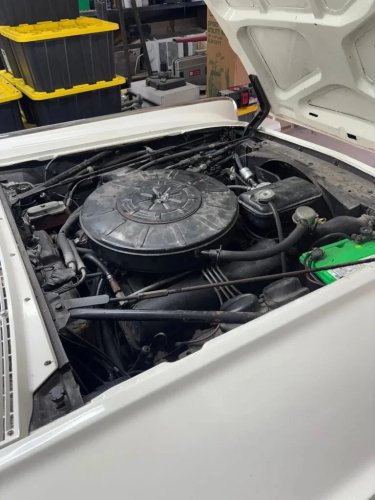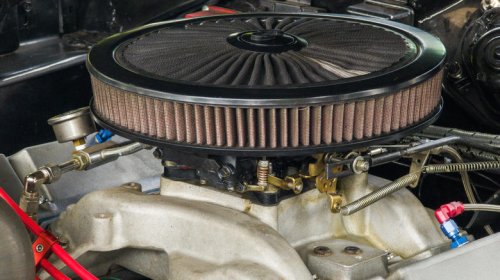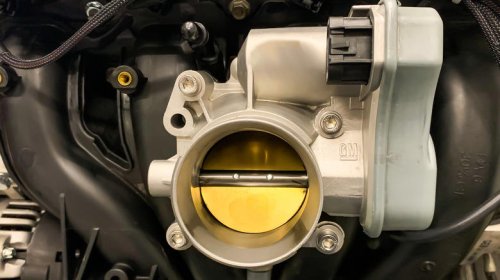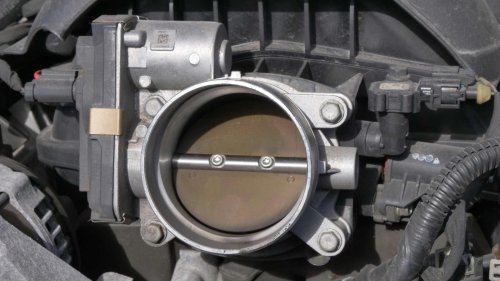
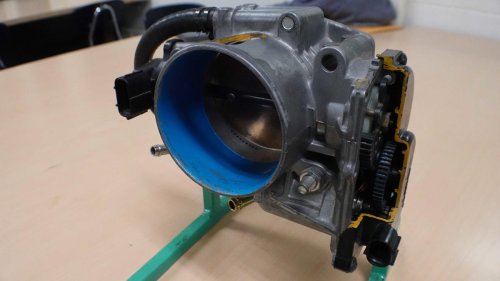
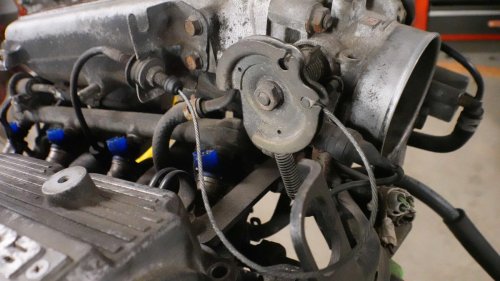
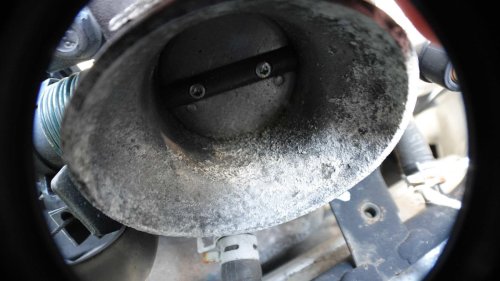
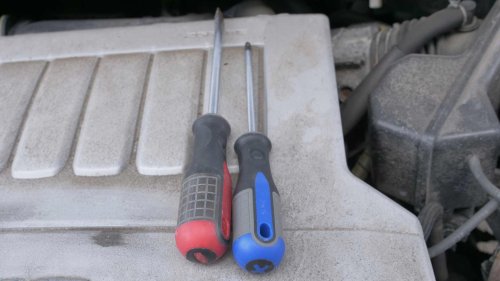
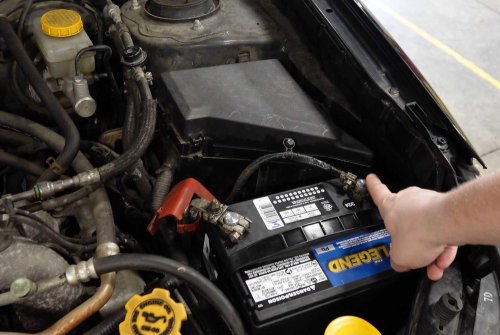
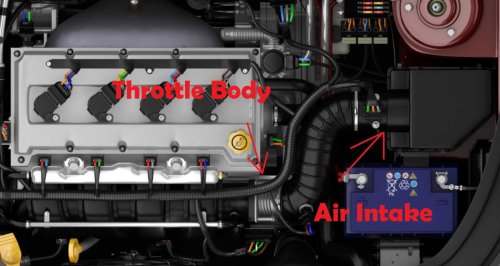
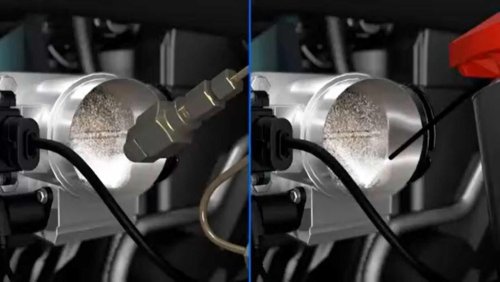
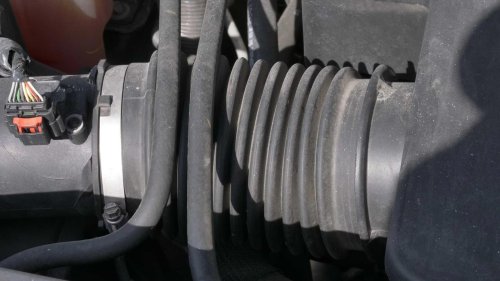




















Jump LinksWhat Does The Throttle Body Do?Signs To Look ForEasy And Necessary Maintenance1. Disconnect The Battery2. Locate The Throttle Body And Remove Air Inlet Tubing3. Inspect And Clean4. Clean Up Your Mess5. Reassemble6. Start The Vehicle And TestIs cleaning the throttle body necessary?What are the symptoms of a dirty throttle body?How often should a throttle body be cleaned?What is the best way to clean a throttle body?An engine requires proper maintenance to run at peak performance and efficiency. Older cars used carburetors to add fuel and introduce air into the engine, but later model cars, like the Honda Accord, use computer-controlled injectors and a throttle body for fuel delivery and air supply. Like any other part of a car, these, too, require regular maintenance to ensure smooth operation. Over time, the build up of oil, grime and other contaminants has negative effects on the operation of the throttle body. This article includes symptoms of a dirty throttle body, and a step-by-step guide on how to clean them for the best performance from your engine, and the benefits of a clean throttle body.It is advisable to have a trained automotive technician inspect and diagnose your vehicle for an accurate repair. Always wear proper personal protective equipment when making repairs on your vehicle. The Throttle Body Explained What Does The Throttle Body Do? Aaron Bersée/CarBuzz/Valnet When we're driving our cars, what we know is that pressing the accelerator pedal revs the engine higher, and the car accelerates. This is oversimplified, but true. An engine requires three main factors to run: fuel, air, and a spark. The fuel injectors provide the fuel, the spark plugs provide an ignition source, and the throttle body controls the amount of air that can enter the engine. The purpose of the throttle body is to control the amount of air that enters the engine. A throttle body could be described as a cylinder with a movable blade inside. When the accelerator pedal is pressed, the blade moves or opens, allowing more air to enter the engine. The further the accelerator pedal is pressed, the more the throttle blade opens up, allowing large amounts of air to enter the engine.Fully electronic throttle (Source: Carbuzz/Valnet) As we speed up and slow down during driving, the throttle blade is in constant motion with the force exerted on the accelerator pedal. Importantly, all activity of the throttle blade is monitored by the throttle position sensor. This sensor is constantly monitoring the position of the throttle and relaying that information to the powertrain control module or PCM. The PCM requires this information so it can regulate the amount of fuel supplied by the injectors. When we aren't pressing the accelerator pedal, the blade is closed, allowing a minimal amount of air into the engine. This allows enough air in for the engine to idle and not freely rev.Loose throttle cable (Source: Carbuzz/Valnet) As technology changed, so did the throttle body. Older cars would actuate the throttle body via a cable that was directly attached to the accelerator pedal. Later model vehicles use what's called "drive by wire." This system omits the physical cable and instead uses a sensor to determine accelerator pedal position. This information is relayed to the throttle body, which uses an electric motor to acuate throttle blade position. Different engines also require different size throttle bodies for optimum performance and efficiency. Symptoms Of A Dirty Throttle Body Signs To Look For Heavily corroded throttle body (Source: CarBuzz/Valnet) Over time, carbon, oil residue, and other grime is known to build up in the bore of the throttle body. This ultimately restricts airflow into the engine, disrupting the proper air/fuel ratio. This is a common problem, with a relatively simple fix, so there is no need for alarm. Listed below are the common symptoms associated with a dirty throttle body.Rough/Unstable Idle: The engine's idle will be affected severely, causing vibrations, shaking, and rpm surging and fluctuations. In some of the worst cases, the engine may even stall when coming to a stop. Reduced Fuel Economy: The build up in the throttle body causes more and more restriction over time. The PCM compensates for the restriction by using more fuel. This can lessen fuel economy by anywhere from 10% and 15% over time. This can be noticed as the problem gets worse if the throttle bore is not cleaned. Check Engine Light Illumination: Like most problems caused by a computer-controlled engine that operates within predefined parameters, the check engine light will come on when the computer sees a parameter that is out of specification. This, in many cases, is the first sign of a problem. Sluggish Acceleration, Inconsistent Throttle Response: Due to restricted air flow, hesitation, stumbling or jerking can be experienced as the engine struggles for the proper amount of air flow through the throttle body. Not only will drivability problems arise, an excessive amount of build-up on or around the throttle blade may cause sticking or a delayed reaction as the throttle blade is physically stifled by build-up, hindering its ability to properly and smoothly open and close. Throttle Body Cleaning: A Step-By-Step Guide Easy And Necessary Maintenance Aaron Bersée/CarBuzz/ValnetCleaning a throttle body is a relatively simple and cost-effective way to help your engine maintain good fuel economy, good acceleration and smooth idling. You can expect to spend anywhere from 30 to 60 minutes performing the job. You'll need a soft bristle brush, preferably an old toothbrush, some rags, and a can of throttle body cleaner/air intake cleaner. These cleaners are highly recommended, as they are safe for intricate sensors like the mass airflow sensor, for example. You'll also need a screwdriver, and perhaps even a small ratchet with an assortment of sockets. Before doing this job, the most important items you'll need are safety glasses and a pair of gloves. The cleaner is very harmful to the skin and especially the eyes.Follow these steps to clean your throttle body: 1. Disconnect The Battery Negative (-) battery terminal (CarBuzz/Valnet) Disconnect the negative battery cable from the battery. This is a crucial step for safety. It also avoids any accidents involving electric fans coming on, or shorting of electrical components while working under the hood. 2. Locate The Throttle Body And Remove Air Inlet Tubing Throttle body location (Source: Electude) Once located, remove the air inlet tube. This will likely require the use of a screwdriver, or a socket to loosen the clamp. However, some air tubes are held on by a simple spring clamp. If this is the case, a pair of special spring clamp pliers is ideal, but a basic pair of channel locks does the job. Loosen and remove the air inlet tube at both ends. Once removed, the throttle blade is easily visible, and should be in the closed position. 3. Inspect And Clean Take a good look at the throttle bore to see if you notice any major problem areas. To thoroughly clean the throttle body, the blade must be in or near the completely open position. If the throttle blade is actuated via a cable, it's acceptable to open it with your hand, or hold it open with a tool if you don't have a helper to hold the accelerator pedal down to ensure the blade is fully open. If the throttle body is electronically actuated, do not attempt to open the throttle blade by hand or with a tool. With this type of throttle body, the battery will need to be reconnected for this step. With the key in and the engine off, have an assistant hold the accelerator pedal all the way down to fully open the throttle blade.Throttle body cleaning service animation (Source: MotoVisuals) Once this is done, spray the inside of the throttle bore with the air intake/throttle body cleaner, and gently scrub the inside of the throttle bore, making sure not to damage the throttle body or surrounding surfaces and components. Take a rag and wipe down the inside of the throttle to clean away the loose debris and grime. Inspect to make sure that all contaminants have been cleaned and wiped away, making sure that the throttle blade moves smoothly. These steps should be repeated until the throttle bore looks like clean metal and there are no more contaminants present. 4. Clean Up Your Mess Wipe down and clean away any excess dirt, grime or cleaner that may have made its way on to surrounding areas. This will help avoid potential future problems, bad smells, and it will keep the engine looking clean. 5. Reassemble Aaron Bersée/CarBuzz/Valnet Re-install the air inlet tube, making sure to tighten all clamps. Re-attach any vacuum hoses that may have had to be disconnected, and plug in any electrical connectors that had to come unplugged for the removal of the air tube. Nothing will make the engine run poorly or turn on the check engine light as quickly as unmetered air entering the engine, or a sensor left unplugged. Finally, it is now safe to get the battery hooked back up. 6. Start The Vehicle And Test Mercedes-Benz After everything is hooked back up, it is safe to start the vehicle to make sure it's running properly. Start the car. Once started, if there is a vacuum leak present or a sensor that has been left disconnected, the check engine light will illuminate almost immediately. The engine may idle roughly for a few minutes, as it relearns its idle. This is common after a battery is disconnected for any reason. Take the vehicle for a test drive to ensure it's running and driving as it should. Listen for new and different sounds and check for leaks when it's parked. If there are no noticeable issue, the throttle body has successfully been cleaned. FAQs Hennessey Is cleaning the throttle body necessary? Yes, keeping the throttle body clean keeps the engine breathing properly, ensuring peak performance and efficiency. What are the symptoms of a dirty throttle body? Hesitation, rough running, the check engine light illuminated, stalling, and poor fuel economy are some of the main symptoms of a dirty throttle body. How often should a throttle body be cleaned? That depends on the vehicle and how many miles it's driven annually. However, some engines may need it more often depending on how and where they are driven, or if they're in vehicles that are prone to having oil vapors present from the PCV system. What is the best way to clean a throttle body? Always wear proper P.P.E., use a soft bristle brush - an old toothbrush is perfect - and use the correct cleaner that is made specifically for cleaning throttle bodies and air intakes.