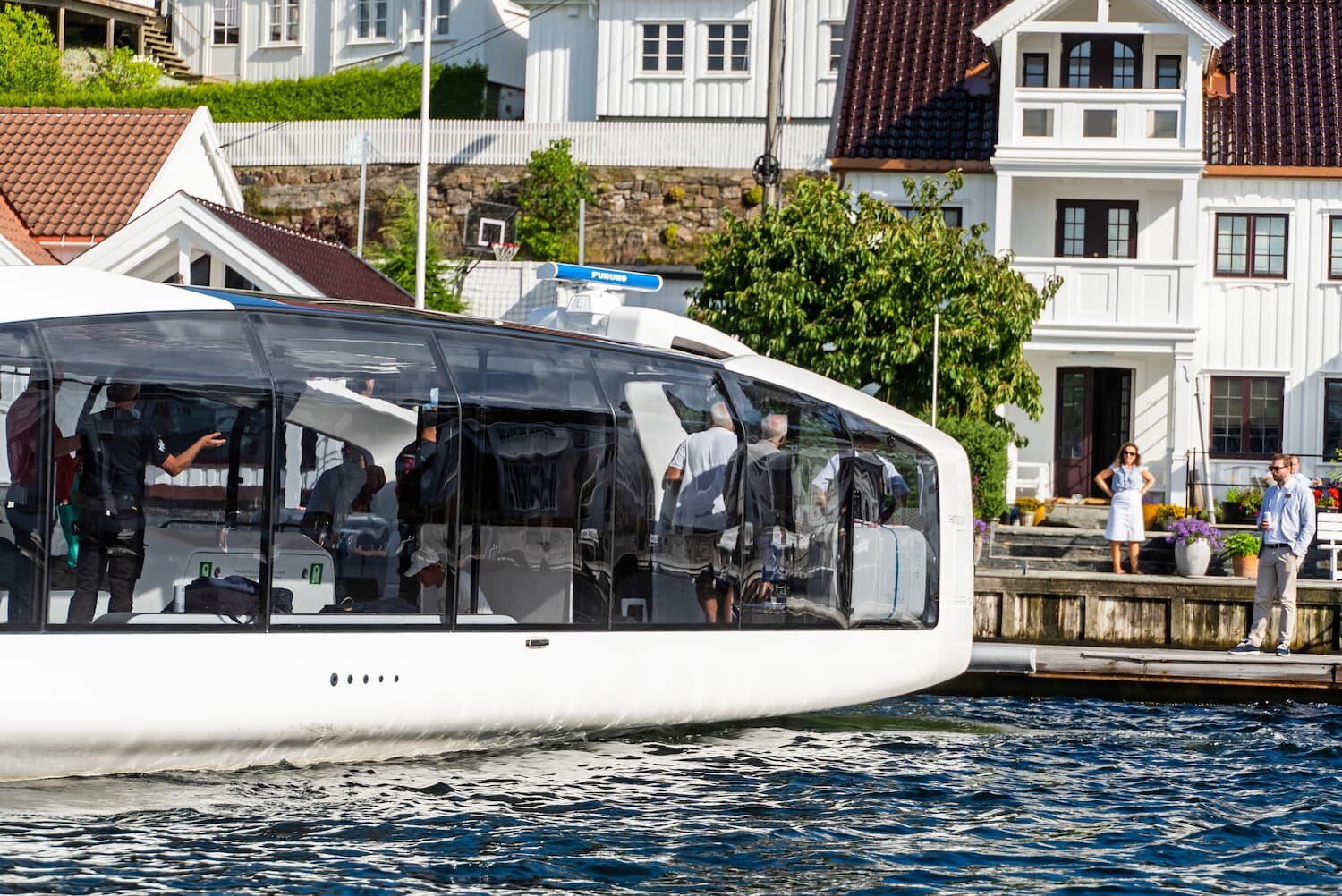
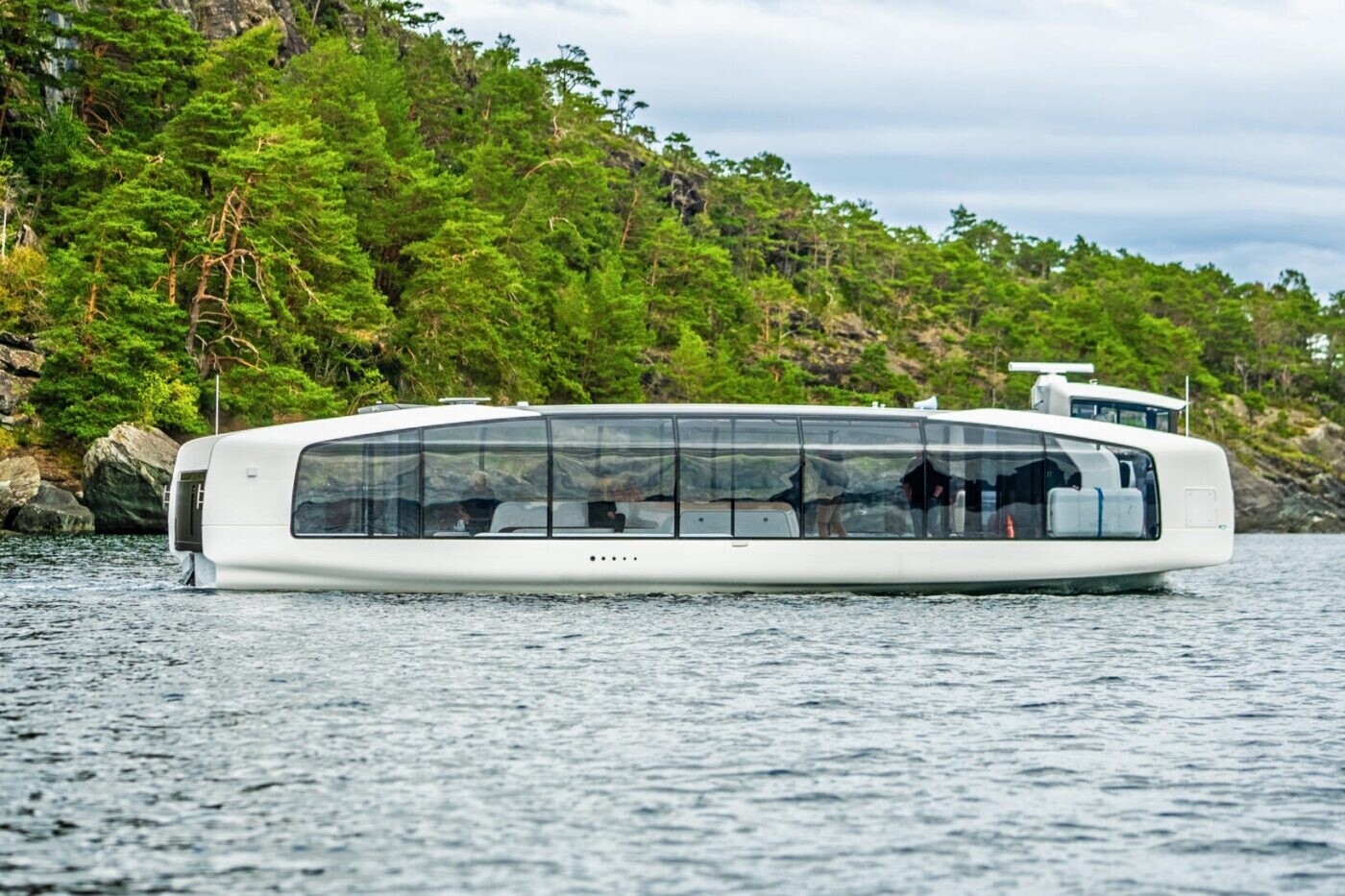
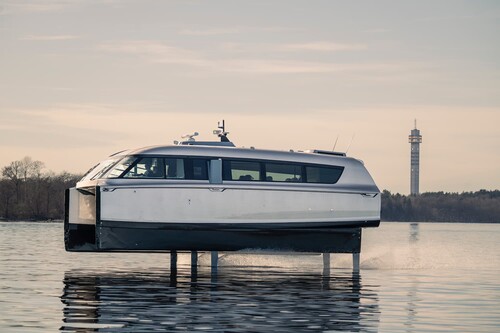
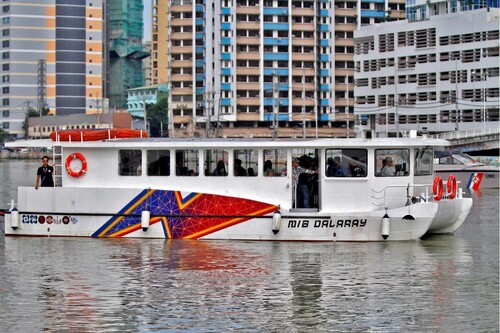
Electric boats have been steadily gaining traction, but a new pilot project in Norway is making a pretty compelling case that they could do more than just clean up waterways – they might actually replace expensive infrastructure projects altogether. Norwegian company Hyke has just wrapped up a 14-month real-world test of its F-15 electric passenger ferry in the city of Fredrikstad, and the results suggest that small, efficient electric ferries could play a much bigger role in urban transportation than we’ve seen so far. The Hyke F-15 Shuttle isn’t a massive ferry. It’s a relatively compact, 15-meter (49-foot) vessel designed for short urban crossings, carrying up to 50 passengers at a time. But what it lacks in size, it seems to make up for in efficiency. During its pilot run between April 2024 and mid-2025, the ferry transported more than 41,000 passengers across a short 225-meter river route. The crossing itself took just about two minutes, showing how these types of boats can operate at high frequency – more like a shuttle than a traditional ferry. Advertisement - scroll for more content And it did so with some pretty darn efficient numbers, too. According to Hyke and the municipality’s final report, the electric ferry used up to 88% less energy than comparable diesel vessels – roughly eight times more efficient. Even more surprising, the total energy consumption is so low that the ferry reportedly uses about the same power as five household hair dryers. That’s an eye-opening stat when you consider this thing is moving dozens of people at a time. The ferry is powered by a 196 kWh battery pack and averages around just 10 kW of power draw. According to the company, it can support up to 10 hours of continuous operation. Fast charging is supported via 150 kW DC charging, making it viable for daily transit use. But efficiency isn’t the only metric that matters. For the boat to make any measurable impact, people actually have to use it. And it looks like they did. The service recorded strong passenger demand, along with a reported satisfaction score of 4.72 out of 5 and full user loyalty during the pilot period. Even more notably, the ferry operated for the entire 14 months without any safety incidents. “The project shows that our urban waters can be used much more efficiently. Instead of digging tunnels or building bridges, which are hugely costly, electric ferries can quickly be deployed to shuttle large numbers of passengers. It’s time to rethink urban planning by putting waterways at the center,” said Halvor Vislie, CEO of Hyke. “Together with Fredrikstad Municipality, we’ve demonstrated that Hyke F-15 can operate as part of everyday public transport – efficiently, quietly, and with strong passenger acceptance.” Hyke also seems to have caught the eye – and the support – of major investors in the industry. Ocean Zero LLC, the investment firm led by TED’s Chris Anderson, is a major investor in Hyke. Notably, Ocean Zero is also a major backer of Candela, the Swedish electric boat maker that is widely regarded for its record-setting electric speed boats and passenger ferries designed for high-speed, longer distance marine travel. Hyke seems to help complement that portfolio by rounding out the lower speed, urban marine transport sector, offering an efficient and less-costly alternative to bridges and other land-based infrastructure in cities. Electrek’s Take We’ve covered a lot of electric boats over the years, from high-end hydrofoils like Candela’s lineup to smaller recreational vessels. But what makes this project stand out is how practical it is. And I’d argue that the bigger takeaway here is the infrastructure angle. Cities often spend hundreds of millions building bridges and tunnels to move people across short waterways. But if a small electric ferry can do the same job with minimal infrastructure, faster deployment, and dramatically lower energy costs, it changes the equation entirely. Of course, this isn’t a one-size-fits-all solution. Weather, geography, and passenger volumes all play a role. And boats like these can’t replace every bridge. But for cities with underutilized waterways, this feels like a no-brainer to at least explore, and creates a less permanent solution that allows cities to be more adaptable as transportation needs evolve. We’re already seeing electric boats carve out a niche in tourism and premium transit. Projects like this suggest the next phase could be something much bigger, turning rivers and canals into core parts of everyday urban mobility. Stay up to date with the latest content by subscribing to Electrek on Google News. You’re reading Electrek— experts who break news about Tesla, electric vehicles, and green energy, day after day. Be sure to check out our homepage for all the latest news, and follow Electrek on Twitter, Facebook, and LinkedIn to stay in the loop. Don’t know where to start? Check out our YouTube channel for the latest reviews.