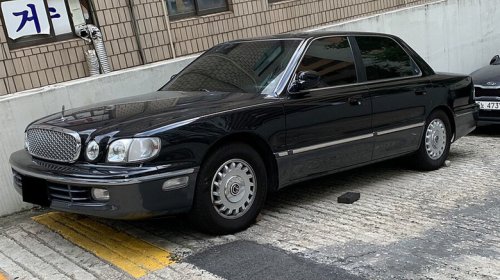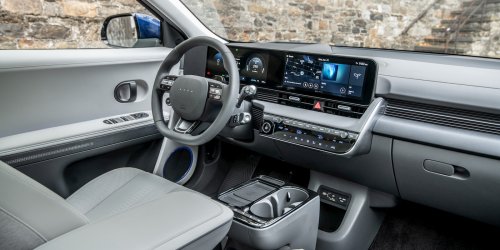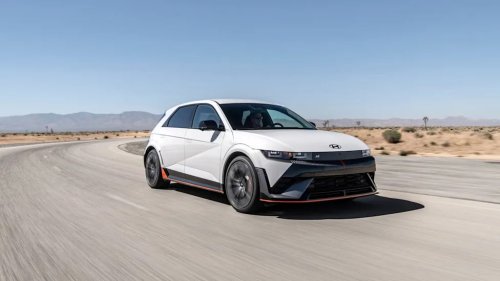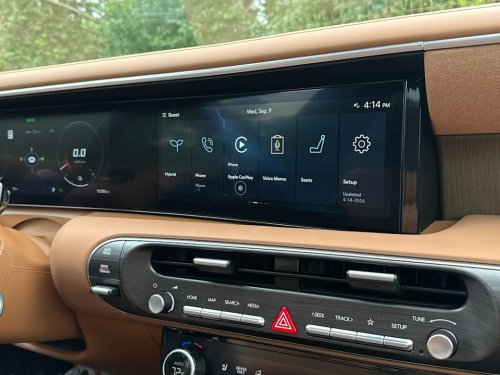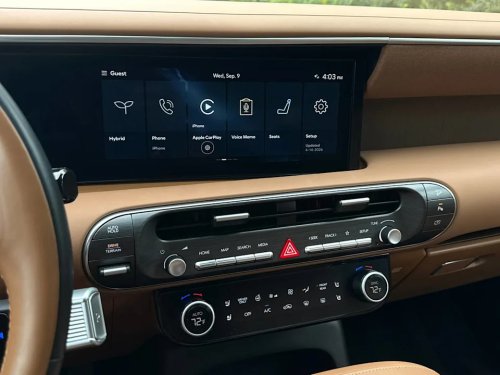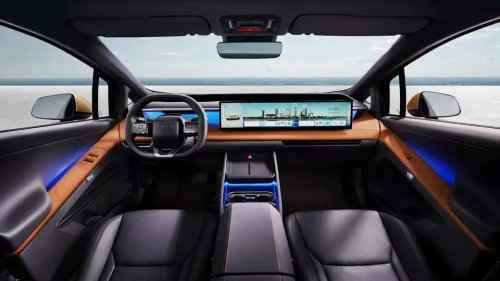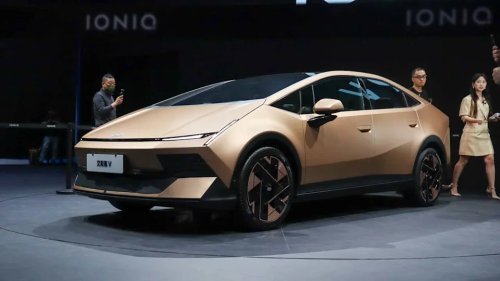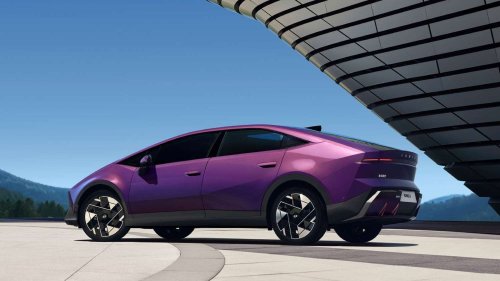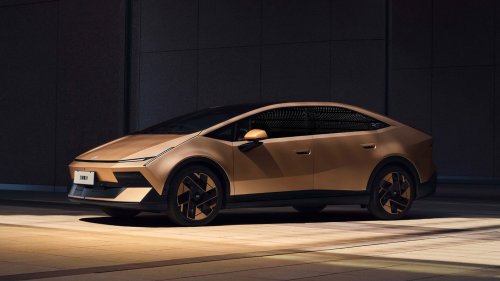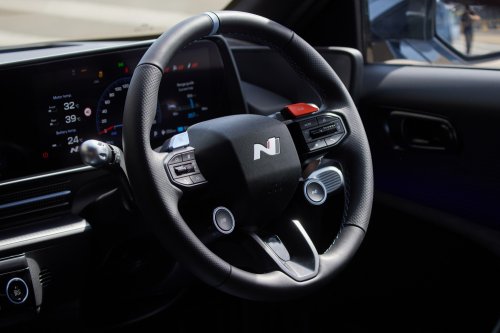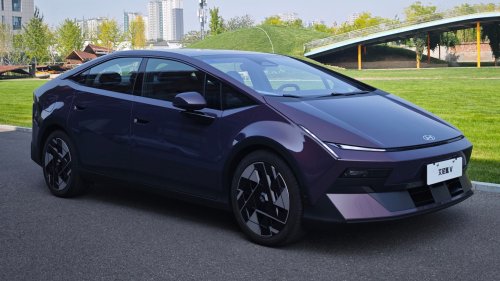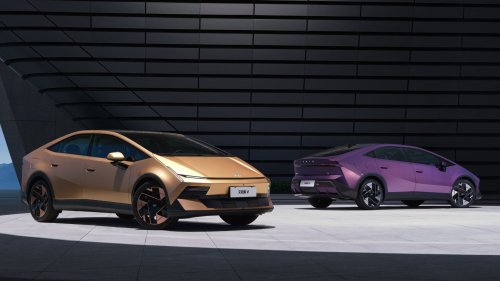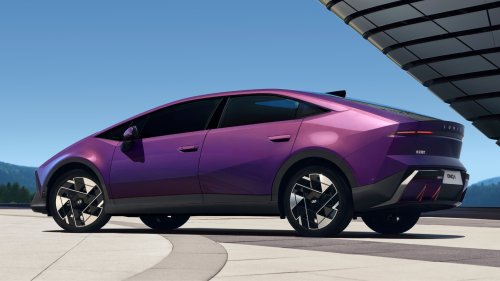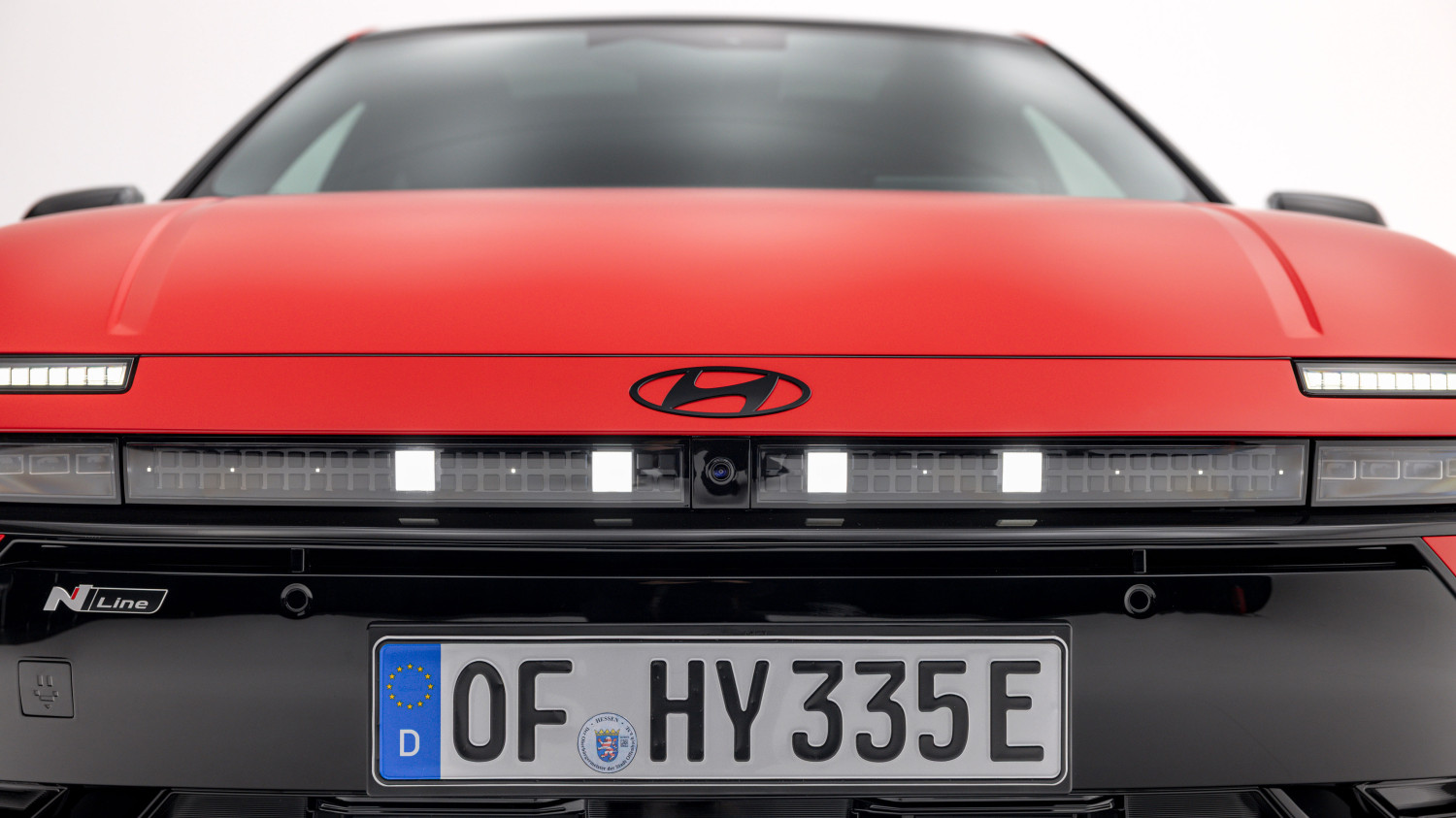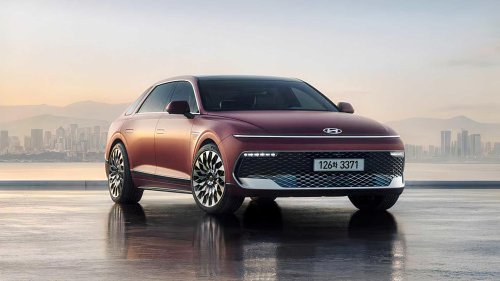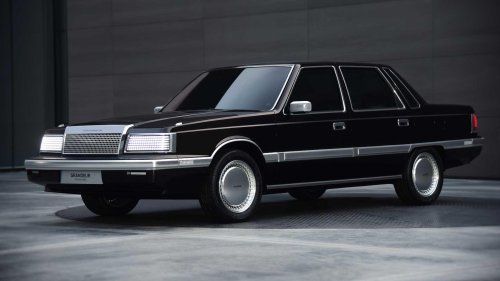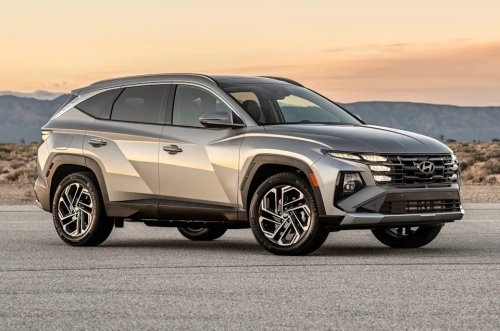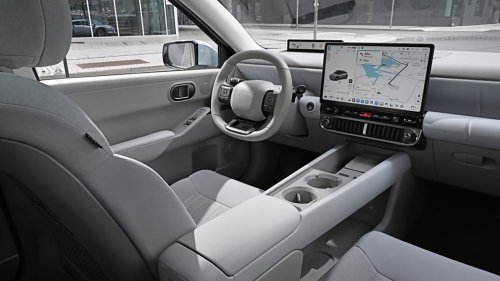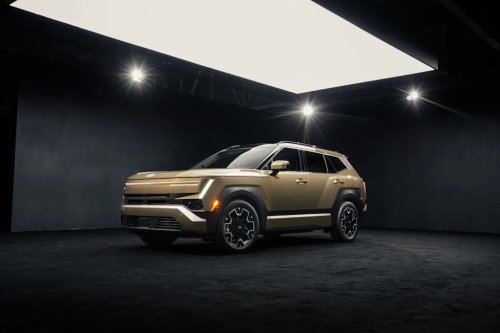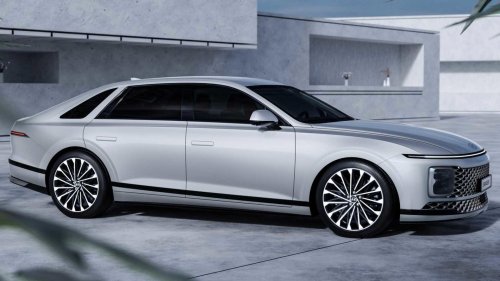
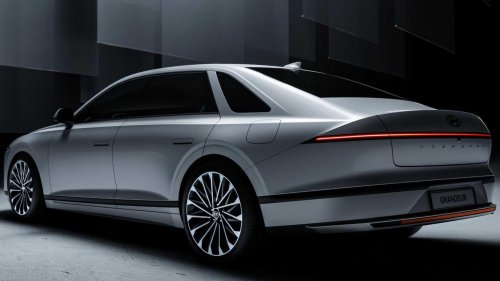
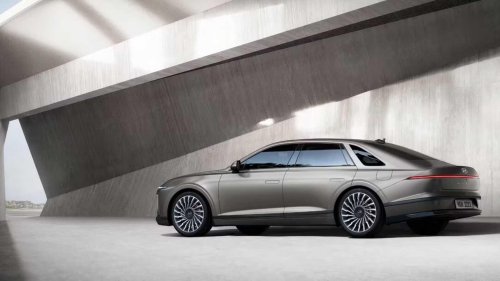
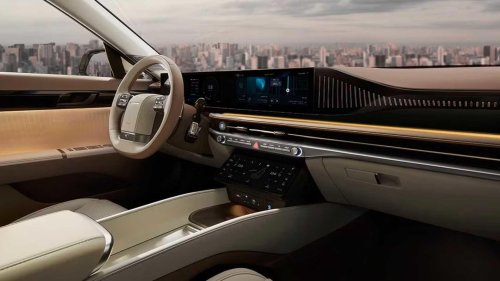
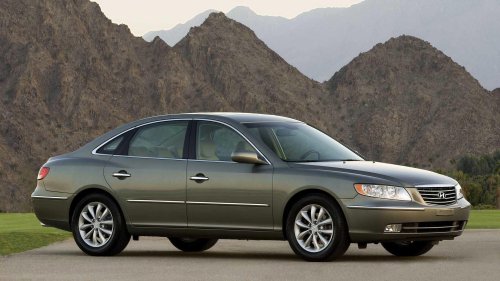
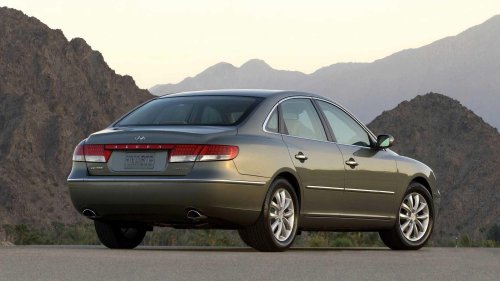
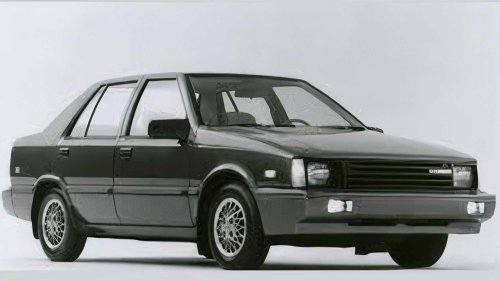
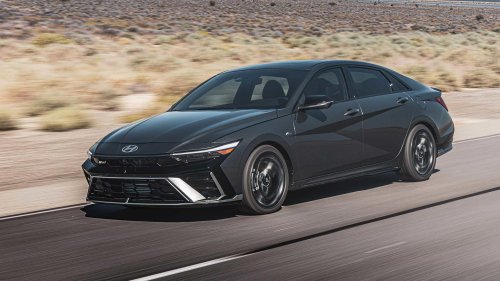



















There is a good reason why you probably haven’t heard of this model: it hasn’t been available in the US since 2017, and the current generation never made it to the States at all. We’re talking about the Hyundai Grandeur (known in the US as the Azera), which despite being inaccessible for most drivers around the world is a highly interesting model with a fascinating design.Much like the brand that built it, the Grandeur evolved and became more upmarket over the years. Its current incarnation is sleek and comfortable enough to compete with high-end sedans like the BMW 5 Series; the recent facelift only adds to its luxurious character. Let’s take a closer look at the seventh-gen Grandeur, the models that came before, and the way its rise in the automotive world parallels that of its manufacturer. The Seventh-Gen Hyundai Grandeur: An Overview HyundaiThe Hyundai Grandeur, a model with four decades of history behind it, is currently in its seventh generation, which was released in 2022. The model is exclusively sold in its home market of South Korea, plus a few countries in the Middle East where the vehicle is badged as the Hyundai Azera.The new Grandeur represents a considerable step forward from its predecessor in terms of design. While the sixth-gen model had a more traditional look, with conventionally shaped headlights and grille, the seventh generation adopts a far more futuristic character. The headlights and tail lights have been replaced with a continuous light bar, and the grille wraps around the entire front end. The resulting look is strikingly modern and sleek.Hyundai As expected of such a futuristic-looking car, the seventh-gen Grandeur is packed with tech. The infotainment system is powered by Hyundai’s ccNC (Connected Car Navigation Cockpit) software. It is equipped with a fingerprint authentication system and built-in cameras among other features.A choice of four powertrains is available. The gas-powered options include a 2.5-liter inline-four engine (producing 195 hp) or a 3.5-liter V6 (producing 296 hp). The V6 engine is also available in LPG-powered form, with a power output of 237 hp. A hybrid powertrain is also offered, which pairs a 1.6-liter inline-four engine with an electric motor for a total output of 230 hp. Transmission options include a six-speed or eight-speed automatic. The Grandeur's 2025 Facelift Hyundai For the 2025 model year, the Grandeur received a minor facelift which introduced a new option package and some additional tech features. The 2025 model offered three different trim levels (Premium, Exclusive, and Calligraphy); upper trims offered additional luxury and comfort features, such as powered window curtains. A Black exterior package was added for 2025, which includes features such as 20-inch black alloy wheels, a darkened grille, and black emblems. The package also includes one of two paint finishes: Abyss Black Pearl, or Serenity White Pearl for a black-and-white contrast look.Mood lighting was also added to change the appearance of the vehicle’s interior. The lighting setting can be changed through voice recognition or through the selection of a particular driving mode, automatically adapting the feel of the cabin and personalizing the driving experience.Hyundai Another area where the 2025 model has made progress is over-the-air (OTA) updates. These updates are increasingly common in modern vehicles, as they enable drivers to download important software updates (for the purpose of additional features or cybersecurity) from the comfort of their own home, without having to interact with a dealership or garage. The 2025 Grandeur now offers OTA updates for a range of safety systems and climate control features. Other safety features that have been added to the 2025 model include electronic gear column vibration warning, steering wheel grip detection, lane following assist, and an interior fire extinguisher.Sadly, the arrival of the update does not change anything regarding the Grandeur’s availability in the US: the model is not set to be offered on the US market anytime soon. What Came Before: The Grandeur/Azera's Earlier History Hyundai The Grandeur’s story started back in the mid-80s, when the model made its debut in the form of a rebadged Mitsubishi Debonair. Powered by a lineup of inline-four and V6 engines, this model was not available in the US, but very popular in Korea. Decades later, Hyundai used a first-gen Grandeur as the base for an electric restomod called the Heritage Series Grandeur EV.The generation that followed continued on the same pattern as the first, also being a rebadged Mitsubishi Debonair. However, it had a far more modern design, with the stark angular lines of its predecessor being replaced by softer, smoother curves.Hyundai In 1998, the Grandeur broke away from the Debonair with the arrival of the model’s third generation, which was designed and developed entirely in-house by Hyundai. This model was available with an all-V6 engine lineup, and was also sold in the US under the name of Hyundai XG.The Grandeur continued to be sold in several markets outside Korea, including the US, for the following two generations. The fourth arrived in 2005, and introduced the alternative name of Hyundai Azera (used exclusively for export markets). It shared a platform with that era’s Hyundai Sonata. The fifth generation arrived in 2011, also sharing the Sonata’s platform, and briefly offered a hybrid version exclusive to Korea.In 2016, however, due to poor sales, Hyundai pulled the Azera/Grandeur out of the US market with the arrival of the model’s sixth generation. This made the Sonata – which still shared the Grandeur’s platform – the most expensive model sold by Hyundai in the US (not counting vehicles marketed under the Genesis sub-brand). How The Grandeur's History Mirrored Hyundai's Rise From Budget To Premium Hyundai The timeline of the Grandeur’s journey as a model runs somewhat parallel to that of Hyundai as a brand. Although the model itself was initially not available in the States, it was launched in the same year Hyundai made its US debut: 1986.Before arriving on the US market, Hyundai had spent around 40 years building itself up as a brand in its home market of Korea, largely focusing on producing local versions of foreign vehicles. The brand traces its origins back to the late 1940s, however it initially focused on areas such as construction and engineering. It wasn’t until the late 60s that Hyundai began producing vehicles, starting with a Korean version of the Ford Cortina. A decade later, the first car produced entirely by Hyundai arrived: the Pony, designed with input from none other than Italdesign’s Giorgetto Giugiaro.In 1986, just as the Grandeur was being released back in Korea, Hyundai decided to expand its global range and tackle the US market, with models such as the Sonata (which is still in production today) and the Excel. At this stage, and for many years afterwards, Hyundai was very much a budget-friendly brand, with a strong reputation for affordability.Hyundai Both Hyundai and the Grandeur continued to evolve alongside each other. The model’s third generation, which arrived in 1998, marked the Grandeur’s debut in North America, where it was sold as the Hyundai XG. A few years later, in 2005, the fourth-gen Grandeur arrived, and was sold in the US as the Azera.During this period, Hyundai also acquired Kia in a unique “mutual ownership” arrangement, which further increased the company’s prospects in the US and beyond. Once a budget brand, Hyundai began to be associated with higher quality and reliability, launching its famous “10 years or 100,000 miles” warranty for cars sold in the US which helped cement its reputation.The Azera/Grandeur did not last long in the US, only being sold until the end of the model’s fifth generation in 2017. It remained on sale in its home market, where it gradually evolved into the high-tech, futuristic vehicle it is today. Hyundai, meanwhile, continued to thrive in the States, and currently offers a large lineup of vehicles including cars, trucks, and SUVs.Sources: Hyundai