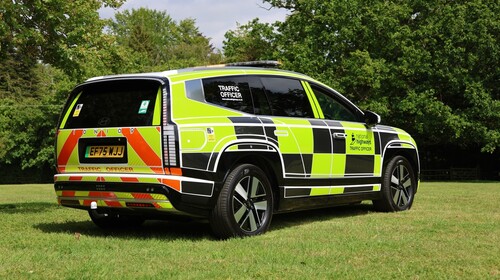
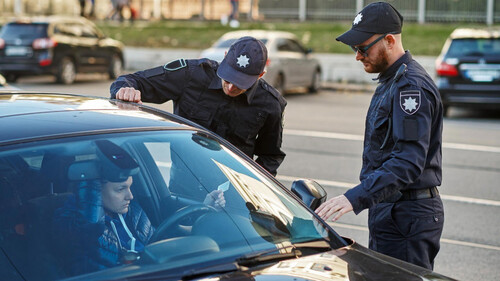
The unseen checklist police officers run through automaticallyYou rarely see it, but every time a patrol car slides in behind you or an officer steps into a tense crowd, a mental checklist starts firing. Years of training turn legal standards, safety habits, and communication techniques into muscle memory, so you meet a calm face while a busy mind works in the background. If you understand that unseen checklist, you can read situations more clearly and protect your own rights without adding to the stress on either side. The first scan: safety, setting, survival The moment an officer notices you, the checklist starts with survival questions. You might be thinking about getting home for dinner; the officer is asking: Where are the hands, what is the environment, and who else is here. In a traffic stop, you see flashing lights. The officer sees the shoulder width, nearby alleys, and whether your car is creeping or still. Departments formalize that instinct. A patrol directive from North Little Rock instructs officers to notify dispatch of the location, direction of travel, description, and license plate as part of section 3.1, and to do it immediately, before they even reach your window. That step locks in a record of where you both are if something goes wrong. When you see an officer pause at the rear of your car, you are watching that safety script unfold. In more volatile calls, such as a barricaded subject, trainers talk about a simple three step method, often called the three C’s, to guide how patrol officers manage the scene. A video on Oct response explains how you move from containment to communication to a controlled resolution. You may just see officers taking cover behind cars, but each movement fits that quiet formula. The legal filter: Graham factors and probable cause Over that safety layer sits a legal checklist that you never hear spoken out loud. When an encounter becomes tense, an officer is trained to think in terms that come from The United States Supreme Court. In use of force cases, that court described how officers often have to make split second decisions in situations that are tense, uncertain, and rapidly evolving. Training programs convert that language into concrete questions. At the Federal Law Enforcement Training Centers, instructors summarize those questions as The Graham factors. According to a Feb guide, The Graham factors are the severity of the crime at issue, whether the suspect posed an immediate threat, and whether the suspect was actively resisting or trying to evade arrest by flight. You may only notice a firm tone or a hand resting near a holster; inside the officer’s head, those three questions are running in a loop. The same invisible logic shapes how an officer decides to stop you at all. Legal definitions of probable cause describe a reasonable ground to believe that a person has committed a crime, based on facts rather than hunches. Cornell’s explanation of probable cause stresses that the standard grows out of what the officer knows at that moment. When you see an officer glance from your expired inspection sticker to your lane position, you are watching that mental tally form in real time. The quiet script of a traffic stop By the time you roll to a stop, a second checklist takes over, one that focuses on how the conversation will go. Officers learn that certain questions open doors you might not realize you are walking through. One of the most common is, Do You Know Why I Pulled You Over. A defense firm warns that when you answer that question, you may hand the officer an admission that did not exist a minute earlier. Their breakdown of Know Why and Pulled You Over urges you to remember your Fifth Amendment rights and avoid guessing at alleged violations. Behind the scenes, there is also a data checklist. A former officer described on Quora how, when a plate is run, your name, license status, warrants, and sometimes flags like officer safety alerts appear on the in car computer. The answer explains that There is a protocol, its taught in the academy and driven into your brain in field training until it is in your DNA forever. The same post emphasizes Not every piece of information is visible at once, and officers are trained to scan what matters most before they walk up to your door. You may think the conversation starts cold; in reality, the officer has already checked you against that silent list. Nonverbal language you are not meant to hear While you listen to questions, officers talk to each other without a word. Another non verbal communication technique practiced by law enforcement officers is the use of hand signals. A ministry site that explains this silent police language notes that the most common hand signals can tell a partner to move up, slow down, or cover a specific angle. The description of Another technique also mentions subtle cues that tell colleagues you do not need any help. Radio codes add another layer. When you hear a dispatcher call out a 10 code, you are listening to a compressed version of that checklist. A Facebook post explains that a 10 42 call in law enforcement radio code signifies the end of an officer’s tour of duty or shift. In that post, the number 42 carries a quiet emotional weight. It marks the last box on a long list of tasks that began with that first scan of the street. Problem solving beyond the single call Your contact with an officer might last ten minutes. For the officer, the checklist stretches far beyond that moment. Modern policing models push you to think not only about the incident, but about the pattern that produced it. Training materials on problem oriented policing describe the SARA framework, which stands for scanning, analysis, response, and assessment. In that model, you start by identifying a recurring problem, then move into analysis and finally assessment of whether the response worked. One training document puts it plainly: Describing the four steps of the SARA model in sequence helps learners design responses that have a lasting impact on neighborhood crime and disorder. The same guide stresses that careful analysis and assessment are research methods, not guesswork. When you see officers return to the same troubled corner with a new traffic pattern or outreach team, you are seeing that longer checklist in action. After the flash: paperwork and psychology The mental load does not end when the lights go dark. After a force incident, an officer steps into a different kind of checklist, one that blends legal review with mental health care. Study guides on police and public safety psychology describe a process that aims to provide a comprehensive understanding of the officer’s mental state post incident, guiding necessary interventions. That means structured interviews, standardized questions, and decisions about whether you are fit to return to duty. On the legal side, flashcards used in federal training pair Graham v. Connor with specific memory aids. One set lists Match Graham and Connor with Graham Factors SIRF Additional, and connects Graham to Tennessee decisions that refine how courts judge reasonableness. Each acronym and case name is another box the officer must check when writing a report or testifying months later. You might only ever read a short paragraph in a news story; behind that paragraph sits an entire exam worth of doctrine. How this changes your side of the interaction Once you see that hidden checklist, your own choices start to look different. On a traffic stop, you can help the safety scan by rolling down your window, turning on your interior light at night, and keeping your hands visible on the steering wheel. Those small gestures answer the first questions an officer is trained to ask before anyone speaks. More from Fast Lane Only Unboxing the WWII Jeep in a Crate 15 rare Chevys collectors are quietly buying 10 underrated V8s still worth hunting down Police notice this before you even roll window down