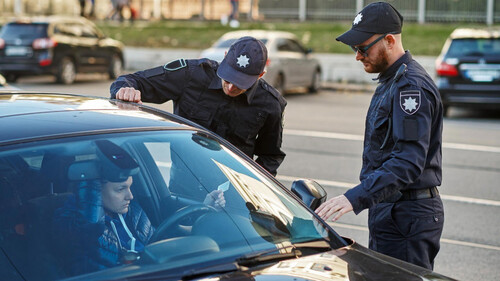
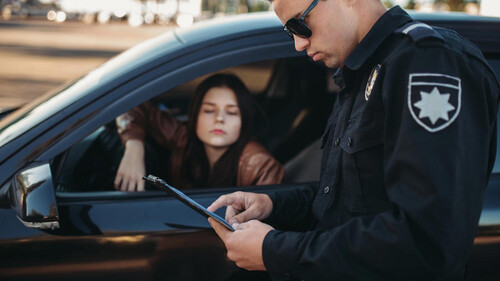
How police officers size up risk before approaching your vehicleWhen red and blue lights flare in your rearview mirror, your first thought is usually what you did wrong, not what the officer is weighing about you. From the moment the patrol car tucks in behind your bumper, though, that officer is quietly running a safety checklist that can shape every second of the encounter. Understanding how they size up risk before they reach your window can help you stay calmer, safer, and less likely to misread each other. Most drivers never see the dozens of small decisions that go into a stop, from where the cruiser parks to how the officer watches your hands. Once you know what they are looking for and why, you can do your part to keep a stressful moment from turning into a dangerous one. How the risk assessment starts before you even pull over A traffic stop usually begins long before you roll to a halt. Many agencies train officers to start with an early risk assessment that labels the situation as Unknown, Elevated, or High Risk. That label affects everything that follows, from how many officers respond to whether you are asked to stay in the car or step out. Often, before the lights even come on, the officer runs your license plate. Training materials describe how the very first step is to let the computer check if the registration is valid, whether the vehicle is stolen, and whether there are flags tied to that plate. If the system shows a stolen car or a wanted person, the stop jumps from routine to high risk instantly. While that is happening, the officer also watches how you respond to the signal to pull over. Training on the four phases of a stop explains that during the vehicle in motion phase, the officer notices how quickly you react, whether you make sudden lane changes, and whether anyone inside seems to be hiding something or switching seats. These early observations, described in guidance on essential safety tactics, feed directly into that Unknown, Elevated, or High Risk label. Why the stop location and car positioning matter so much As soon as you start pulling over, the officer is already judging the environment. Training on officer safety asks practical questions such as which setting is safer: highway, residential street, or business area, and whether daylight or darkness gives a better tactical edge. That is why you might see an officer motion you forward to a better lit parking lot or away from a blind curve. Policy documents spell out very specific positioning. One agency instructs that the patrol car should sit about 20 feet behind your vehicle at roughly a 45-degree angle. That angle is meant to shield the officer from passing traffic and give them a view along the driver side of your car. If you wonder why the cruiser is not perfectly straight, that slight cant is part of the safety plan. Some trainers, including officer Michael Brooks, also argue strongly for passenger side approaches. In guidance on reduced exposure, Brooks lists advantages such as less risk of being struck by traffic and a lower chance of being pinned between two vehicles. When you see an officer walking up on the passenger side, that choice is often about surviving other drivers as much as about you. What officers scan for as they walk toward you The walk from the cruiser to your car is one of the most vulnerable moments for an officer. Training on street survival urges them to activate all cameras and gather pre-stop information before they even open the door, then to treat every approach as potentially dangerous rather than routine. One set of tips on street survival warns that complacency is what gets people hurt, not just obviously risky calls. As the officer closes the distance, they are counting occupants, watching for movement, and hunting for your hands. A widely shared explanation of what officers look for notes that as the officer approaches, they are focused on the number of occupants, movement within the vehicle, and the location of everyone’s hands. Another training piece puts it bluntly and tells officers to remember that hands pose the greatest threat, and to keep those hands visible until the vehicle is gone. That guidance appears in a set of traffic stop best that emphasize constant attention to hand placement. For you, that means the simplest safety signal you can send is to keep both hands where the officer can see them, usually high on the steering wheel, and to tell the officer before you reach for a wallet, purse, or glove box. When your movements are slow, announced, and predictable, you are giving the officer exactly what their training tells them to look for. How officers manage non-compliance and rising risk Sometimes the risk picture changes as soon as the officer reaches the door. You might refuse to roll down the window, argue about getting out of the car, or keep digging around under the seat. Training on non-compliant stops stresses that the officer should slow down and not feel pressured to rush the encounter, and that they should request backup as soon as they become aware of non-compliance. Guidance on improving officer safety frames backup not as aggression, but as a way to reduce the pressure on any one person to control a tense scene alone. Other training materials describe how officers must maintain awareness of their surroundings and the behavior of vehicle occupants, especially during high risk stops. In that context, officers are taught to use distance, cover, and clear commands to prevent sudden escalation. If you see an officer step back, place a hand on their holster, or shift to a different angle, that movement is usually about preserving a reaction gap rather than signaling an immediate intention to use force. Non-compliance from your side, even if you think you are just asserting your rights, can push the risk label from Unknown to Elevated or High Risk in the officer’s mind. You still keep every legal protection you had before, but the officer’s tactics will likely become more conservative and more structured. Why communication style is part of the safety equation Risk assessment is not just about body angles and car placement. Your tone, the officer’s tone, and the flow of conversation all feed into how safe the stop feels. A training guide on law enforcement safety urges officers to maintain visibility and communication from the start, to explain the reason for the stop when possible, and to keep a calm, respectful tone throughout the encounter. Cities that publish advice for drivers echo that same theme. One municipal guide tells you that officers make many traffic stops and usually pull a vehicle over when they believe an offense has occurred, and it encourages you to wait for instructions and keep your hands visible before reaching for documents. That advice appears in a public page on how to ensure safety during a stop. When you respond with steady, ordinary conversation, you help the officer confirm that their initial assessment was accurate and that the situation can stay at the lowest possible risk level. Raised voices, sarcasm, or sudden silence can have the opposite effect, even if you never move a muscle. What you can do differently at your next stop Knowing how officers size up risk gives you a simple playbook for your side of the encounter. First, once you see lights, slow down, signal, and pull over to a safe spot as soon as you reasonably can. That matches the guidance that your attention needs to be divided as little as possible, advice that shows up in a list of basic principles for safe stops. Next, before the officer reaches your window, turn off your music, lower your front windows if you can, and place both hands high on the wheel. If it is dark, switching on your interior dome light can also lower the officer’s anxiety by making everyone inside more visible. More from Fast Lane Only Unboxing the WWII Jeep in a Crate 15 rare Chevys collectors are quietly buying 10 underrated V8s still worth hunting down Police notice this before you even roll window down