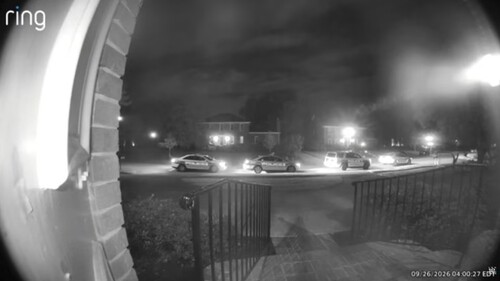
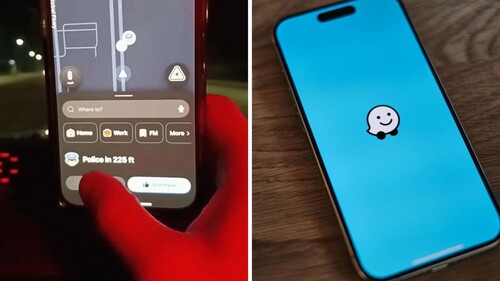
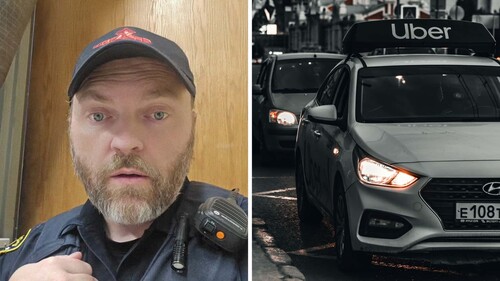
Audrey Scott · 7 months ago@audreyscott72What police officers assess as they approach your vehicle Liked by+56 othersPost commentRelated PostsAutomaker Supplier Payment Terms Tightened Further: 3-Day Acceptance, Upfront Payments During Negotiation, Key Automakers to Undergo Annual Assessment 70 · Henry Leblanc · 1 months agoFour years of electric trucks: how Buhck assesses the cost-effectiveness of its electric fleet 58 · Chloé Martin · 3 months agoBYD gets positive assessment from China’s largest investment bank 19 · Lauren Harris · 4 months ago2025 Ram 1500 Yearlong Review: Assessing the Usefulness of the Passenger Infotainment Screen 96 · Henry Côté · 5 months agoJetour T1 ASEAN NCAP – five-star rating awarded under outgoing 2021-2025 assessment protocol 83 · Lauren Pelletier · 8 months agoMITI receives Zeekr 009 from Sentinel Automotive – EV MPV loaned to ministry for assessment purposes 65 · Benjamin Turner · 1 years agoA Tesla Executive Just Gave A Brutal Assessment Of Full Self-Driving 108 · Aiden Martin · 1 years agoBritish Traffic Officers Testing Hyundai Ioniq 9 EV For Highway DutyLauren Hill · 12 days agoCheap Thrills: Stellantis Adds Extra Plastic And Mobile Office To Base Vans 86 · Morgan Côté · 20 days agoHorse Powertrain opens first US office in Detroit 62 · Madeleine Côté · 1 months agoSierra Club Florida Reacts: Vickie Cavey Resigns as JEA Chief Executive Officer 40 · Hannah Carter · 1 months agoWaymo vs LAPD Officer: When Autonomous Driving & Crime Scenes Collide 85 · Liam Labelle · 1 months agoHow To Turn Your Camper Or RV Into A Slick Mobile Office 76 · Nathan Wilson · 2 months agoIn a heatwave my electric car is super-cool transport AND chilled home office in one 71 · Matthew Walker · 2 months ago'Good Officer' Resigns After Using Flock Cameras To Stalk His Wife 54 · Lucas Poirier · 2 months agoTesla Driver Tells Officer He Wasn’t Speeding, His Car Was 78 · Ethan Johnson · 2 months agoJerry Reynolds | Before You Sign: What Car Buyers Need To Know In The Dealership Finance Office 96 · Charlotte Hall · 2 months agoToyota Financial’s return-to-office means somewhere nearby for 1,100 employees 49 · Emma Macdonald · 2 months ago"Why Does This Keep Happening?": Officer Catches Another Stolen Honda Accord, and Buyers Never Saw It Coming 10 · Emma Clark · 3 months agoOfficer Charnie Pulls Over Driver For Doing 68 in a 45 With a Learner's Permit: "I Realized It's In Sports Mode" 35 · Ava Brown · 3 months ago


 +56 others+56 others
 +56 others