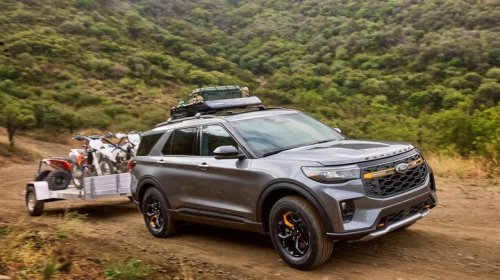
A Clear View at Risk: Ford Recalls Hundreds of Thousands of Vehicles Over Wiper DefectFord is recalling hundreds of thousands of vehicles in North America after discovering a defect in the windshield wiper system that can cause the wipers to fail, putting drivers at risk when visibility matters most. The move adds another large campaign to an already busy recall year for the company and its Detroit rivals. For owners, the announcement is a reminder that something as mundane as a wiper motor can quickly become a frontline safety issue. The recall focuses on front wipers that can stop working or detach because of faulty components, leaving drivers suddenly without a clear view of the road in rain or snow. It also comes amid a broader wave of safety actions by major automakers, from fuel system problems to incorrectly repaired components, that is reshaping how drivers think about long-term reliability. What happened Ford has identified a defect in the windshield wiper systems of several high-volume models, prompting a recall that affects hundreds of thousands of vehicles across the United States and Canada. The affected vehicles share wiper components that can wear prematurely or fail under load, which can cause the wipers to slow, seize, or detach from their mounts. When that happens, drivers can suddenly lose forward visibility in wet conditions, a scenario that federal regulators classify as a safety risk rather than a comfort issue. The company informed regulators that the defect arises from the mechanical linkages and motors that drive the front wipers. In some vehicles, internal parts can corrode or bind, which increases resistance in the system. Over time, that added resistance can overload the wiper motor or cause the arms to slip on their splines. The result is a wiper that either stops mid-sweep or fails to move at all just when the driver needs it most. Ford has said it will notify owners of the affected vehicles and instruct dealers to inspect and, if necessary, replace the defective wiper components at no cost. The repair typically involves swapping out the wiper motor or transmission assembly with an updated part that has stronger internal hardware and better protection against moisture and debris. Dealers are also expected to verify that the wiper arms are properly torqued so they do not loosen over time. This wiper campaign arrives alongside other active recalls in the Ford portfolio. Earlier campaigns have addressed issues such as fuel system defects that could cause stalling or fire, including a large action that targeted models with a potential fuel leak risk. In another case, Ford had to contact thousands of owners after discovering that some vehicles had been incorrectly repaired in previous recall work, which meant the original safety problem was still present. Canadian regulators have also logged a series of Ford and Lincoln actions that illustrate how broad the company’s current recall slate has become. Nearly 90,000 Ford and Lincoln vehicles in Canada were recently hit by five separate recalls covering issues from rearview cameras to powertrain faults. The wiper defect fits the same pattern: a component that may seem minor in isolation but that regulators treat as a direct safety concern once failure data begins to accumulate. Ford is not alone. General Motors has also been forced to respond to safety complaints, including campaigns involving Buick models. One set of actions targeted Buick recall cases tied to braking and airbag problems. More recently, GM and Ford together have recalled nearly 700,000 vehicles over various safety risks, a figure that underscores how many vehicles can be swept into a single engineering mistake. Within that context, the wiper recall reads less like an isolated misstep and more like another entry in a long list of quality campaigns that span multiple systems. The specific models and years covered by the wiper action vary by market and production plant, and owners are being directed to check their vehicle identification numbers through official recall lookup tools. Any vehicle that falls within the affected build range will be flagged for inspection and repair. Why it matters Windshield wipers rarely feature in marketing campaigns or showroom conversations, yet they sit at the center of basic road safety. When a driver loses wiper function in heavy rain, the effect is immediate and visceral. Visibility can drop to near zero in a few seconds, which forces drivers either to slow dramatically, pull off the road, or continue at risk of hitting obstacles they can no longer see. That is why regulators treat wiper failures as a safety defect rather than a maintenance issue once patterns emerge. The risk is not limited to highway driving in a downpour. City traffic, rural roads, and icy conditions can all become hazardous if the wipers stop clearing the glass. In snow or slush, a stalled wiper can allow buildup on the windshield that further traps moisture and grime, compounding the problem. For taller vehicles like pickups and SUVs, drivers may have an even harder time judging distance and lane position when the windshield is obscured, which can increase the chance of side-swipe collisions or missing smaller road users such as cyclists. From a regulatory standpoint, the recall highlights how closely agencies track component failures once complaints start to surface. When drivers report wipers that stop mid-sweep or arms that detach, investigators look for patterns in model years, production plants, and supplier parts. If they find clusters that point to a design or manufacturing flaw, they can pressure automakers to launch a recall even if the company initially frames the issue as wear and tear. The wiper campaign suggests that Ford and regulators saw enough evidence of systemic failure to justify a wide action. For Ford, the recall feeds into a broader conversation about quality control and long-term durability. The company has already faced scrutiny over other systems, such as the fuel leaks that prompted a large recall of vehicles at risk of fuel system failure, and the discovery that some vehicles were repaired incorrectly in earlier campaigns. Each new defect, even in a relatively simple system like wipers, can erode consumer confidence and raise questions about how quickly the company identifies and fixes problems. The financial impact is also real. Recalls require parts, dealer labor, logistics, and customer outreach, all of which add cost without generating new sales. When nearly 90,000 Ford and Lincoln vehicles in Canada are wrapped into multiple campaigns, the expense multiplies. The wiper action, which touches hundreds of thousands of vehicles in North America, will add another layer of cost that Ford must absorb or offset elsewhere in its operations. At the same time, the recall illustrates a kind of safety arms race among major automakers. GM’s own issues, including Buick safety campaigns and broader actions that helped push combined GM and Ford recalls to nearly 700,000 vehicles, show that no brand is immune. Consumers are left to navigate recall notices, dealer appointments, and sometimes repeated repairs on the same vehicle, which can influence future purchase decisions and brand loyalty. There is also a cultural angle. Modern vehicles are packed with advanced driver-assistance systems, from lane-keeping to automatic emergency braking. Yet a failed wiper motor can render many of those systems far less useful, because the sensors and cameras that power them still rely on a driver who can see the road. When the windshield is opaque with water or grime, even the most advanced technology cannot compensate for the basic loss of visibility. The wiper recall is a reminder that safety starts with fundamentals, not just software updates and new features. For owners, the recall raises practical questions. Some may have already noticed sluggish or noisy wipers and written it off as normal wear, especially in regions with harsh winters. Others may have experienced intermittent failures that resolved after cycling the switch, without realizing that these episodes were early signs of a known defect. The recall gives those drivers a path to a permanent fix, but only if they respond to the notices or proactively check their vehicle identification numbers through official channels. Dealers sit at the intersection of these pressures. They must schedule and perform recall work while still handling routine maintenance and new vehicle deliveries. In busy markets, that can mean longer wait times for appointments and more vehicles in service bays for safety campaigns rather than customer-paid work. At the same time, recalls can bring lapsed customers back into the dealership, where they may consider trading in an older vehicle that has seen multiple safety campaigns. Insurance and liability considerations lurk in the background as well. If an accident occurs in heavy rain and investigators find that the wipers failed due to a known defect that had a recall remedy available, questions can arise about whether the owner had been notified and whether the repair had been completed. That dynamic gives drivers a strong incentive to keep their contact information current with manufacturers and to act quickly when recall letters arrive. What to watch next The immediate priority for Ford is execution. The company must secure enough replacement parts to cover the affected fleet, coordinate with dealers, and communicate clearly with owners. Supply constraints have complicated some recent recalls across the industry, with drivers told to wait months for replacement components. If the wiper parts are in short supply, Ford could face similar delays, which would leave some vehicles on the road with known defects for longer than regulators would prefer. Regulatory agencies will be watching complaint data closely. If reports of wiper failures continue after repairs, or if similar issues appear in models that are not currently covered, the recall scope could expand. Past experience with other systems, such as the fuel system campaigns and the discovery of incorrectly completed repairs, shows that initial recall boundaries sometimes widen as new information emerges. Observers will also track how the wiper issue fits into the larger pattern of Ford and Lincoln recalls in North America. The cluster of five separate Canadian involving nearly 90,000 vehicles suggests that multiple systems, suppliers, and model lines are under scrutiny at the same time. If the wiper recall is followed by additional actions on other components, questions about systemic quality control will grow louder. On the competitive front, GM’s recall activity provides a benchmark. The company’s Buick campaigns and the shared total of nearly 700,000 recalled vehicles for GM and Ford illustrate how recall counts can shape public perception of entire brands, not just individual models. Analysts will be watching to see whether Ford’s wiper action is seen as a responsible correction or as one more sign of overextended engineering and manufacturing pipelines. For drivers, the next steps are straightforward but significant. Owners of affected vehicles will receive recall notices that explain the defect, the potential safety risk, and the free repair available at authorized dealers. Those who do not receive a letter but suspect their vehicle might be involved can use official recall lookup tools by entering their vehicle identification number. Until the repair is completed, drivers in regions with frequent rain or snow may choose to adjust their habits, such as avoiding highway travel in severe weather or allowing extra following distance in case visibility suddenly deteriorates. More from Fast Lane Only Unboxing the WWII Jeep in a Crate 15 rare Chevys collectors are quietly buying 10 underrated V8s still worth hunting down Police notice this before you even roll window down The post A Clear View at Risk: Ford Recalls Hundreds of Thousands of Vehicles Over Wiper Defect appeared first on FAST LANE ONLY.



















 +71 others