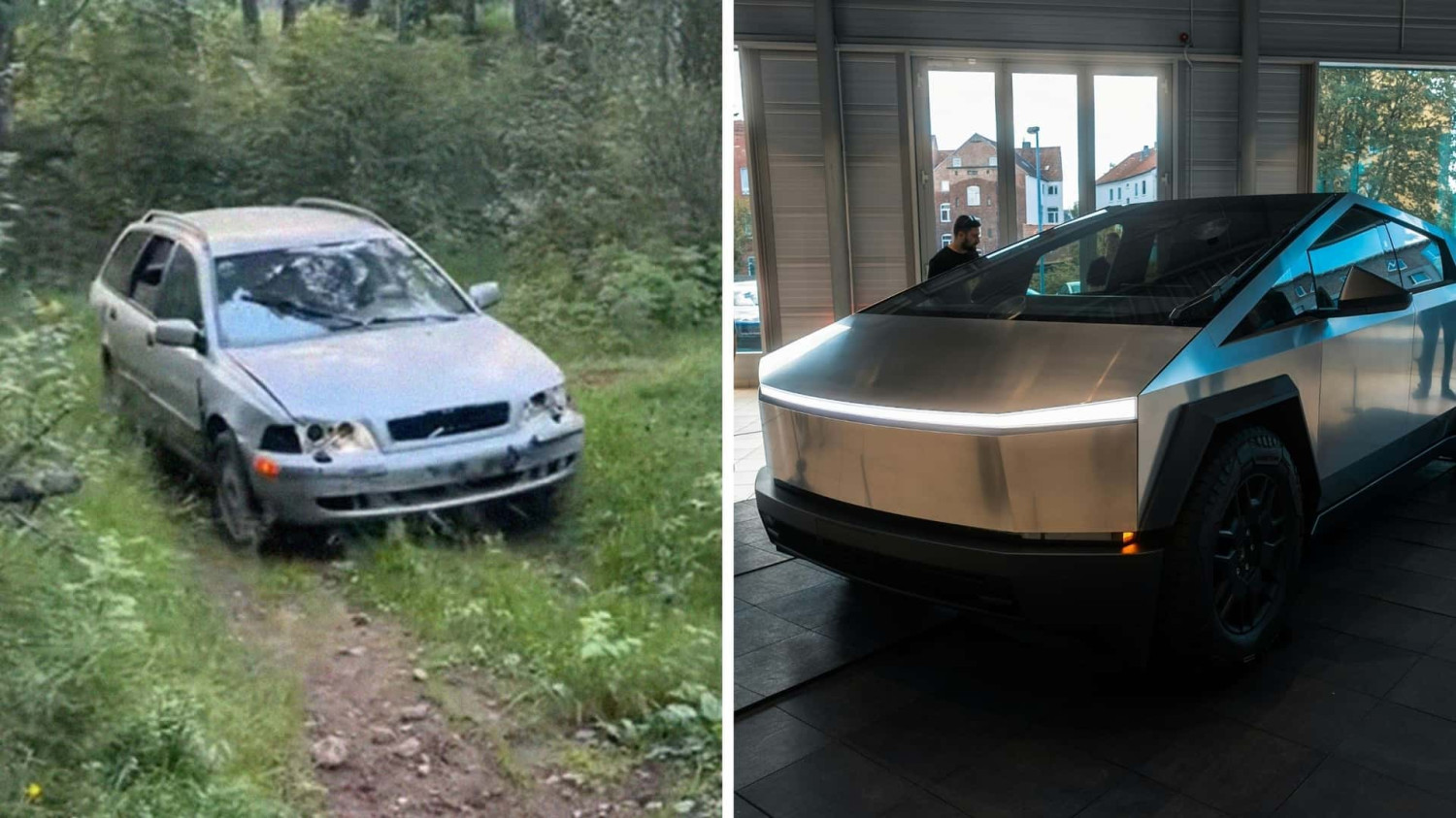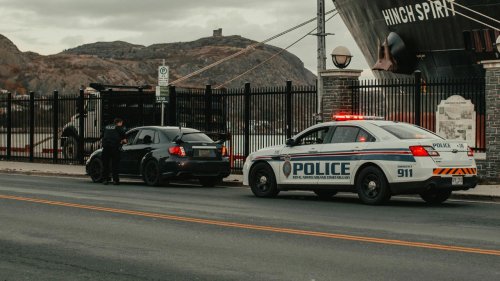


















How vehicle condition shapes police decisionsYour car sends messages long before you say a word. Dented bodywork, a cloud of exhaust, dark tint, or flashy modifications all shape how officers read risk, legality, and even your social class. Those snap judgments then feed into decisions about whether to stop you, search your vehicle, or keep chasing if you try to flee. Understanding how vehicle condition fits into that decision tree can help you predict what might draw attention, where your rights begin and end, and how to keep a routine encounter from escalating. How your car’s condition triggers a stop Traffic law gives officers wide latitude to pull you over when they see a violation. Courts have held that an officer who observes a traffic infraction may stop a vehicle even if the real motivation is to investigate something else, as long as the observed violation is genuine under the Fourth Amendment. That means a broken taillight, missing plate, or illegal tint can legally open the door to a much broader encounter. Some states go further and explicitly authorize safety-based stops. Under the Michigan Vehicle Code, a uniformed officer may, on reasonable grounds, stop a motor vehicle to inspect it and, if any defects in equipment are found, require you to repair them immediately or face penalties, according to state law. On the road, this plays out in very practical ways. Older sedans with peeling paint, cracked windshields, or mismatched body panels tend to be stopped more often than newer, clean vehicles. Training materials on traffic enforcement note that older or poorly draw attention because visible neglect often coincides with other violations like expired registration or bald tires. Class signals and suspicion Vehicle condition does not just point to mechanical safety. It also acts as a social signal. Research on traffic stops has found that officers read the age, value, and upkeep of your car as cues about your economic status and reliability. In one study, the Abstract explains that social class cues, including vehicle condition, shape how suspicion forms during stops. The same work notes that Ultimately, this study you are more likely to face discretionary searches if your car looks less valuable. That pattern holds even though searches of less valuable vehicles are Taken together, these show such searches are less likely to uncover contraband. The study also warns that if police presence is concentrated in poorer neighborhoods, you will see a greater share of low-value cars stopped simply because more signals being presented there fit that profile. In other words, a rusty 2008 Chevrolet Cobalt can change how an officer reads your intentions, even if your driving behavior is identical to someone in a 2024 Toyota Camry. From stop to search: how condition feeds into probable cause Once you are pulled over, the condition of your vehicle can influence whether an officer believes there is probable cause to search. Under the automobile exception, officers may search a vehicle without a warrant if they have probable cause to believe it holds evidence of a crime, a standard that courts have applied broadly to mobile cars and trucks, as summarized in automobile exception guidance. Probable cause often grows from what an officer can see, smell, or hear. Training materials on the Fourth Amendment in California list several Factors justifying probable, including Visible contraband or weapons and Detection of drug odors. Condition can amplify those cues. A car that smells like burnt marijuana, has loose interior panels, or shows signs of tampering around the trunk may look more suspicious if it is already in poor repair. Defense attorneys emphasize that if you can show the original stop lacked legal grounds, then Proving the stop can lead to dismissal of charges based on any search that followed. Unsafe vehicles, “fix it” tickets, and impound decisions When your car is in truly bad shape, officers may treat the vehicle itself as the hazard. Drivers describe being pulled over and told the car is too unsafe to continue. In one account, an officer gives a driver a “fix it ticket” and then requires the car to be towed from the roadway, leaving You to arrange repairs before it can be driven again. Some states link this directly to inspection rules. In California, if your car is deemed unsafe and you ignore inspection requirements, authorities warn that Potential Vehicle Impoundment becomes likely. Structural damage that affects the frame or body, such as a bent unibody or crumpled front rail, is treated as Structural harm that can weaken crash protection and influence whether an officer decides your car belongs on the road at all. At crash scenes, modifications also shape perception. Lawyers who handle collision cases warn that illegal vehicle modifications, like extreme lift kits or gutted exhausts, often create biases that slip into reports. If you drive a modified sports car and collide with a stock family SUV, officers may be more inclined to accept a story that you were speeding, as described in analysis of biases at the. How officers think about safety around your car Vehicle condition also changes how risky a stop feels from the officer’s side. Training on officer safety describes a “mitigation zone” around a stopped vehicle. The area near your doors and pillars can block sightlines and movement, so it is SAFE ZONE for either of you. If your windows are heavily tinted or your trunk does not close properly, the uncertainty grows and the officer may position you more carefully or call for backup. Impairment cues are also tied to how your vehicle moves. Guides on drunk and drugged driving enforcement describe a “vehicle in motion” phase where officers watch for swerving, delayed starts at green lights, or erratic braking, followed by a second phase that looks at your behavior and the car’s interior before any field sobriety testing. If your car is already in rough shape, weaving or inconsistent speed may be read as a sign of intoxication rather than worn suspension or misaligned wheels. When a stop turns into a pursuit Condition matters even more if you try to flee. Pursuit policies instruct officers to weigh public safety against the need to catch you. One policy manual explains that Knowing the suspect’s identity can justify ending a chase, since officers can arrest you later without risking a high speed crash. Modern pursuit guidance stresses that Necessity should be the Guiding Principle. Officers are told to ask whether the need to immediately catch you outweighs the risk to bystanders or if safer options exist, like aircraft tracking or later arrest. Local policies list specific Factors that SHALL be weighed, including the Seriousness of the crime, traffic conditions, and weather. Your vehicle’s condition fits into that risk calculus. A heavily damaged pickup with failing brakes or a compact car with racing slicks in the rain raises the odds of a catastrophic crash. Courts have recognized that a pursuit has two parts, the decision to start chasing and the physical driving that follows. In Michigan, the supreme court has described a pursuit as the decision to pursue plus the officer’s driving, and that both can matter for liability under state law, in cases such as Robinson v. City. News accounts of chases that end in violent crashes describe them as a high stakes game of cat and mouse where a fleeing driver can suddenly accelerate and flee, initiating the chase that puts everyone at risk. Departments now often require officers to terminate a pursuit if speeds exceed safe driving conditions or if the suspect’s location is known and arrest can wait, as described in policies that say policy requires officers to end chases when risk outweighs benefit. More from Fast Lane Only Unboxing the WWII Jeep in a Crate 15 rare Chevys collectors are quietly buying 10 underrated V8s still worth hunting down Police notice this before you even roll window down