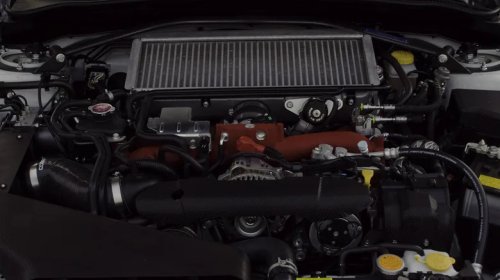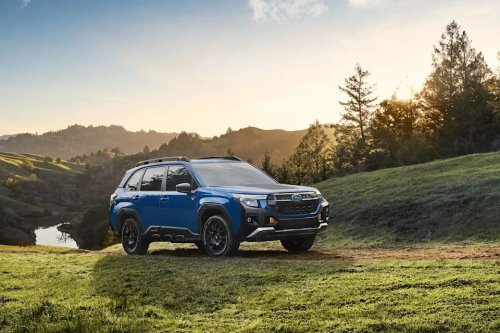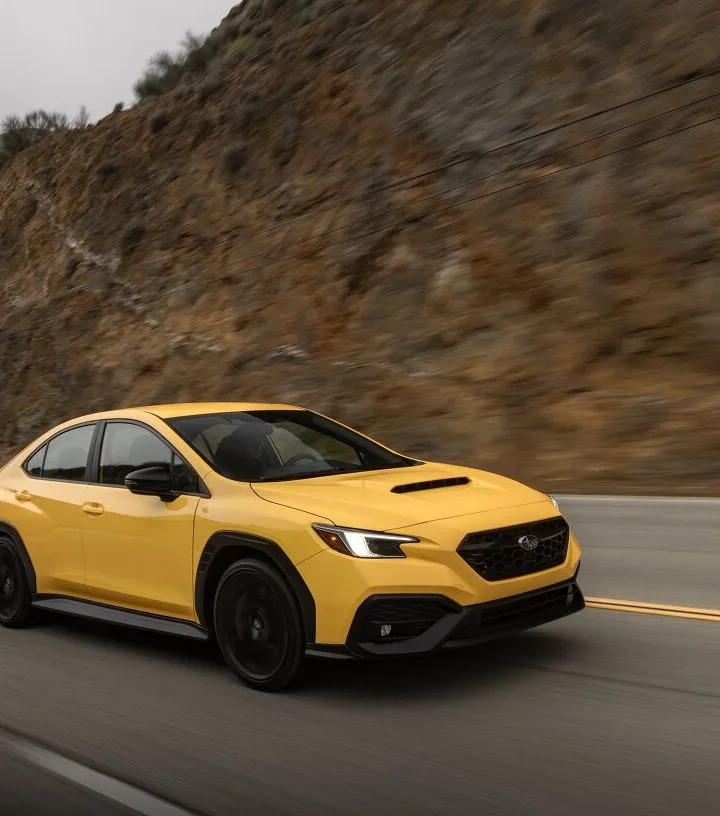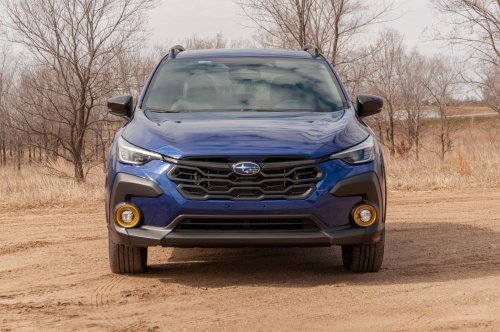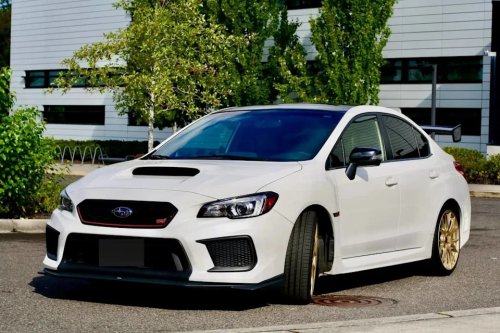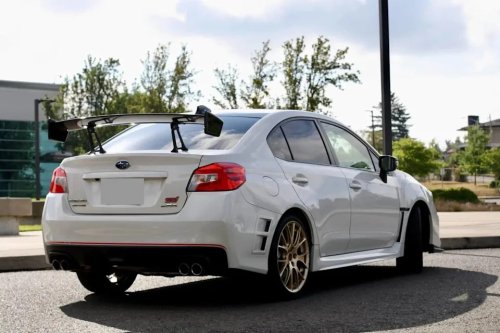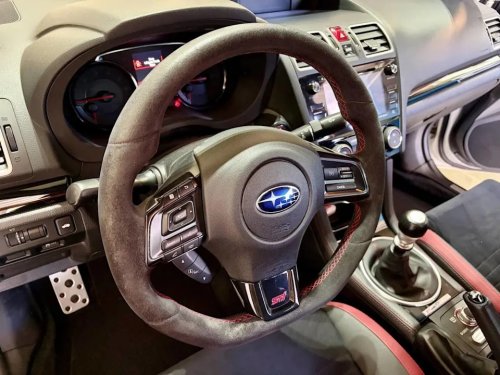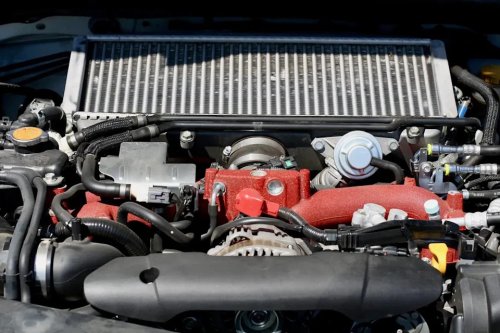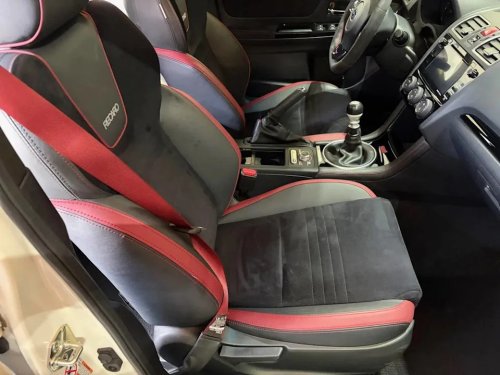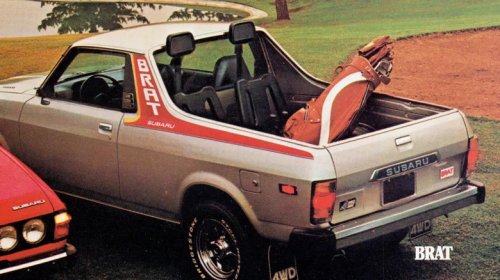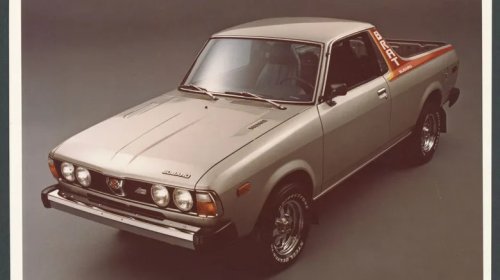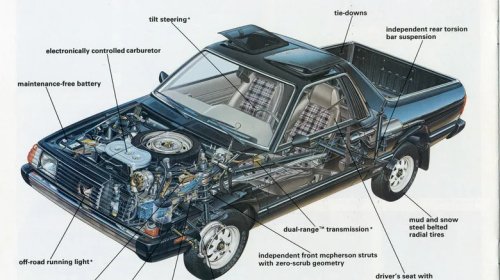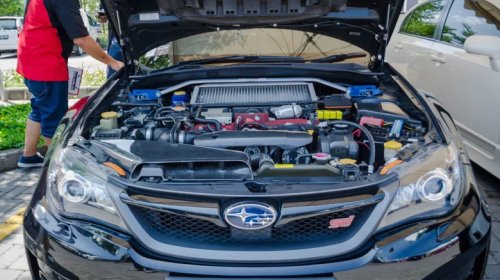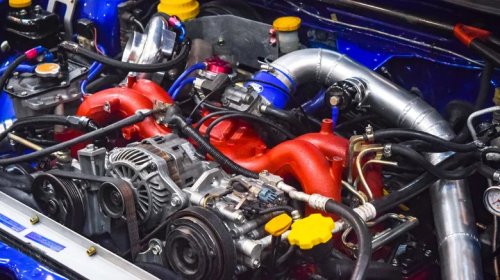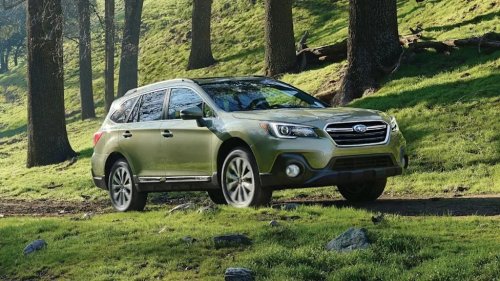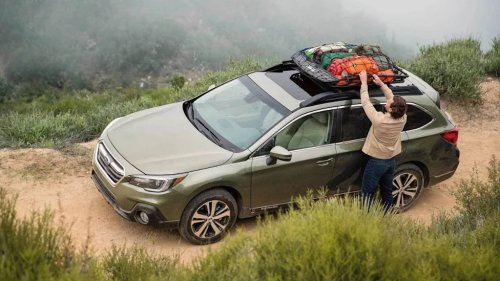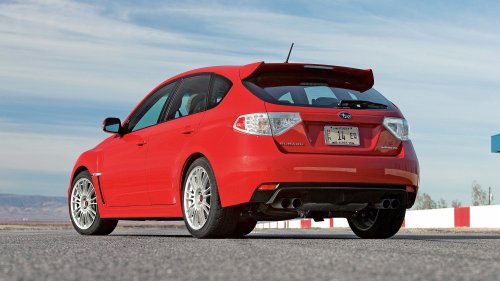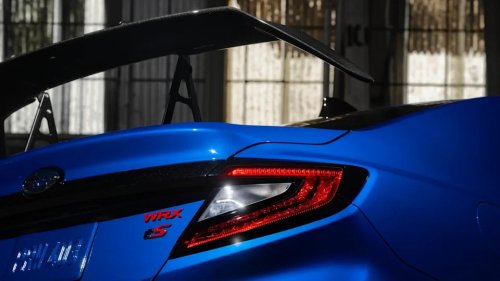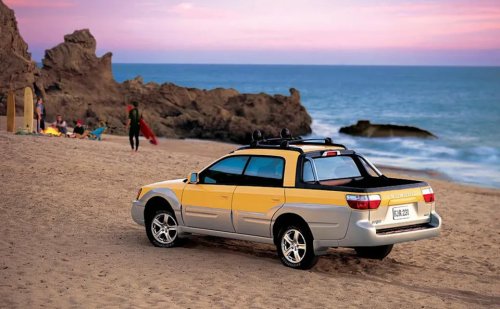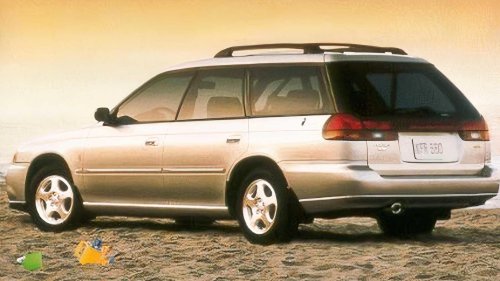
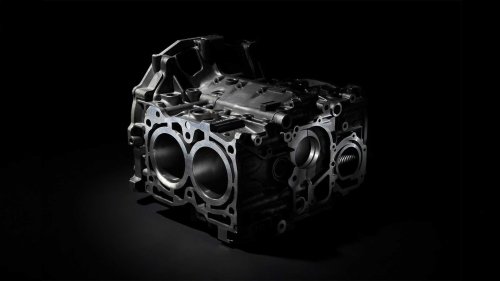
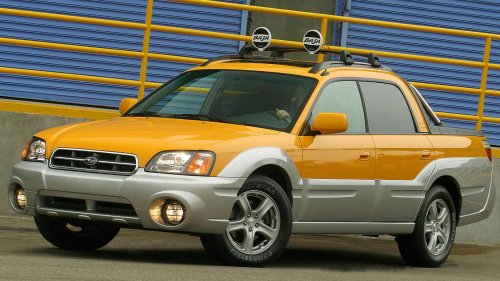
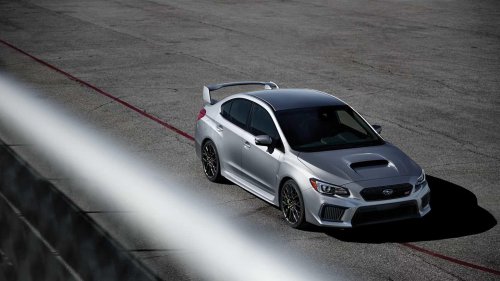
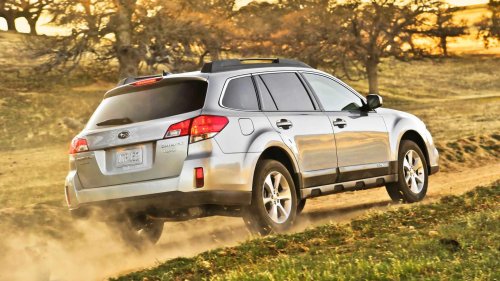
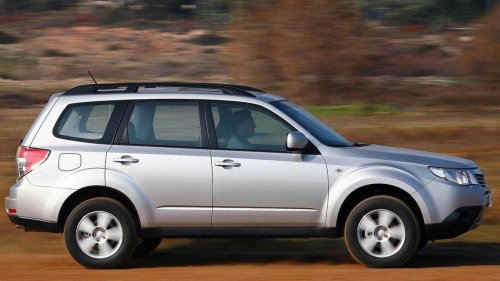
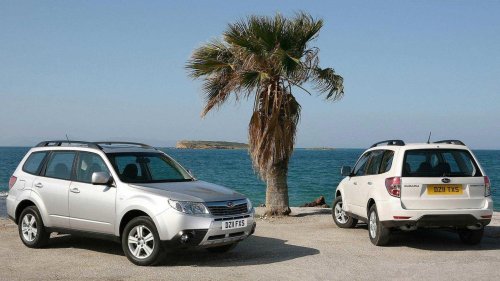



















We're on record heaping plenty of praise on Subaru for building reliable vehicles. J.D. Power backs us up on this, as does the second-hand market, with Subaru showing slower depreciation than many brands. A big part of the automaker's success in this area is the unkillable flat-fours in everything from the Impreza to the Forester. The EJ-series of boxer four-cylinder powerplants helped drive the company's success, and the EJ25 in particular played a role.Debuting in 1994, the EJ25 officially went out of production in 2021, but Subaru continues to build EJ25 service engines. You can't blame the automaker for keeping this flat-four around, seeing as it might just be the most dependable powerplant the brand ever built. The EJ25 Debuted In The US In The Late 1990s Subaru Legacy SubaruHere in the US, we got our first taste of the EJ25 engine in the 1996 Subaru Legacy, with the Legacy Outback, the 2.5GT, and the LSi models being powered by an EJ25D, producing 155 horsepower and 140 lb-ft of torque in the USDM spec version. A 165-hp variant would launch in 1997.The EJ series has been in production since the late 1980s, when the 2.0-liter EJ20 debuted in the 1989 Legacy. The intention was for the EJ to succeed the long-running EA series, which had been around since the 1960s. The EA remained in production until the mid-1990s, though, so it was more of a phasing-out than an immediate changing of the guard.The EJ engines use aluminum blocks with cast-iron cylinder liners and cast aluminum cylinder heads. The dual-overhead-camshaft design of these flat-fours makes the spark plugs difficult to service, so Subaru packed them with 80,000-mile platinum plugs to save you the hassle of taking this thing apart for constant maintenance. Subaru Packed This Engine Into Just About Everything SubaruThe EJ25 found its way into a wide range of Subarus in every segment across its nearly 30-year run. To go over some of the heavy hitters in that lineup, we can start with the 1996 Subaru Legacy Outback, the wagon that put the engine on the map for American drivers.With 7.3 inches of ground clearance and symmetrical all-wheel drive, the Legacy Outback launched the nameplate and the then-new flat-four to strong praise for its all-terrain performance, with reviewers noting the wagon's strong capabilities in even the crappiest weather.The Outback would become its own nameplate in 1999, for the 2000 model year, although it would retain the Legacy branding in Japan and Europe in the early 2000s. The Short-Lived Subaru Baja Housed A Range Of EJ25 Engines SubaruTake one look at the Subaru Baja, and you can guess exactly when this funky-looking 'ute hit the market. The Baja offered three engines in its four short model years, all variants of the EJ25.The 2003 Baja launched with a 2.5-liter EJ251, the first single-overhead-cam version of the engine to be sold in the US. The 2004 model introduced the EJ255-powered Baja Turbo, which was more in line with its rally-inspired look and feel, with 8.4 inches of ground clearance and a 0-60 time of 7.3 seconds. The 2021 Subaru WRX STI Was The EJ25's American Swan Song SubaruIn the US, the last Subaru with a factory-equipped EJ25 was the 2021 Subaru WRX STI, which would also be the last Impreza WRX STI of the first generation.When we reviewed this car for the 2021 model year, we noted that it felt a bit dated seven years into its first-gen run, but in a good way. The WRX STI doesn't give a darn about being a cushy, pothole-absorbing daily driver. It's a power-oriented hot hatch that reaches 60 mph in 4.5 seconds. You can just about count the pebbles on the road as you go, but we found that to be oddly refreshing in an era of refined sports cars that try to be everything to everyone.Subaru is still building EJ25s in limited numbers as a service engine, and the brand continues to produce replacement parts for the engine. But as far as production applications go, the EJ has been phased out in favor of the newer FB and FA powerplants. Buying An EJ25 In 2026 SubaruIf you're looking to buy an EJ25-powered Subaru in 2026, you've got plenty of models to pick from. If reliability is key, we'd recommend a third-gen Subaru Forester. The Forester switched over to FB and FA flat-fours for the 2014 model year forward, while EJs largely powered third-gens. CarComplaints shows that third-gen Foresters have far fewer complaints on file than fourth-gen Foresters.The 2013 Forester has the fewest complaints out of the entire third generation, with just 14 reports on file, and only 6 of them are for engine problems. The most concerning of these saw a driver replacing their engine at 117,000 miles, at a cost of $15,000. RepairPal estimates typical annual maintenance costs at around $650, and the car scored a 77/100 in J.D. Power's Quality & Reliability rating. A 2013 Forester Won't Suffer The Dreaded Head Gasket Issue SubaruA recurring issue with the EJ25 sees the head gaskets failing, potentially running up $2,500 repair bills, and that's if you catch the problem right away. These issues date back to 1996, occurring in the Legacy. The 1998 Foresters and Imprezas also suffered from bad head gaskets. Subaru built a multi-layer steel head gasket in 1997, but the issue continued to pop up in the EJ251, EJ252, and EJ253 variants of the powerplant. The 2000s model Subarus, including the Legacy, Baja, Forester, and Outback, all suffered the same problem, as did the 2011 Impreza.The issue stems from the rapid contraction and expansion as internal temperatures go up and down. The problem is most common between 120,000 and 150,000 miles, with early signs including engine overheating and coolant or oil leaks. The sooner you catch it, the better, as you could wind up replacing far more than just a head gasket if you put off the repair.It's worth noting that the turbocharged EF25-series engines don't seem to suffer from head gasket failure at nearly the same rate as the naturally aspirated powerplants. This means a Baja Turbo is still a viable option if you want a zippy, low-maintenance 'ute.This isn't to say that 1990s- and 2000s-era naturally aspirated EJ25s should be "avoided at all costs." If you don't mind doing a little preventive maintenance, you can swap an older EJ25's single-layer composite head gasket for a multi-layer-steel-type (MLS) gasket and save yourself a more expensive repair in the future. Here's What A 2013 Forester Costs In 2026 Subaru Checking our trending price tool, we find that a 2013 Forester with the naturally aspirated 2.5-liter engine and manual transmission starts at less than half of the original MSRP, averaging $8,368.As of the time of this writing, we're able to turn up the following listings on our own marketplace. A 143,270-mile 2.5X Premium is selling for $6,499 in Florida. A 229,527-mile 2.5X is selling for $5,799 in New Jersey. A 92,500-mile 2.5X Premium is selling for $9,450 in New York. A 70,288-mile 2.5X is selling for $9,995 in California. A 94,723-mile 2.5X is selling for $10,995 in New York. These listings are provided only as examples. There's no telling what might be available by the time you're ready to buy.According to these numbers, we would advise looking for a vehicle with fewer than 100,000 miles on the odometer, preferably priced under $10,000. These engines can last a lifetime with proper care, but at a quarter-million miles, you're taking a big risk on the previous owner's maintenance habits. On that note, anything over $11,000 is highway robbery for a 13-year-old Subaru with nearly 100,00 miles on the odometer. So budget $10,000, and look for five-figure odometers.If you want to have a little extra fun, the 2013 Subaru Forester was also available with a turbocharged EJ25, cranking out 224 hp and 226 lb-ft of torque through a four-speed automatic transmission. You'll likely have fewer mechanical hiccups in the naturally-aspirated Forester, but a 54-hp power boost is hard to resist.