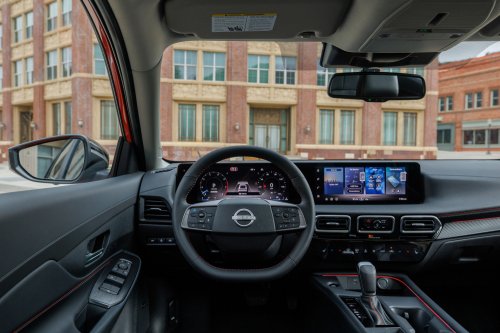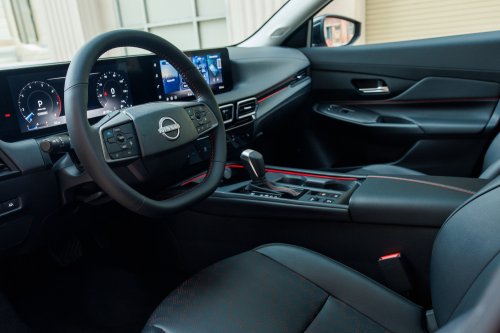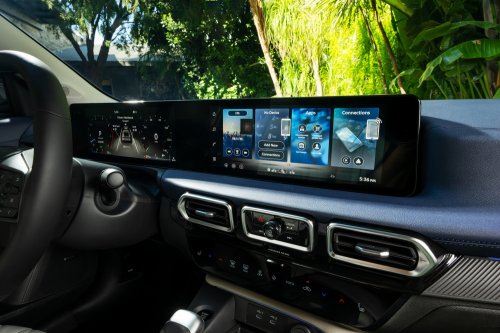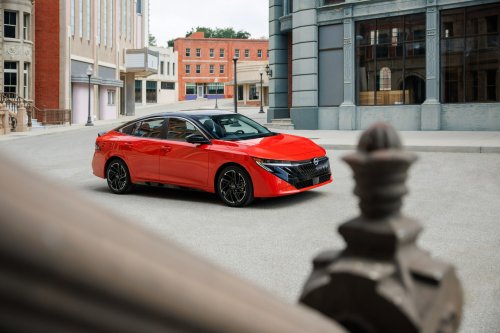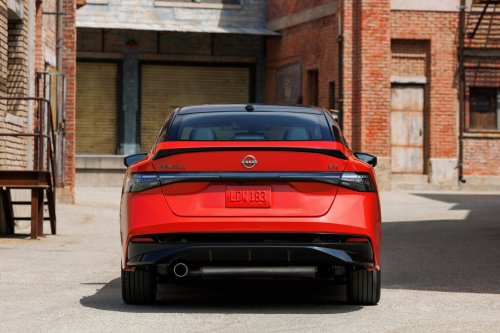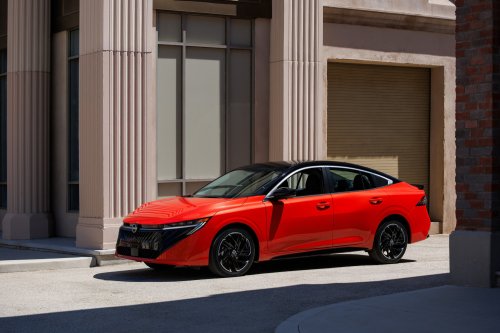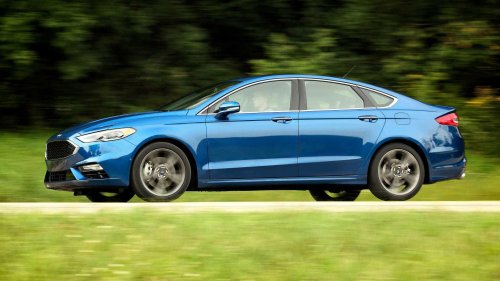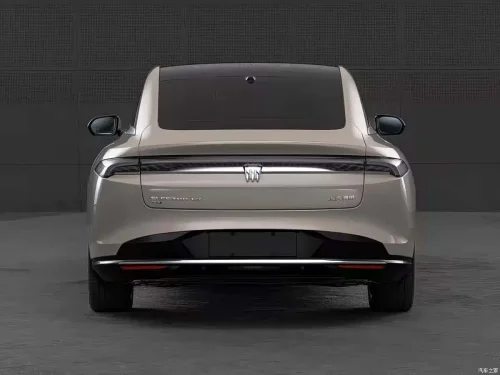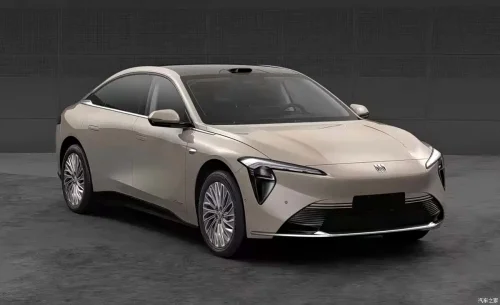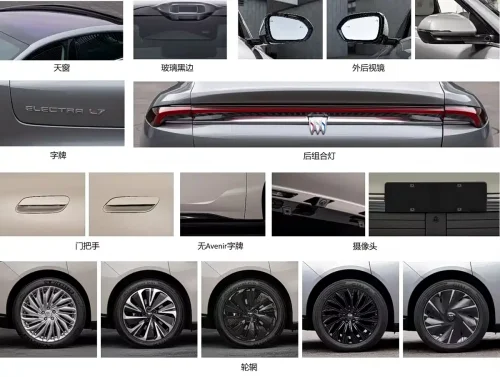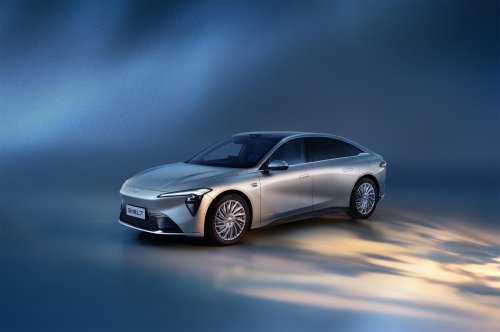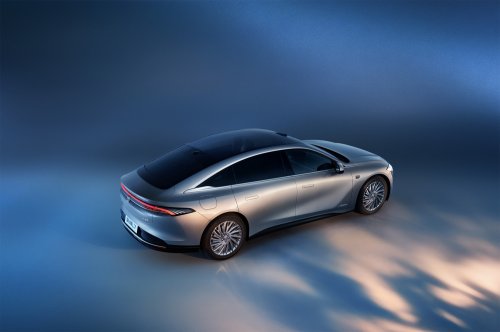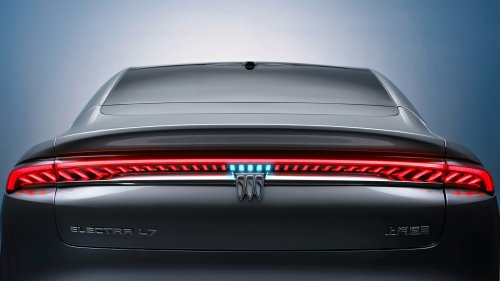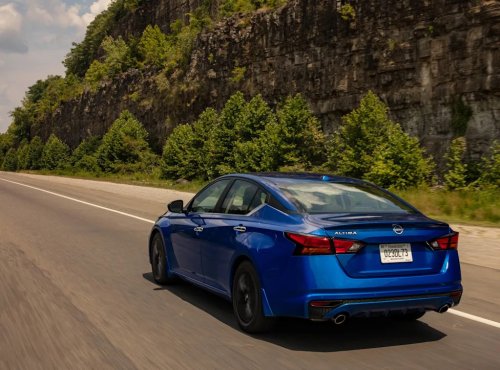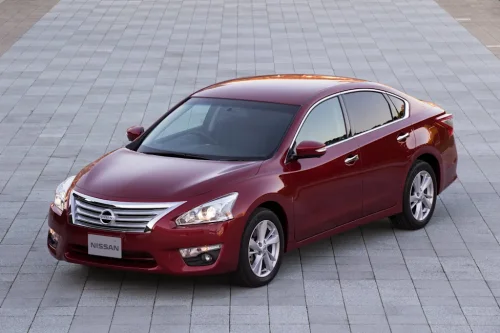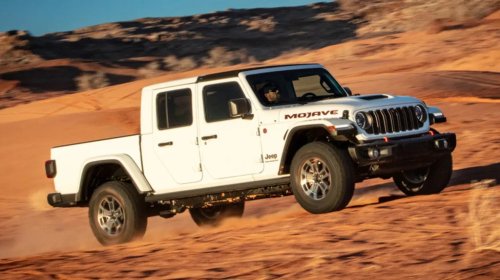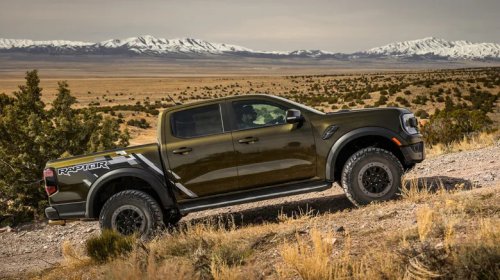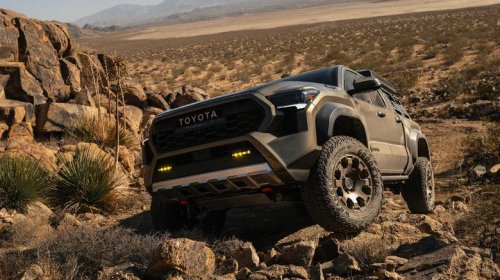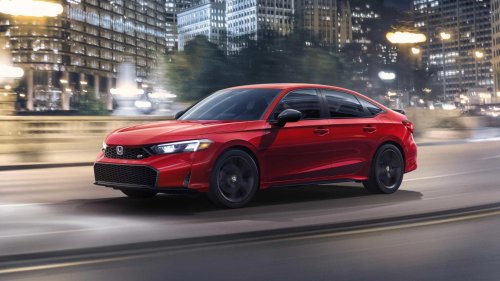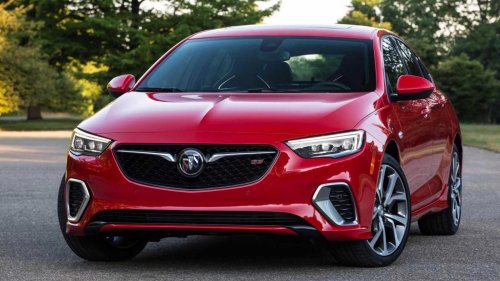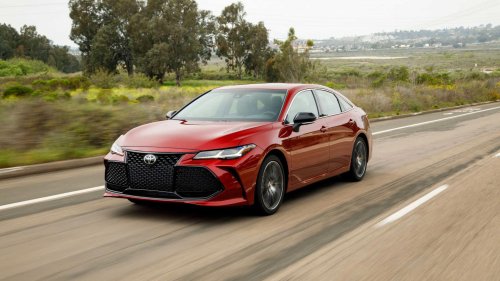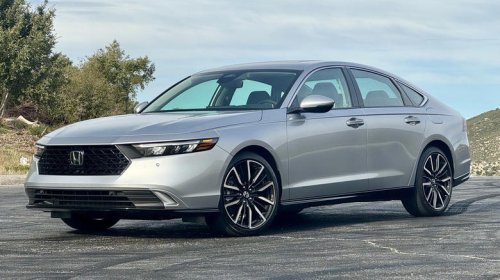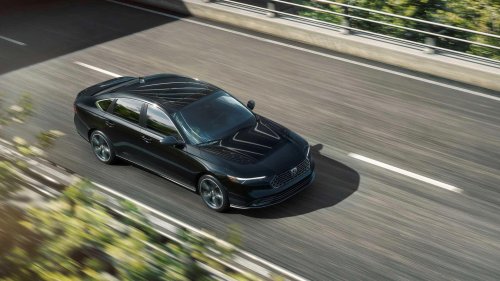
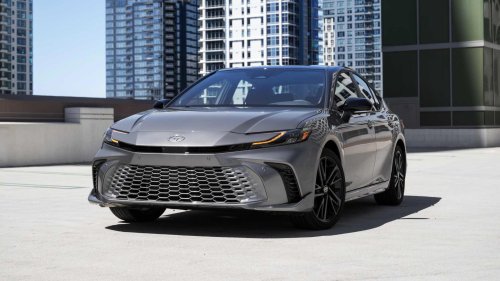
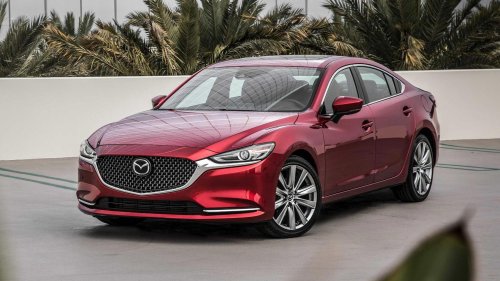
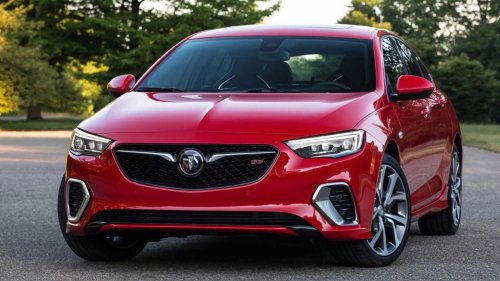
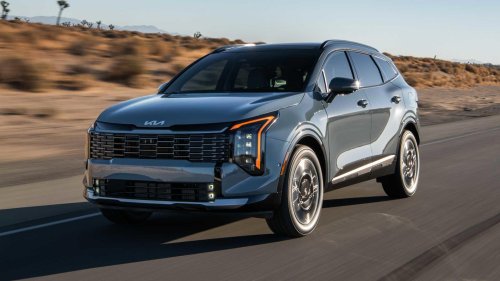
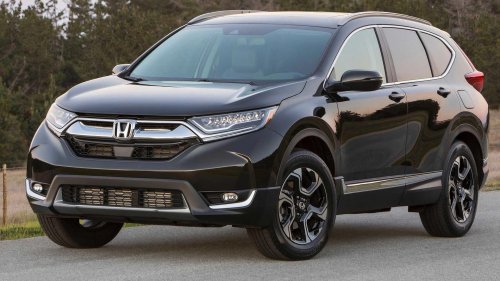
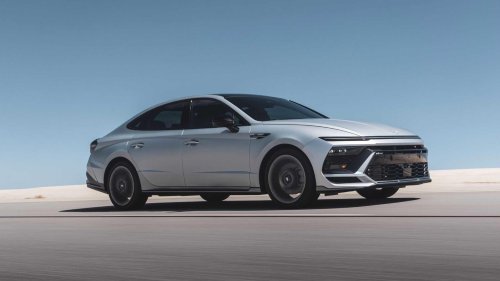



















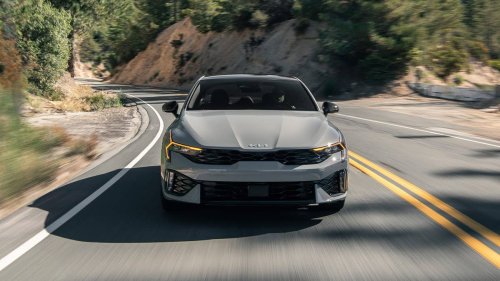

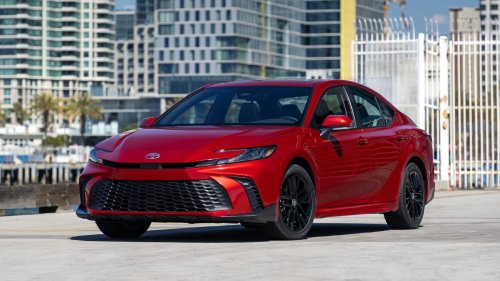



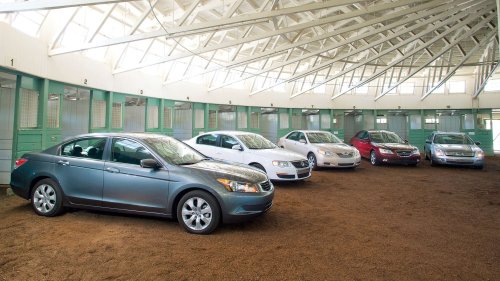
Corporate greed is a term reserved for the worst of the white-collar crimes. When mean, nasty companies are caught stealing candy from babies or suing the people who protest against new construction. Something more in our wheelhouse is the case against the automakers killing the affordable midsize sedan in the United States.We promise not to overplay our violin or recruit Sarah McLachlan to sing as we discuss this silent epidemic amongst automakers. But we implore you, readers, for just the low, low price of one Honda Accord, you can do your part to keep the affordable sedan alive. This segment is slowly fading in America as crossover prices have overlapped with sedans, and personal preference has shifted toward more for the money spent. Current State Of The Midsize Sedan Market HondaAmong the scapegoats for the beloved midsize sedan's fading popularity is the American public. Speculation about changing preferences has led people to opt for crossovers that can “do more” than a sedan can, or to buy them because they offer more room than a sedan would for the same price. There is some truth to these claims, as the data certainly shows that consumers today favor crossovers over sedans.Right now, we can see this with the Honda Accord and CR-V. The Accord has been in steady decline for over 10 years since its peak in 2014, whereas the CR-V has increased in that time.The Accord’s recent sales peak in 2014 was its last as the CR-V quickly caught up and passed it just two years later. Last year, Honda sold a quarter-million more CR-Vs than Accords in the US, a stark change from just a decade ago.ToyotaThe Toyota Camry is slowly trending upwards, while sales of other sedans have plummeted from their respective peaks. As for four-door cars that have been axed, the Chevrolet Malibu was not suffering as greatly as it might have seemed. Sales were on the uptick from a dreary 2020 that affected all brands, but General Motors still discontinued it after the 2025 model year, leaving the Cadillac CT4 and CT5 as the last two sedans made by GM.Shifts in preference aren’t the only factor, however. As these models were axed, no replacements were showing up, nor were owners likely to switch brands for the sake of staying in a sedan. Owners who developed brand loyalty would have stayed in-brand for their next vehicle and move into something at a similar price, which would likely become a crossover.Here are the average changes in sedan sales year-over-year from mainstream automakers compared with popular crossovers that overlap in pricing:Sadly, our plea to buy sedans over crossovers has been disregarded. Nissan saw large declines in Altima sales at the same time the Rogue was experiencing volatile sales shifts, resulting in an average increase over 10 years of just half a percent. The Kia Sportage is the most improved model in this example, with an average increase of 18%, while its sedan sibling, the Optima (later K5), slipped an average of 5%.As sedans declined, crossovers became increasingly popular. The Hyundai Santa Fe skyrocketed starting in 2013, when it was redesigned and priced competitively enough to overlap with the Sonata, which it would start looking better than in sales just a few years later, ending with it besting the sedan overall. While the Camry might be the only sedan on the market at the foothills of a small increase, it’s not exempt from seeing an average decline of 3% year-over-year compared to the RAV4, which has grown steadily. Mourning The Dearly Departed Mazda Across the board, the sedans listed above saw peak sales in or around 2015, and ten years ago, the sedan market looked vastly different from what it does today. General Motors offered a slew of sedans, two of which fell into the category of today’s topic, along with Mazda, Volkswagen, Chrysler, Ford, and Subaru.The sedans from these brands, save for the Malibu, were staring death in the eyes for the few years leading up to their respective demise. The story is no different than before: with crossovers becoming vastly more popular, consumers wanted to stretch their dollar as far as they could. Chrysler is the oddball, as owners of the 200 could have either moved into the larger 300 for some time after, or, if they didn’t want a minivan, had to start looking elsewhere.Ford spoke out after it axed sedans from its lineup, citing the financial strains on the company from offering less-profitable vehicles as the reason. Sedans were not making as much money as models with higher profit margins, like crossovers, pickups, and SUVs, and were not as popular as its other offerings.BuickGeneral Motors followed suit, but kept almost exclusively to Cadillac, where, as luxury vehicles, they would garner higher profits per unit sold. Volkswagen and Mazda, after discontinuing the Passat and Mazda 6, still offered smaller sedans and hatchbacks, such as the Jetta, Golf, and Mazda 3.Consumer preference accounts for only a third of the opposition to the midsize sedan; the other two are pinned on the manufacturer for penny-pinching. Similarly, the manufacturers that bowed out not only chose to save themselves from bleeding by stopping production of low-margin products like sedans. They decided to avoid changing fuel-economy standards by exploiting a legal loophole that dictates which types of vehicles are allowed on our roads. CAFE Standards And Legal Loopholes KiaThe federal government has its own definitions for the types of motor vehicles allowed on US roads. If you’re like your author and thought the lingo we civilians use was interchangeable jargon, you would be wrong. “Passenger automobiles” and “non-passenger automobiles” are the two legal definitions automakers use to classify their vehicles.Crossovers, a term that came around in the 2000s to describe vehicles riding on sedan platforms with larger cabins and higher ground clearance, are where things get weird. They can sometimes be classified by the US government as non-passenger vehicles or even “light trucks,” despite the odd legalese complicating matters. The requirements for a car to be classified as a non-passenger vehicle include satisfying at least one of the following requirements: Transport property in an open bed Has four-wheel drive Any of the following dimensions: Approach angle of no less than 28 degrees Breakover angle of no less than 14 degrees Departure angle of no less than 20 degrees Running clearance of no less than 20 centimeters Front and rear axle clearances of no less than 18 centimeters each Some crossovers that don’t automatically qualify based on their dimensions are lumped in with the big leagues based on other qualities. In some cases, the front-wheel-drive versions of certain models qualify as passenger vehicles, whereas the all-wheel-drive models do not. This is the case for previous-generation FWD and AWD Honda CR-V models, an interesting anomaly first brought to light by the US Energy Information Administration.Fuel economy standards differ between the two classifications, creating greater rifts on paper despite more similarities in reality. When President Biden’s administration pitched new Corporate Average Fuel Economy (CAFE) standards, the aim was for a combined 50.4 MPG.Honda In 2024, the National Highway Traffic Safety Administration (NHTSA) released the Biden Administration’s proposed standards for passenger cars and light trucks, as seen in the table above. The NHTSA has also released the Trump Administration’s proposed changes: How Doomed Is The Midsize Sedan Market? Hyundai If the double whammy of consumer preferences and the exploitation of loopholes continues, the outlook isn’t good. However, automakers like Toyota have reason to keep the Camry nameplate alive as it’s still one of the strongest-selling vehicles on offer. Most sedans in the segment have heavily adopted hybrid powertrains to meet CAFE standards for passenger cars, except for the Nissan Altima, which had its life extended into 2026 after originally being canceled for 2025.GM announced a Buick sedan while promising another generation for the Cadillac CT5, but those will be larger and more expensive than an Accord or Camry. It seems that if we do our jobs right and get people in sedans, this segment might stay alive a little longer to satisfy customer preferences rather than cushion the bottom line. To appeal to the youngest generation of car buyers: stick it to the man, buy a sedan. And if that adage doesn’t stick, we’re deploying the editors to sing In the Arms of an Angel at your doorstep.Sources: Honda, Toyota, Hyundai, Kia, Nissan, Good Car Bad Car, Car Figures, Vox, Code of Federal Regulations, US Energy Information Administration