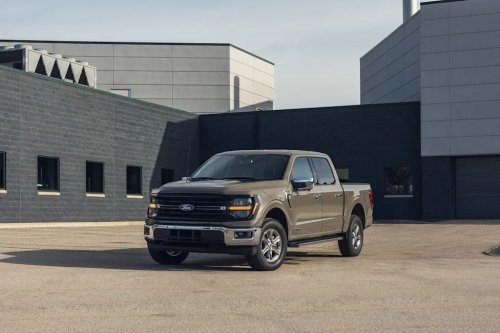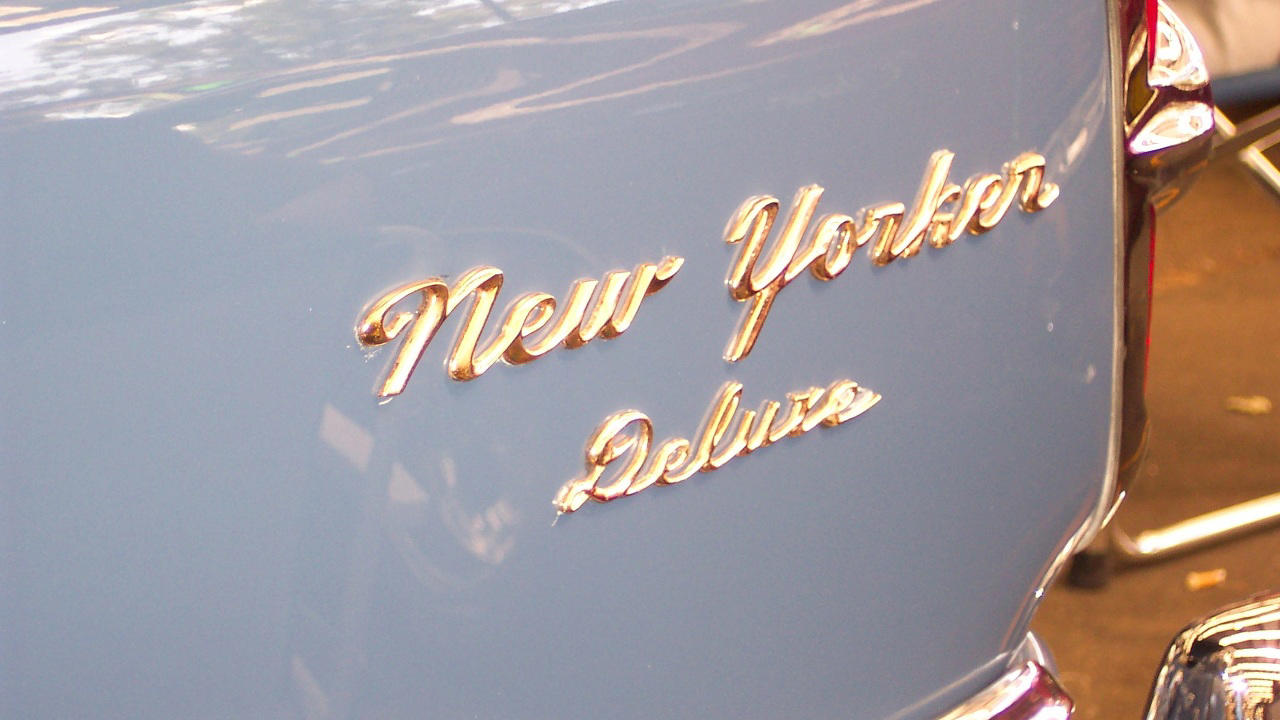

















From the first motorcars that displaced White House carriages to armored limousines that reshaped security, presidential vehicles have always been rolling symbols of power and personality. The most memorable machines do more than move a commander in chief from point A to point B, they capture a moment in American life and broadcast it to the world. Here are some of the most iconic rides ever piloted by U.S. presidents, and what they reveal about the eras and leaders they served. From carriages to convertibles: early presidential icons The presidency’s relationship with the automobile begins in earnest with President Taft, who turned the White House from a stable yard into a garage and made the car a permanent part of presidential life. His decision to bring motor vehicles onto the grounds, replacing horses with internal combustion, signaled that the office would embrace new technology rather than trail it, a shift that later accounts of White House transportation credit with opening the door to everything from touring sedans to modern SUVs. Later, as automobiles became cultural objects as much as tools, presidents began choosing cars that reflected their own tastes as well as the country’s aspirations, a pattern that shows up in lists of iconic cars U.S. presidents drove. By the mid twentieth century, the presidential car had become a stage set for history, and no vehicle illustrates that more starkly than the Lincoln convertible in which John Kennedy rode through Dallas. Curators who track presidential vehicles describe that Lincoln as the most famous of all, not because of its engineering but because it was the site of Kennedy’s assassination and the end of an optimistic chapter in American politics. Later reporting on presidential limousines notes that experts still single out that Lincoln as the defining presidential car, a reminder that sometimes a vehicle becomes iconic not for what it was designed to do, but for what history did to it. Everyman wheels: Truman, Clinton and the power of relatability Image Credit: sv1ambo, via Wikimedia Commons, CC BY 2.0 Some of the most memorable presidential rides are not official limousines at all, but personal cars that helped future presidents connect with voters as ordinary drivers. Harry Truman’s taste in automobiles illustrates this perfectly, from his 1953 Chrysler New Yorker, often cited among the top presidential cars, to the Ford Super Deluxe Tudor Sedan he used as a symbol of postwar normalcy. Accounts of Truman’s Ford Super Deluxe Tudor Sedan emphasize that it carried meaning beyond its sheet metal, representing a modest, working American car at a time when the country was trying to reset after global conflict. When later commentators rank Truman’s 1953 Chrysler New Yorker at the top of presidential car lists, they are really highlighting how his choices fused middle class practicality with the dignity of the office. Decades later, Bill Clinton’s 1967 Ford Mustang played a similar role in shaping his public image, even though it never served as an official state car. Before he entered the Oval Office, Clinton had the Mustang fully restored, and he spoke about it often enough that the car became shorthand for a certain baby boomer nostalgia and love of classic Detroit iron. Coverage of the coolest cars owned by U.S. presidents notes that Clinton’s Mustang, with its inline six engine and distinctive Clearwater Aqua paint, stands out precisely because it feels like the kind of car a regular enthusiast might cherish. In both Truman’s sedans and Clinton’s pony car, the vehicles are iconic not for their exclusivity, but for how they shrink the distance between the president and the people watching from the curb. Armored legends and the modern presidential fleet As security threats evolved, the presidential vehicle shifted from open parade car to rolling fortress, and that transformation produced some of the most recognizable machines in modern politics. The Lincoln that carried John Kennedy is again the pivot point, because its vulnerability led directly to a new generation of heavily modified limousines that prioritized armor, bullet resistant glass and controlled access over visibility. Analysts who trace the history of U.S. presidential limousines describe how that shift culminated in vehicles like “The Beast,” a nickname for the current generation of armored Cadillac that now serves the president. Museum collections of historic presidential cars underscore the contrast, displaying earlier open cars alongside later armored sedans to show how the job’s risks reshaped its transportation. Even as the official fleet has become more secretive and standardized, presidents continue to be associated with specific vehicles that capture their governing style or personal brand. Modern accounts of presidential rigs point out that recent occupants of the office have favored trucks and SUVs, including F Series Ford pickups, to signal solidarity with rural and working class voters. Lists of iconic presidential cars now mix these personal choices with the official limousines, reflecting a reality in which the president is both a protected head of state and a highly managed public persona. The result is a gallery of vehicles that range from stately Lincolns to humble sedans and brightly painted Mustangs, each one a snapshot of how American leaders want to be seen, and how history ultimately remembers them. More from Fast Lane Only: 10 underrated V8s still worth hunting down Police notice this before you even roll window down