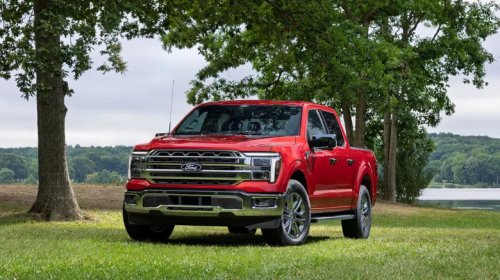
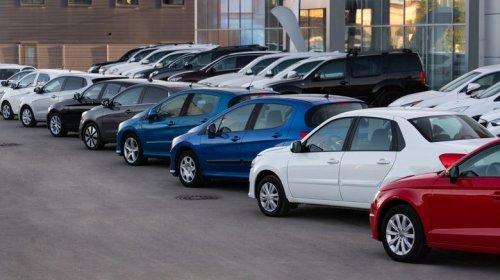
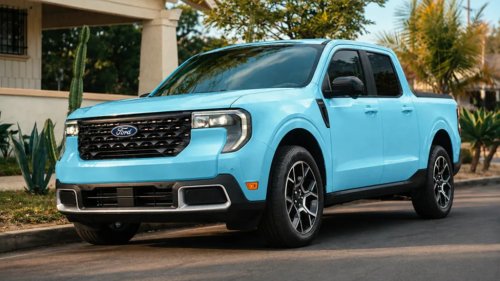
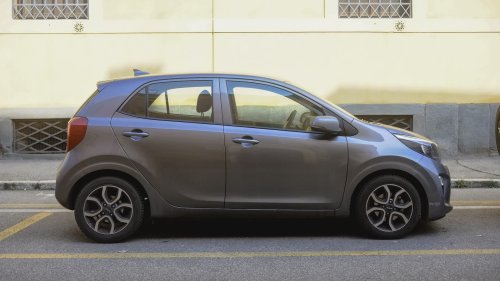
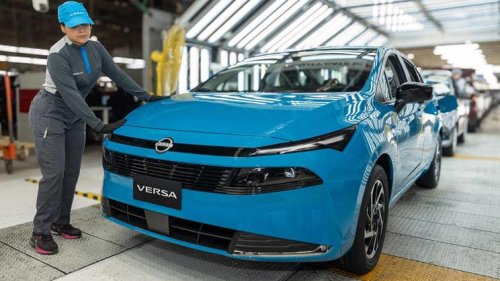
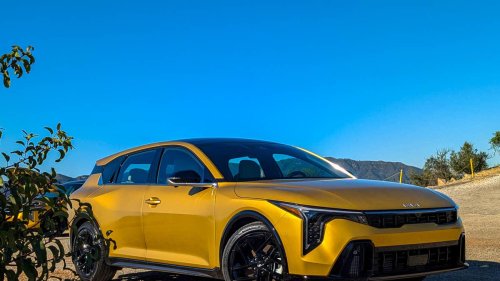
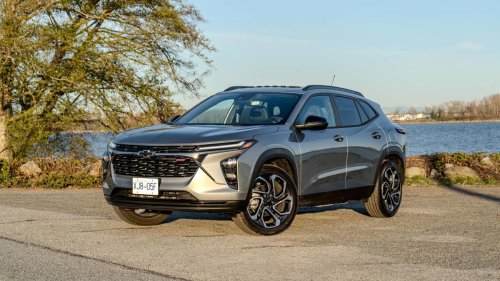
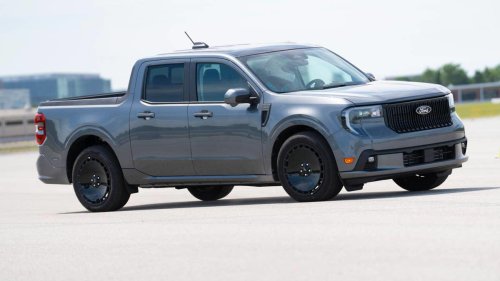
If you’re on a tight budget but determined to buy something new you might get lucky and still find a Nissan Versa on your local dealer lot. The last new vehicle available in the U.S. for less than $20,000, the Japanese automaker decided to pull Versa from production late last year, pointing the finger at the Trump administration’s tariffs on imported autos which would have driven the price out of reach of most buyers.At a time when average transaction prices – factoring in MSRP, options and discounts – are nudging a record $50,000, the number of affordable automobiles has dwindled down to a precious few, less than a score of options under $30,000. And a number of those may soon vanish, industry insiders warn, in large part due to not only those tariffs but the administrations plan to renegotiate the U.S.-Mexico-Canada Agreement. That trade deal means a number of low-priced models have been able to benefit from lower production costs – particularly in Mexico – and then enter the States duty free. With the USMCA now up for renegotiation, however, that may not be the case much longer. A new report says several manufacturers have told the White House they might be forced to drop base models entirely since tariffs would price them out of reach for entry buyers. Shifting production to the States would likewise raise costs too high.The Last of a Dying BreedAverage transaction prices, or ATPs, have been running around $50,000 in recent months, according to Kelley Blue Book. The average auto loan is now $806 a month, with a record number of buyers topping $1,000 and stretching payments out for as much as 84 months, according to J.D. Power. That’s driven millions of Americans out of the new vehicle market. Some buyers are still determined not to go used, however, and the Nissan Versa was, for them, a popular pick until recently. Equipped with a manual transmission, it started at just $17,190, the last product on the market with an under-$20,000 MSRP. The closest you now can come is the 2026 Kia K4 LX starting at $23,535, including destination fees. The Nissan Sentra S is next on the list at $23,845, followed by the Hyundai Elantra SE at $23,870.But how long they’ll be around is far from certain. Tariffs are “killing our affordable cars,” Nissan Americas Chairman Christian Meunier told the Wall Street Journal. The WSJ also noted that a group of foreign automakers have tried to sway the White House by warning its policies – and the threat of dumping the USMCA – could wipe out the affordable automobile segment entirely.What Models Are at Risk? It’s not just Mexican-made products that could go away, according to Sam Fiorani, Vice President of Global Vehicle Forecasting for AutoForecast Solutions. The endangered species list also includes a number of models from South Korea. Among the most at-risk models:The Chevrolet Trax and Buick Encore GX crossovers, both imported from Korea;The Mexican-made Mazda CX-30 and Nissan’s Sentra and Kicks models;Several products from the Hyundai Motor Group, including the Mexican-made Hyundai Accent and Elantra, as well as the Kia K3 and K4, the latter being their largest-selling U.S. model.There are still other low-cost models that, at the very least, likely to remain in production but at significantly higher prices, said Fiorani. That includes the Mexican-made Ford Maverick, the Detroit automaker’s base product line. The current sticker price could go up “dramatically,” depending upon how USMCA negotiations turn out, he told Autoblog. “But I can’t imagine Ford pulling it from the market” because of the high volume of Maverick sales.Between a Rock and a Hard PlaceOn Wednesday, Ford CEO Bill Ford praised the president’s push to increase U.S. manufacturing. But the executive has also expressed concerns about the administration’s frequent policy shifts. . “We can adapt to almost anything except uncertainty. And unfortunately, where we are right now is there’s nothing but uncertainty,” Ford Chairman Bill Ford said regarding Trump automotive trade policies during the Mackinac Policy Conference on Michigan’s Mackinac Island in May 2025.While Ford is expected to retain the Mexican-made Maverick, prices could also rise "dramatically" if major changes are made to the trilateral USMCA trade agreement. Some of the biggest uncertainties center around trade policies, and a number of manufacturers have expressed concerns that changes to the USMCA could disrupt the decades-long evolution of the industry’s North America manufacturing network which sprawls across the borders between the U.S., Canada and Mexico.For his part, White House spokesman Kush Desai insisted the administration is ready to provide “breathing room” to help automakers adapt to what’s coming. But, he stressed, “Automakers who want to sell to American drivers need to come to terms with the need to reshore their manufacturing back to the United States.”The challenge, industry officials have warned, is that such a shift is likely to drive up prices and, in turn, drive down sales. If that happens it could defeat the White House goal by reducing U.S. jobs.



















 +66 others