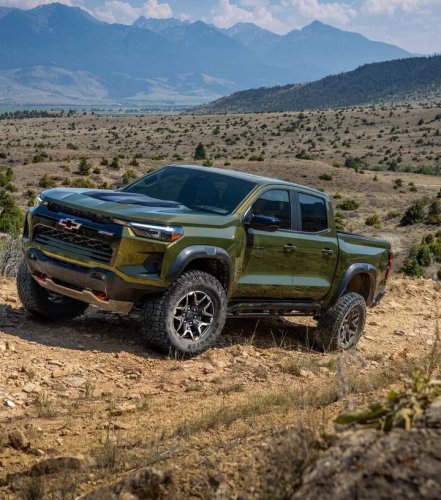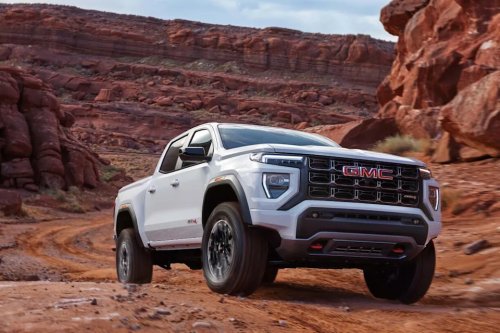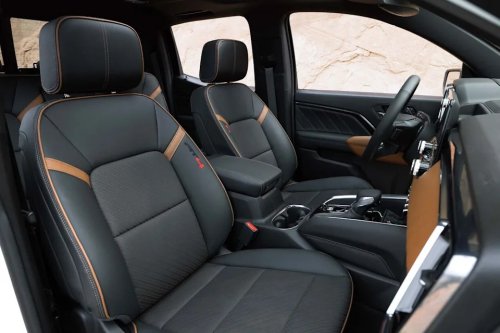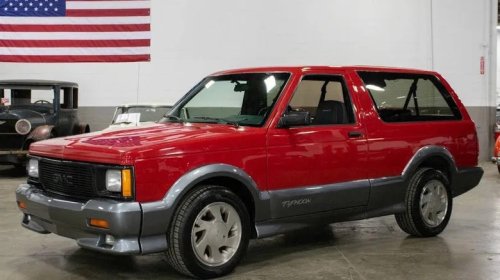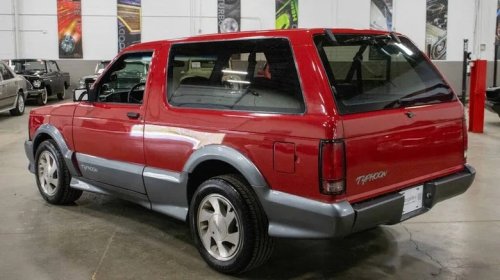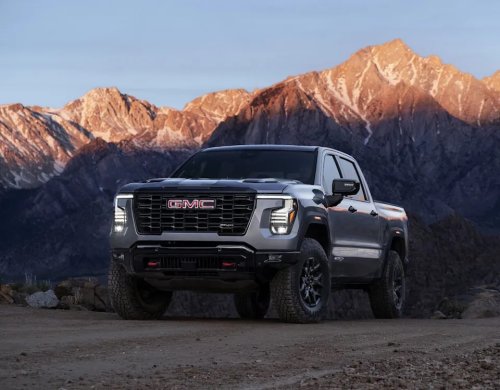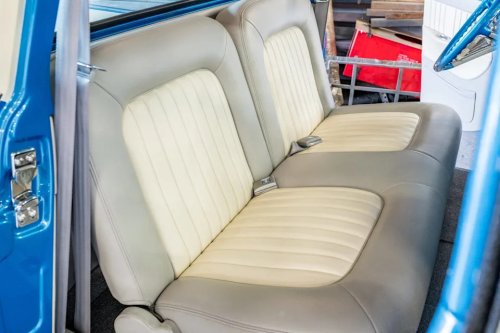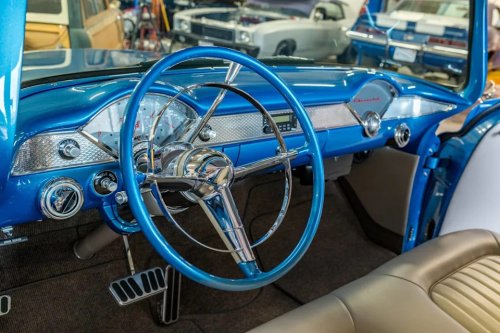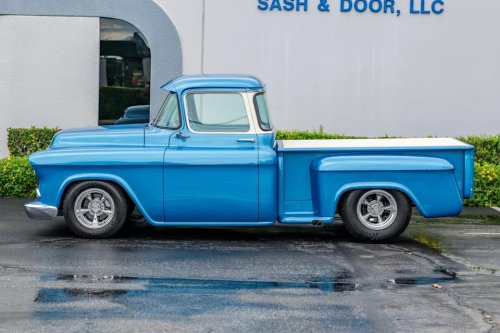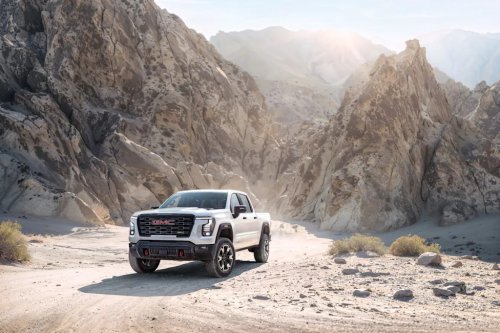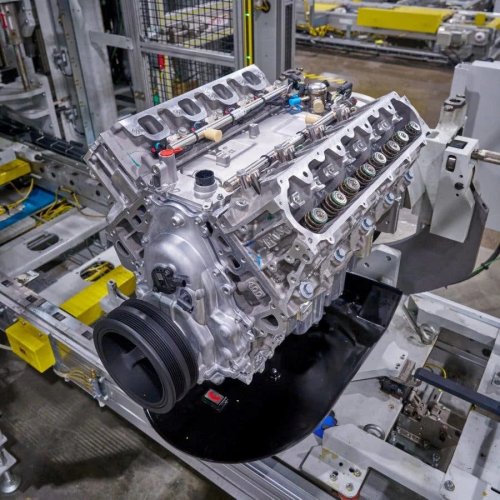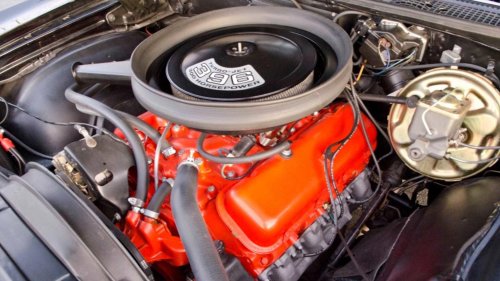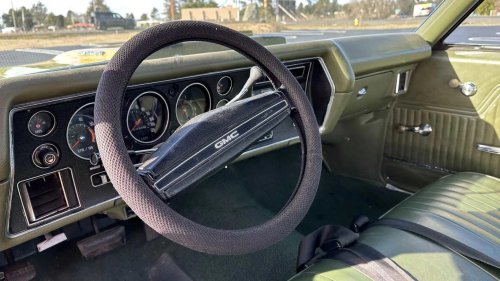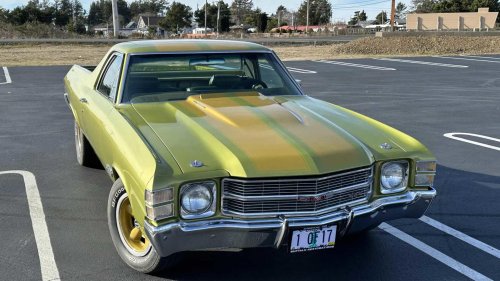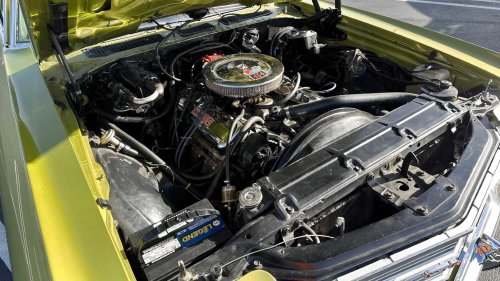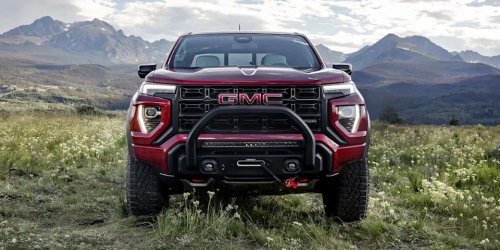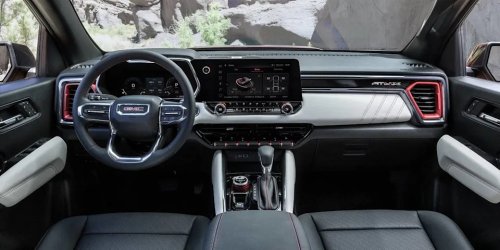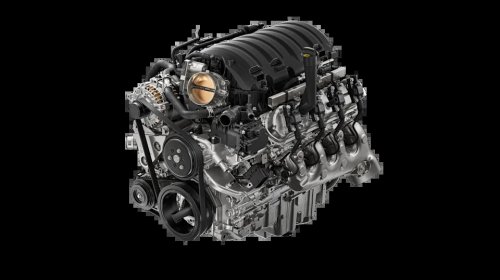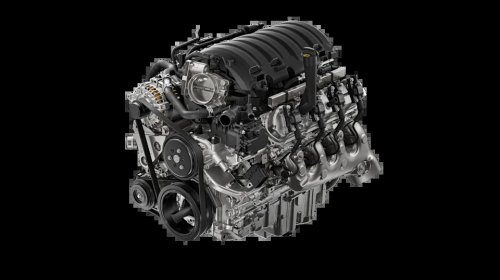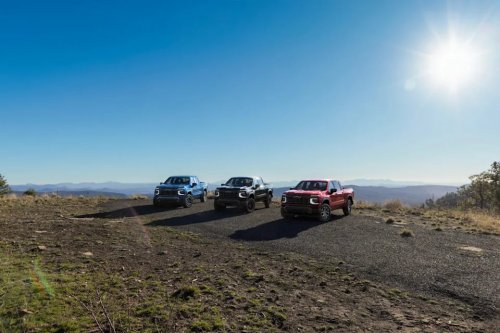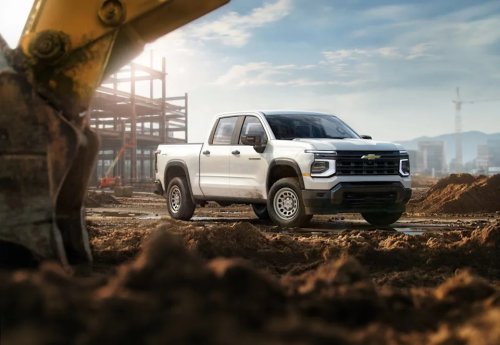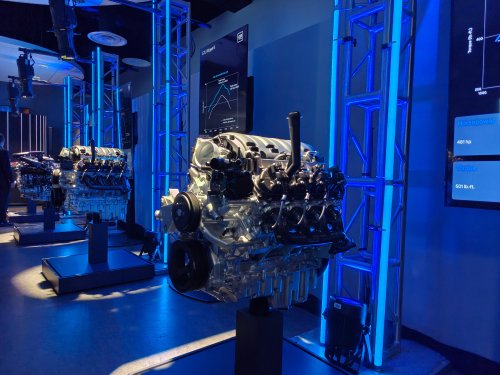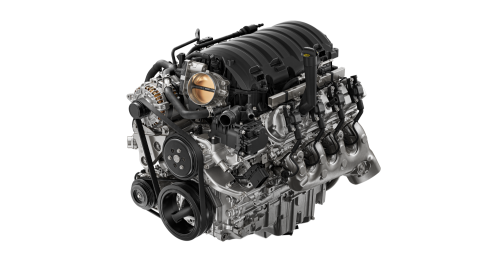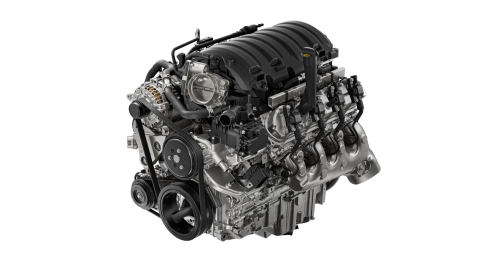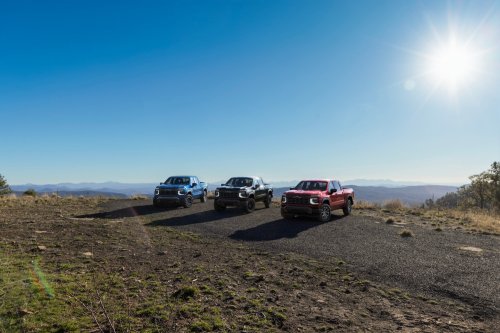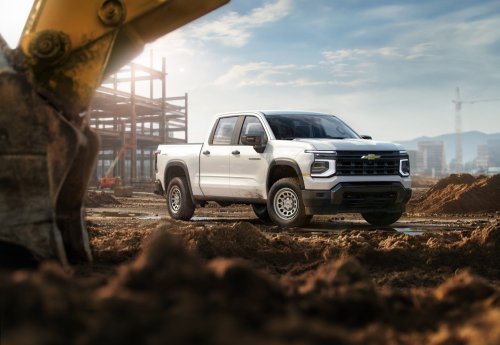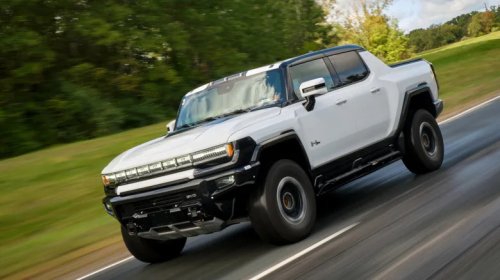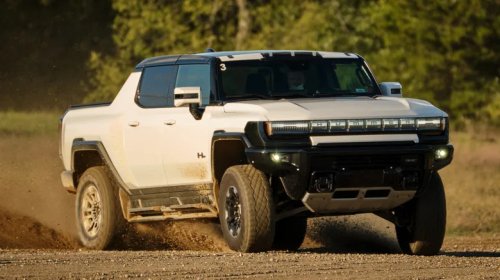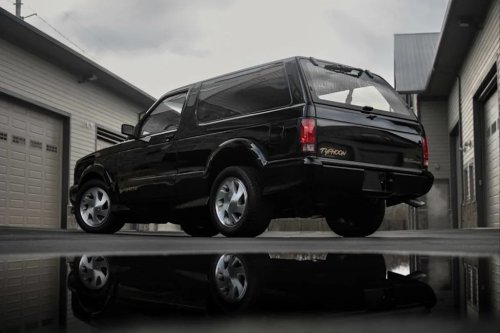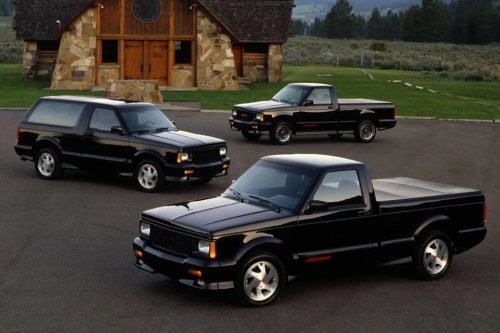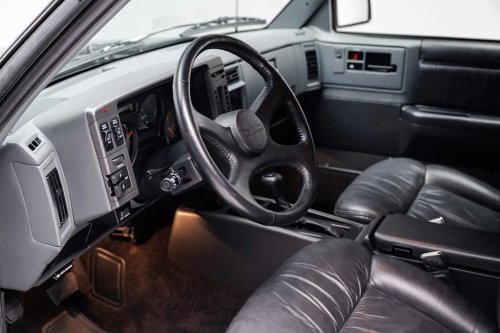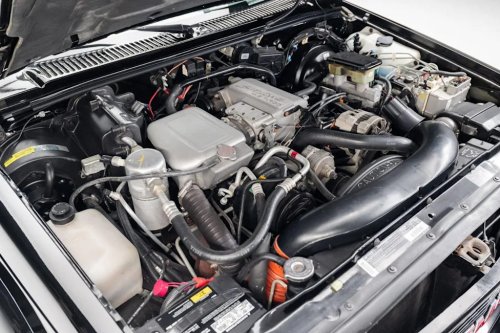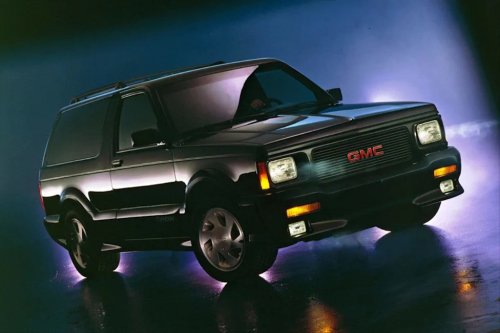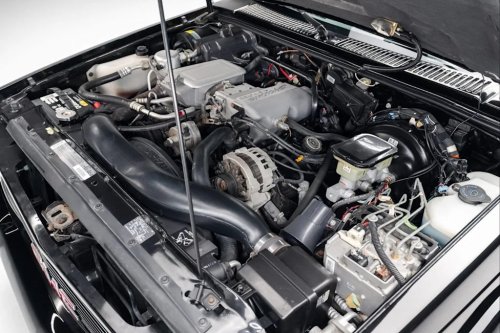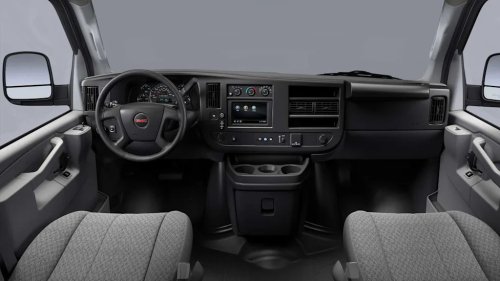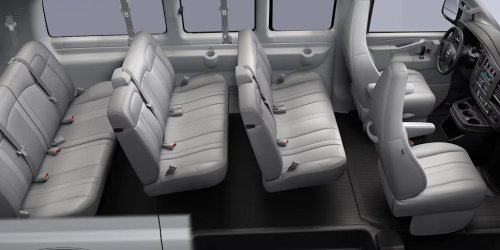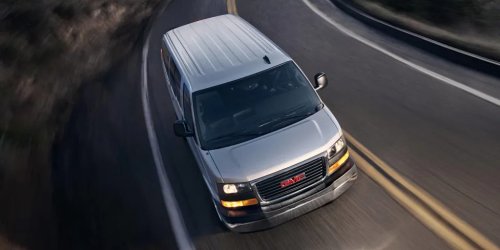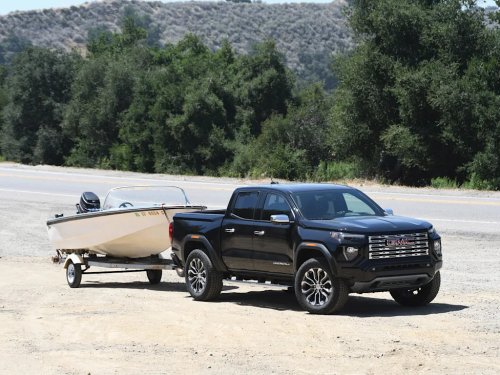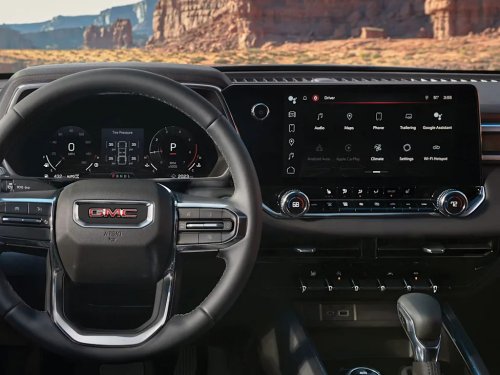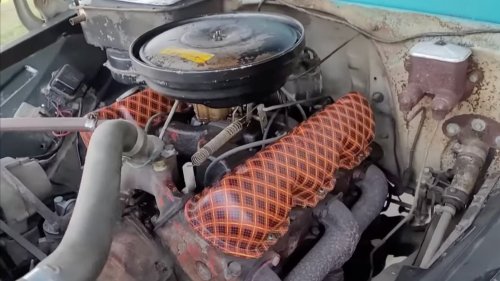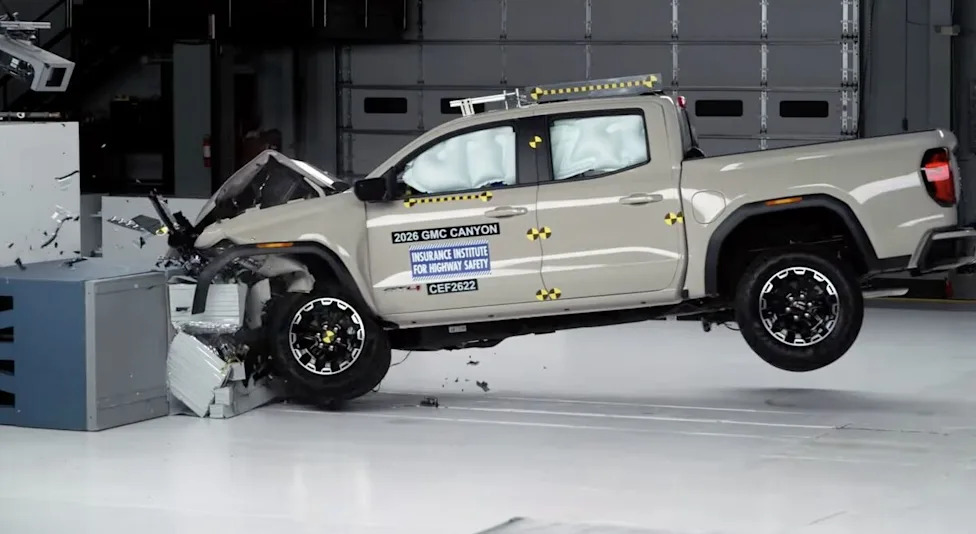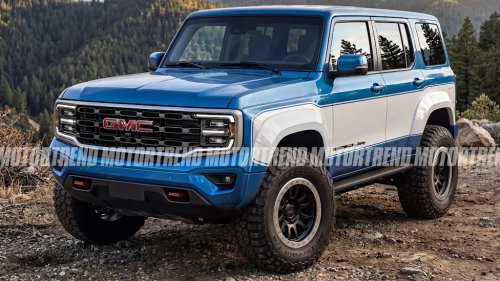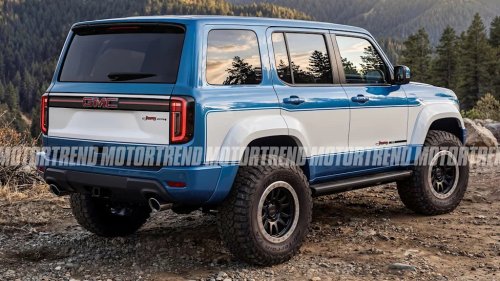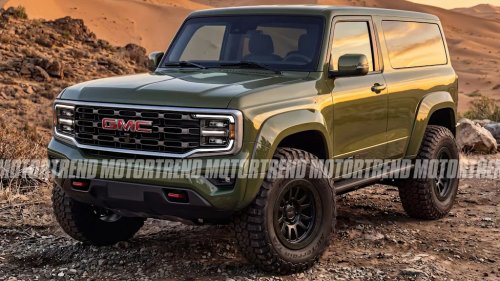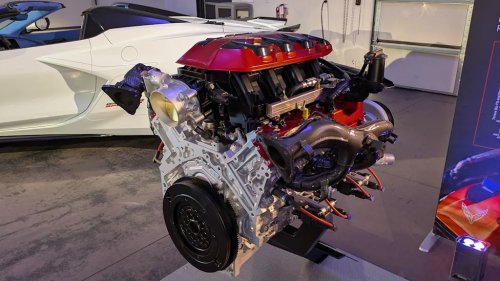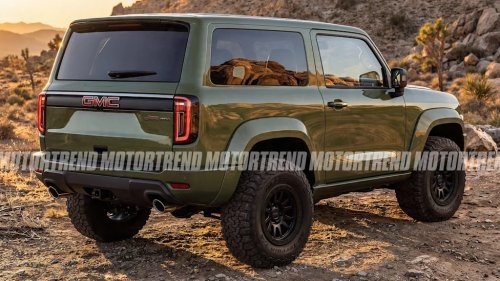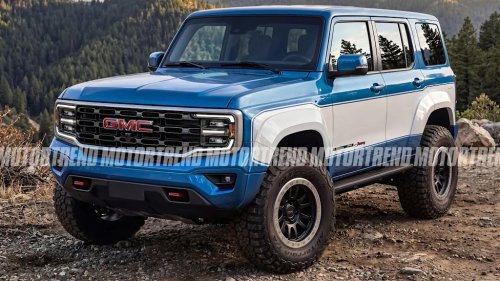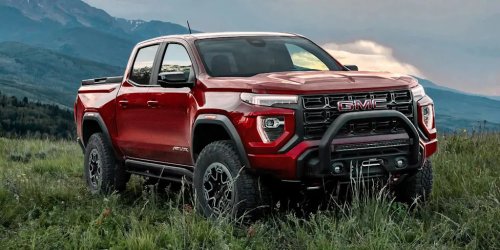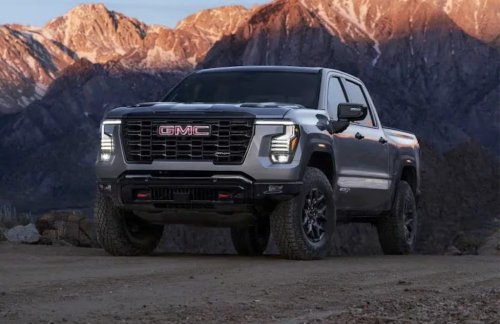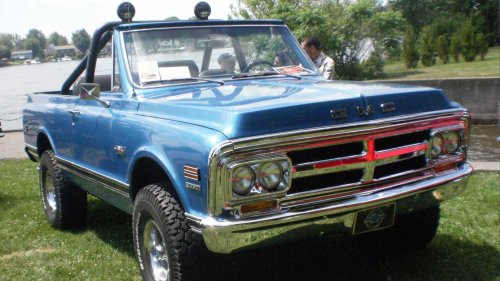
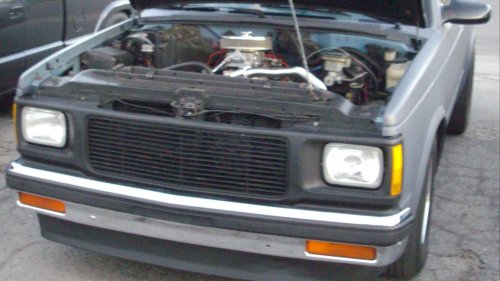
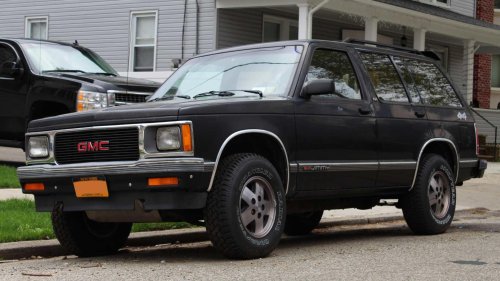
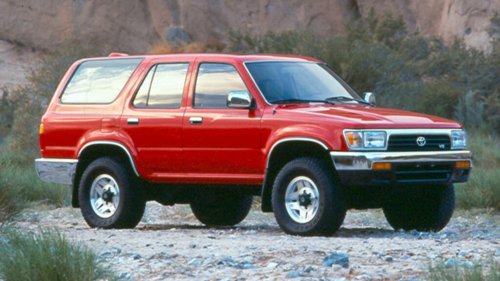
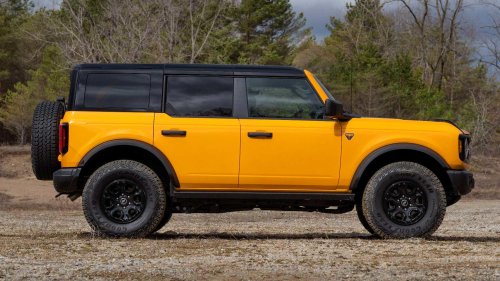
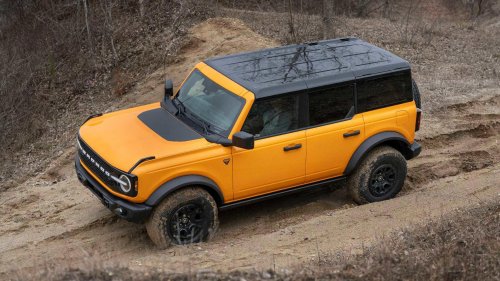
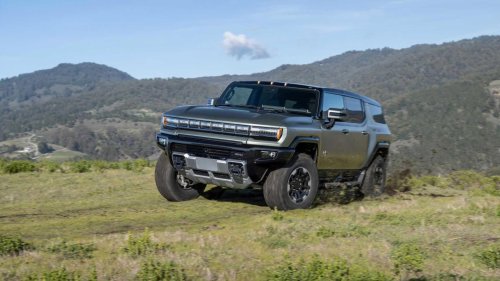
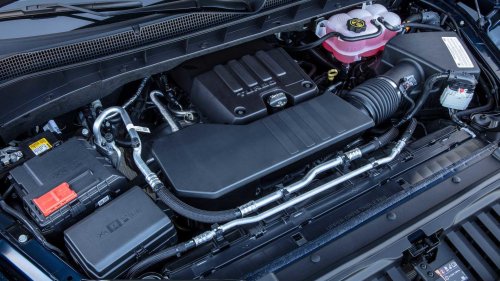



















Jump LinksJimmy Generations ExplainedGMC Jimmy Engines Off-Road Credentials For The GMC JimmyRivals To The GMC JimmyBronco Made A Successful ReturnHealthy Competition: Bronco vs Wrangler vs 4Runner vs JimmyThe GMC Jimmy Return That Never HappenedAll-electric Future Gone, Opening Door For ICE VehiclesPossible Engines: TurboMax & Maybe A V8?Gearheads love a bit of nostalgia, and car brands know it. But nostalgia without capability is just a hollow marketing exercise. For decades, General Motors has watched from the sidelines as its fierce rivals - Ford and Stellantis - print money with body-on-frame midsize SUVs like the Bronco and Jeep Wrangler, respectively. While the Wrangler has enjoyed largely uncontested dominance for years, Ford’s revival of its legendary off-roader proved that buyers are desperate for retro-styled, highly capable machines. GM’s response so far? Slapping storied nameplates on mundane, unibody crossovers.The rumor mill is once again spinning with reports that a GMC Jimmy might finally be on the horizon. The proposition is simple: take the proven bones of the current GMC Canyon, enclose the bed, and create a purpose-built trail weapon. The market doesn’t just want a Jimmy new off the assembly line; it demands a legitimate off-road competitor that forces the entire segment to elevate its game. If GM is serious about reclaiming its heritage and capturing the lucrative enthusiast dollar, the GMC Jimmy SUV must transition from a corporate "maybe" into a showroom reality.This article is not confirmation that GMC will build an all-new Jimmy. It gauges market trends and gives an opinion on why a Jimmy revival will work. GMC reserves the right to decide on the Jimmy's future. GMC Jimmy: What Is It? Jimmy Generations Explained Wiki Commons The lineage of the GMC Jimmy, old and new, spans four generations, charting the American market's shift from bare-bones utility to family-oriented convenience. Introduced in 1970 as a badge-engineered sibling to the Chevrolet K5 Blazer, the first two generations (1970–1972 and 1973–1991) were massive, full-size SUVs built on the C/K truck platform. Externally, they were machines celebrated for their removable fiberglass roofs - fully removable in Gen 1, shifting to a half-cab design by 1976. Inside, these early models were very utilitarian and featured vinyl seats, exposed painted metal, and basic instrumentation.However, to appease shifting consumer demands and fuel economy regulations, the Jimmy drastically pivoted. The third generation (1983–1994) introduced a smaller, compact platform based on the S-15 pickup, running concurrently with the full-size Gen 2 model until the latter became the Yukon in 1992. The final, fourth generation (1995–2005) completely abandoned the boxy aesthetic for softer, wind-tunnel-tested lines and a permanently enclosed roof. It offered four-door practicality, upscale leather trims, and modern conveniences like automatic climate control. GMC Jimmy Engines Wiki Commons During the full-size era (Generations 1 and 2), the powertrain lineup was defined by low-stress, torque-heavy displacement. While base models utilized inline-sixes, the ultimate powerplant was the legendary 5.7-liter (350 cubic-inch) small-block V8, which, by the late 1980s, produced approximately 210 horsepower and 300 lb-feet of torque. When the badge shifted exclusively to the compact S-series platform for generations 3 and 4, the V8 was dropped. Instead, GMC relied on the 4.3L Vortec V6. In its final iterations, this fuel-injected V6 delivered 190 hp and 250 lb-ft, routing power through a four-speed automatic. While it lacked the visceral V8 rumble, the 4.3L Vortec proved to be a durable, efficient motor that played to the shrinking dimensions of 90s SUVs. Off-Road Credentials For The GMC Jimmy Wiki Commons The early iterations of the GMC Jimmy were made to tackle the rough stuff - in fact, it was the SUV’s defining metric - but its mechanical approach softened over time. The first two generations were undeniable trail weapons that relied on sheer mechanical brute force. They utilized heavy-duty live axles, leaf springs at all four corners (on 4x4 models), manual locking hubs, and gear-driven transfer cases like the bulletproof New Process NP205.The transition to the compact S-series (gens 3 and 4) brought a compromise. While still retaining a body-on-frame architecture and a transfer-case-based four-wheel drive (4WD) system, GM moved to an independent front suspension to improve on-road compliance. Later models introduced electronic push-button 4WD (AutoTrac) rather than manual floor levers. While still capable on dirt tracks and snow, they traded the unyielding, rock-crawling solid-axle durability of the 70s for the highway stability required by 90s buyers. Rivals To The GMC Jimmy Toyota Unsurprisingly, the GMC Jimmy’s rivals changed with its dimensions. During its full-size reign, it went up against the Ford Bronco and Dodge Ramcharger. However, when the nameplate downsized, the battlefield shifted. The compact Jimmy found itself locked in a war against the Jeep Cherokee (XJ), the Ford Explorer, and the Toyota 4Runner. While the Explorer ultimately won the sales war by leaning heavily into family comfort, the Jimmy's impact can’t be ignored. Across its four generations, it served as a real-time barometer for the American SUV market. It highlighted how an SUV could transition from an open-air, V8-powered agricultural implement to a civilized, V6-powered daily driver. The Jimmy was eventually replaced by the Envoy, but the Jimmy’s absence is a void the brand has arguably yet to fill. Why Should The GMC Jimmy Return? Bronco Made A Successful Return Ford Motor Company Obviously, we can’t just tell GMC to "build it!" without a case study. Fortunately, Ford has provided it with its Bronco, which returned in 2021 after a 25-year hiatus. The Blue Oval recognized that nostalgia combined with genuine, uncompromising capability is highly profitable. So by leaning heavily into retro aesthetics and delivering a modular, highly customizable body-on-frame platform, Ford created an instant commercial success that generated massive waitlists and dealer markups. The Bronco proved that buyers are willing to pay a premium for a lifestyle vehicle that looks the part and performs on the trail.If GMC plays its cards right, it is uniquely positioned to replicate this success. If Ford can successfully resurrect a dormant badge to critical and financial acclaim, GM really has no excuse to not copy this playbook. The financial benefits have already been proven, and GMC simply needs to execute the blueprint. The appetite for these vehicles is immense, and leaving those newfound profits entirely to Ford is a massive oversight. Healthy Competition: Bronco vs Wrangler vs 4Runner vs Jimmy 2026-ford-bronco-badlands-wildtrak-1A segment dominated by three players is at risk of stagnating, but a segment with a four-way war innovates. Currently, the Jeep Wrangler offers raw, solid-axle capability, the Ford Bronco provides high-speed, independent front suspension dynamics with retro flair, and the newly redesigned Toyota 4Runner leans into hybrid technology and overlanding endurance. All three SUVs are very capable, but inserting the Jimmy into this mix forces healthy competition. GM's offering would likely carve out a specific niche as the premium, torque-heavy option, leveraging the 430 lb-ft from the TurboMax engine to out-muscle base competitors. A Canyon-based SUV would fundamentally offer superior on-road manners and cabin refinement compared to a Wrangler, while directly challenging the Bronco's high-speed desert running capabilities with its own Multimatic DSSV damping technology.While these four SUVs would battle it out, it will translate directly to the benefit of the consumer, because it will drive technological advancements, competitive pricing, and a significantly more robust aftermarket support ecosystem. If GMC (with the approval from parent company GM) gave the green light on the Jimmy, it would compel Ford, Stellantis, and Toyota to continually refine their products. And suddenly, the midsize off-road SUV segment could become one of the most dynamic in the automotive landscape. The GMC Jimmy Return That Never Happened GMC The tragedy of the 2026 GMC Jimmy is that it almost existed. As we detailed before, GM was actively developing a rugged, midsize SUV internally. However, corporate priorities shifted, and the V8-powered Jimmy revival was axed to fund the development of the GMC Hummer EV. According to reports, the Jimmy's product team fought fiercely to bring a V8 model to market to compete directly with the Wrangler 392 and the Bronco Raptor. Unfortunately, accommodating a larger V8 required expensive modifications to the 32XX body-on-frame platform (which also underpins the GMC Canyon and Chevrolet Colorado).Unwilling to allocate the necessary funds, GM killed the project entirely and diverted those resources to the $100,000+ electric Hummer. This decision remains a highly controversial one because while the Hummer EV is a technological marvel, it is a near-inaccessible halo product that struggles with production complexities and extreme mass. Meanwhile, the $40,000 midsize SUV segment continues to print money for Ford and Jeep. By canceling a highly anticipated, high-volume enthusiast vehicle to fund an ultra-expensive EV (dare we say) vanity project is indicative that GM had profoundly misread market demand. How GM's All-Electric Plans Influence Jimmy All-electric Future Gone, Opening Door For ICE Vehicles GMC While the majority of major industry players again(!) misread the market that the automotive sector is headed for an all-electric future, demand and buying trends quickly turned the tables. The automotive landscape has shifted in a major way over the past 24 months, fundamentally altering General Motors’ (and every automaker out there) strategic trajectory. Initially, GM boldly proclaimed a fully electric future, aggressively investing in its Ultium platform and targeting the phase-out of internal combustion engines (ICE) by 2035. However, consumer reluctance, inadequate charging infrastructure, and the realities of battery material supply chains have forced a severe reality check.Recent reports, including statements from CEO Mary Barra, confirm that GM is pulling back on its aggressive EV timelines; instead focusing on plug-in hybrids (PHEVs) and extending the lifespan of its ICE portfolio to maintain profitability.“With the termination of certain consumer tax incentives and the reduction in the stringency of emissions regulations, industry-wide consumer demand for EVs in North America began to slow in 2025. As a result, GM proactively reduced EV capacity.”- Mary Barra, CEO of GMThis pivot is the exact catalyst needed for the Jimmy's revival. With the "all-electric or nothing" mandate essentially dead, the door is wide open for profitable, high-demand, gasoline-powered vehicles. A body-on-frame off-roader like the Jimmy fits perfectly into this revised business model, providing the high margins necessary to subsidize future, more measured EV development while giving consumers exactly what they are currently buying. Possible Engines: TurboMax & Maybe A V8? ChevroletWith ICE back on the menu, which engines could power the Jimmy should it make it to production? As established, the 2.7L TurboMax four-cylinder is the undisputed logical base engine. Delivering 310 hp and 430 lb-ft, it perfectly balances efficiency with the low-end grunt required for trail work, outperforming the base mills in both the Bronco and Wrangler. However, the enthusiast market demands a halo product.While the original Jimmy revival was killed over V8 packaging costs, GM's recent $888 million investment in a next-generation small-block V8 for its trucks and SUVs - due in 2027 - changes the math. An optional 5.3L Turbo or even a naturally aspirated 6.2L V8 would give the Jimmy a massive competitive advantage. Of course, adding hybrid technology to the mix should not be discounted… If GM can engineer a V8 into the Jimmy's engine bay, it would immediately offer a visceral, high-displacement alternative in a segment increasingly dominated by turbocharged efficiency.