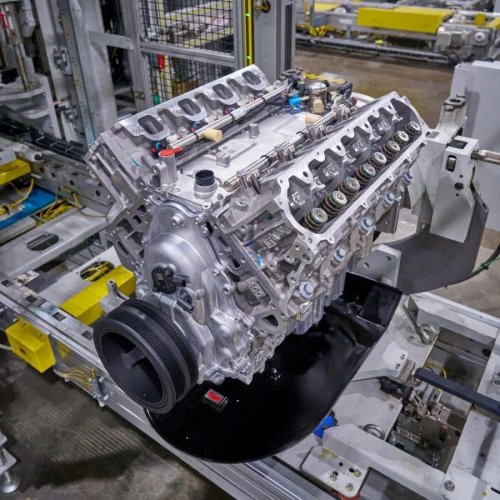
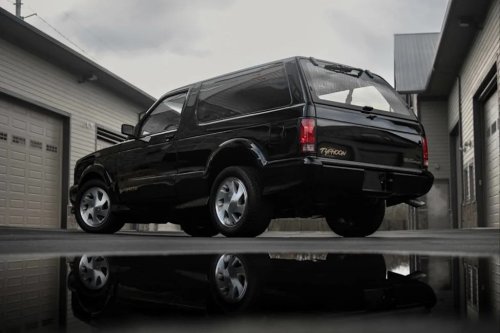
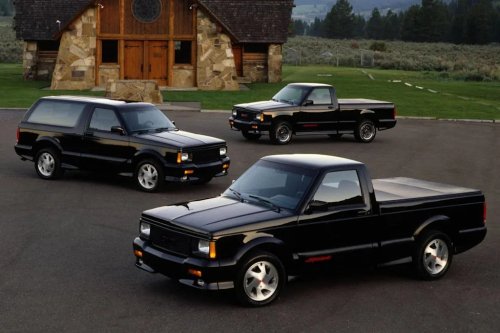
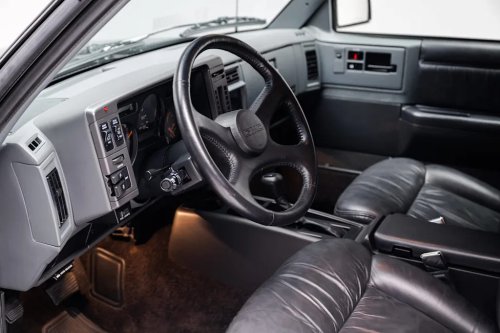
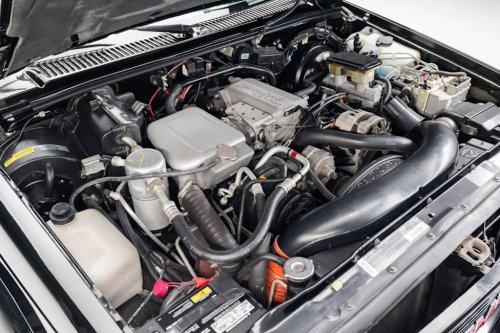
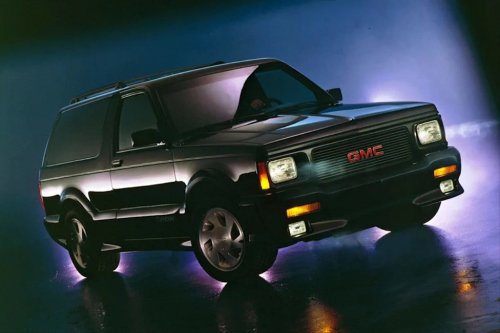
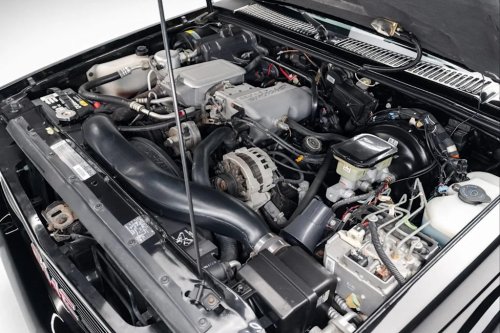
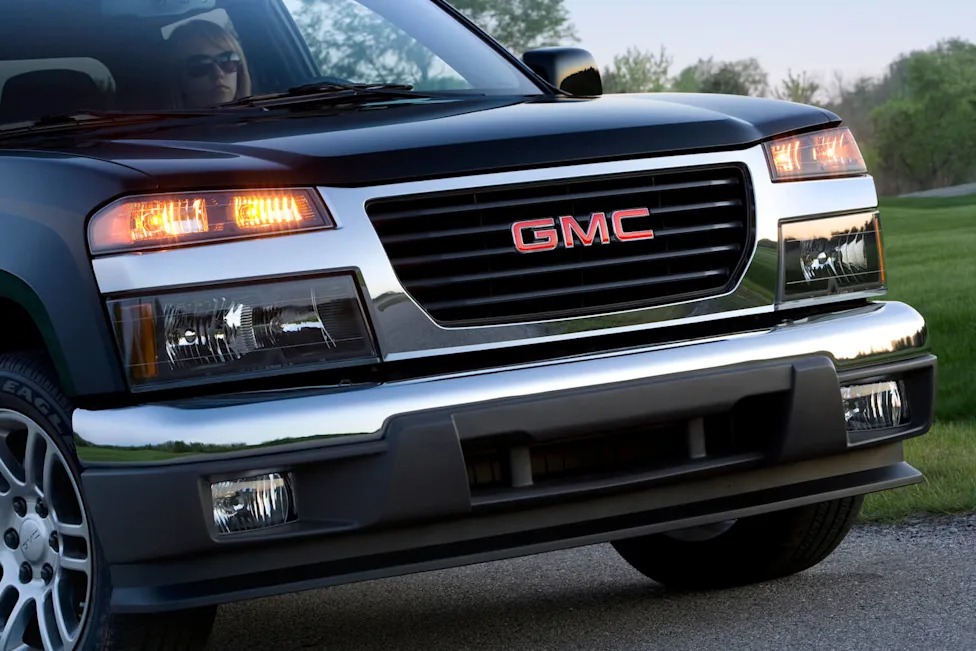
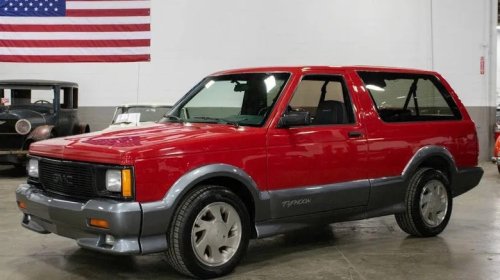
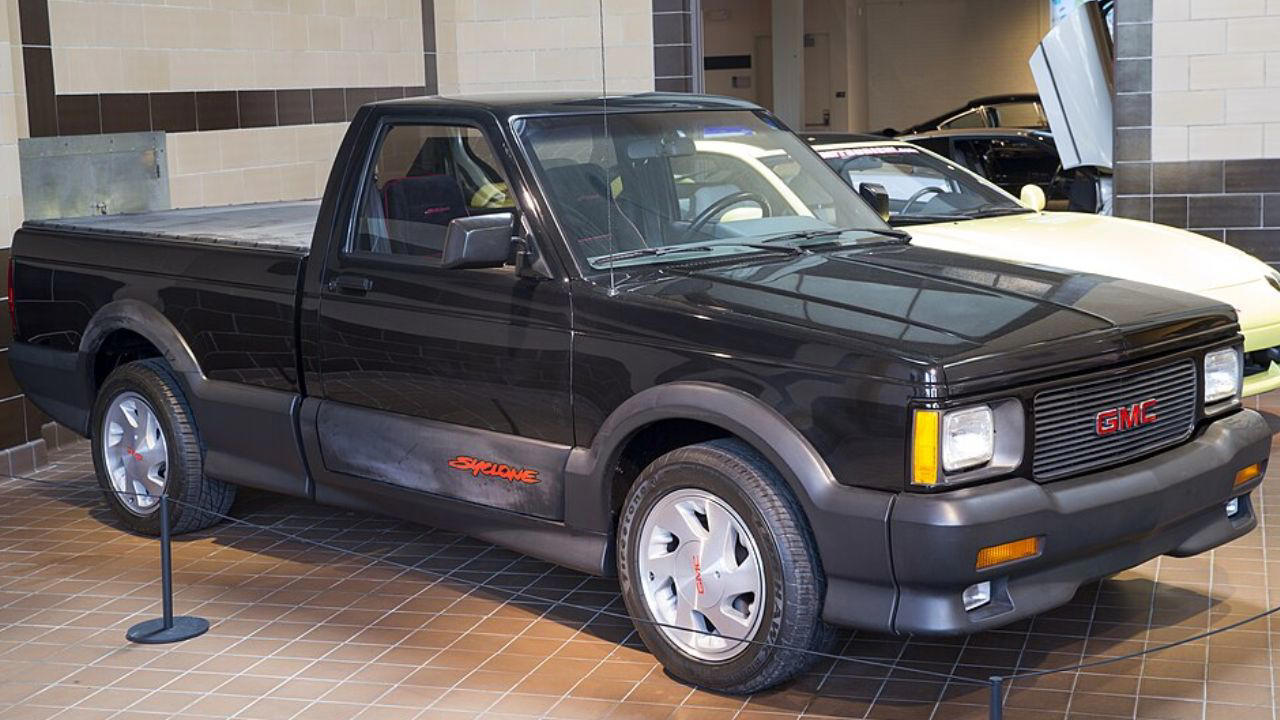
Few expected the 1991 GMC Syclone to outrun sports cars at the timeIn 1991, the automotive world was taken by surprise when a pickup truck, the GMC Syclone, emerged as a formidable contender against some of the era’s most revered sports cars. With performance capabilities that defied expectations, the Syclone not only redefined the potential of pickup trucks but also left a lasting impact on the industry. The combination of innovative engineering and a powerhouse engine propelled this vehicle into the limelight, challenging traditional perceptions of what a pickup truck could achieve. The Birth of a Performance Pickup The GMC Syclone’s development began with a bold vision: to create a pickup truck that could stand toe-to-toe with the fastest sports cars of the time. This ambitious project was rooted in the desire to push the boundaries of what a utility vehicle could accomplish, blending practicality with high performance. The Syclone was born out of GMC’s collaboration with Production Automotive Services, a firm known for its expertise in engineering performance vehicles. This partnership was instrumental in bringing the Syclone from concept to reality, as it combined GMC’s robust truck-building heritage with cutting-edge performance enhancements. Innovative engineering was at the heart of the Syclone’s creation. The design team focused on integrating advanced technologies that would enable the truck to achieve unprecedented speed and handling. They employed a combination of lightweight materials and aerodynamic enhancements to optimize the vehicle’s performance. By reducing weight and improving airflow, the Syclone was able to achieve a level of performance that was previously unheard of in the pickup segment. This meticulous attention to detail in both design and engineering set the stage for the Syclone’s remarkable capabilities. Powerhouse Under the Hood At the core of the GMC Syclone’s impressive performance was its potent engine. The truck was equipped with a 4.3-liter V6 turbocharged engine that was nothing short of revolutionary for a pickup. This powerplant, derived from GMC’s V6 engine family, was enhanced with a Mitsubishi turbocharger and a Garrett intercooler, enabling it to produce 280 horsepower and 350 lb-ft of torque. These figures were astounding for a pickup truck of its time, positioning the Syclone as a serious competitor against some of the most celebrated sports cars. The performance metrics of the Syclone spoke volumes about its capabilities. It could accelerate from 0 to 60 mph in just 4.3 seconds, a feat that put it in the same league as the Ferrari 348ts and Porsche 911 of that era. This exceptional acceleration was complemented by an all-wheel-drive system that provided superior traction and stability, allowing the Syclone to maintain its composure even under aggressive driving conditions. The combination of power, speed, and agility made the Syclone a standout performer, earning it a place in the annals of automotive history. Challenging the Sports Car Norm The GMC Syclone’s ability to outpace renowned sports cars was a revelation to both enthusiasts and industry insiders. It was not merely a matter of raw speed; the Syclone also demonstrated impressive agility and handling, traits that were typically associated with lower-profile sports cars. Its performance prowess was highlighted in various head-to-head comparisons, where it managed to outperform vehicles that were traditionally seen as benchmarks for speed and performance. The Syclone’s triumph over competitors like the Ferrari 348ts and the Porsche 911 was a testament to its engineering excellence and the potential of performance pickups. The industry reaction to the Syclone’s capabilities was a mix of astonishment and admiration. Many automotive experts were taken aback by the idea that a pickup truck could deliver such exceptional performance metrics. The Syclone challenged preconceived notions about what a vehicle in its category could achieve, prompting manufacturers to rethink their approach to truck design and performance. Its success paved the way for future high-performance pickups, influencing the development of models that sought to blend utility with sports car-like capabilities. Design and Dynamics The design of the GMC Syclone played a crucial role in its performance achievements. Aerodynamic styling was a key focus, with engineers working to reduce drag and enhance the vehicle’s overall efficiency. The Syclone featured a sleek and streamlined body that minimized air resistance, allowing it to cut through the air with ease. This aerodynamic approach was complemented by aggressive styling cues, such as its distinctive black exterior and unique badging, which gave the Syclone a bold and commanding presence on the road. Beyond its aesthetics, the Syclone’s suspension and handling systems were engineered to deliver a driving experience that was both dynamic and controlled. The truck was equipped with a sport-tuned suspension that provided exceptional stability, even at high speeds. This setup, combined with its all-wheel-drive system, allowed the Syclone to maintain its composure in various driving conditions, from sharp corners to straight-line acceleration. The result was a pickup that handled more like a sports car than a traditional utility vehicle, further solidifying its status as a performance powerhouse. Legacy and Influence The impact of the GMC Syclone on the pickup segment was profound. It redefined expectations for what a truck could achieve, inspiring a new generation of performance-oriented pickups. Manufacturers took note of the Syclone’s success and began to explore ways to integrate similar performance enhancements into their own models. This shift in perspective led to the development of vehicles like the Ford F-150 Lightning and the Dodge Ram SRT-10, which sought to capture the same blend of utility and performance that the Syclone had pioneered. The Syclone’s influence can still be seen today in the growing market for high-performance trucks. Beyond its impact on the industry, the Syclone has also garnered a cult following among car enthusiasts. Its rarity and unique performance credentials have made it a sought-after collectible, with well-preserved models commanding high prices at auctions. Enthusiasts appreciate the Syclone not only for its historical significance but also for its ability to deliver a driving experience that remains thrilling even by modern standards. The Syclone’s enduring appeal is a testament to its groundbreaking design and lasting legacy. The Syclone’s Place in Automotive History When compared to modern vehicles, the GMC Syclone’s performance remains impressive. While advancements in technology have led to the development of even faster and more efficient trucks, the Syclone’s ability to hold its own against contemporary sports cars is a remarkable achievement. Its performance metrics continue to be used as a benchmark for evaluating the capabilities of newer models, highlighting its enduring relevance in the world of performance vehicles. The Syclone’s legacy is further cemented by its role in paving the way for today’s performance trucks, which continue to push the boundaries of speed and agility. The lasting impression left by the GMC Syclone is one of innovation and inspiration. It challenged the status quo and demonstrated that a pickup truck could excel in areas traditionally dominated by sports cars. Its influence can be seen in the evolving landscape of the automotive industry, where the lines between different vehicle categories continue to blur. The Syclone’s legacy is not just about its performance but also about its role in shaping the future of vehicle design and engineering. As a trailblazer in the realm of performance pickups, the Syclone remains a symbol of what can be achieved when bold ideas are brought to life. More from Fast Lane Only Unboxing the WWII Jeep in a Crate 15 rare Chevys collectors are quietly buying 10 underrated V8s still worth hunting down Police notice this before you even roll window down



















 +33 others