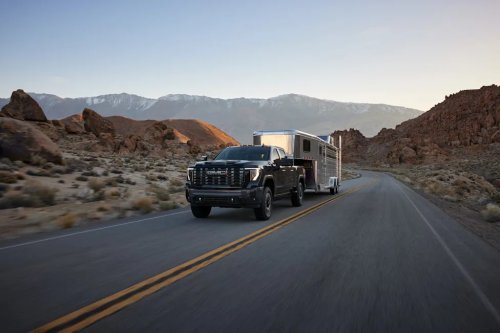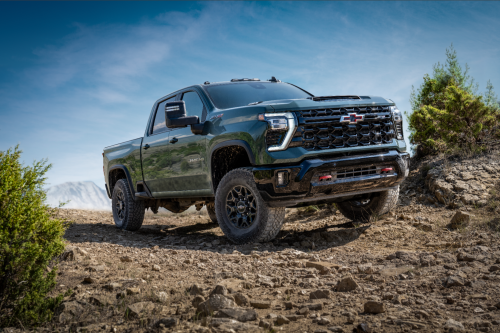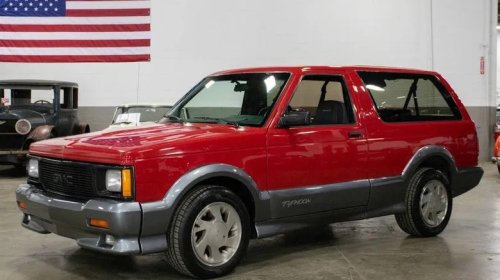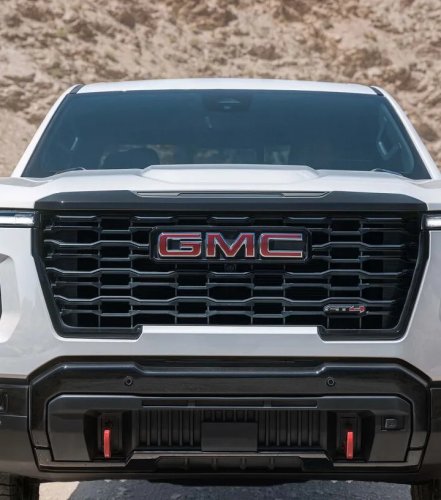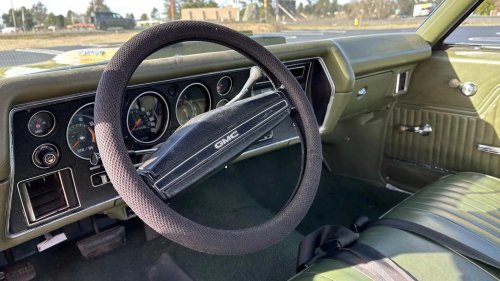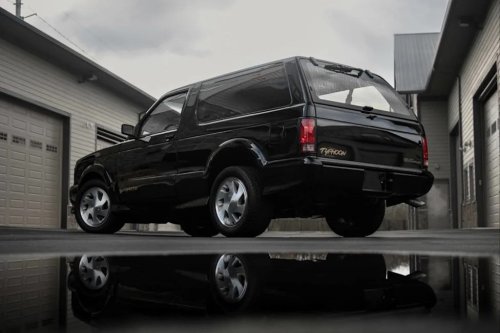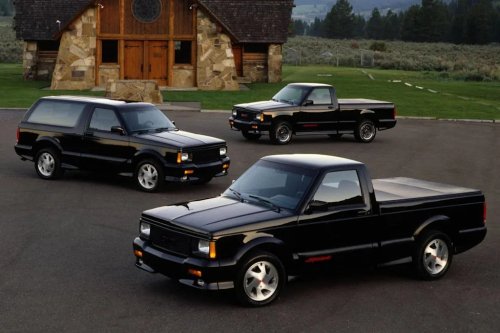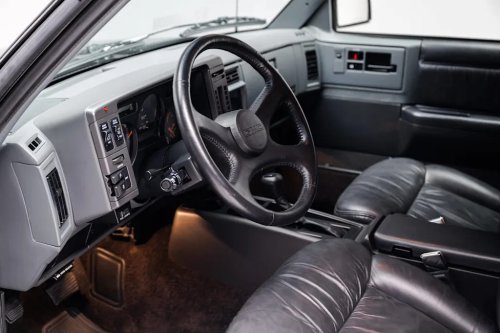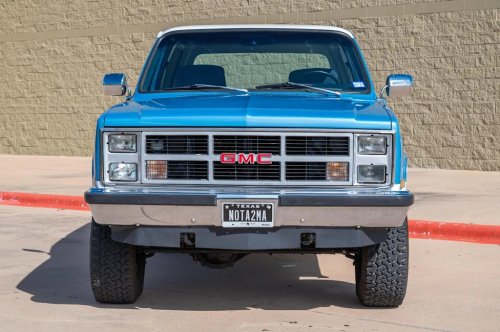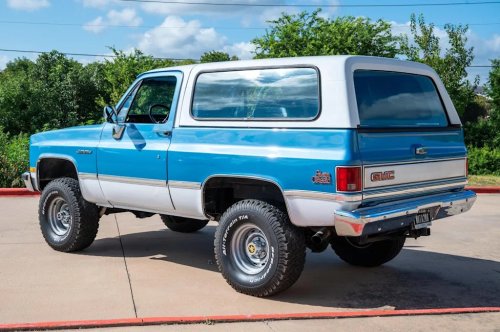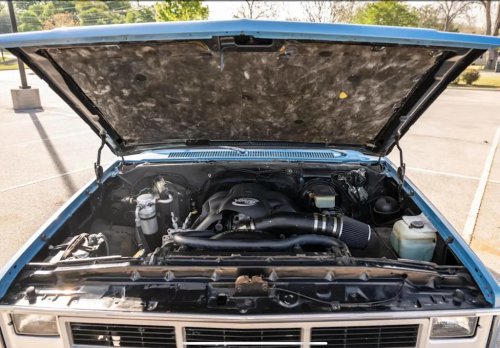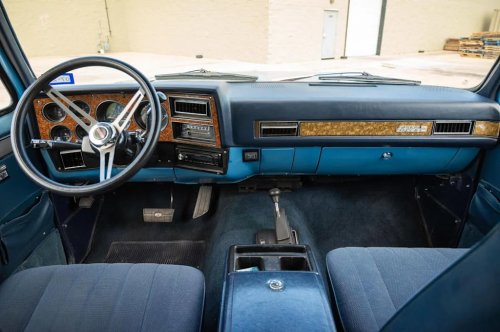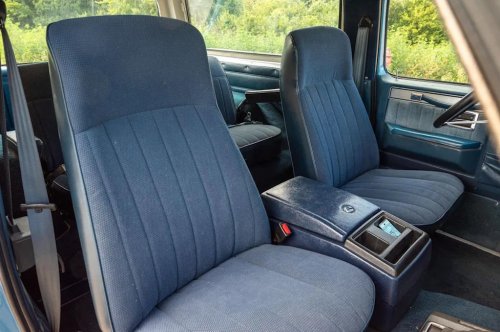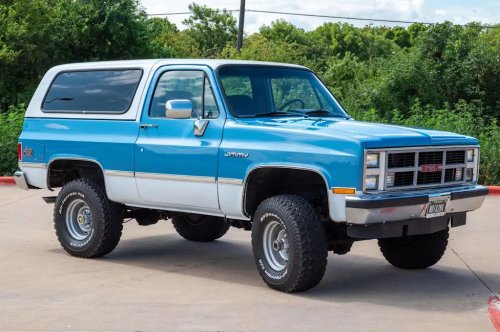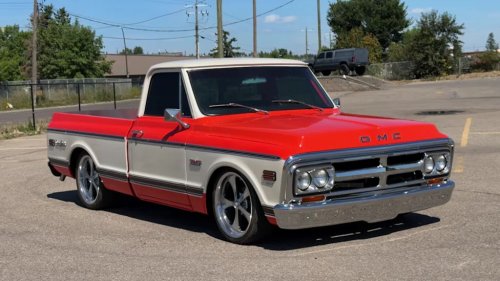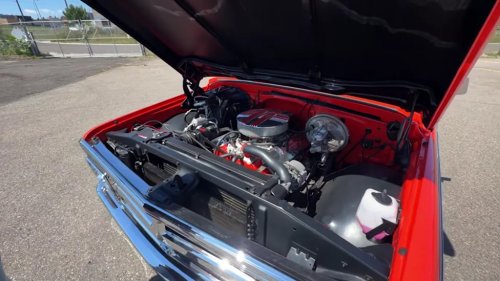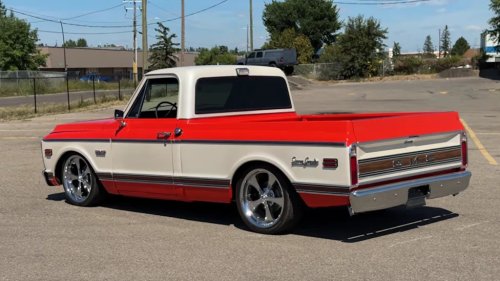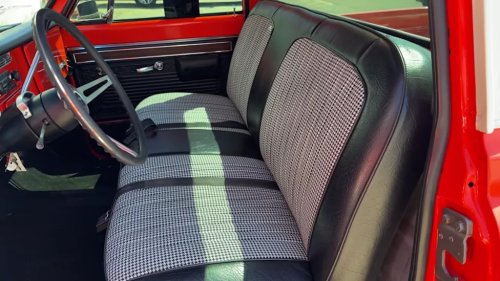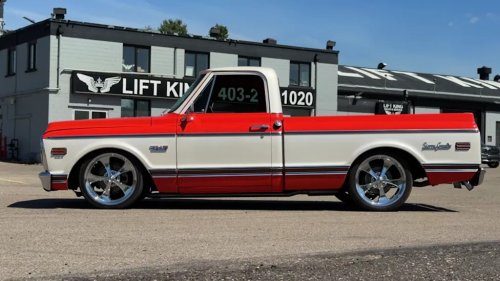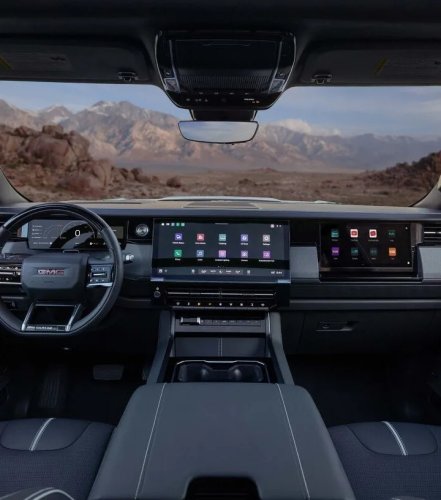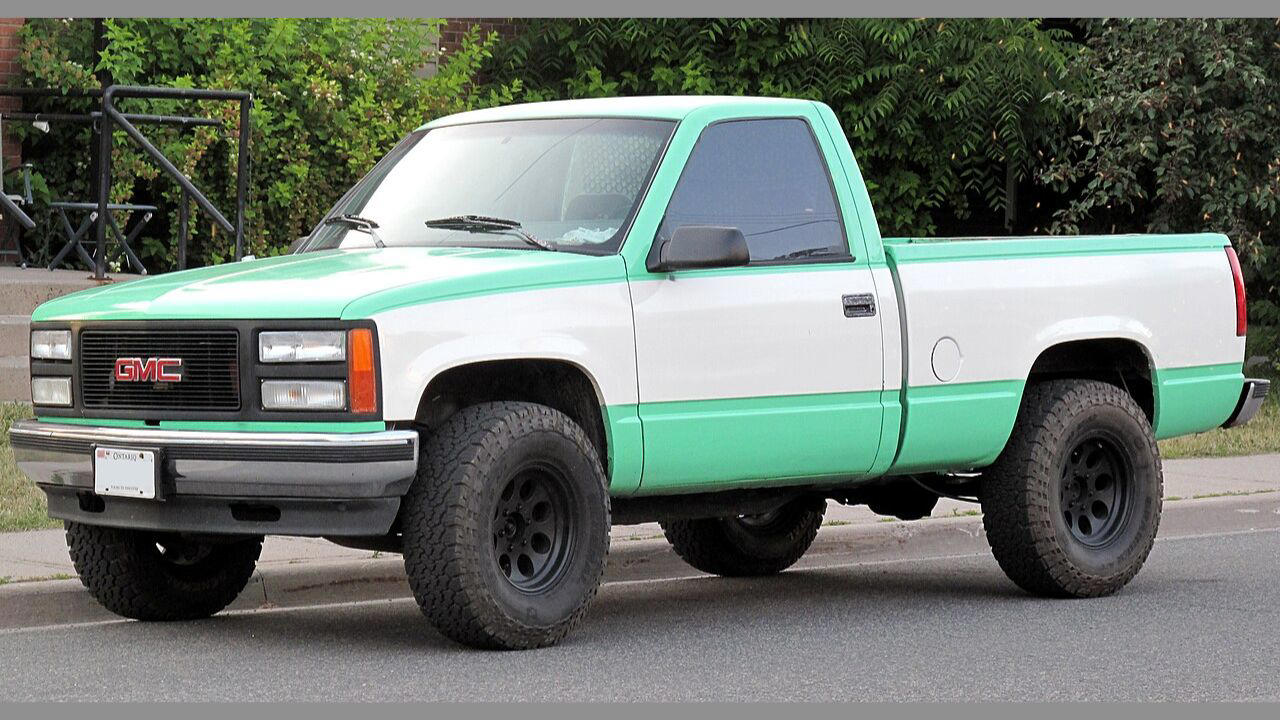



















The 1988 GMC Sierra brought refinement into the pickup worldThe 1988 GMC Sierra marked a pivotal moment in the evolution of pickup trucks, as it introduced a level of refinement that was highly anticipated by both enthusiasts and everyday drivers. This model not only bridged the gap between rugged utility and modern comfort but also set new standards for design, performance, and technological advancements in the truck industry. Design and Styling Evolution The design of the 1988 GMC Sierra was a departure from its predecessors, featuring aesthetic upgrades that made it stand out in the increasingly competitive truck market. The introduction of a sleeker, more aerodynamic body design was not just for looks; it improved the vehicle’s overall efficiency and performance. This new silhouette reflected a shift in consumer expectations, where utility no longer had to come at the expense of style. Inside the Sierra, enhanced interior materials and finishes provided a more upscale feel, elevating the driving experience. Plush seating and high-quality trim materials were strategically chosen to appeal to a broader audience that included both traditional truck buyers and those new to the segment. The upgraded interior design demonstrated GMC’s commitment to providing a cabin that was not only functional but also comfortable and aesthetically pleasing. On the exterior, the Sierra boasted a new grille design and headlamp configuration, giving it a distinctive look that was both modern and assertive. This was complemented by improved paint options and color schemes, which allowed buyers to customize their vehicles to a greater degree than ever before. The enhancements in exterior features contributed to the Sierra’s appeal, making it a popular choice among consumers seeking both practicality and style. Technological Advancements The 1988 GMC Sierra was notable for its technological advancements, particularly in engine and performance. It introduced more fuel-efficient engines without sacrificing power, a crucial development at a time when fuel economy was becoming increasingly important to consumers. The availability of both V6 and V8 engines provided options for buyers with different performance needs, ensuring that the Sierra could meet a wide range of demands. Another significant advancement was the incorporation of advanced suspension systems, which greatly improved ride quality. The new suspension setup allowed for a smoother ride, whether the truck was navigating city streets or tackling off-road terrain. This innovation was a testament to GMC’s dedication to enhancing the driving experience across various conditions. The 1988 Sierra also debuted several innovative features that were groundbreaking in the truck category. Most notably, it was among the first trucks to offer an anti-lock braking system (ABS), which significantly improved safety by preventing wheel lockup during sudden stops. This advancement in braking technology set a new standard for truck safety, influencing future models across the industry. Additionally, enhanced electronics, including improved dashboard layouts and instrumentation, made the Sierra’s controls more intuitive and user-friendly. Comfort and Convenience The 1988 GMC Sierra excelled in providing comfort and convenience, making it a standout in its class. The spacious cab designs offered increased legroom and comfort for passengers, which was a welcome change from the cramped interiors of older models. This focus on passenger comfort was indicative of a broader industry trend, where consumers began to demand more from their vehicles beyond basic utility. Adjustable seating and climate control features were introduced, allowing drivers and passengers to customize their environments for maximum comfort. These features, once considered luxuries, became essential components of the modern pickup truck experience. The Sierra’s commitment to comfort did not go unnoticed, as consumers appreciated the ability to travel long distances in greater ease. User-friendly controls were another area where the Sierra excelled. Ergonomically designed controls made operating the vehicle simpler and more intuitive, enhancing the overall driving experience. Improved sound insulation further contributed to this comfort by reducing road noise, allowing passengers to enjoy conversations or music without interference. These enhancements collectively redefined what consumers could expect from a pickup truck, setting new benchmarks for comfort and convenience. Market Impact and Consumer Reception The release of the 1988 GMC Sierra had a significant impact on the market, with a surge in sales that reflected consumer demand for refined pickups. The model’s competitive pricing strategies were instrumental in its success, making the Sierra accessible to a broader market. This approach allowed GMC to capture a larger share of the pickup market and attract new customers who were previously hesitant to invest in a truck. Consumer feedback was overwhelmingly positive, highlighting the Sierra’s balance between functionality and luxury. Buyers praised the vehicle’s reliability and innovative features, which set it apart from other offerings in the market. The strong reception helped solidify GMC’s reputation as a leader in the truck industry, with many customers remaining loyal to the brand for years to come. The Sierra’s success prompted competitors to take notice and elevate their own pickup offerings. For instance, the Ford F-Series also saw significant advancements in design and technology during this period, in part due to the competitive pressure exerted by GMC’s innovative approach. The Sierra’s influence on the market was undeniable, as it set new standards for what consumers could expect from a pickup truck. Legacy and Influence on Future Models The 1988 GMC Sierra left a lasting legacy, setting industry standards that would influence the design and features of subsequent GMC models. Its emphasis on comfort, technology, and style became a blueprint for future development, guiding the evolution of the Sierra line and other GMC vehicles. The advancements introduced in the 1988 model became foundational elements of the brand’s identity, reinforcing its commitment to innovation and quality. This model also played a key role in prompting competitors to elevate their offerings, leading to a broader transformation in the pickup truck segment. Other manufacturers took note of the Sierra’s success and began incorporating similar features into their vehicles, resulting in a more competitive and dynamic market. The ripple effects of the 1988 Sierra’s innovations can be seen in modern trucks, where comfort and technology are now standard expectations. In the long term, the Sierra contributed to shifting public perception of pickups from purely utilitarian vehicles to versatile, everyday vehicles. This shift opened new opportunities for manufacturers, as consumers began to see trucks as viable options for both work and leisure. The ongoing influence of the 1988 Sierra is evident in the design and capabilities of today’s trucks, which continue to build on the foundation laid by this pioneering model. Finally, the legacy of the 1988 GMC Sierra is reflected in the continued loyalty of its customer base. Many buyers who were introduced to the brand through this model remained dedicated to GMC, recognizing the quality and innovation that the Sierra represented. The vehicle’s enduring impact is a testament to its significance in the history of the pickup truck, as it paved the way for a new era of refinement and capability. For more insights into the evolution of pickup trucks, readers can explore the story of Chuck Norris’s impact on the truck industry. More from Fast Lane Only Unboxing the WWII Jeep in a Crate 15 rare Chevys collectors are quietly buying 10 underrated V8s still worth hunting down Police notice this before you even roll window down