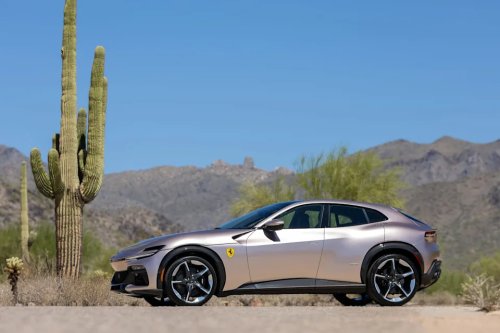
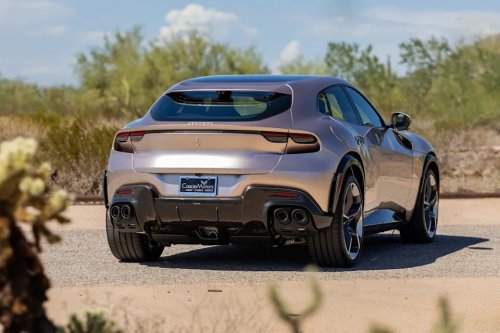
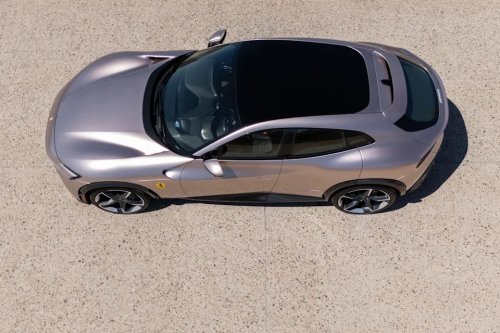
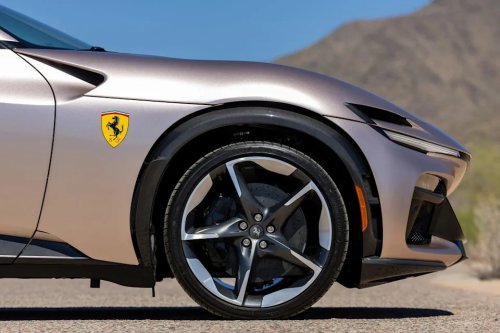
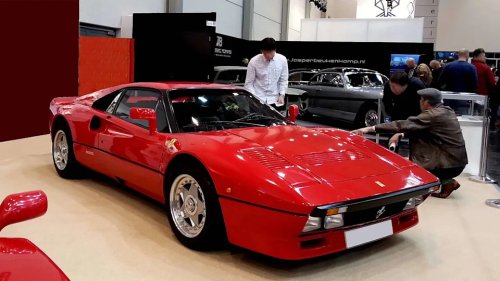
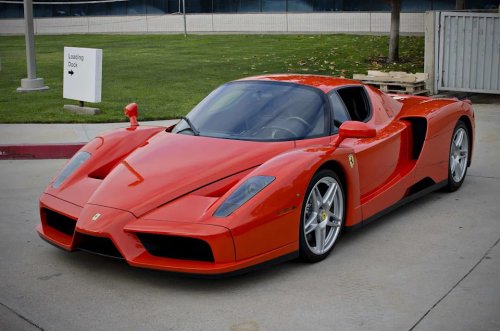
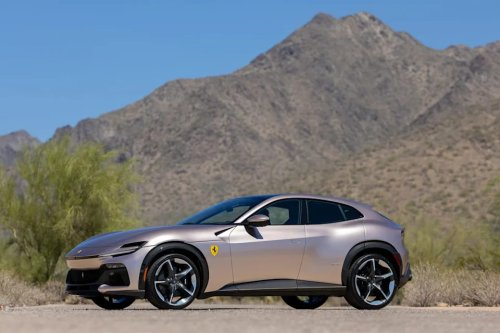
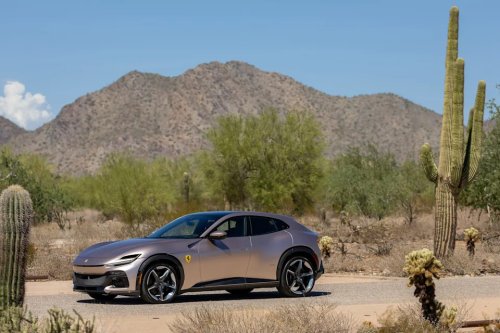
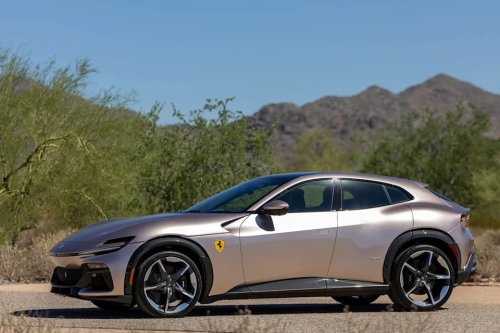
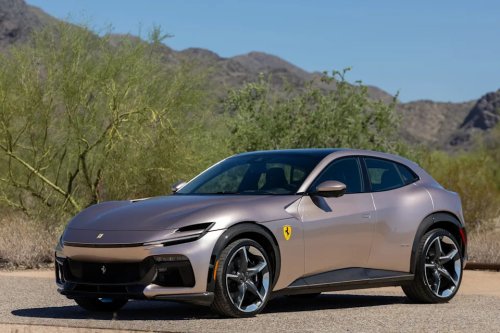
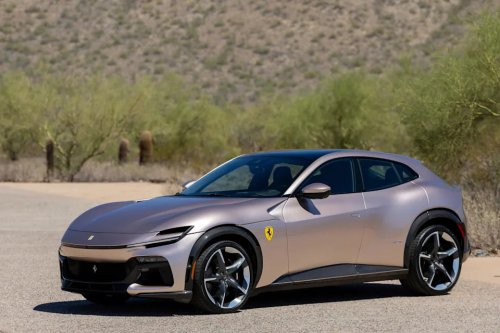
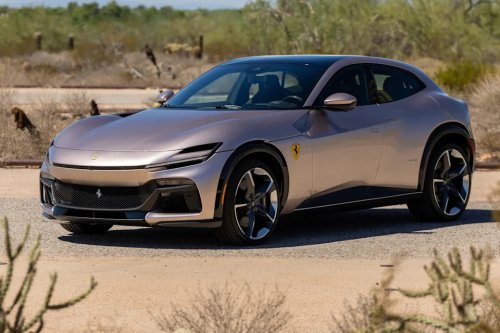
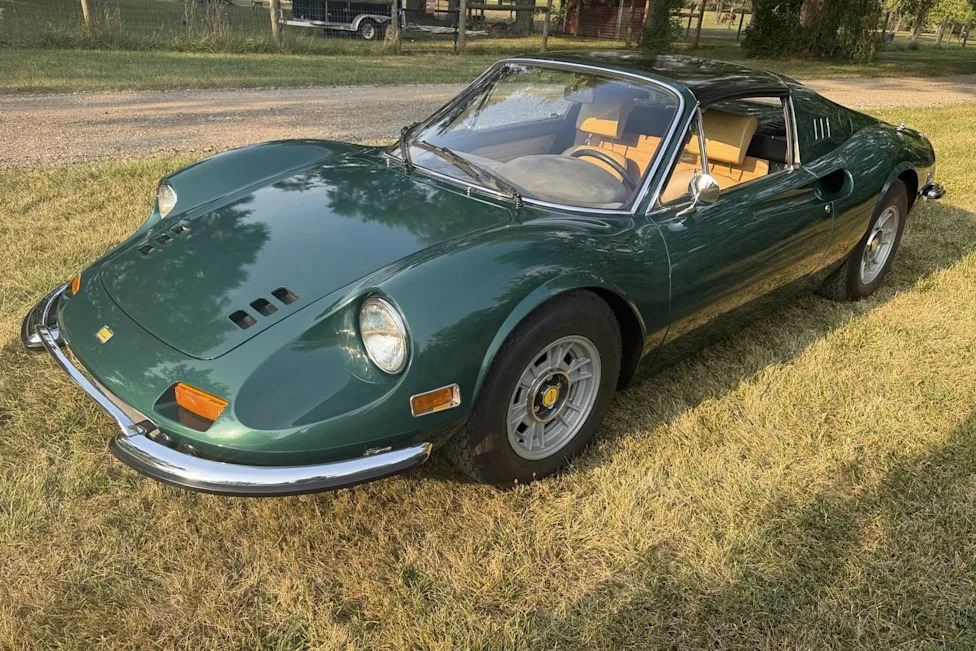
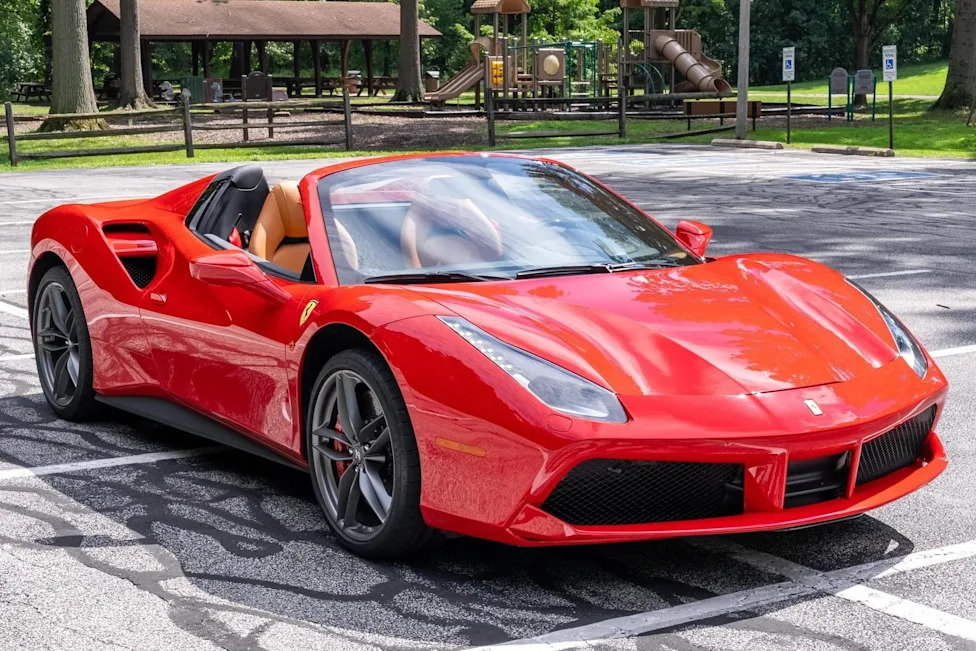
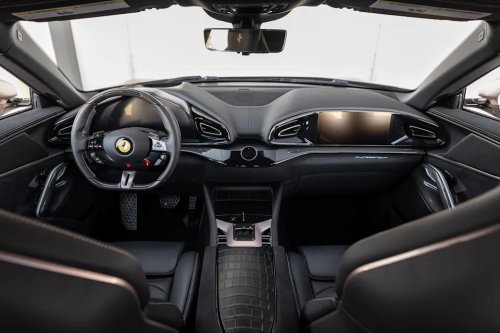
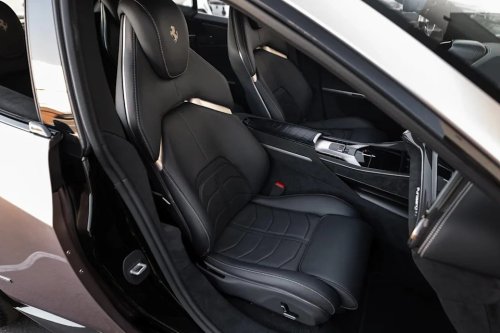
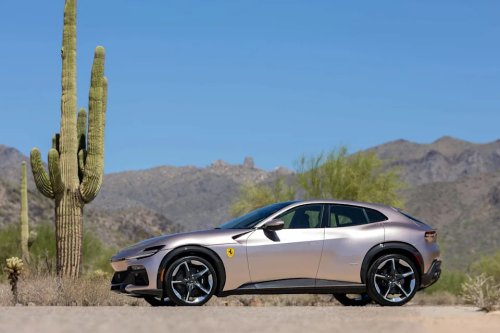
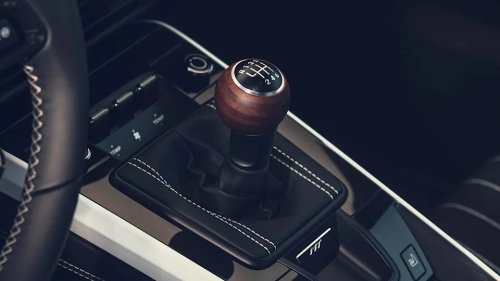
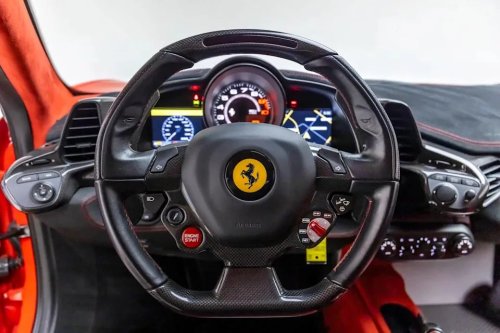
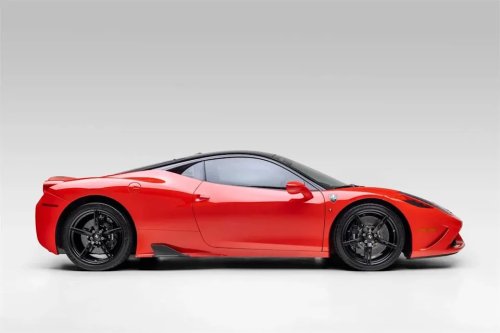
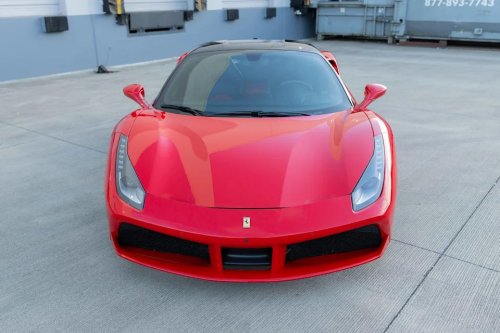
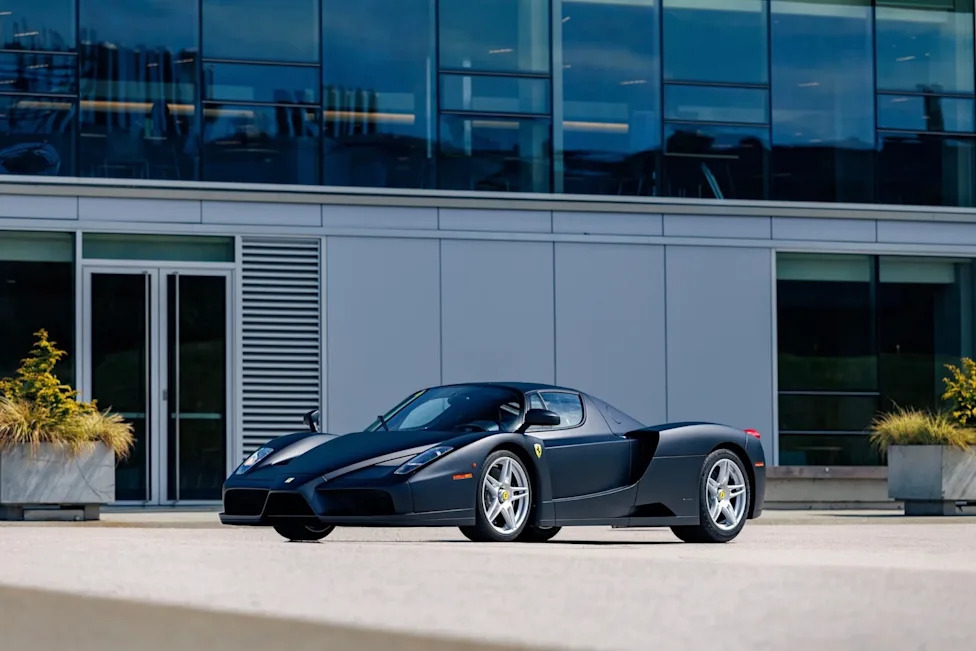
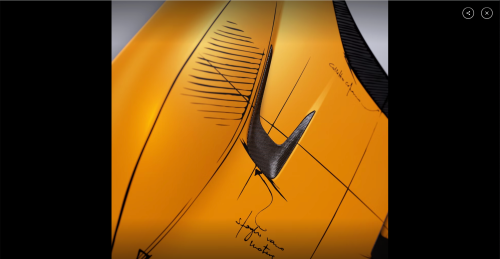
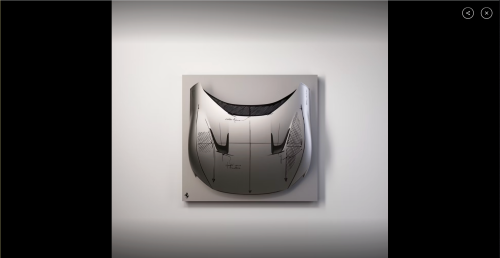
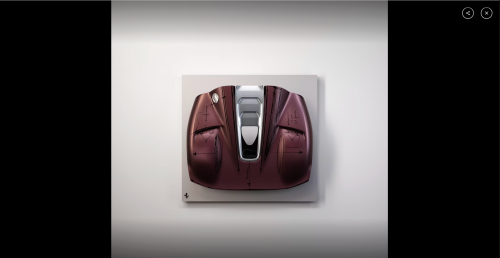
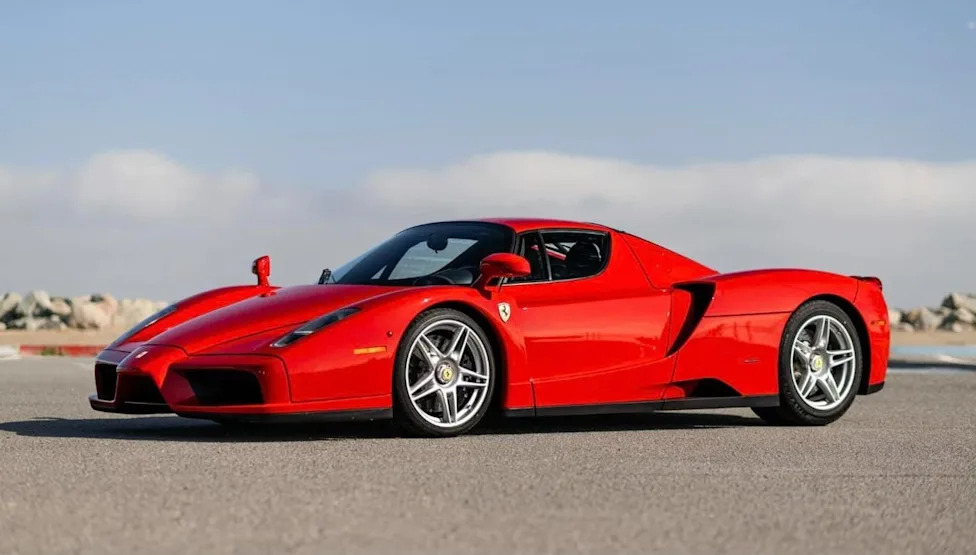
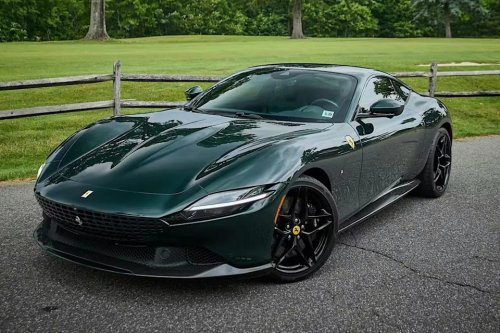
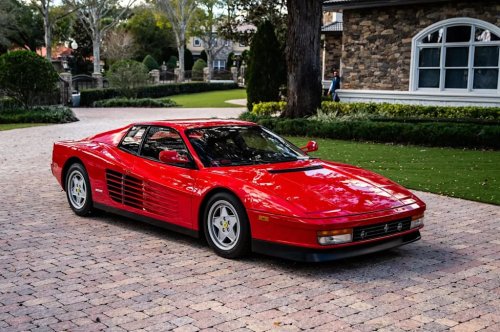
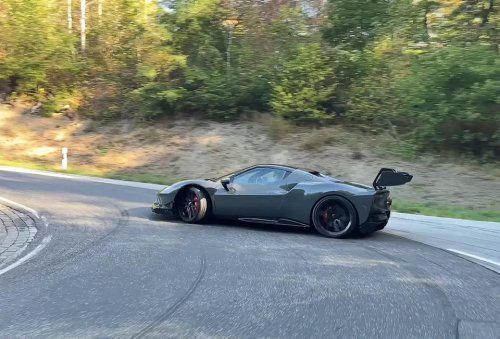
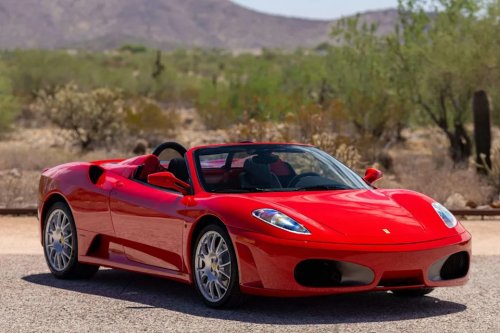
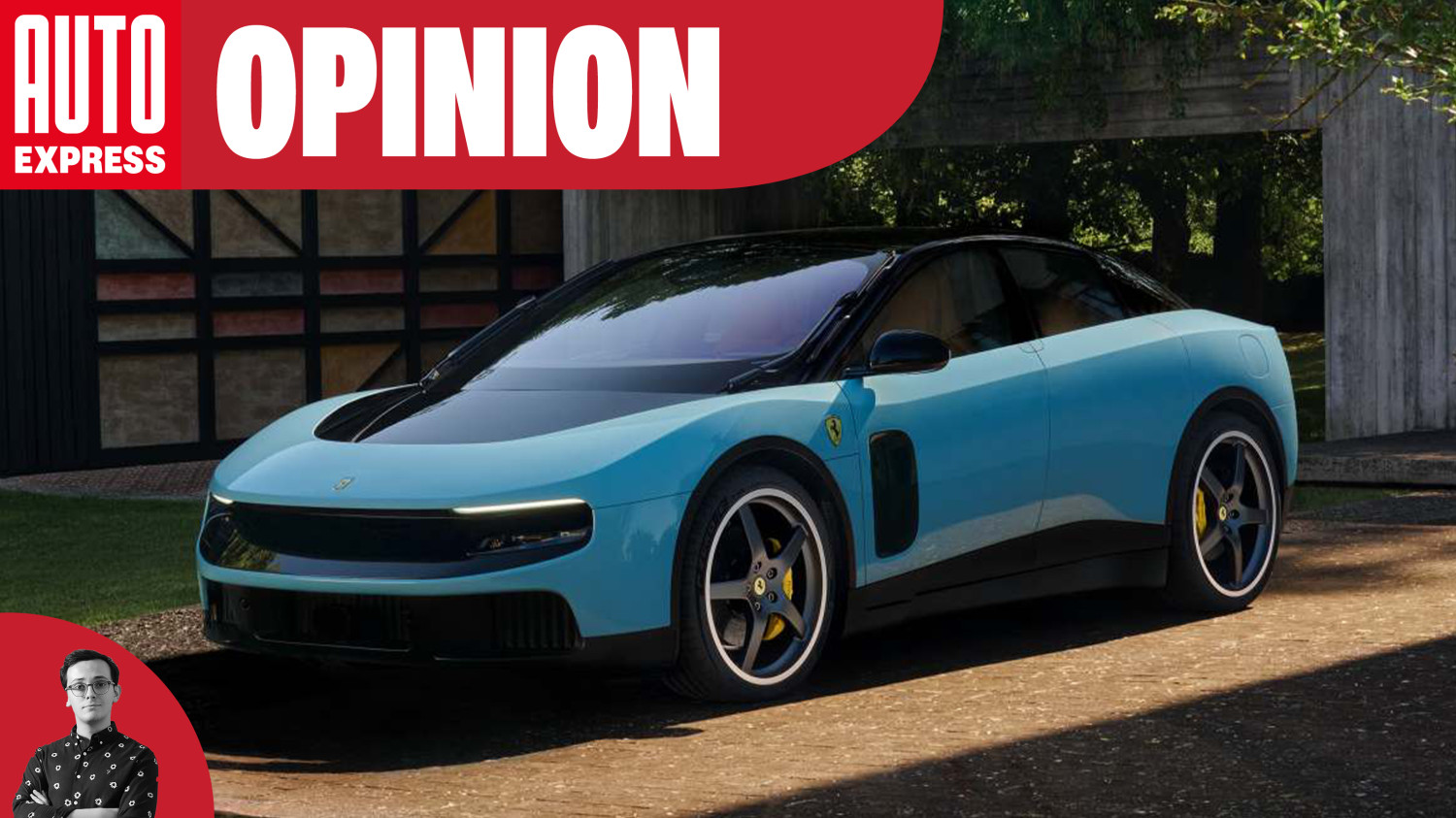
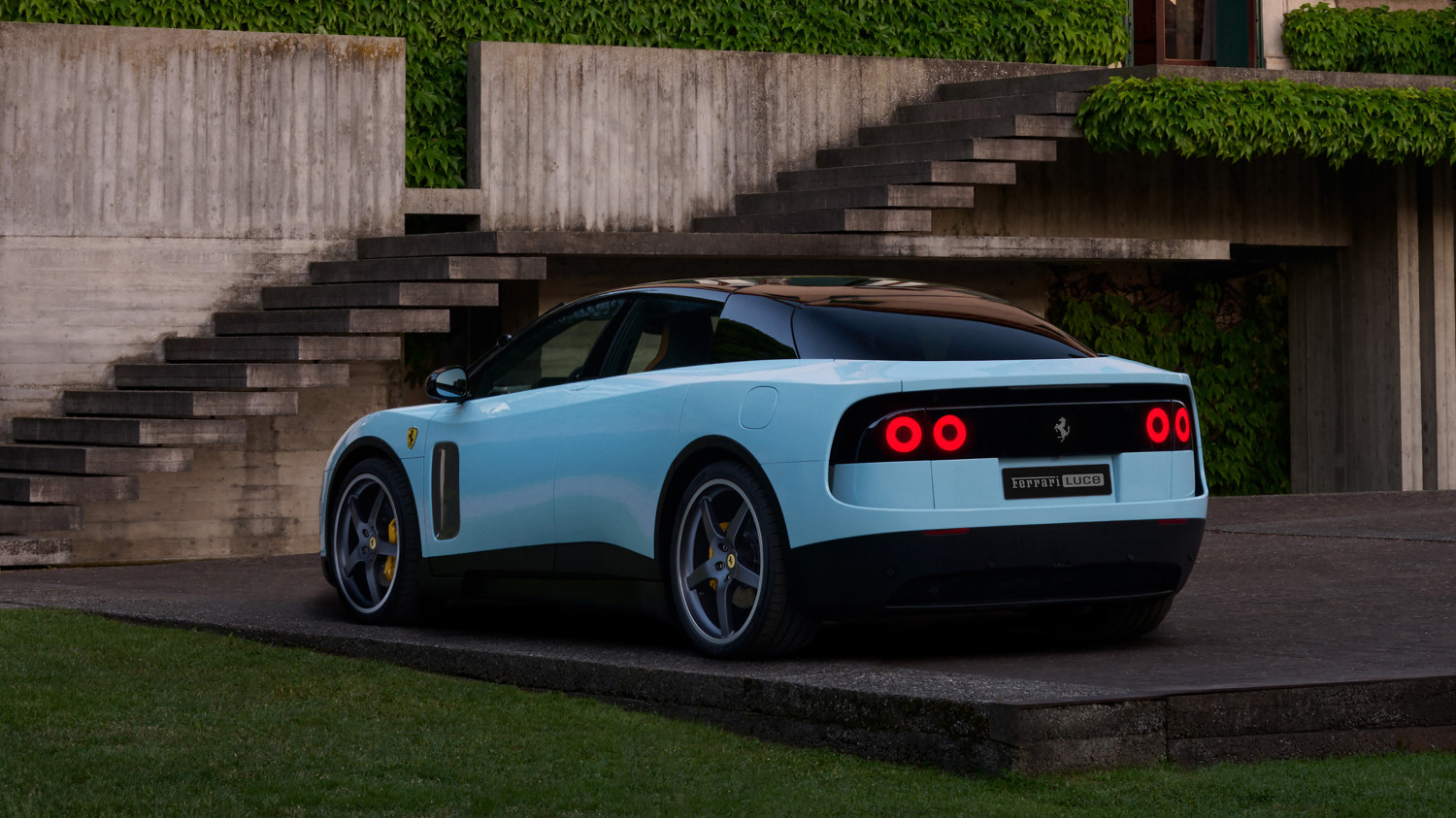
Technology has long since evolved beyond being a simple tool. Today, while the functionality and capabilities of a mechanical or tech product will ultimately define its usefulness, it’s the appearance and design that often forge the emotional connection with the consumer. Few brands embrace this philosophy more firmly than Ferrari and Apple. Both have certainly experienced their own product design hiccups – Ferrari California and Magic Mouse 2, anyone? – but they are nevertheless synonymous with delivering peak performance in a beautiful package. Therefore it seemed like a no-brainer for Ferrari to team up with ex-Apple design boss, Sir Jony Ive, and his firm, LoveFrom, to produce the Italian firm’s first EV. The electric car market is beginning to blur the line between technology and automotive, so recruiting perhaps the greatest tech product designer of all time appears, at face value, to be somewhat of an industry cheat code. Yet ever since the covers were pulled off the Ferrari Luce, I can’t help feeling it’s rather ironic how a car with a name that translates as ‘light’, exists only to illuminate how the design principles of cars and tech don’t always align. That’s not to say they can’t; LoveFrom has employed learnings from the tech industry to treat each element of the Luce’s interior as an individual ‘product’. This enhances the overall tactility and comes as an antidote to contemporary car interior design, which hinges more heavily on infotainment UIs (user interfaces). Factor in the retro-styled elements – such as the circular dials and aluminium steering wheel – and the Luce’s cabin strikes the perfect balance between classic Ferrari and Apple’s own futuristic minimalism. Sadly, though, if you step out of the Luce and look back, you’ll see the Apple influence takes over almost entirely. The ‘squircle’ proportions are classic Ive, but aside from the F355-style rear lights, there’s very little ‘Ferrari’ to be found. The sports car firm has, admittedly, slowly evolved its visual language throughout the years, with the Daytona and 360 perhaps marking Maranello’s biggest leaps in terms of design. Nevertheless, a Ferrari has almost always been instantly recognisable as a Ferrari – something that if it weren’t for the badges, I’m not sure that the Luce would. In fact, it feels like LoveFrom has ditched the principles of traditional automotive design altogether in favour of a similar approach to developing smartphones. The firm has focused its best efforts on the UI – in this case, the interior – and relegated the Luce’s exterior to little more than a vessel to hold the cabin with which the driver interacts. This may seem like a solid rationale – after all, the driver only sees the inside of the car – until you realise that it’s not the interior of a Ferrari that makes its way onto bedroom walls. It’s the striking exterior designs that have inspired generations of car enthusiasts throughout history – myself included. The closest most of us will get to experiencing a Ferrari in our lifetimes is by looking on from outside, so while it’s certainly valid to focus on the cabin, neglecting the exterior risks alienating the fanbase that drives the passion behind the brand in the first place. With this in mind, the Luce feels like somewhat of a misstep and an attempt to make a Ferrari a posh consumer electronic, rather than an object of passion. Of course, while many EVs nowadays do come dangerously close to feeling like appliances, that goes against the ethos of what a supercar is and risks damaging the Ferrari brand altogether. You buy a phone to doomscroll, consume content and sometimes, maybe, make calls. In contrast, you don’t splash out on a Ferrari just as a means of getting around; most buyers have 12 other cars for that purpose. It's the emotion and excitement behind the brand, as well as the exquisite design and engineering, that compel you to take the plunge. And with Ferrari’s stock price taking a huge dive since the Luce’s reveal, I don’t think investors believe many will.



















 +57 others