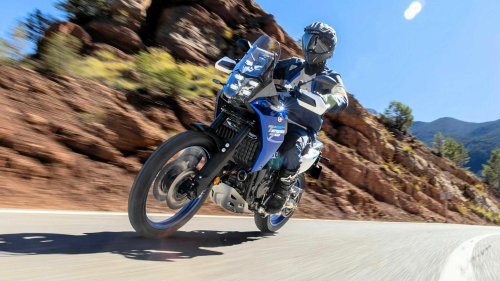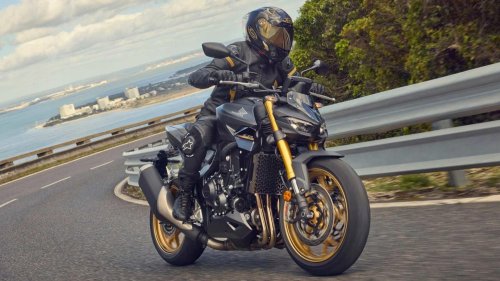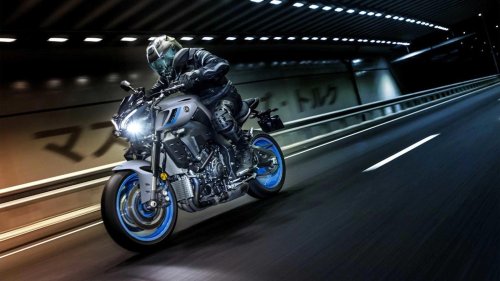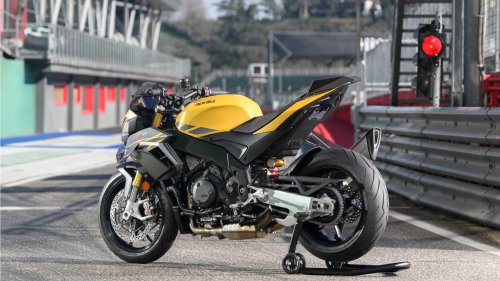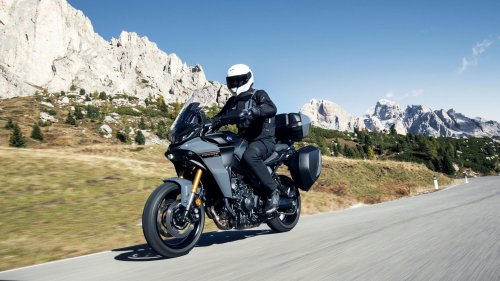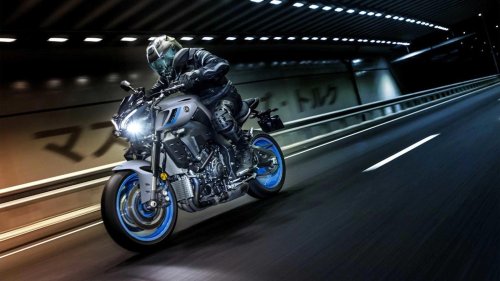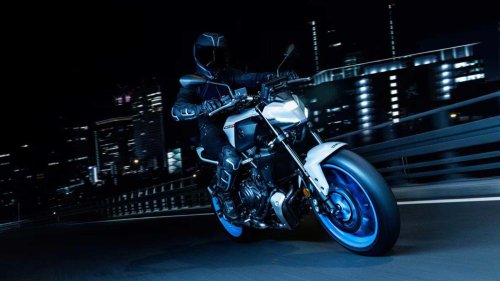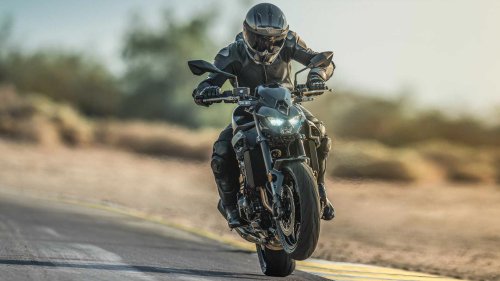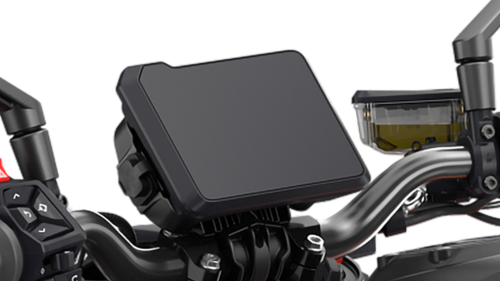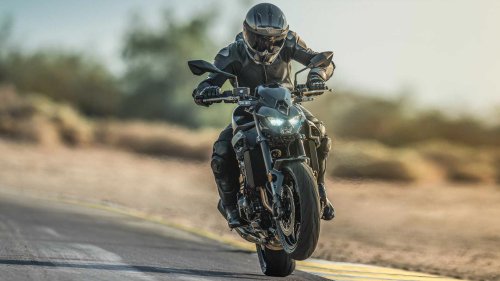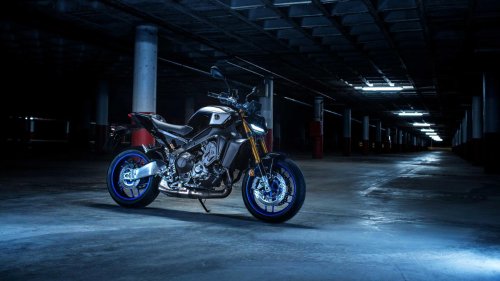
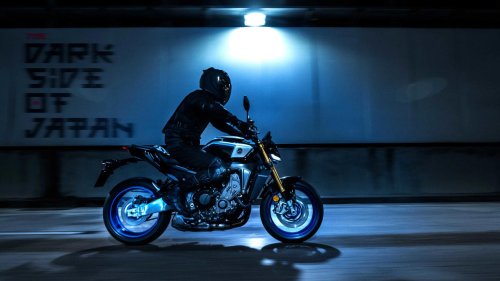
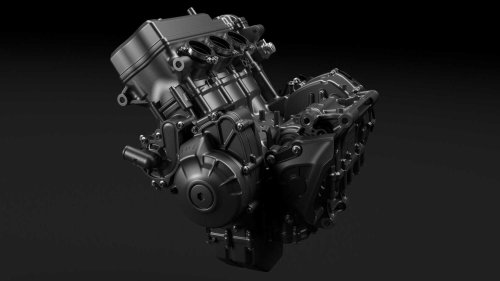
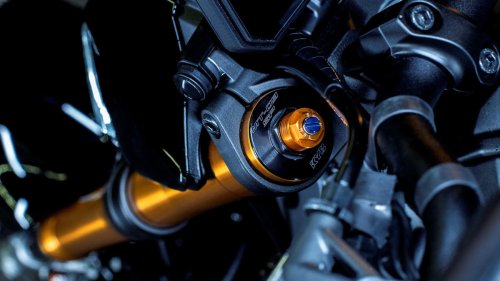
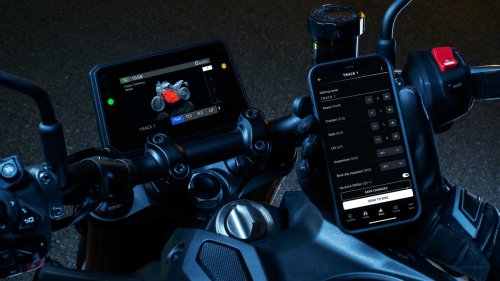












Sport bikes pretty much took over the motorcycle industry back in the 90s. Manufacturers were building one impressive bike after another, either in a quest to have the fastest production motorcycle on the books or the quickest bike around a track. While fast, these bikes gradually became less practical.Smaller displacement sport bikes got more and more track-oriented, while the bigger bikes got heavier and heavier. Standard bikes had most certainly lost their appeal, with the UJM years now very much in the rearview mirror. There was a need for a more comfortable motorcycle that offered dynamic handling. Enter the naked bikes. The Naked Sport Bike Is The Default Everyday Performance Bike Ducati was the first manufacturer to see the gap in the market. The 1994 Monster is widely considered the very first naked sport bike, or a sport bike, just without fairings. It was a smash hit and effectively reinvented what an everyday performance bike looks like. It offered comfort-oriented ergonomics that made it practical enough to use daily, coupled with dynamic handling that made it equally adept at canyon carving.Pretty much every manufacturer followed this template going forward, and the naked sport bike, or naked bike, effectively became the new standard motorcycle. That trend continues today. No matter how many performance-oriented touring bikes and ADVs enter the scene, nothing comes close to a true naked if you want a true everyday performance bike. A whole lot of such streetfighters are present today, and they try to make their own case in different ways. Only a few can get everything right, though, and Yamaha has a winner in this regard. The Yamaha MT-09 SP Offers Impressive Performance For A Reasonable Price MSRP: $12,699 YamahaYamaha tried in vain to make the R6 engine work in a naked/semi-faired platform, but it never quite worked. The introduction of the MT series proved to be a watershed moment for the brand. While the MT-10 sits at the top of the range (at least for now) and makes use of a reworked superbike engine, the MT-07 and MT-09 boast powertrains that were designed to be used in the real world. The MT-09 SP, in particular, offers us a way to own a genuine high-performance motorcycle that is affordable and also practical enough to use every day. Unmatched Torque Makes The MT-09 A Super Fun Machine Power: 117 HP / Torque: 68 LB-FT Yamaha Powersports When Yamaha developed the CP3, the main objective was to find a balance between bottom-end grunt and top-end performance. Essentially, what the previous models were unable to do. It was decided that the best course of action was to develop a brand-new triple, as it offered the torque delivery of a big twin, and the top-end performance of an inline-four. Over the years, it has been refined somewhat, and with so much torque available early on in the rev range, it well and truly lives up to its “Master of Torque” moniker. While primarily developed for this naked bike platform, the CP3 has proven versatile enough to be used in a wide selection of motorcycles, including the new R9 sport bike. Practical Performance Is Aplenty Yamaha Like most motorcycles, there have been a couple of niggles here and there over the years, but overall mechanical reliability simply cannot be faulted. It is an exceptionally reliable motorcycle engine, something that is underscored by the fact that it is put in the Tracer 9 touring bike without any modification. With a claimed fuel economy of 48 MPG, it is also economical enough to use as a commuter, but with its addictive powerband, replicating that claimed figure might prove difficult. The MT-09 SP Offers Serious Canyon Carving Potential Yamaha While the twin-spar aluminum chassis is more or less standard fare for Japanese manufacturers, the single biggest criticism leveled at the original MT-09 was how poor its suspension was. It was soft, spongy, and quite frankly, out of place on a bike as capable as the MT-09. While the base model has since improved, the SP model is what really rights those wrongs by employing a bit of fancy Swedish kit at the rear.Its fully adjustable Öhlins rear shock is complemented by equally competent, fully adjustable KYB forks. It gives the MT the dynamic handling it so deserves, and is well worth the extra expense for those looking to carve up a canyon or two over the weekend. The occasional trip to the track is also well within its scope, but we will readily admit that if you are after a more dedicated track bike, the R9 is a better bet. Everything You Might Want, With One Minor Exception Yamaha When it comes to electronics, all the proverbial bells and whistles are present and accounted for. A recent update gave the model an IMU, so it has cornering ABS and lean-sensitive traction control on top of ride modes, cruise control, a quickshifter, and a big screen with smartphone connectivity. This is a bike that really has every conceivable base covered, and it isn’t even particularly heavy. Considering all the performance on offer, the uprated suspension, and all the features, a wet weight of 428 pounds is nothing.The compact chassis also makes it pretty nimble within the confines of a city, but there is always a “but.” Looks are deeply subjective, but the MT-09 is objectively ugly. It really is let down by the contemporary “Transformer” design aesthetic that remains popular in this segment. While other manufacturers have found a decent sort of balance between modernity and elegance, Yamaha just hasn’t.If you are able to tolerate its looks, it is arguably one of the best motorcycles currently on sale. While there are other bikes that might offer more power or better handling, the MT offers a superior balance of the two to pretty much anything in its class. For the rest of us who find this design a bridge too far, the XSR900 might be a better option with its appealing retro design, but if you want the same riding experience, you will need to leave room in the budget for aftermarket suspension. Chassis, Suspension, And Weight Specifications