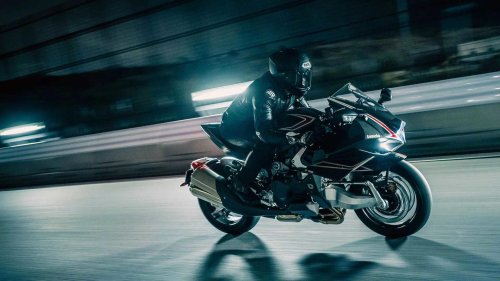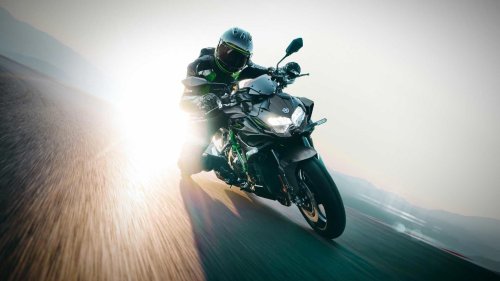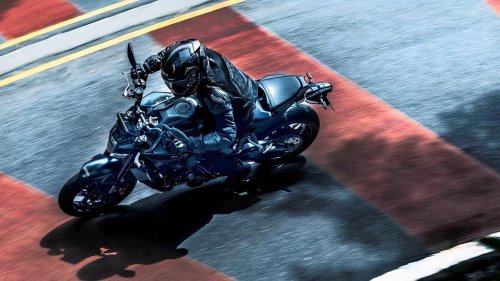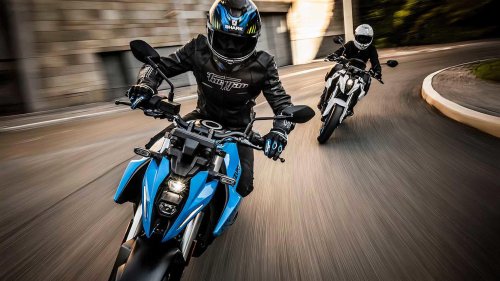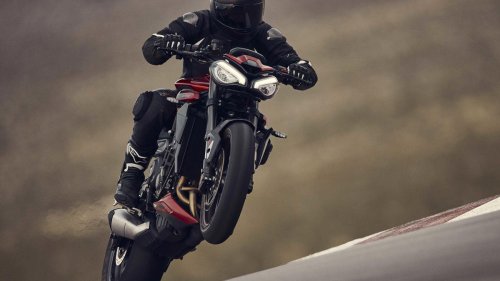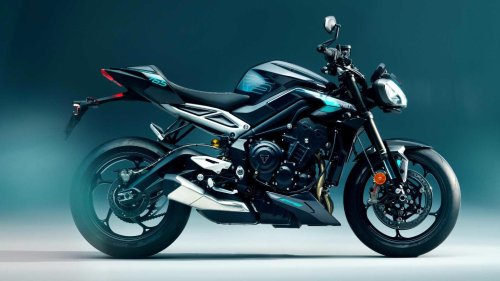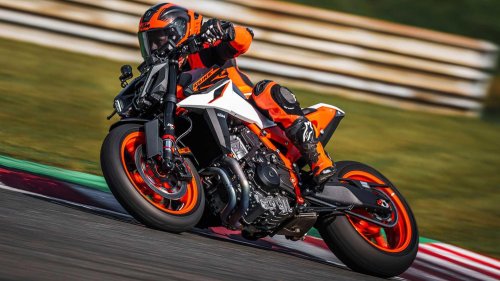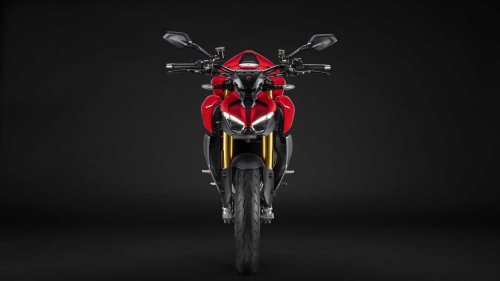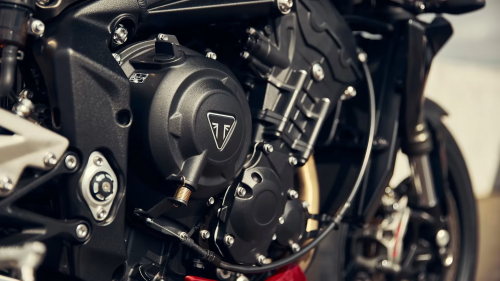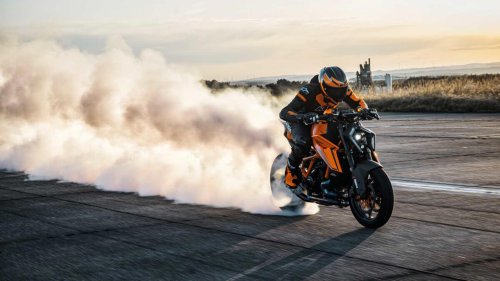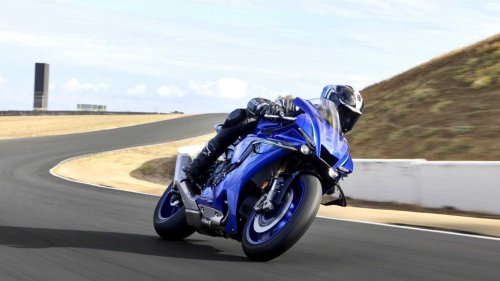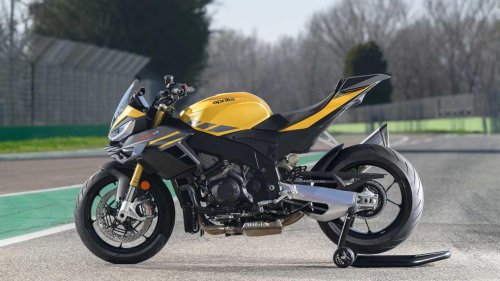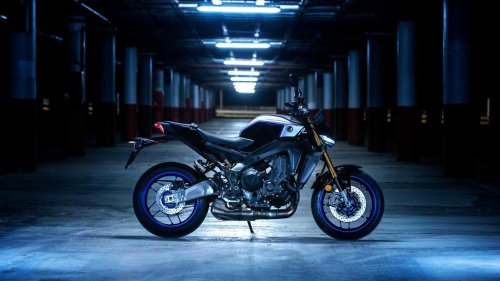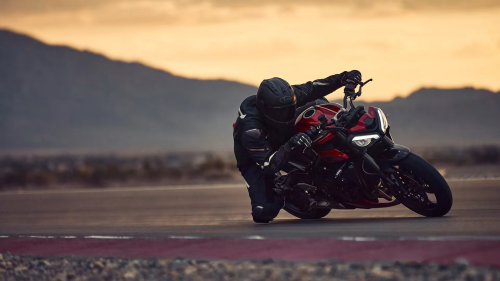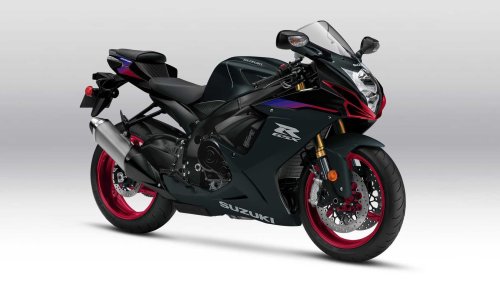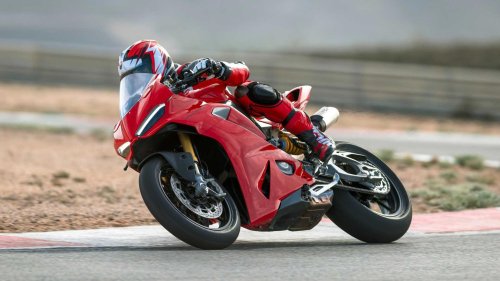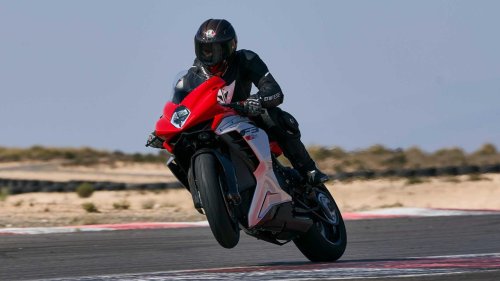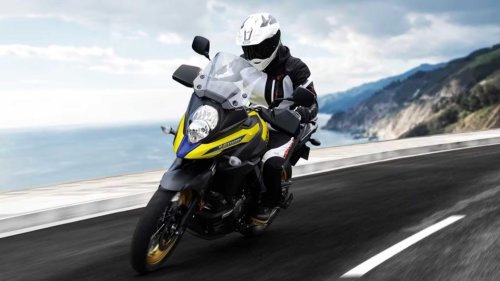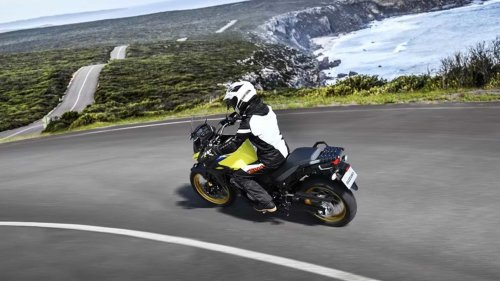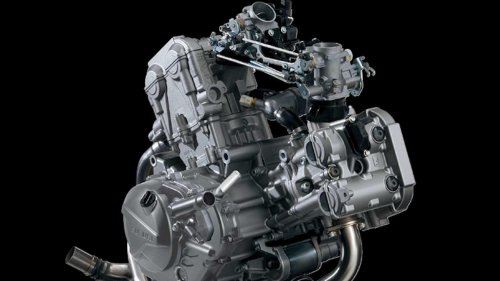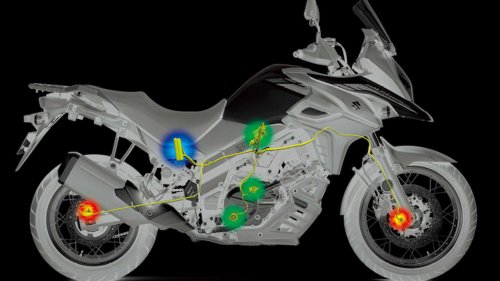
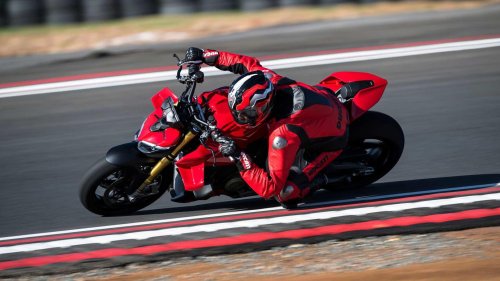
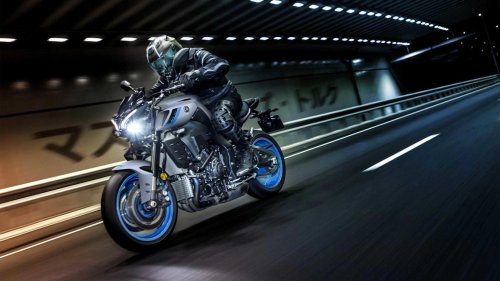
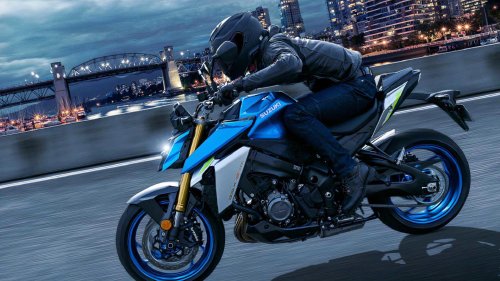
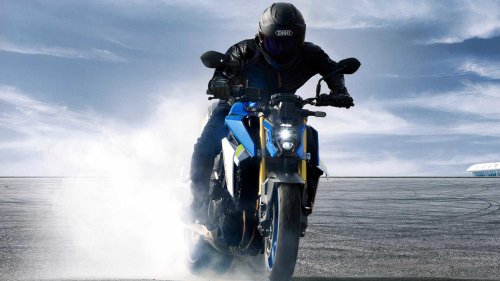
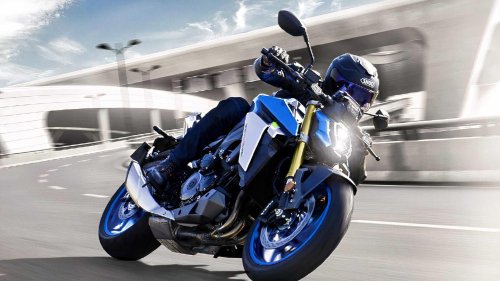
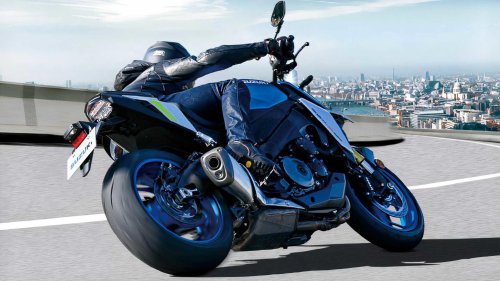
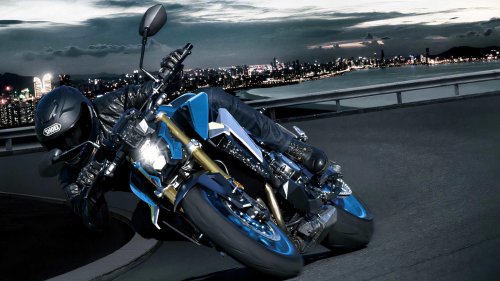
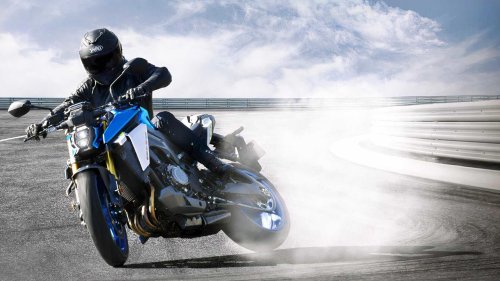



















Modern naked bikes have become incredibly fast over the past decade, but many of them now deliver their performance in ways that feel tense, hyperactive, and exhausting outside a race track. Huge horsepower figures, razor-sharp throttle maps, and aggressive riding positions might look impressive on paper, yet they can make everyday riding feel more like work than fun. That’s why a growing number of riders are starting to appreciate motorcycles that still know how to be thrilling without demanding constant concentration. Modern Performance Bikes Are Starting To Feel Excessive MV Agusta There’s no denying that today’s performance motorcycles are engineering masterpieces. Even middleweight naked bikes now produce power figures that would have embarrassed superbikes from the early 2000s, while electronics packages have become so advanced they resemble miniature MotoGP systems. The problem is that many of these motorcycles deliver speed in such an aggressive way that riders rarely get to enjoy their full potential on actual roads. Bigger Power Figures And Sharper Electronics Don’t Always Create Better Street Bikes Ducati Some modern naked bikes accelerate so violently and react so sharply to rider inputs that even experienced riders end up riding them cautiously most of the time. Stiff suspension setups, ultra-short gearing, and hypersensitive throttle tuning can create excitement during a quick blast through canyon roads, but they can also become tiring during commuting, touring, or longer weekend rides. Fast motorcycles are supposed to encourage riding, not intimidate riders into constantly managing them.Manufacturers have also leaned heavily into electronic intervention systems to tame all this performance. Cornering ABS, traction control, slide control, launch control, wheelie mitigation, and semi-active suspension are undeniably impressive technologies, but some motorcycles now rely so heavily on software that they feel disconnected from the rider underneath all the digital filtering. Riders looking for a more natural experience are beginning to notice that simplicity still has value. The Best Street Bikes Make Fast Riding Feel Effortless Yamaha Motorsports The best real-world performance motorcycles are usually the ones that disappear underneath you while riding. They feel stable at highway speeds, easy to maneuver through traffic, and predictable when pushed hard through corners. Confidence matters far more on public roads than absolute horsepower because riders tend to enjoy motorcycles more when they aren’t constantly worried about making mistakes.A good street bike also needs usable ergonomics. Wide handlebars, manageable seat heights, and neutral footpeg positioning make a motorcycle less physically demanding while still allowing spirited riding when the road opens up. Long rides become less fatiguing, slower city riding becomes easier, and riders are more likely to spend entire days in the saddle instead of cutting rides short because their wrists or backs are begging for mercy. The Suzuki GSX-S1000 Is Exciting Without Being Stressful Suzuki The Suzuki GSX-S1000 succeeds because it understands exactly what kind of motorcycle it wants to be. Instead of chasing outrageous horsepower wars or trying to imitate exotic European hyper nakeds, Suzuki focused on building a liter-class street bike that feels approachable, balanced, and rewarding in everyday riding. The result is a machine that still feels properly fast without becoming physically or mentally draining to ride.Powered by a 999cc inline-four derived from the legendary 2005 GSX-R1000 K5 engine architecture, the GSX-S1000 produces 149 horsepower and 78 pound-feet of torque. Suzuki revised the engine over the years to improve midrange usability and emissions compliance, and that tuning philosophy completely changes how the bike behaves on the street. Instead of chasing peak numbers at astronomical rpm, the engine delivers strong, smooth acceleration exactly where riders actually use it. A Superbike-Derived Engine Tuned For The Street Changes Everything SuzukiThat engine character is a huge part of why theGSX-S1000feels so enjoyable. The bike pulls hard from lower rpm without constantly demanding downshifts, yet it still delivers the thrilling top-end rush expected from a liter-class inline-four. The ride-by-wire throttle calibration is impressively smooth, and Suzuki’s bi-directional quickshifter works cleanly whether riding aggressively or casually. There’s excitement available instantly, but never in a way that feels overwhelming.Suzuki also kept the electronics package refreshingly straightforward. Riders get three ride modes through the Suzuki Drive Mode Selector system, along with a five-level traction control system that can also be disabled entirely. There’s no endless maze of menus or complicated customization layers. Instead, the technology quietly supports the riding experience without becoming the centerpiece of it. The full color TFT display adds modern functionality while remaining easy to navigate. A Rare Balance Between Excitement And Approachability Suzuki The chassis setup contributes heavily to the GSX-S1000’s approachable nature. Built around a twin-spar aluminum frame paired with a fully adjustable KYB suspension package, the bike feels composed and planted without punishing the rider over imperfect pavement. The suspension tuning strikes a sweet spot between sporty responsiveness and everyday comfort, something many modern naked bikes struggle to achieve.At 472 pounds ready to ride, the GSX-S1000 is not featherweight, but the weight is carried well. The wide handlebars create excellent leverage at lower speeds, while the relatively upright ergonomics help riders feel relaxed and in control. Combined with a 32.7-inch seat height, the bike feels surprisingly manageable for a liter-class machine. Braking performance comes from Brembo monoblock front calipers paired with dual 310 mm front discs, offering strong stopping power without feeling overly aggressive. Suzuki Avoided The Mistake Many Modern Naked Bikes Make One reason the GSX-S1000 still stands out in 2026 is because Suzuki resisted the temptation to overcomplicate it. Some modern performance nakeds chase attention through massive wings, radical bodywork, or overwhelming electronics suites. Suzuki instead focused on building a motorcycle that riders can actually live with every day. That restraint gives the GSX-S1000 a kind of timelessness many trendier bikes may eventually lose.The styling still looks sharp thanks to aggressive LED lighting and muscular proportions, but it doesn’t scream for attention the way some European rivals do. More importantly, the motorcycle feels mechanically honest. Riders can immediately understand what the chassis is doing underneath them, and that transparency creates confidence. It’s a motorcycle that encourages smooth riding rather than forcing riders to constantly wrestle with it. It’s Simple Without Feeling Cheap Suzuki Simplicity doesn’t mean the GSX-S1000 feels outdated. As-standard USB charging adds practical usability, and the TFT instrumentation gives the cockpit a modern appearance. Suzuki simply prioritized features that genuinely improve ownership rather than adding flashy technology for marketing purposes. That approach helps keep the bike accessible while still delivering everything most riders realistically want.The GSX-S1000 also benefits from Suzuki’s long-standing reputation for durability and relatively low ownership costs compared to many European alternatives. Riders get liter-bike performance without worrying about exotic maintenance schedules or intimidating repair bills. That matters more than ever as motorcycle prices continue climbing across the industry. Sometimes the smartest performance bike isn’t the most technologically extreme one. The GSX-S1000 Proves That Fast Doesn’t Have To Mean Exhausting Suzuki At $11,989, the GSX-S1000 occupies an increasingly rare position in the modern motorcycle market. It delivers genuine liter-bike acceleration, premium hardware, and modern electronics without pushing into absurd pricing territory. More importantly, it delivers all that performance in a package that riders can comfortably enjoy every single day instead of only during short bursts of adrenaline. Why This Formula Still Works Brilliantly In 2026 Suzuki The GSX-S1000 proves that real-world performance still matters more than spec-sheet bragging rights. Riders don’t always need 200 horsepower, semi-active suspension, or aerospace-level electronics to have fun. Sometimes the best motorcycles are simply the ones that make riders want to keep riding longer. Suzuki understood that balance years ago, and the GSX-S1000 continues to prove that approachable performance can still be deeply exciting in 2026.Source: Suzuki Cycles