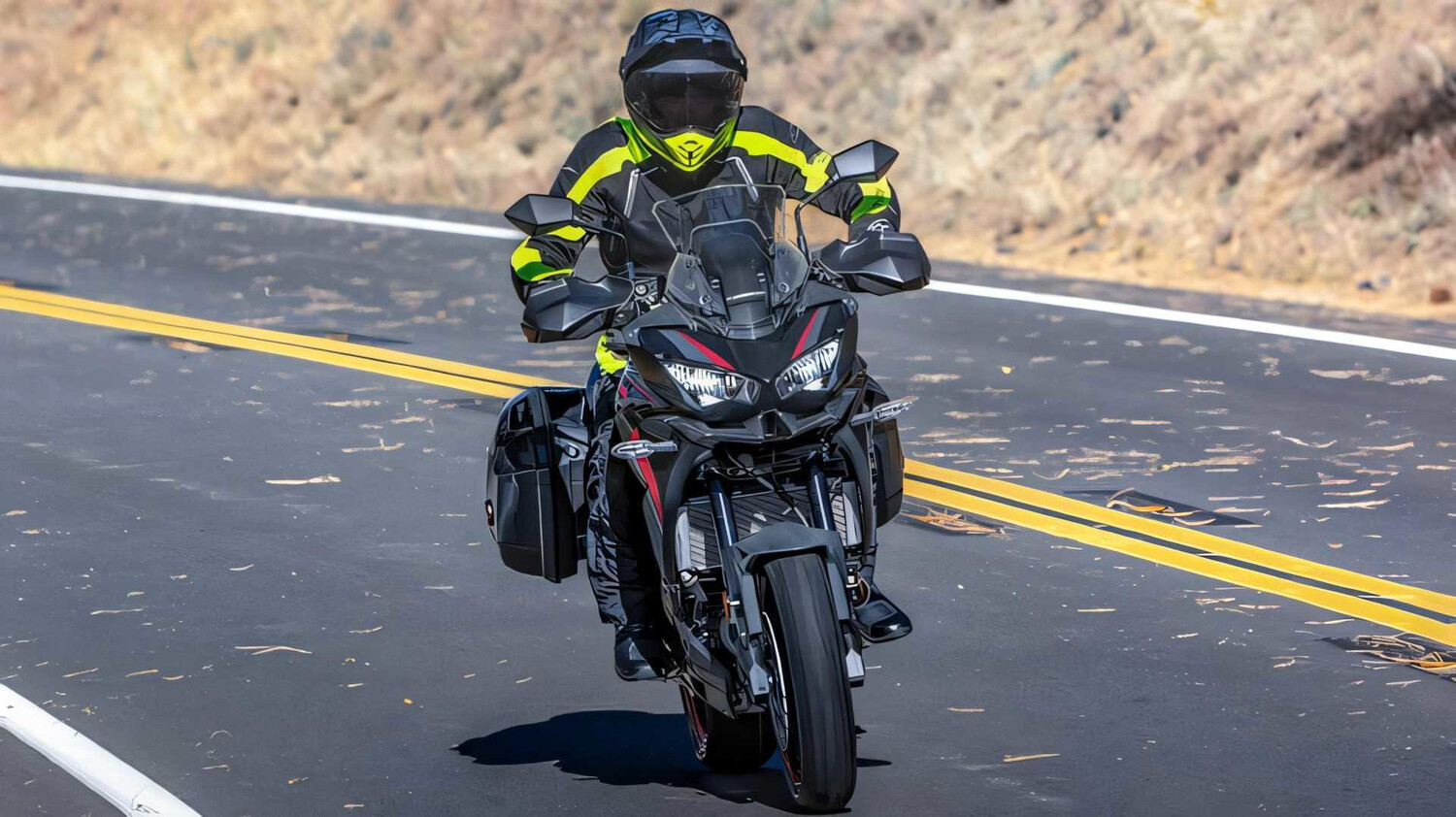
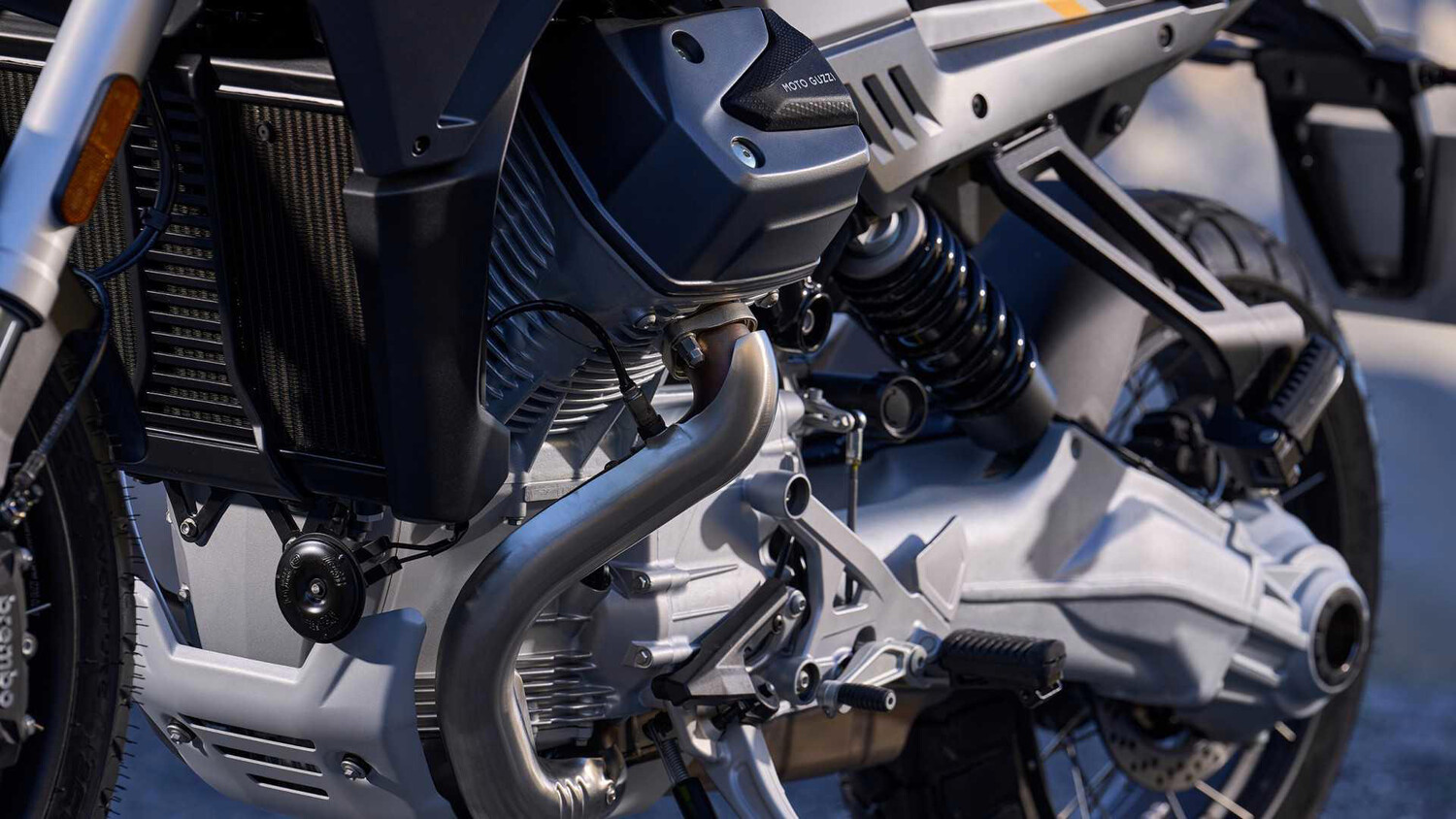
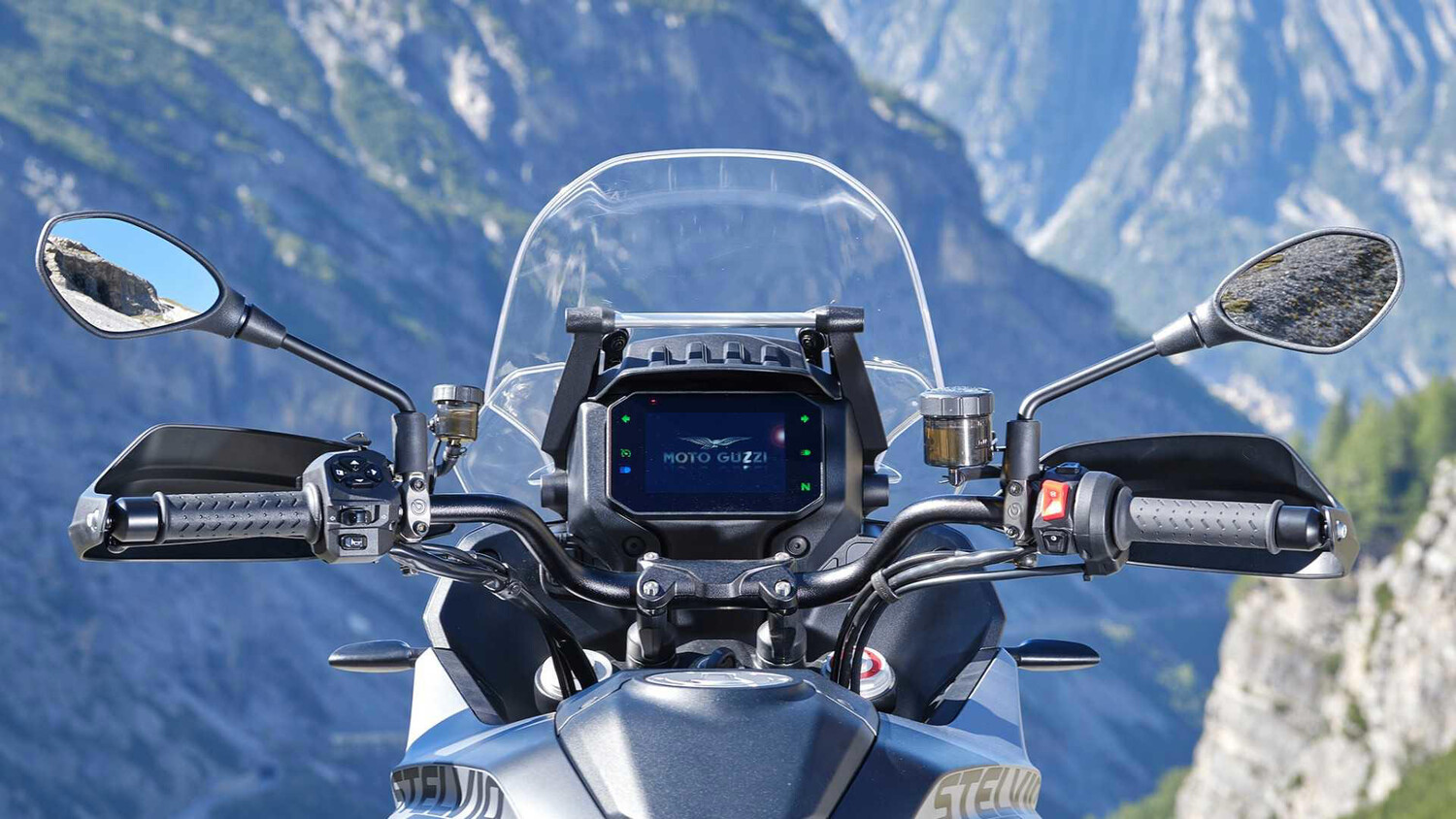
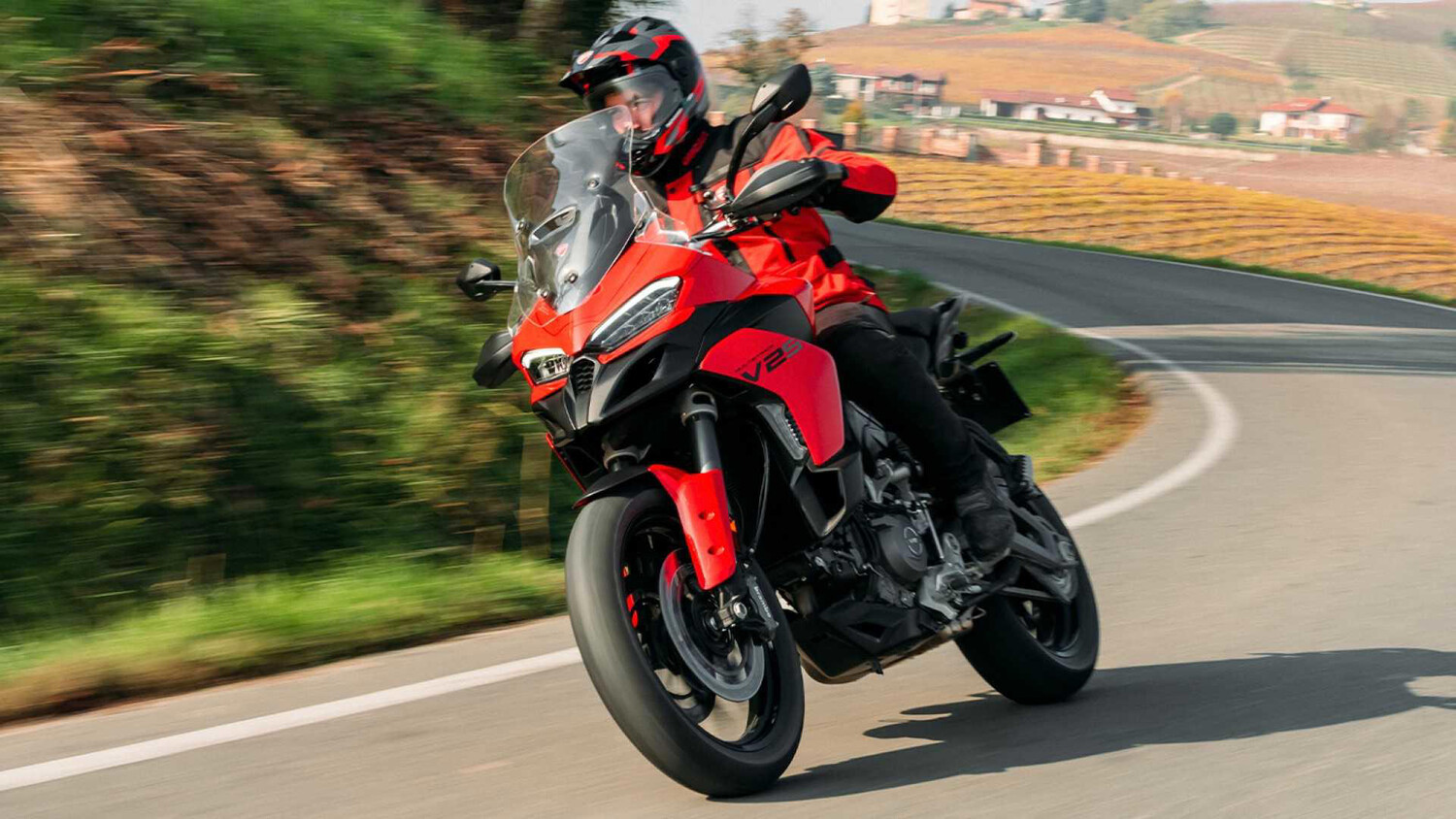
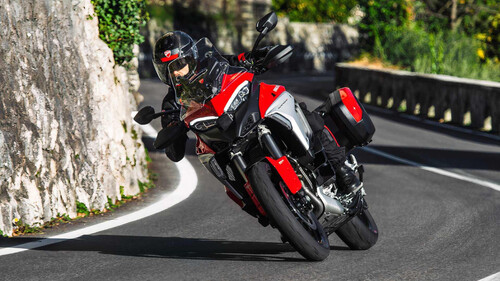
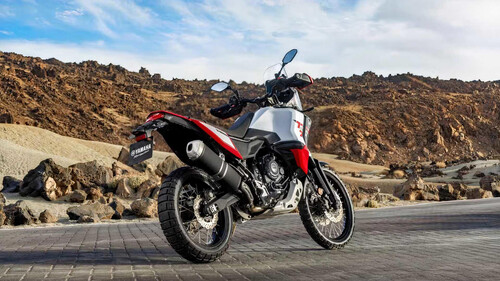
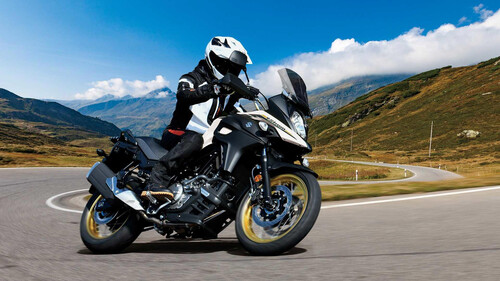
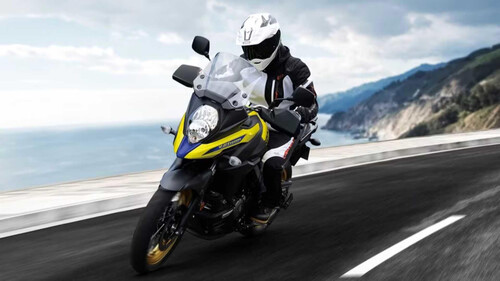
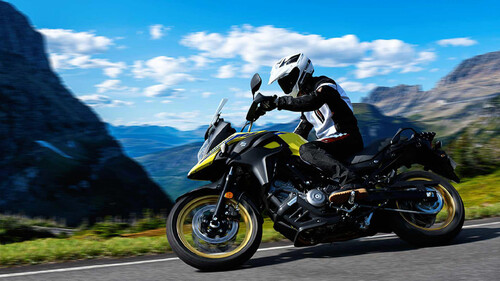
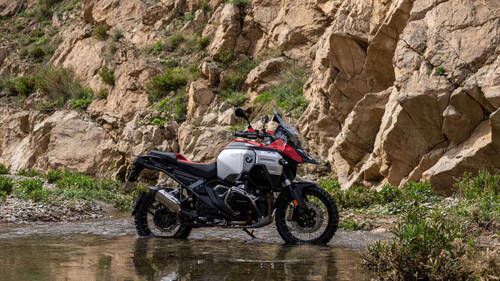
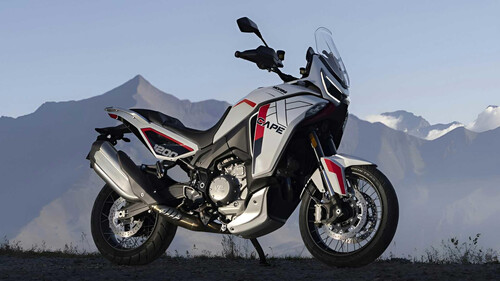
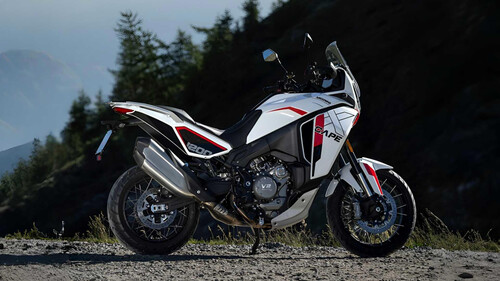
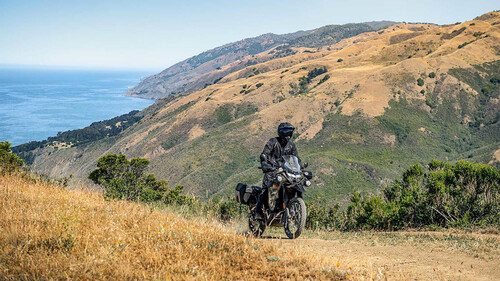
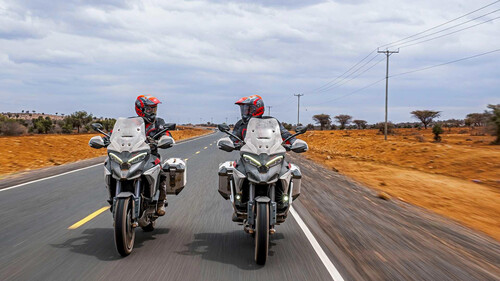
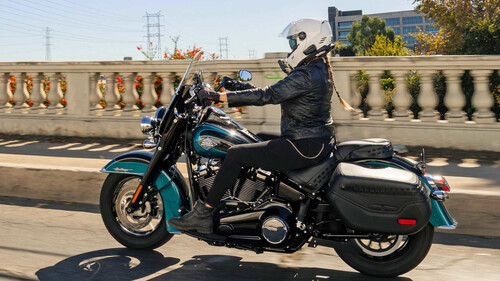
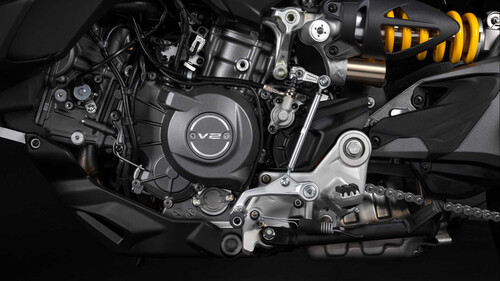
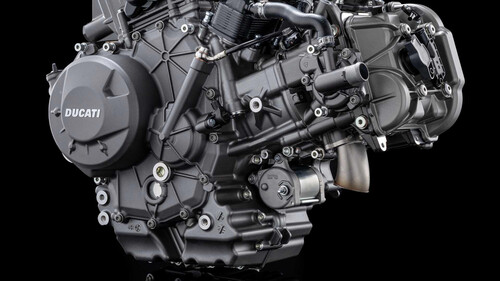
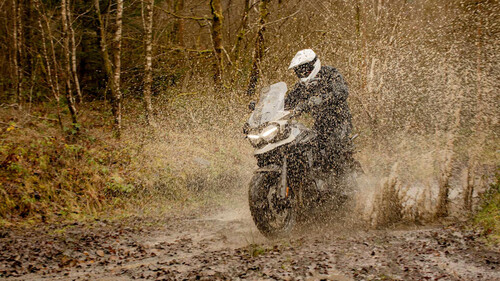
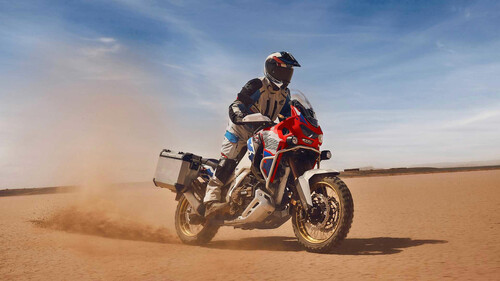
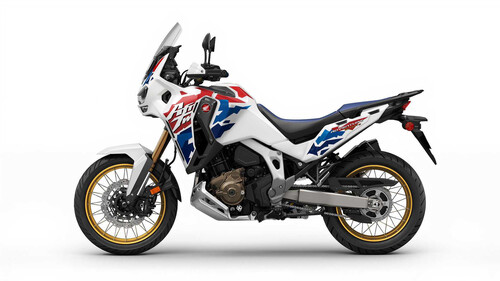
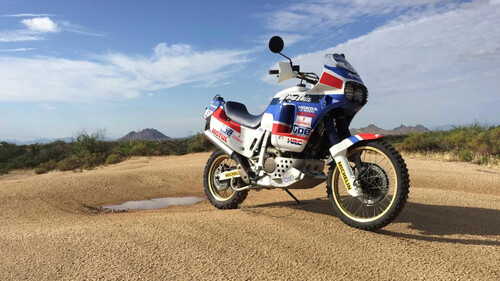
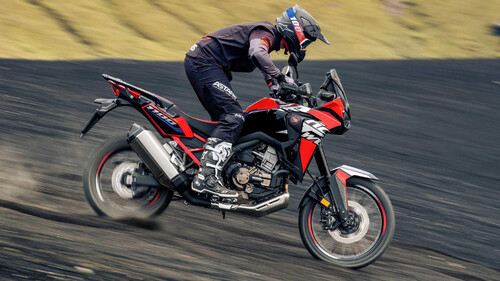
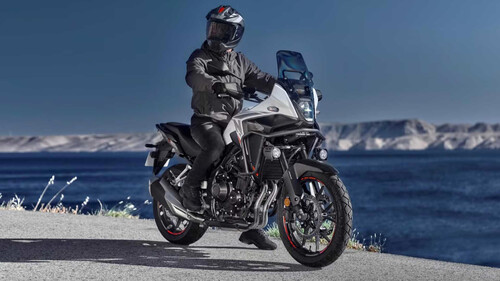
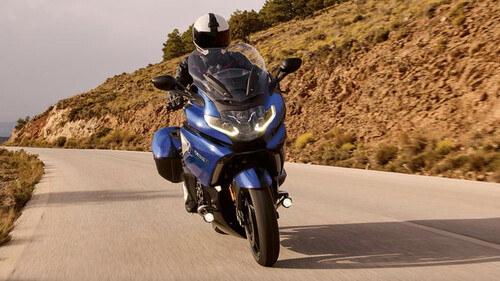
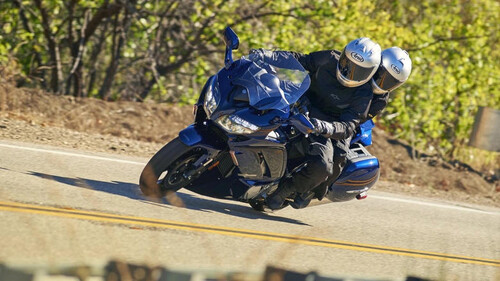
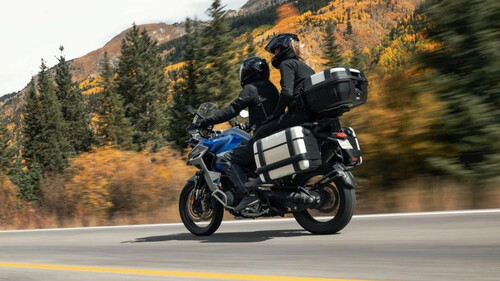
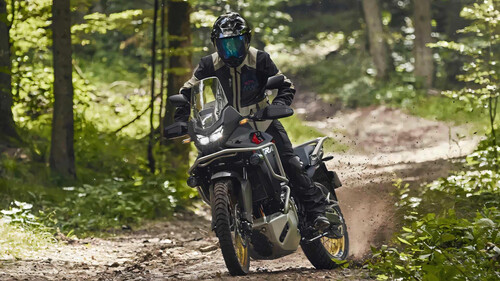
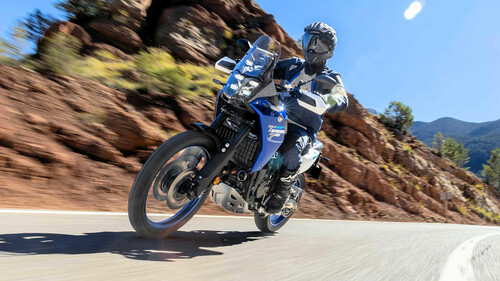
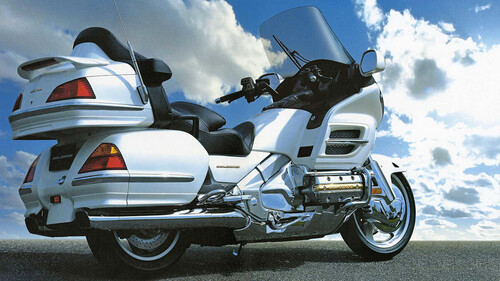
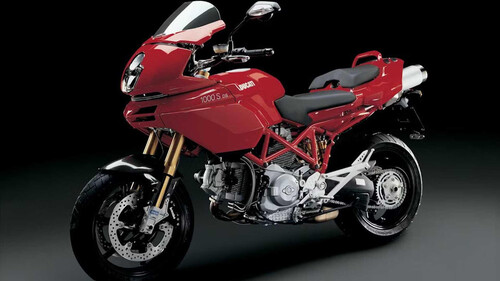
The Stelvio Pass has tested riders and motorcycles for generations, and a bike that borrows the badge invites the obvious question of whether it can live up to the road itself. Winding up through the switchbacks toward the summit, the climb stresses every part of the machine despite seeming like an easy enough route to tackle. It tests the tractability of the engine on the slow corners, the tautness of the chassis through hairpins, the adaptability of the suspension over varying tarmac, and the riding position across the hours it takes to do all of it justice. A machine tuned narrowly for any one of those traits will show its weakness somewhere on the way up.These gaps run through the whole adventure motorcycle class in particular. A bike built to chew up technical trails isn’t particularly good on the interstate connecting them, and a bike tuned for the highway slog usually struggles in the dirt with a shrunken front wheel. Naming a motorcycle after that pass, then, is a statement of intent, because the road it borrows its badge from refuses to let a bike be good at only one thing. Comfort Is Measured In Hours On ADVs KawasakiAn adventure bike can replace two bikes at once, and it is comfortable as long as you get one that’s fit for purpose. The real measure of comfort only becomes apparent once you’re tired. The first hour flatters almost any adventure bike, from the plush seat, the novelty of a new machine, and the roads you choose because they're good. As the fun roads run out, and a stretch of featureless highway stands between you and dinner, the bike stops being the thing you're enjoying and becomes the thing you're subconsciously holding on to.BMWA riding position that felt natural at dawn starts working against your lower back as the miles and hours pile up. Wind you didn't notice at first becomes a constant pressure you brace against without realizing. The engine that felt eager now wants a downshift for every pass, adding one more small decision in a day already full of them. Nothing here is a flaw you'd catch on a test ride, but it's the accumulation that gets you, the way minor irritations compound into fatigue. The Moto Guzzi Stelvio Is The All-Rounder That Refuses To Pick A Side PiaggioMoto Guzzi revived the Stelvio name in 2024 on the Compact Block platform that debuted in the V100 Mandello, using the engine as a stressed member rather than hanging it off a cradle. At $16,390, the Stelvio lands in the heart of the 1,000cc adventure class, running a transverse 90-degree V-twin and shaft final drive in a tourer that still wears a 19-inch front wheel. It is also one of the few adventure tourers offering radar-assisted rider aids. The Compact Block V-Twin Has Plenty Of Low-End Grunt Moto GuzziThe Stelvio’s 1,042cc liquid-cooled V-twin makes 115 horsepower at 8,700 rpm, but for an adventure-touring bike, the number that matters is the 105 Nm of torque peaking at 6,750 rpm, with 82 percent of it already on tap from 3,500 rpm. That means a roll-on overtake is dealt with immediately without dropping two gears first.The DOHC heads run finger followers, and four valves per cylinder, and the six-speed gearbox feeds a shaft instead of a chain, so the long mixed-surface days come without grit chewing the chain and sprocket on a gravel road. A hydraulic slipper clutch keeps the lever feel light, and the rear settled on aggressive downshifts. The 90-degree transverse layout is the brand's signature, and nothing else in the class feels quite like it. Suspension And Ergonomics Built For The Long Way Round PiaggioThe Stelvio doesn’t boast the most sophisticated suspension out there, partly explaining its lower price tag, but it’s just shy of top-tier electronic units and does the job as well. Up front, a Sachs 46mm inverted fork strokes through 6.7 inches of travel with rebound and preload adjustment, matched by a KYB monoshock on the single-sided swingarm carrying the same 6.7 inches and a remote preload knob.The suspension travel range is genuinely adventure-grade, and it pairs with 19-inch cross-spoke front and 17-inch rear wheels on tubeless Michelin Anakee Adventure rubber. The 32.7-inch seat is set for a variety of inseam lengths, while the electrically adjustable windscreen moves through 2.8 inches to clear air above the helmet. At 542 pounds wet, the Stelvio sits low enough that the bike steers lighter than its mass on the stand. Modern Electronic Aids Complete The Package Moto GuzziThe Stelvio runs five ride modes: Sport, Strada, Turismo, Pioggia, and Off-road, each remapping throttle response, Moto Guzzi Traction Control, engine braking, and cornering ABS, with the lean-sensitive ABS offering a dedicated off-road setting that frees the rear. A 5-inch color TFT handles the menus alongside standard cruise control, full LED lighting with the eagle-shaped daytime running signature, and MIA smartphone connectivity for navigation and calls. A bidirectional quickshifter and TPMS sit on the options list. The PFF Rider Assistance version (or Piaggio Fast Forward) adds advanced radar-based assistance hardware for Forward Collision Warning, Blind Spot monitoring, and a Lane Change aid, with adaptive cruise control available on top. The Stelvio Against The V-Strom, Africa Twin, And Multistrada Moto GuzziPriced at $16,390, the Stelvio undercuts Suzuki's value-packed $16,449 V-Strom 1050DE by a sliver and sits below Honda's $17,799 Africa Twin Adventure Sports ES, the two obvious Japanese all-rounders. Both are excellent, both run a chain, and the Suzuki makes the rider choose a wheel size that leans toward one job.The Africa Twin variant still leans on mixed use with a 19-inch front, but the whole setup still feels a tad road touring biased. The Stelvio, with its 19-inch front and 6.7 inches of travel, still keeps the dirt side honest while being open to tarmac duties. Also, the shaft drive on the Stelvio removes the maintenance chore, and the transverse twin's easy mid-range torque offers the relaxed cruising comfort for a long day in the saddle across terrains.DucatiThe closest rival is Ducati's Multistrada V2 S. The radar-equipped Stelvio PFF Rider Assistance Solution at $17,590 packs the latest safety tech for less money than the still-capable V2 S at $19,995. The two share an identical 115 horsepower, but the Stelvio delivers its torque low at 6,750 rpm, against the Ducati's peak up at 8,250 rpm. The Multistrada might be the sharper road-biased bike, but the Stelvio is the one that holds comfort, advanced safety tech, and genuine off-pavement ability together without asking the rider to choose amongst them.