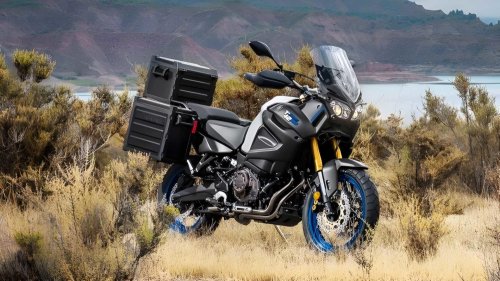
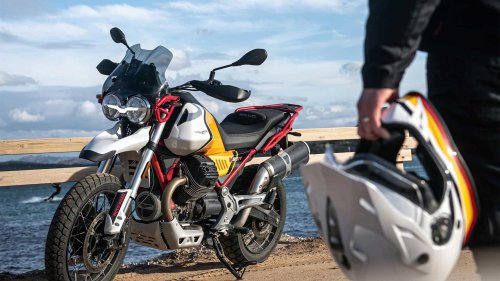
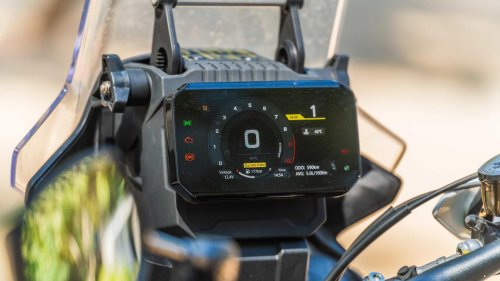
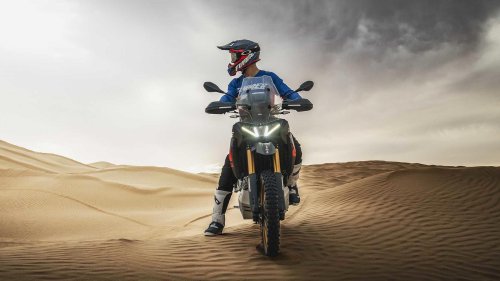
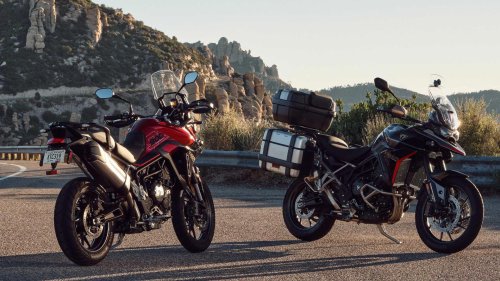
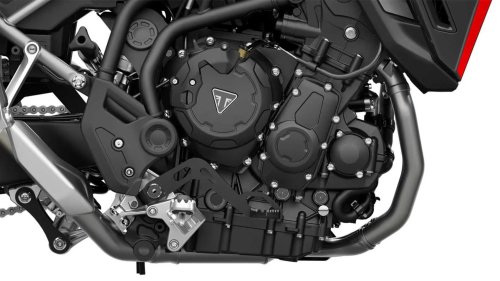
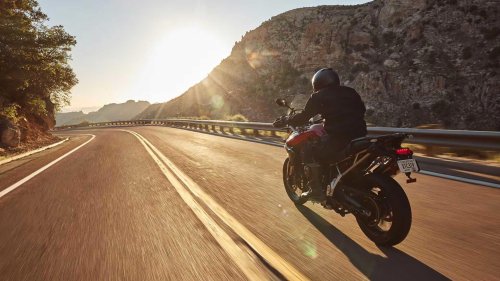
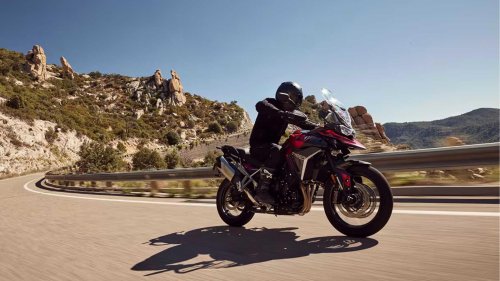
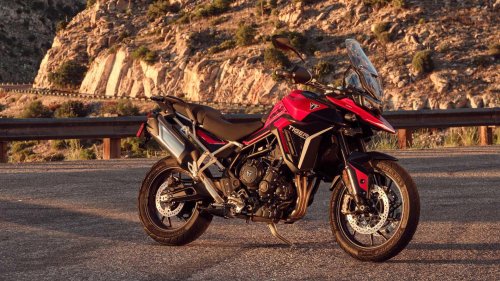
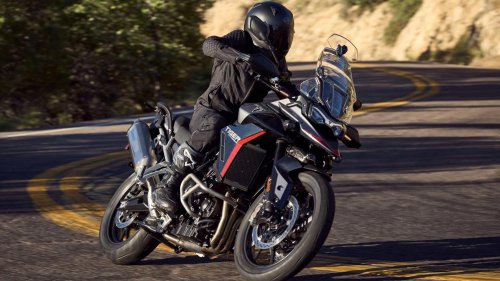
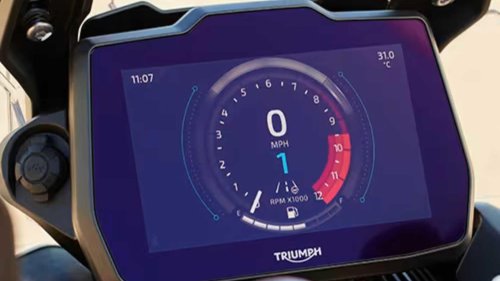
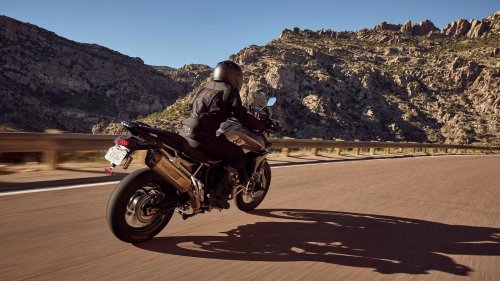
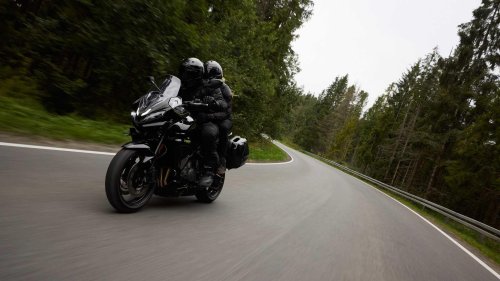
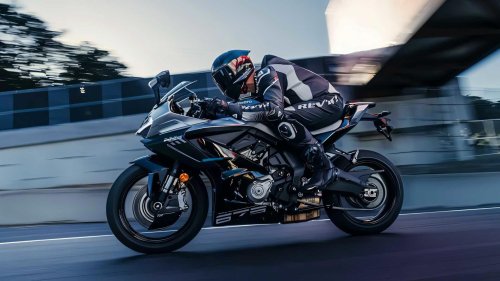
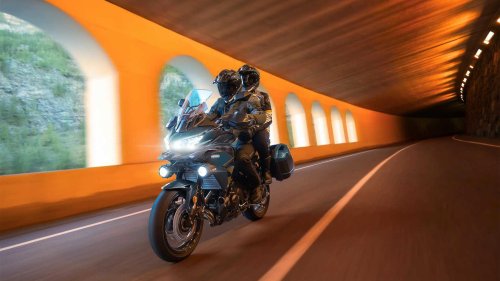
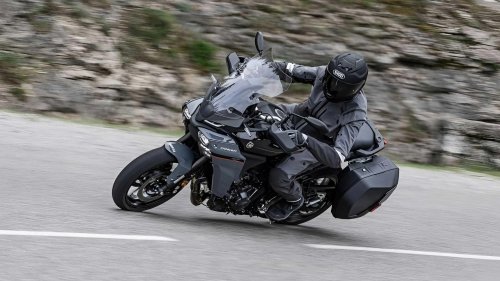
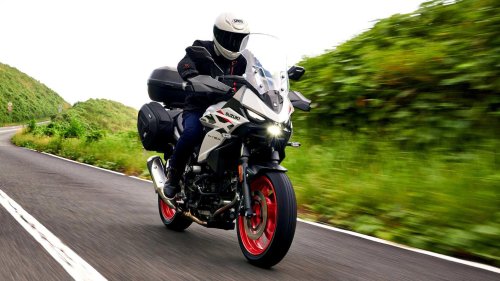
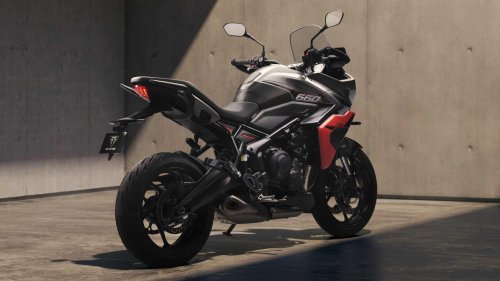
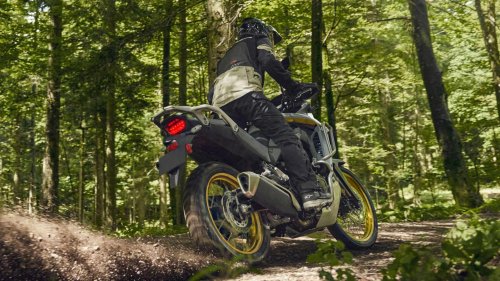
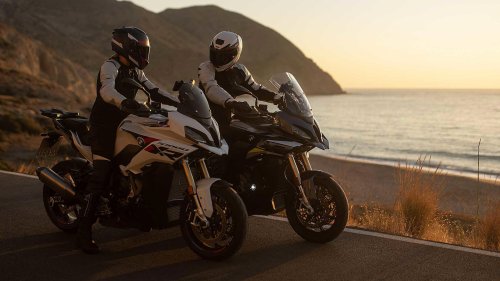
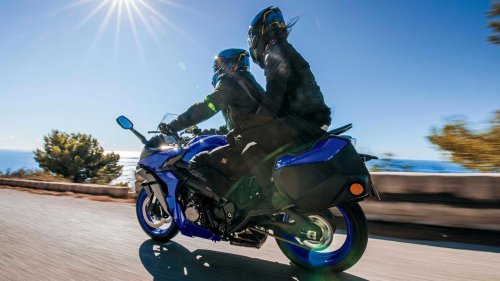
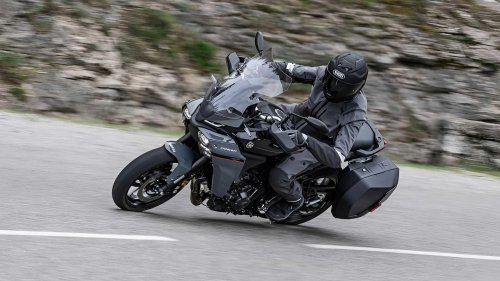
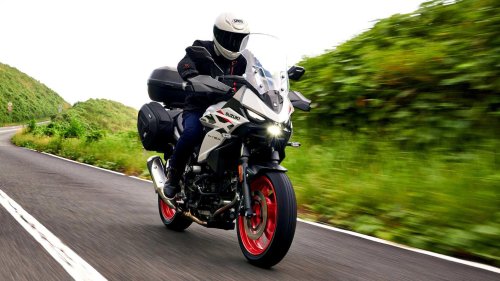
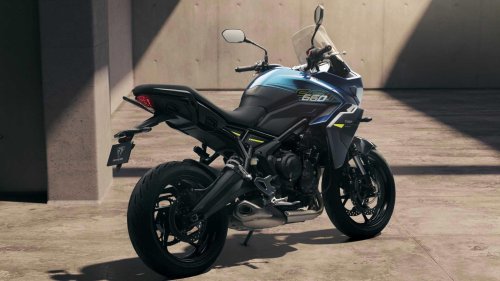
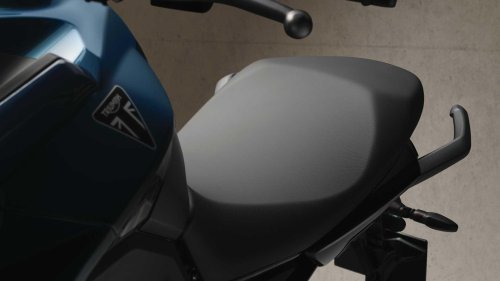
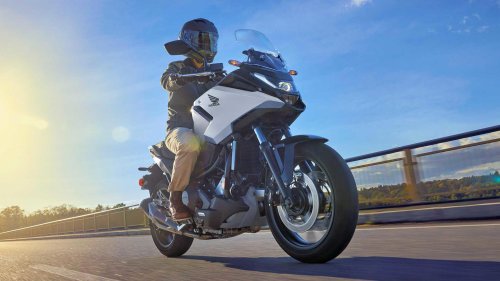
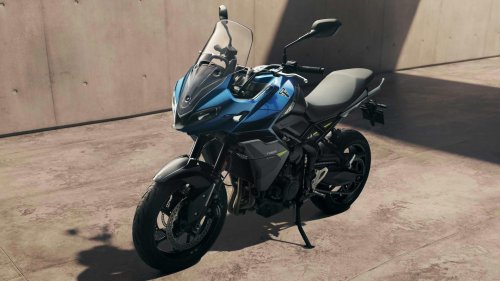
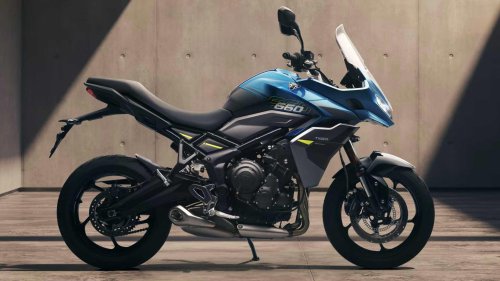
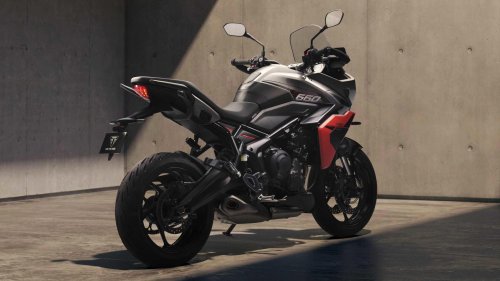
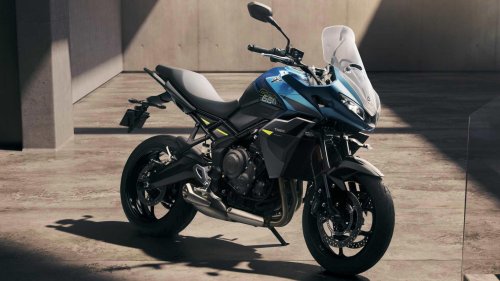
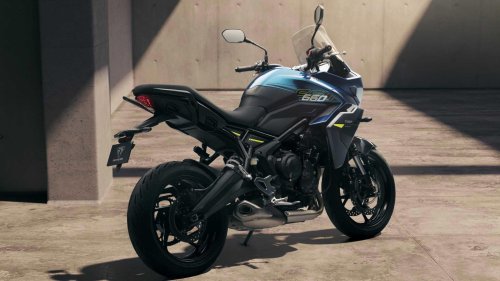
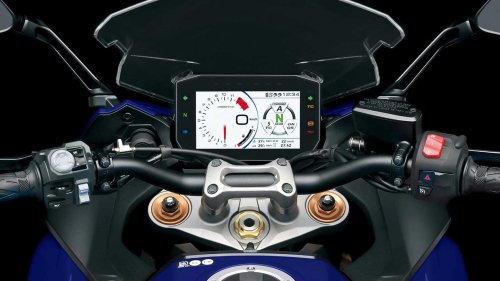
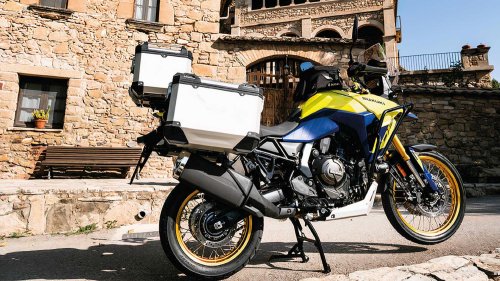
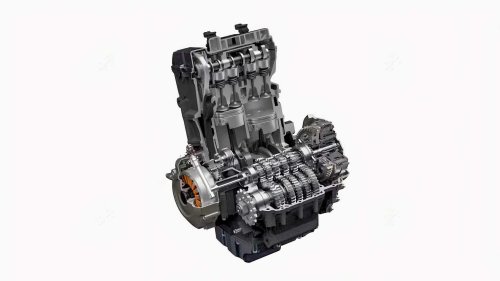
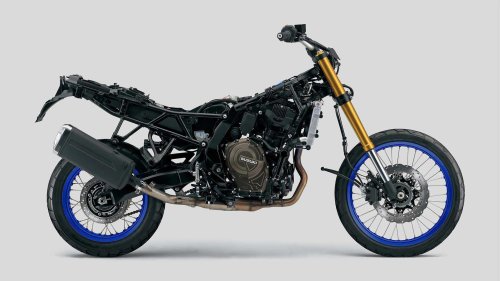
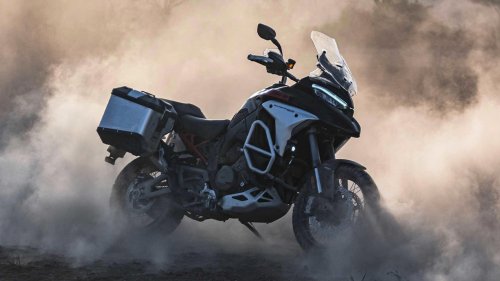
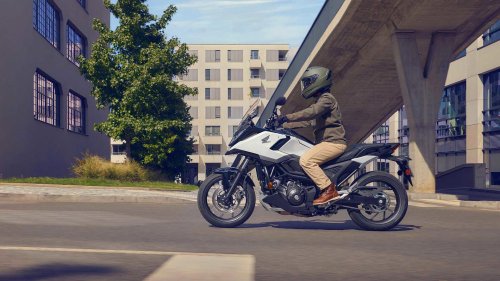
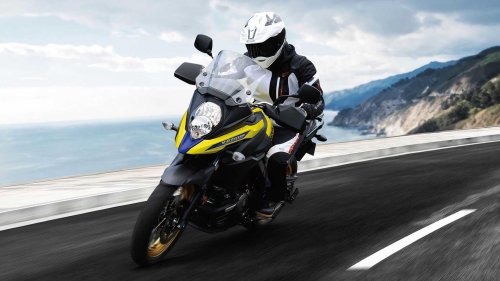
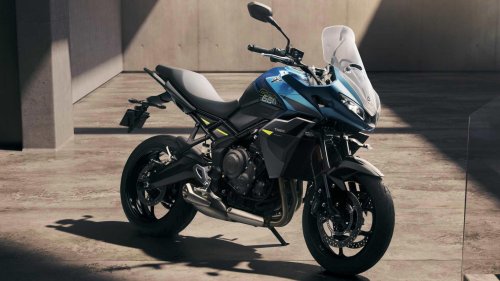
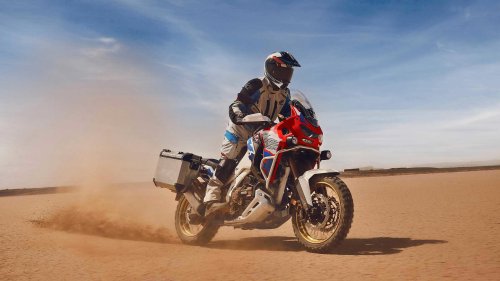
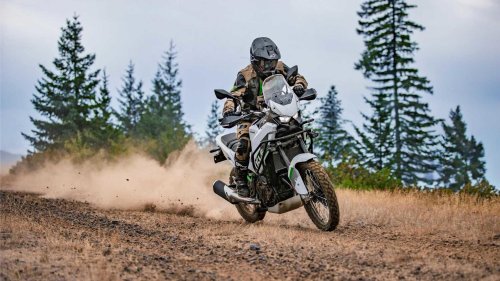
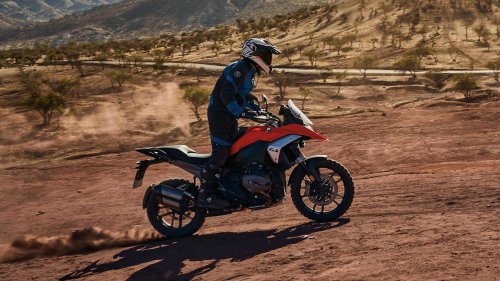
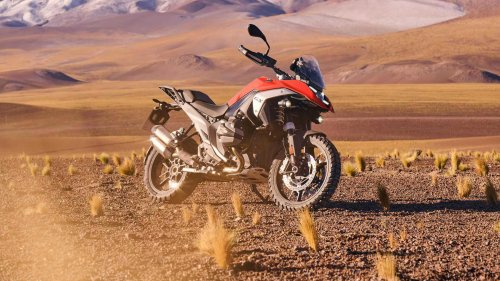
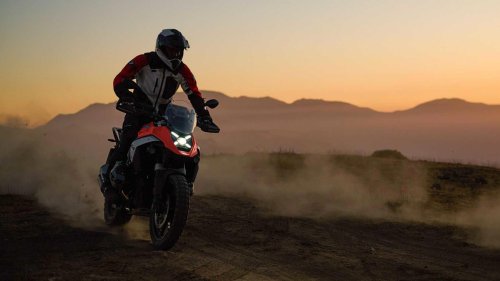
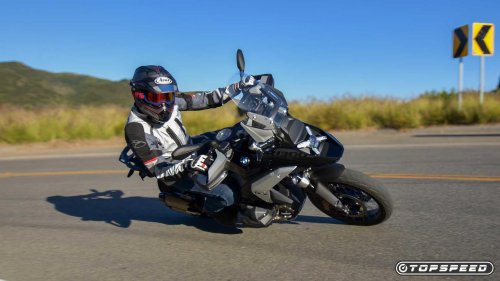
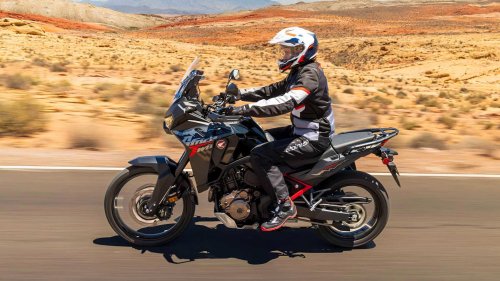
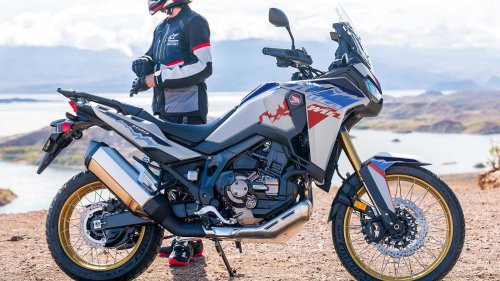
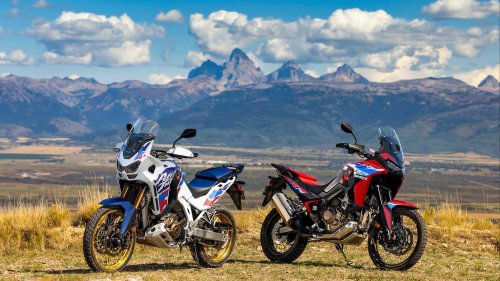
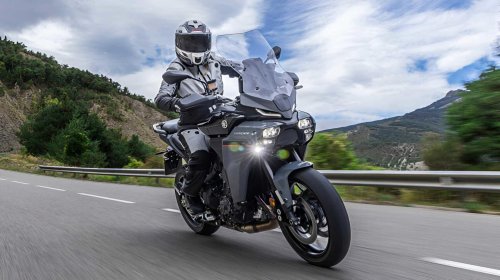
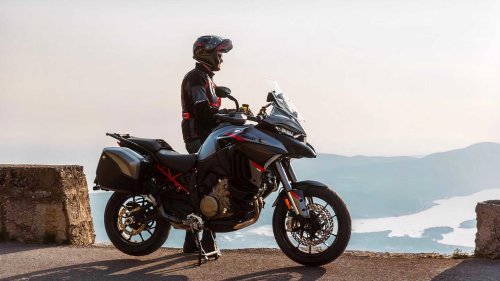
Adventure bikes today are expected to do everything—commute, tour, and tackle rough roads—but finding one that balances all three isn’t easy. Somewhere along the way, the category got pulled in different directions. Some bikes leaned too far into off-road capability, others became long-distance luxury machines. The result is a segment filled with extremes, but not always the kind of balance most riders actually need. Adventure Bikes Are Getting Bigger And More Complicated YamahaToday's ADVs have grown in size, weight, and complexity. What used to be relatively simple, go-anywhere machines are now packed with features, electronics, and bulk that can make them feel intimidating, especially off pavement. While that evolution brings comfort and capability, it also creates a gap for riders who want something more manageable. Weight Can Be A Real Limitation Moto Guzzi As these bikes get heavier, they become harder to live with in real-world conditions. Tight city streets, uneven terrain, and slow-speed maneuvers all start to feel like work instead of fun. A fully loaded heavyweight ADV might be impressive on paper, but once you’re dealing with it in traffic or on a loose surface, that extra mass quickly becomes a liability. More Tech Doesn’t Always Mean More Enjoyment CFMoto There’s no shortage of electronics in today’s adventure bikes. Ride modes, traction control, semi-active suspension, radar systems, and massive TFT displays all sound great, but they don’t always translate to a better ride. In some cases, they just add layers between the rider and the machine. For a lot of riders, simplicity still has real value. The Sweet Spot Sits Right In The Middle Aprilia That’s where the middleweight category starts to make a lot of sense. These bikes aim to deliver enough performance for highway cruising, enough comfort for long days in the saddle, and enough agility to stay fun when the road gets tight or unpredictable. They don’t try to do everything perfectly, but they do a lot of things very well.Honda It’s a balancing act. Too little power and the bike feels strained on long stretches, especially when you’re loaded up with gear or riding into a headwind. Too much weight and it starts to feel like a chore in the city or on anything loose and uneven. The sweet spot sits right in between, where the bike has enough muscle to cruise effortlessly at speed, but still feels light and responsive when the road narrows or the surface changes.BMW That balance also shows up in how these bikes are designed. You get suspension that’s compliant without being overly soft, ergonomics that work for both short rides and full-day stints, and just enough technology to make life easier without turning every ride into a settings menu exercise. The best middleweight adventure bikes don’t demand constant attention. They just work. The Triumph Tiger 900 GT Checks All Three Boxes Triumph This is exactly where the Triumph Tiger 900 GT positions itself. It doesn’t try to outdo hardcore off-road machines, and it doesn’t lean fully into luxury touring either. Instead, it sits right in that middle ground: built to handle a bit of everything without feeling like it’s stretching too far in any one direction. That approach shows how cohesive the whole package feels. The bike doesn’t come across as a collection of features trying to tick boxes.Everything works together in a way that feels intentional, whether you’re carving through twisty backroads, sitting in traffic, or settling in for a long highway run. It’s that sense of balance that really defines it. Rather than chasing extremes, it focuses on usability, giving riders something that feels natural and confidence-inspiring across a wide range of conditions. A Three-Cylinder Engine That Delivers Usable Performance Triumph At the heart of the Tiger 900 GT is an 888cc inline three-cylinder engine that produces around 106 horsepower and 66 pound-feet of torque. That triple layout gives it a distinct character, blending low-end punch with a smooth, linear power delivery that feels predictable and easy to manage. It’s quick enough to handle highway overtakes without hesitation, but it never feels overwhelming. The power is accessible, which makes it just as enjoyable in everyday riding as it is on longer trips. Road-Focused Hardware That Still Handles Rough Roads Triumph The GT variant leans more toward road use, but it doesn’t completely give up its adventurous side. With a 19-inch front wheel, Marzocchi suspension, and generous travel, it’s capable of handling broken pavement and light off-road sections without drama. It’s not meant for aggressive trail riding like the Rally models, but for riders who occasionally leave the asphalt, it offers just enough capability to keep things interesting without sacrificing on-road confidence. Comfortable Ergonomics And Wind Protection Triumph Long-distance comfort is one of the Tiger 900 GT’s strong suits. The upright riding position, well-padded seat, and adjustable windscreen make it easy to spend hours in the saddle without feeling worn out. The ergonomics strike a nice balance between relaxed touring posture and active control. Wind protection is also well sorted, helping reduce fatigue on highway runs. It’s the kind of setup that encourages you to keep riding instead of looking for the next stop. It’s Built For Riders Who Actually Travel Triumph This is a bike that makes sense for people who ride often and ride far. It’s practical without being boring, capable without being intimidating, and comfortable without feeling disconnected. Features like cruise control, heated grips, and a well-integrated TFT display add convenience, but they don’t overwhelm the experience. It feels like a machine designed around real-world use rather than spec sheet bragging rights. Whether it’s a daily commute or a weekend escape, it adapts easily to different roles.Triumph Despite its touring capability, the Tiger 900 GT doesn’t feel like a heavy, sluggish machine. With a curb weight of around 485 pounds, it remains relatively manageable, especially compared to larger adventure bikes. That lighter feel translates into better handling in tight corners and more confidence at low speeds. It’s easy to maneuver, easy to control, and ultimately more approachable for a wider range of riders. Electronics That Support, Not Overcomplicate Triumph The electronics package strikes a sensible balance. You get rider aids like traction control, cornering ABS, and selectable ride modes, but they’re intuitive and don’t require constant adjustment. They’re there when you need them, but they stay out of the way when you don’t. That simplicity helps maintain a more connected riding experience, which is something many riders still value. A Package That Just Works In The Real World Triumph The Triumph Tiger 900 GT doesn’t try to reinvent the segment. Instead, it focuses on getting the fundamentals right. It delivers usable power, genuine comfort, and just enough versatility to handle a wide range of riding conditions without feeling out of its depth. At a starting price of $15,195, it also lands in a sweet spot where it offers a premium feel without pushing into the territory of larger, more expensive machines. For riders looking for a balanced, midweight adventure bike that can handle daily use and long-distance travel with equal ease, it’s a package that simply makes sense.Source: Triumph Motorcycles