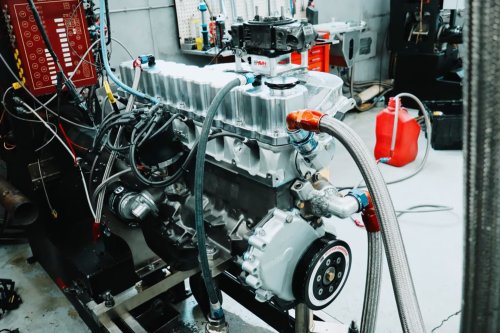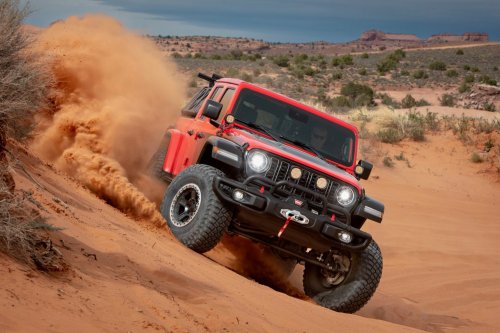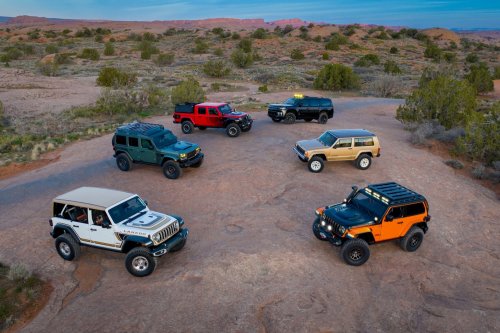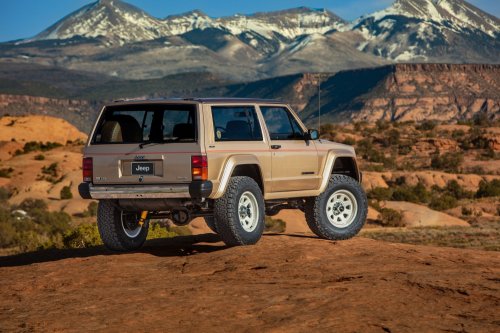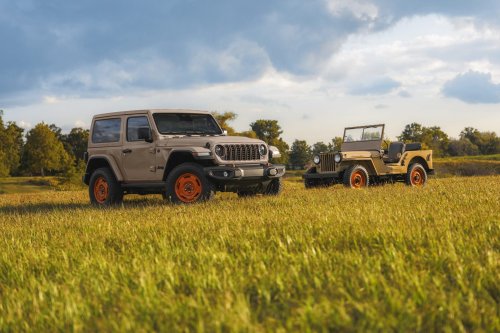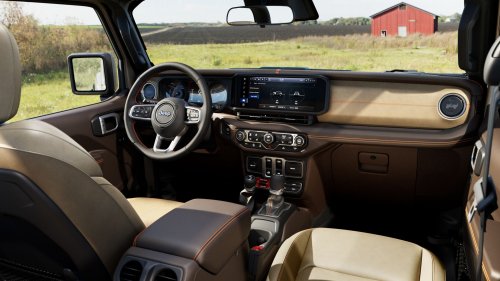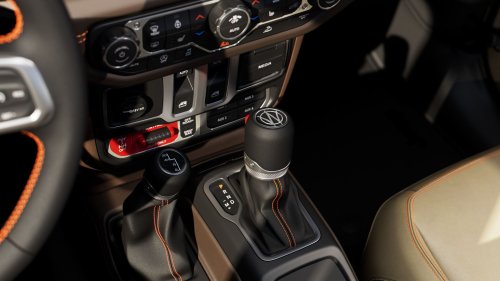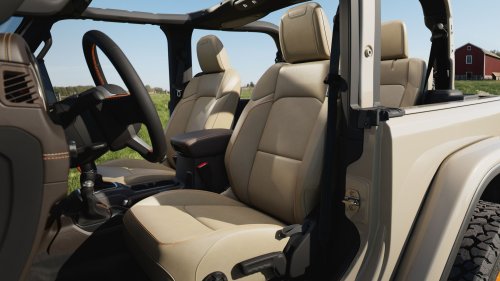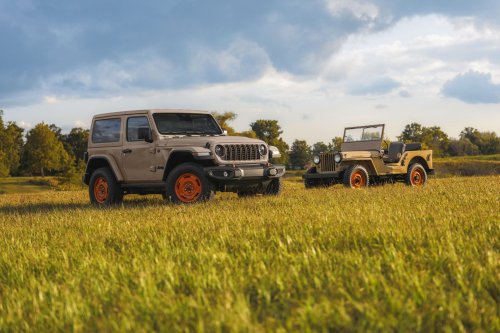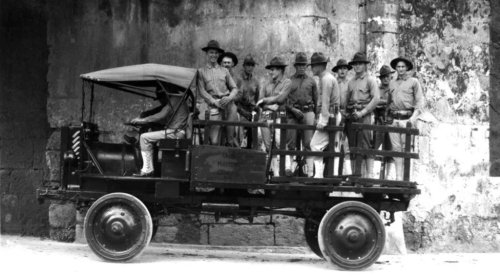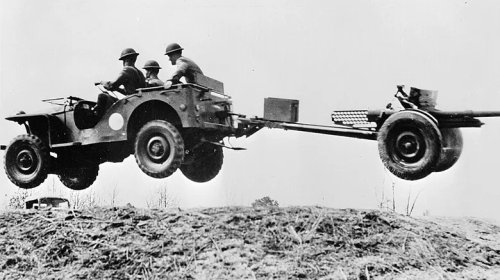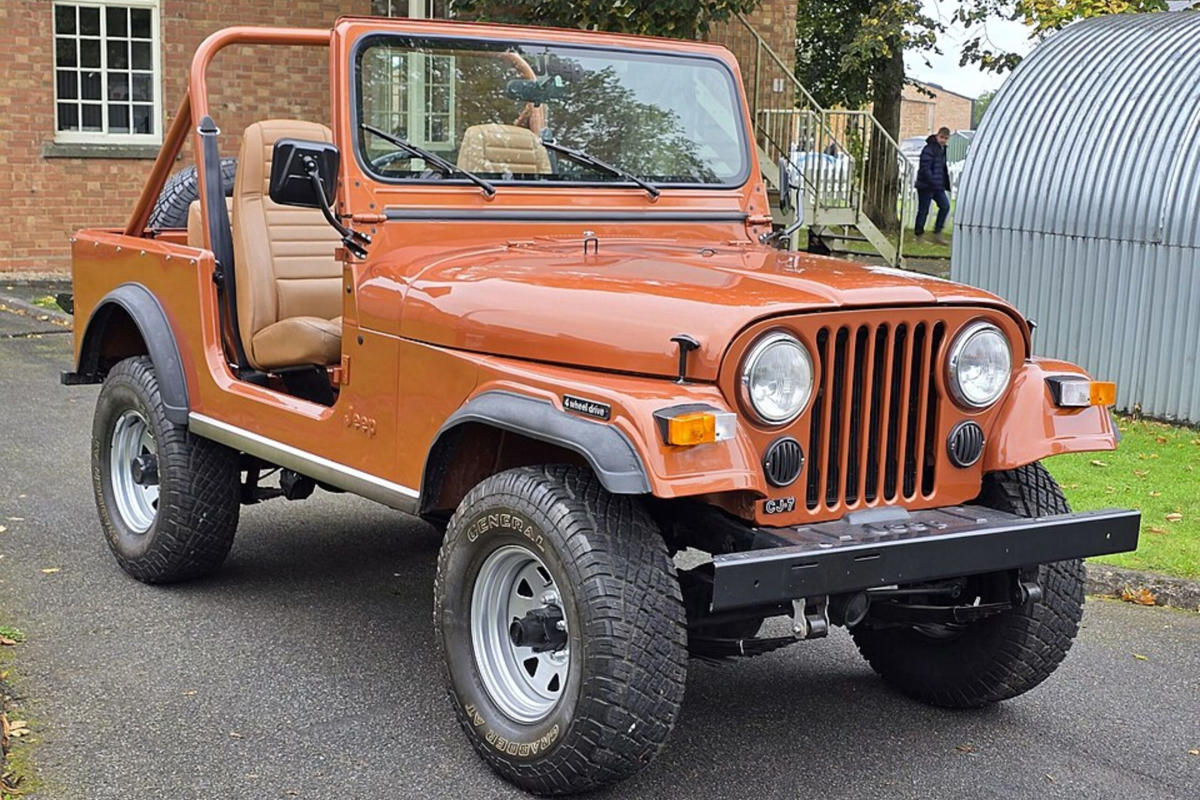



















At launch the 1982 Jeep CJ-7 balanced daily use with serious capabilityThe 1982 Jeep CJ-7 emerged as a versatile vehicle that appealed to both everyday drivers and off-road enthusiasts. Its design and engineering bridged the gap between daily practicality and rugged adventure, making it a standout in the automotive world of the early 1980s. Evolution of the Jeep CJ Series The Jeep CJ series, known for its resilience and distinctive design, has a storied history dating back to the 1940s. Originally derived from the military Jeep, the CJ line evolved over the decades to cater to civilian needs while retaining its rugged off-road capabilities. By the time the CJ-7 was introduced, the series had established itself as a reliable choice for those seeking adventure both on and off the beaten path. With the launch of the CJ-7, Jeep introduced significant design and engineering advancements that set it apart from its predecessors. The most notable change was the extended wheelbase, which improved both the ride quality and the comfort of the vehicle. This expansion offered more interior space and a smoother experience for passengers, making it more appealing for daily use. Furthermore, the CJ-7 incorporated a more robust frame and upgraded suspension, enhancing its off-road prowess without compromising on-road performance. The CJ-7 was strategically positioned in the market to attract a diverse audience. It appealed to individuals who sought a vehicle capable of handling daily commutes as well as weekend adventures. This dual-purpose nature allowed Jeep to capture a broader segment of the market, including young professionals and outdoor enthusiasts who valued both practicality and capability in their vehicles. The CJ-7’s introduction was a pivotal moment for Jeep, marking a transition towards vehicles that could seamlessly transition between urban environments and rugged terrains. Design and Features of the 1982 Jeep CJ-7 The exterior design of the 1982 Jeep CJ-7 was a testament to the brand’s commitment to maintaining a rugged aesthetic while incorporating modern elements. The CJ-7 featured a slightly longer body compared to its predecessors, which not only improved stability but also provided a more spacious interior. The signature seven-slot grille and round headlights were retained, ensuring that the CJ-7 remained instantly recognizable as a Jeep. Its removable hardtop and doors offered versatility, allowing drivers to customize their vehicles based on weather conditions and personal preferences. Inside, the CJ-7 was designed with comfort and practicality in mind. The introduction of more supportive seats and improved cabin insulation made long drives more enjoyable. Despite its rugged exterior, the interior offered a range of features aimed at enhancing daily usability, such as a more intuitive dashboard layout and increased storage options. Buyers could choose from various trim levels, each offering different levels of luxury and convenience, allowing them to tailor the vehicle to their specific needs. Customization was a key selling point of the CJ-7. At launch, buyers had the option to select from a variety of colors, upholstery materials, and accessories to personalize their vehicle. This flexibility in customization extended to performance features as well, with options for different axle ratios and tire types, ensuring that each CJ-7 could be uniquely suited to its owner’s driving habits and lifestyle. Engine and Performance Capabilities The 1982 Jeep CJ-7 came equipped with a range of engine options, catering to diverse driving preferences. Among these was the 4.2-liter inline-six engine, known for its balance of power and reliability. This engine provided ample torque, making it well-suited for both highway driving and off-road excursions. Additionally, the CJ-7 offered a 2.5-liter four-cylinder engine, appealing to those prioritizing fuel efficiency without sacrificing too much power. Off-road capabilities were at the core of the CJ-7’s design. The vehicle featured high ground clearance and robust suspension systems, which allowed it to tackle challenging terrains with ease. The inclusion of a part-time four-wheel-drive system further enhanced its off-road capabilities, providing drivers with the confidence to venture into rough landscapes. Special features like skid plates and a reinforced chassis contributed to the vehicle’s durability and ability to withstand the rigors of off-road driving. On-road performance of the CJ-7 was commendable for a vehicle primarily designed for off-road use. The extended wheelbase contributed to a more stable ride, and the upgraded suspension system provided improved handling characteristics. Whether navigating city streets or cruising on the highway, the CJ-7 offered a driving experience that was both comfortable and responsive. This dual capability was a significant factor in its appeal to a wide range of consumers. Balancing Daily Use and Off-Road Adventure The practicality of the 1982 Jeep CJ-7 made it an ideal vehicle for everyday use. Its compact size allowed it to navigate urban environments with ease, while features such as power steering and a more refined braking system improved its maneuverability in traffic. The spacious interior, coupled with options for air conditioning and upgraded audio systems, provided a comfortable environment for daily commutes. Technological innovations of the time were incorporated into the CJ-7 to enhance its off-road prowess. The vehicle’s drivetrain options allowed for seamless transitions between two-wheel and four-wheel drive, catering to different driving conditions. This adaptability was complemented by the availability of locking differentials, which provided additional traction on slippery or uneven surfaces. Such features ensured that the CJ-7 remained a formidable contender in the off-road segment. User testimonials and reviews from the time of the CJ-7’s launch highlighted its versatility as a key selling point. Owners praised its ability to function as a reliable daily driver while still offering the excitement and performance needed for off-road adventures. This balance of practicality and capability was a defining characteristic that set the CJ-7 apart from other vehicles in its class, solidifying its reputation as a versatile and dependable choice. Legacy and Impact on Future Models The influence of the 1982 Jeep CJ-7 on subsequent Jeep models cannot be overstated. Its design and engineering innovations set the stage for future iterations of the Jeep lineup, including the renowned Jeep Wrangler. The CJ-7’s extended wheelbase and improved suspension served as a blueprint for the Wrangler’s design, which continues to be a popular choice among off-road enthusiasts and city drivers alike. The CJ-7 played a crucial role in shaping consumer expectations for dual-purpose vehicles. Its success demonstrated that a vehicle could be both rugged and comfortable, a concept that has become increasingly important in today’s automotive market. The emphasis on customization and versatility pioneered by the CJ-7 has influenced the development of modern SUVs, many of which now offer a wide range of options and features to cater to diverse consumer needs. Reflecting on the cultural and automotive legacy of the CJ-7, it’s evident that this vehicle holds a special place in the history of Jeep. Its introduction marked a turning point for the brand, expanding its appeal beyond traditional off-road enthusiasts to a broader audience. The CJ-7’s enduring popularity is a testament to its innovative spirit and the timeless appeal of a vehicle that can truly do it all. More from Fast Lane Only Unboxing the WWII Jeep in a Crate 15 rare Chevys collectors are quietly buying 10 underrated V8s still worth hunting down Police notice this before you even roll window down