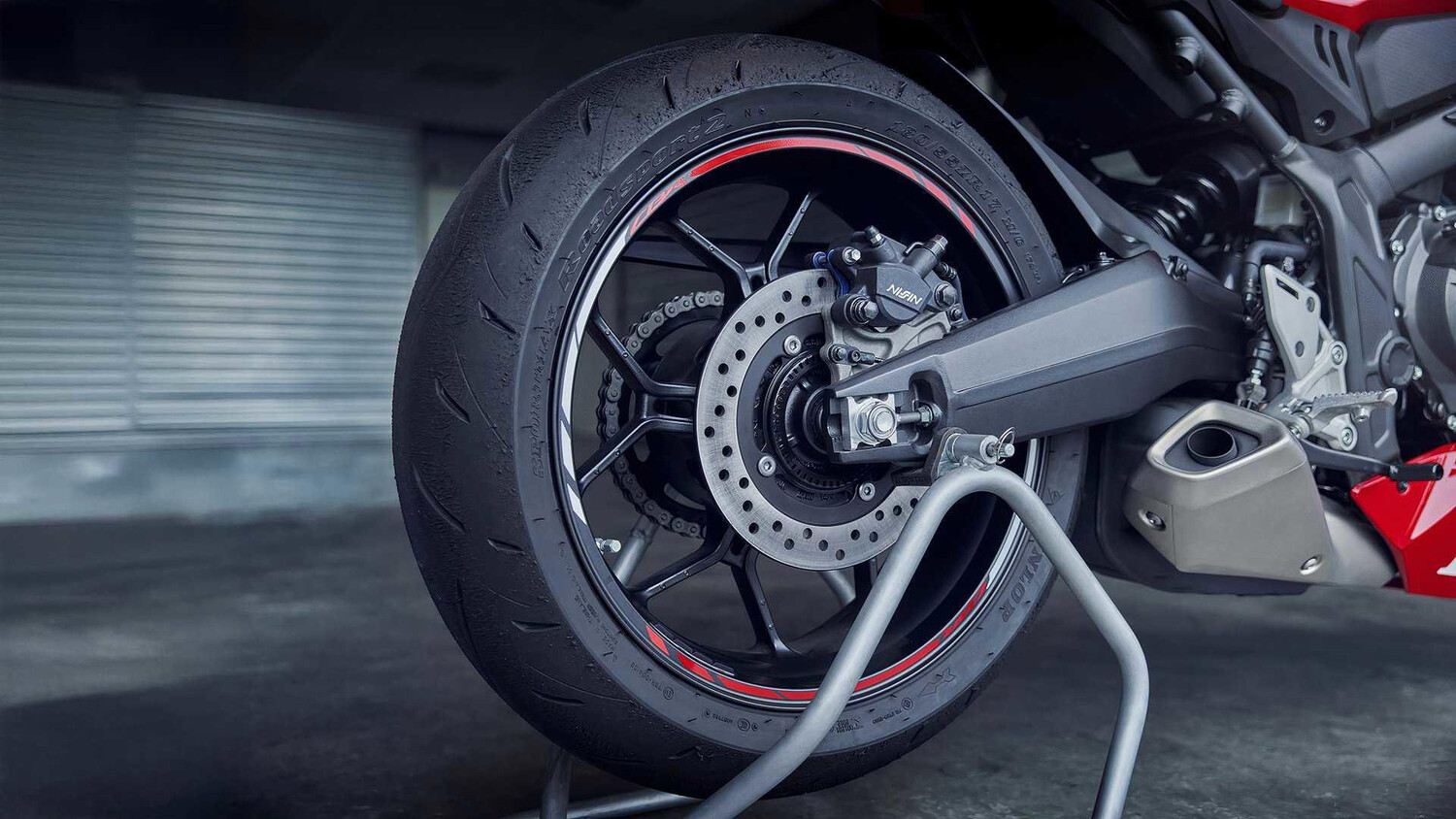
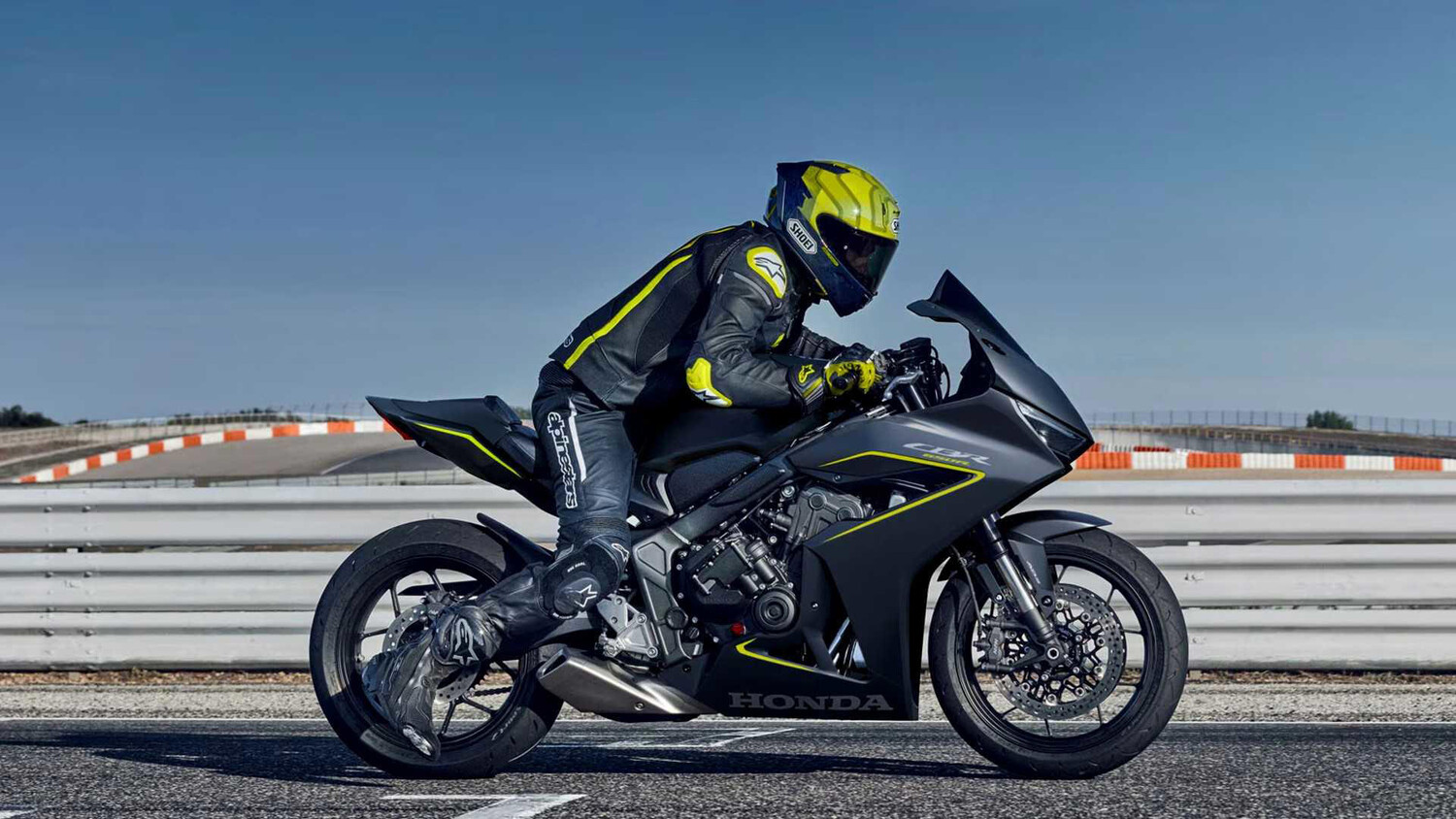
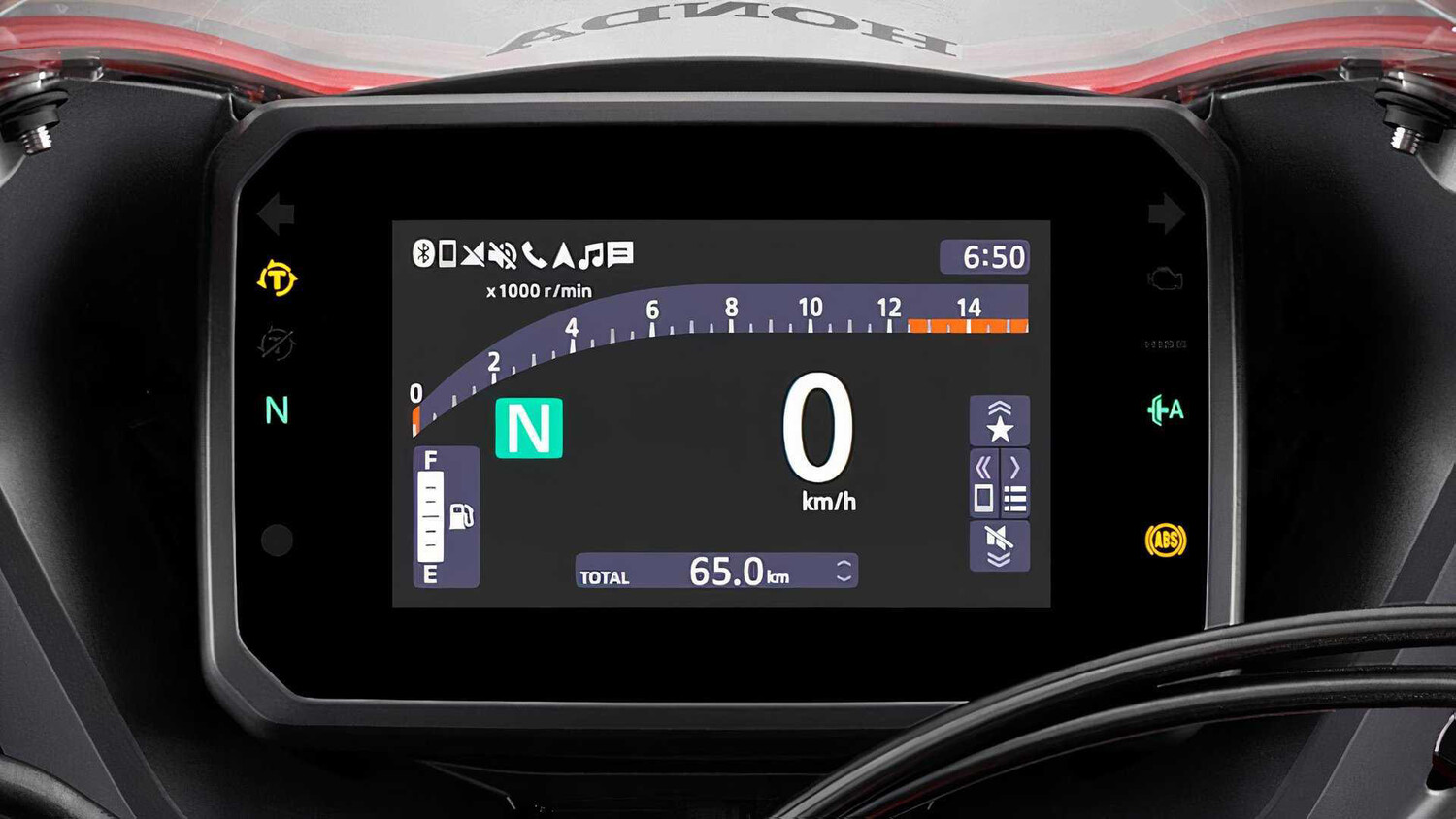
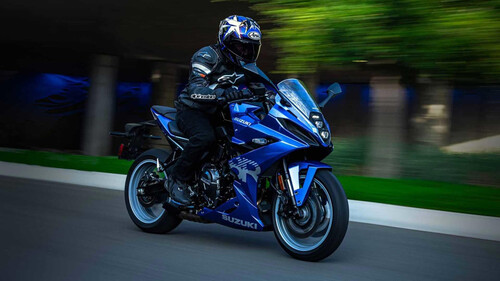
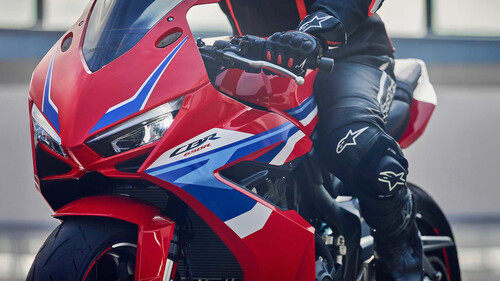
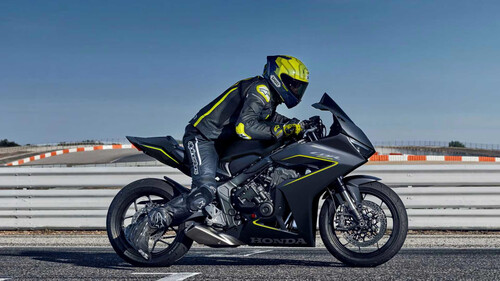
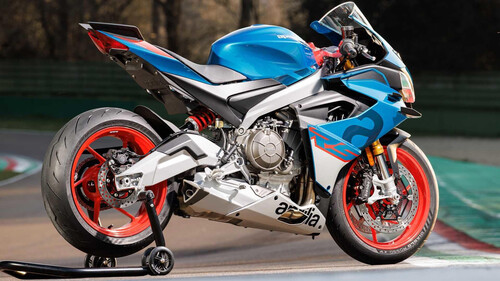
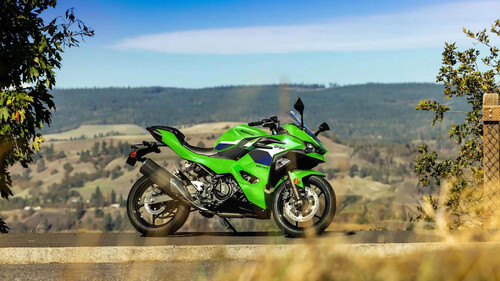
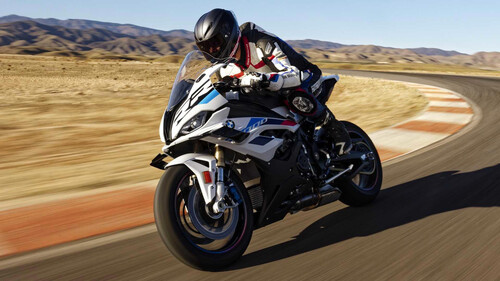
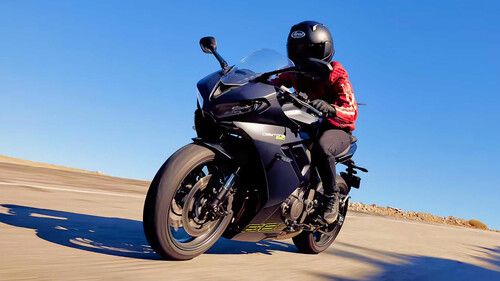
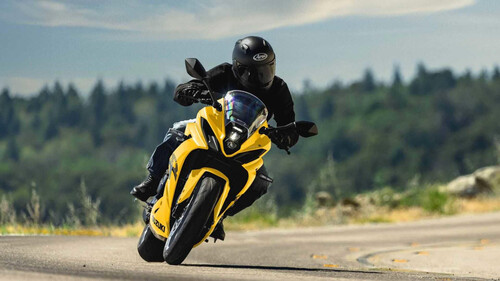
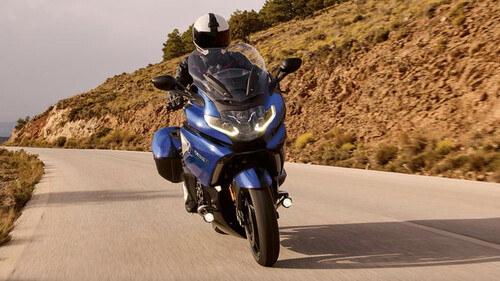
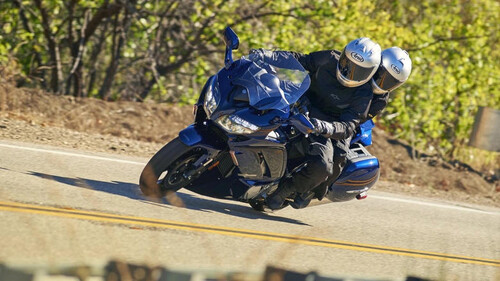
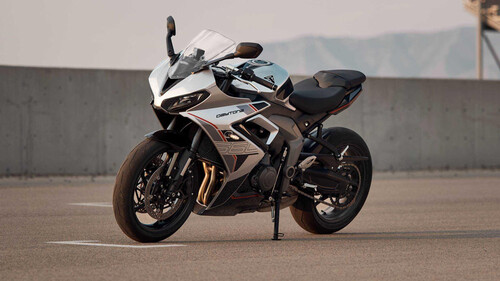
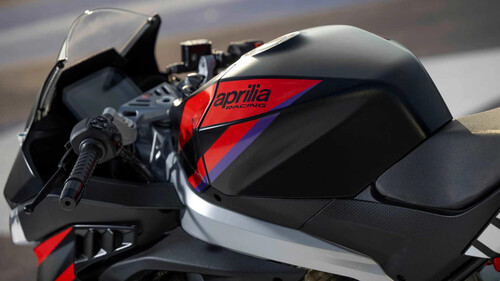
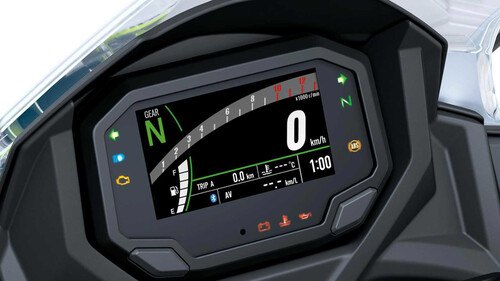
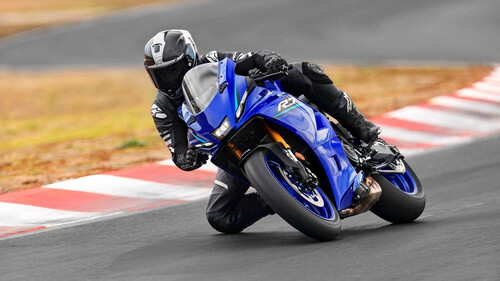
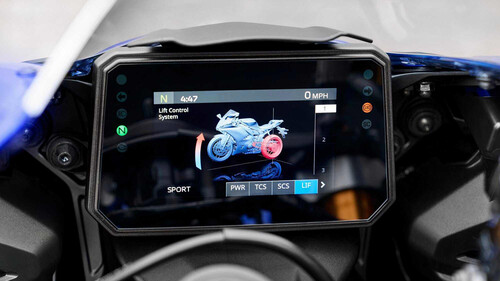
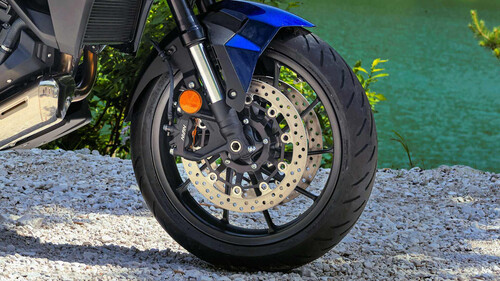
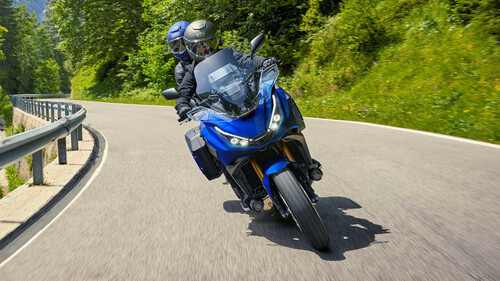
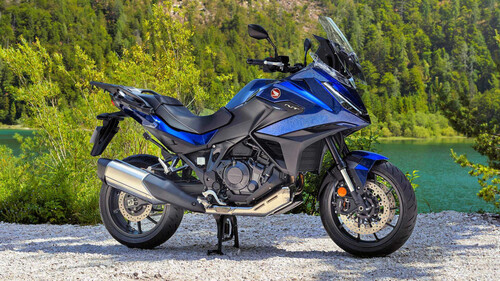
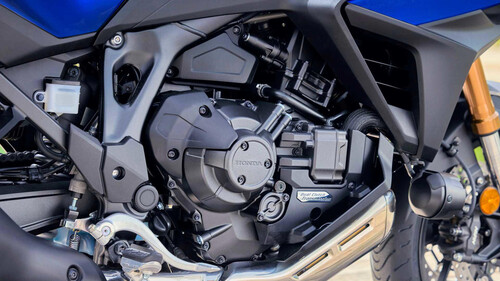
Judging from recent trends, versatility holds massive importance in today’s motorcycle market. That not only explains the soaring popularity of adventure bikes, but it is also why we see an increase in the number of crossover-type touring bikes. Somehow, this has also made its way into the world of sports bikes. Such fully faired bikes used to be one-minded machines, built to cut tenths around a lap. But today, they’re expected to offer comfort and practicality, along with the ability to hunt apexes and take you to high speeds. It’s a hard recipe to nail, yet somehow nearly all the popular names have taken up the challenge on the chin. As a result, we have an assortment of practical sports bikes on sale today. One truly prevails over others in practicality, though. Almost All Popular Bikemakers Have Practical Sports Bikes On Sale In 2026 DucatiThe trend has become so large now that even some of the most premium brands have changed their approach. Ducati is a prime example of this. It used to sell the uber-sporty Panigale V2, which was a successor to the equally sporty Panigale 899 and 959. All of these sat in the lineup as supersports for chasing tenths around a lap first and road riding second. But in its latest avatar, the Panigale V2 is entirely different. There’s a new engine with road-friendly torque rather than peak power and a rather upright riding triangle for regular riding abilities. Likewise, Aprilia’s first middleweight–the RS 660–took a similar approach rather than being committed like its flagship sports bike: the RSV4. Oh, and lest we forget, Triumph also joined the party recently with its Daytona 660. But Japanese Brands Dominate This Space KawasakiWhile Italians have tried, the dominance is still in Japan’s hands. Kawasaki followed this recipe first with its Ninja 650, and then its three contemporaries followed in its footsteps. The Yamaha YZF-R7, Honda CBR650R, and Suzuki GSX-8R now dominate the “practical” sports bike segment. These bikes have punchy engines, comfy riding triangles, and most importantly, enough oomph to keep most riders entertained. However, if you want the most balanced machine, we have one clear recommendation. The Honda CBR650R Offers Unmatched Balance And Practicality In 2026 HondaIf you look at the current crop of practical sports bikes, the Honda CBR650R is the undoubted king. While the smooth inline-four engine, predictable punch, and comfortable ergonomics are all to thank for that, it’s the E-Clutch tech that takes things to the next level. Thus, no other bike in the segment comes close to the overall package. Another big plus is the recent price revision. The 2026 CBR650R costs $9,199, which is a whopping $700 less than the 2025 model. That price also helps it undercut its core rivals like the Triumph Daytona 660, Yamaha YZF-R7, and Suzuki GSX-8R. Interestingly, you also pay less than the Kawasaki Ninja ZX-4R. The E-Clutch Lets You Shift Gears Effortlessly HondaWe’ve touched upon the E-clutch before, and it’s time to dive in. This new technology serves as a souped-up version of a quickshifter-blipper combo. In simple terms, you can shift up or down the six-speed transmission without the clutch. The party trick, though, is the fact that you don’t need to use the clutch even when at a halt or pulling away from a halt. This means utmost practicality if you daily your sports bike or commute on it regularly. At the same time, you can simply turn the system off to do things the regular way. In Honda’s words, “In situations where the driving force changes, such as starting, shifting, and stopping, electronic control technology provides instantaneous, fine-tuned optimum clutch control, enabling smooth starting/shifting/stopping without the need for the rider to operate the clutch lever.” The 649cc Inline-Four Engine Focuses On Usability, Too HondaThe six-speed transmission joins hands with Honda’s proven 649cc, inline-four engine–a layout that makes it quite unique in the new-age “practical sports bike” segment. Unlike its screaming supersport siblings, the engine runs at a mildly spicy 11.6:1 compression ratio to produce 94 horsepower and 46.5 pound-feet. Both figures kick in surprisingly low for an inline-four bike. This doesn’t mean a compromise on peak performance, though. You can still manage a top speed of over 155 miles per hour. Showa Suspension And Steel Chassis Ensure Predictable Handling For The Daily Grind HondaUnder the skin, the CBR650R again takes a different approach than usual supersport screamers. A steel diamond chassis is the centerpiece, which houses the engine as a stressed member. It works in tandem with Showa SFF forks and a Showa monoshock. As capable as this is, a big miss is the lack of adjustability (only the rear shock has preload adjustment). 17-inch cast alloy wheels round things off, housing dual 310 mm front rotors and a 240 mm rear disc. Nissin calipers bite all three. The Weight Is High, But The Seat Is Low HondaSince steel is the main material and you get two extra cylinders than the competition, the CBR is a bit porky. It tips the scales at 466 pounds fully fueled—one of the highest numbers in the middleweight sports bike class. In contrast, though, the seat height is a rather low 31.9 inches. Add to that the 57-inch wheelbase, and this should be a manageable machine in regular conditions. Just don’t expect razor-sharp turn-in or agility. Upright Ergonomics Promise Decent Comfort HondaSpeaking of riding in regular conditions, you will also appreciate the ergonomics here. The clip-on bars are mounted below the triple clamp, but they are higher up than the regular supersport bikes. It’s the same story with the sporty pegs that are low and mid-set rather than high and rear-set. Having ridden the bike, I can personally back up the comfort quotient here. A TFT Greets You In The Cockpit HondaWhen aboard, you look at a TFT instrument cluster. This is a recent addition to the 650R, replacing the older LCD. It gives you access to a handful of likable bits, like various display modes, phone connectivity, and traction control. Dual-channel ABS is a standard inclusion, too, although a six-axis IMU is missing. We hope Honda makes amends here, just like Yamaha did with its new YZF-R7.