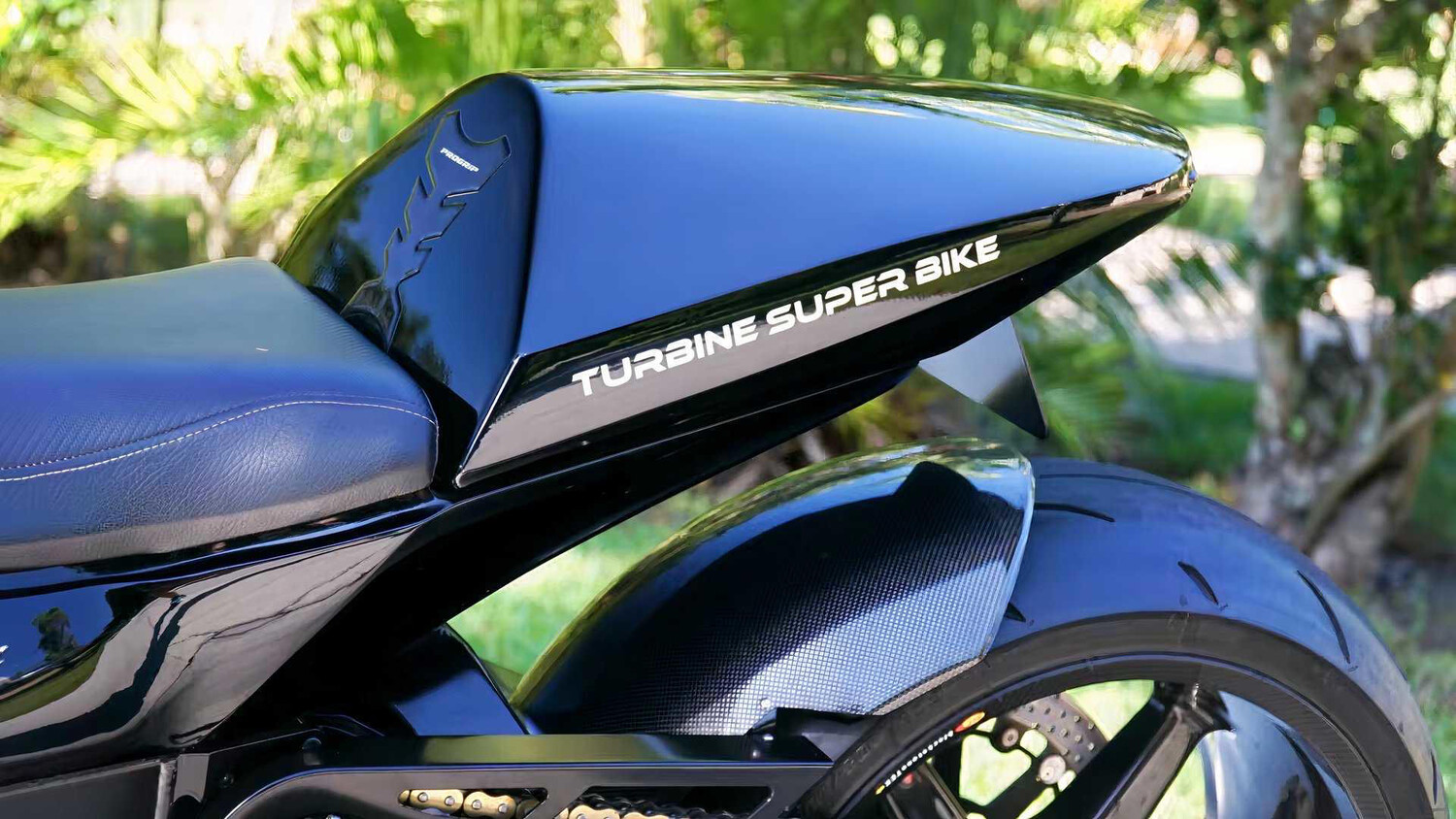
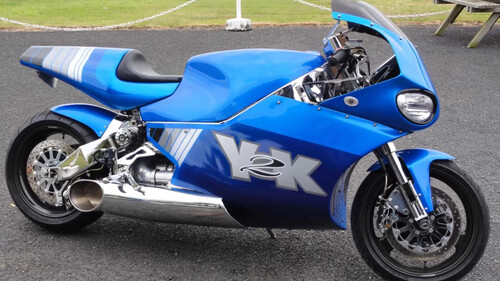
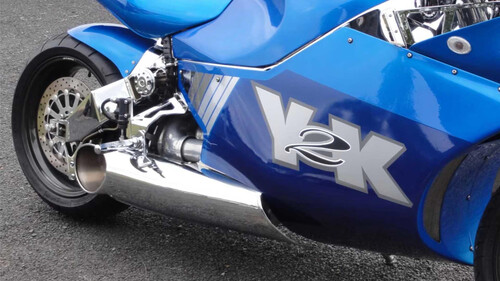
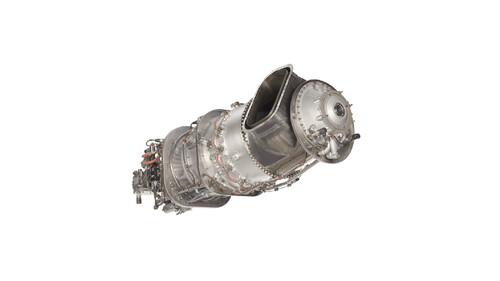
Long after motorcycles had settled into predictable formulas of pistons, cylinders, and incremental gains, someone decided the whole rulebook was passé. While the rest of the industry chased tighter emissions, smarter electronics, and modest performance improvements, this project smirked at everyone else's efforts. It looked at motorcycles the way aerospace engineers look at helicopters and asked a daring question: what if the engine didn’t need pistons at all?That thinking led straight to turbine power, carbon fiber, and an approach that ignored efficiency, comfort, and common sense. This was about building something mad simply because it could be done. It feels less like a motorcycle shaped by evolution and more like an engineering dare that somehow escaped into the real world. MTT 420RR: The Turbine Motorcycle That Rewrites What Power Means MecumThis motorcycle (if it can legitimately be called that) was developed by Marine Turbine Technologies, a Florida-based firm better known for building turbine engines for military, marine, and aviation use. Motorcycles weren’t part of its core business, which explains why the result feels so disconnected from everything else on two wheels.The first time the MTT 420RR comes into view, it already sounds implausible. Instead of an internal combustion engine, it uses a Rolls-Royce-derived gas turbine similar to those found in helicopters. There are no cylinders firing in sequence, no crankshaft drama, and no traditional rev ceiling shaping the experience. Controlled Propulsion Power delivery changes completely as a result. Throttle input apparently produces smooth, continuous thrust rather than a climb through RPMs. Acceleration builds in a calm, linear way that feels almost polite until you glance down and realize how quickly the scenery is disappearing.It's been said that the smoothness is what makes it so unsettling. Without vibration or aggressive mechanical feedback, speed arrives faster than expected, and it feels more like controlled propulsion than acceleration, which marks it out from every other production motorcycle ever built. Why The MTT 420RR Uses A Chopper Engine MecumThe turbine powering the 420RR was originally designed for aircraft use, and that heritage defines its behavior. Turbine engines are meant to operate at sustained high output for long periods, often under heavy load. Reliability at extreme power levels takes priority over fuel economy or packaging efficiency.At 420 horsepower, the output puts this bike in a different universe altogether. Torque delivery is massive and immediate, arriving in a smooth wave rather than a sudden hit. Unlike piston engines that rely on countless moving parts operating in sync, the turbine’s rotating assembly spreads stress more evenly. Like No Other MecumThrottle response works differently, too. There’s a brief spool-up period as the turbine builds speed, followed by relentless forward motion. It doesn’t surge or taper the way a piston engine does. Once it's moving, it simply keeps hauling.Understandably, heat management becomes a defining challenge. Turbine exhaust temperatures are extreme, which forces the entire motorcycle to be designed around airflow, shielding, and materials that can survive constant thermal stress. Consequently, that shapes everything from bodywork placement to rider positioning. A Hand-Built Carbon-Fiber Superbike With No Compromises MecumAs you may have deduced by now, the MTT 420RR isn’t assembled on a production line or optimized for efficiency in manufacturing. Each bike is hand-built, and that approach shows in both materials and priorities. Carbon fiber dominates the bodywork, wheels, and key structural components, all born from necessity. Managing weight is important here, but surviving heat and sustained stress matters more when you’re dealing with turbine exhaust temperatures and continuous thrust.The chassis itself is purpose-built rather than adapted from an existing sportbike platform. Nothing about this motorcycle follows conventional geometry or packaging logic. The frame, wheelbase, and layout are all dictated by the turbine engine’s size, heat output, and airflow requirements. Cooling ducts, shielding, and exhaust routing shape the bike as much as aesthetics do. Calm And Composed MecumSuspension and braking choices reflect that same mindset. Stability at speed is the real goal, so the components are selected to keep the bike composed under sustained acceleration and sustained bouts of serious speed.Needless to say, comfort and versatility never enter the conversation here. Rider ergonomics, storage, and everyday usability take a back seat to structural integrity and thermal control. Every compromise made elsewhere exists to support the engine and keep the motorcycle stable. Performance Numbers That Make No Sense MecumOn paper, the MTT 420RR reads like a bad internet rumor. With 420 horsepower on tap, it exists far beyond the performance envelope of normal production motorcycles. Even the most extreme superbikes and hyperbikes start to feel conservative by comparison once you factor in how that power is delivered. Acceleration occurs in the most insane way imaginable. The turbine builds thrust smoothly and relentlessly. It’s easy to underestimate just how fast things are happening until you’re already well past sensible limits.'It's like the hand of God pushing you in the back,'- Jay Leno, on riding his MTT Y2KMecumIf you think about it, a lack of sensory warning is what makes riding safely so crucial, and that's just not present here. Without vibration, aggressive engine noise, or obvious gear changes, the rider has fewer cues to rely on.It feels funny to mention it, but we will: fuel consumption (about 7-8 miles per gallon) and heat output remain secondary concerns throughout. Turbine engines are not designed for stop-and-go riding, and the 420RR makes no attempt to disguise that. This is a motorcycle built around excess, where performance exists for its own sake and practicality is masterfully ignored. Well Outside The Mainstream MecumThe MTT 420RR was never meant to be common, and production numbers reflect that. There's no confirmed number, but the best estimates say that fewer than 10 have ever been built, largely due to the complexity of the turbine drivetrain and the labor-intensive, hand-built nature of the machine. Scaling something like this would defeat the point.Cost plays an equally large role. MTT's site displays a sticker price of $275,000, so the 420RR sits far beyond even the most expensive hyperbikes. At that level, people are buying an engineering statement and the bragging rights that come with owning something few people will ever see in person. Ownership also demands a different mindset. It’s closer to a rolling engineering exhibit, meant to be admired, discussed, and occasionally exercised with severe caution.It shouldn't come as a surprise, then, that Jay Leno owns one of these monstrosities. Not the 420RR specifically, but its predecessor, the Y2K Turbine. In case you were wondering, the Turbine was no less absurd, and that shouldn't come as a surprise. Leno's collection is known for celebrating mechanical oddities and historically important machines, and the Turbine fits that criterion perfectly, as does the 420RR. The most insane experiment ever on two wheels? It might just be.Sources: MTT, Mecum, Slash Gear, TopSpeed, RideApart