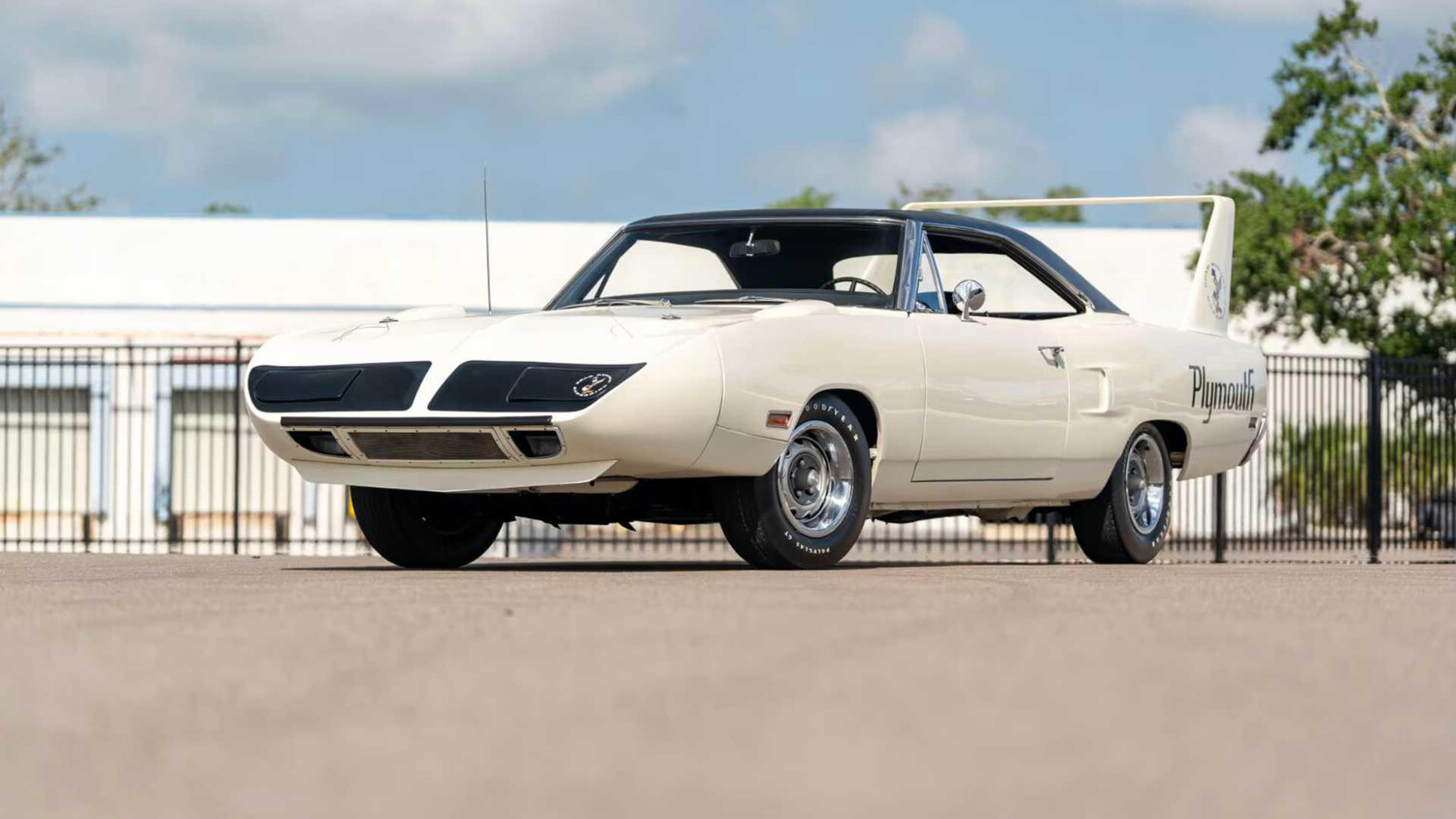
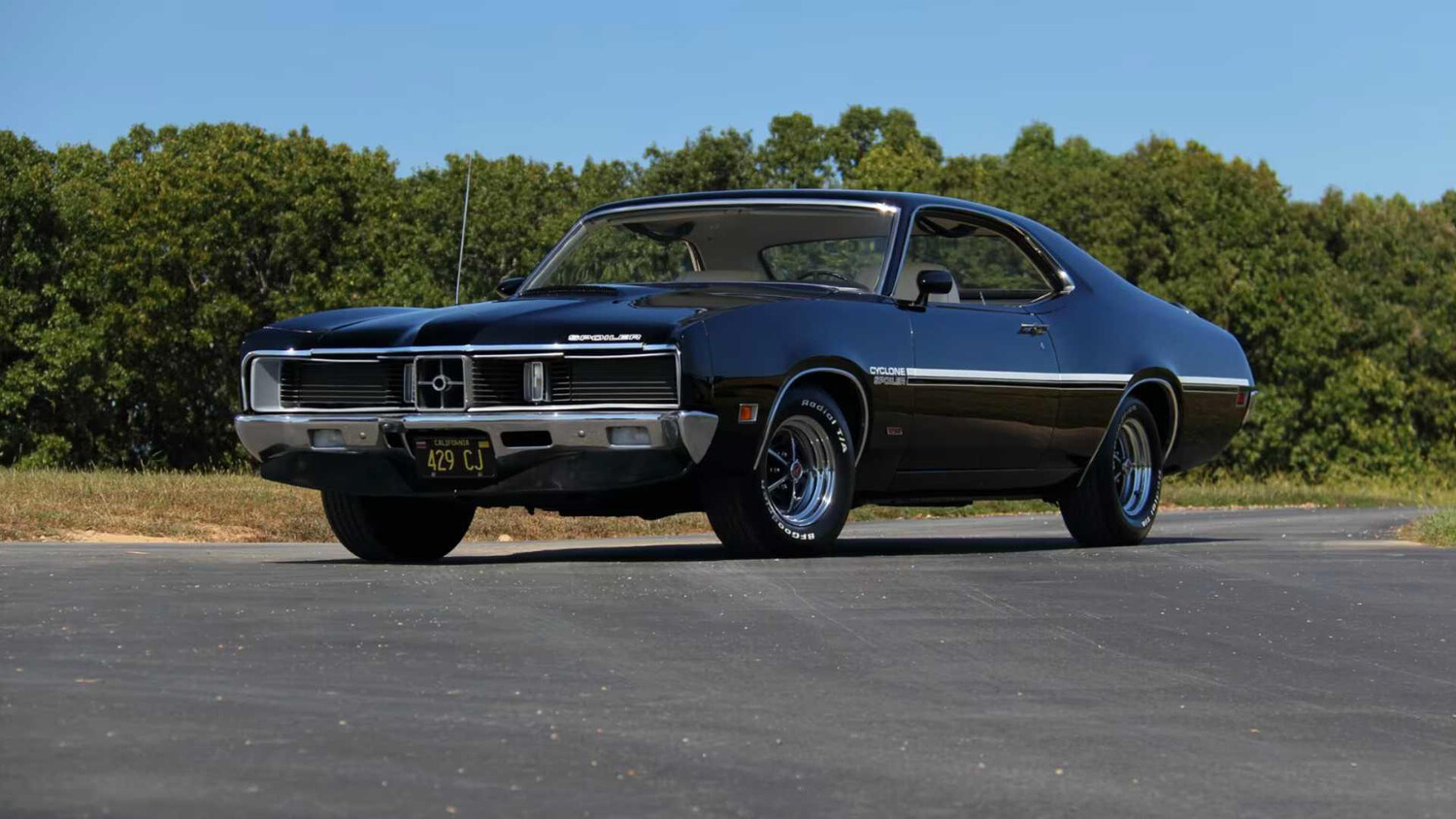
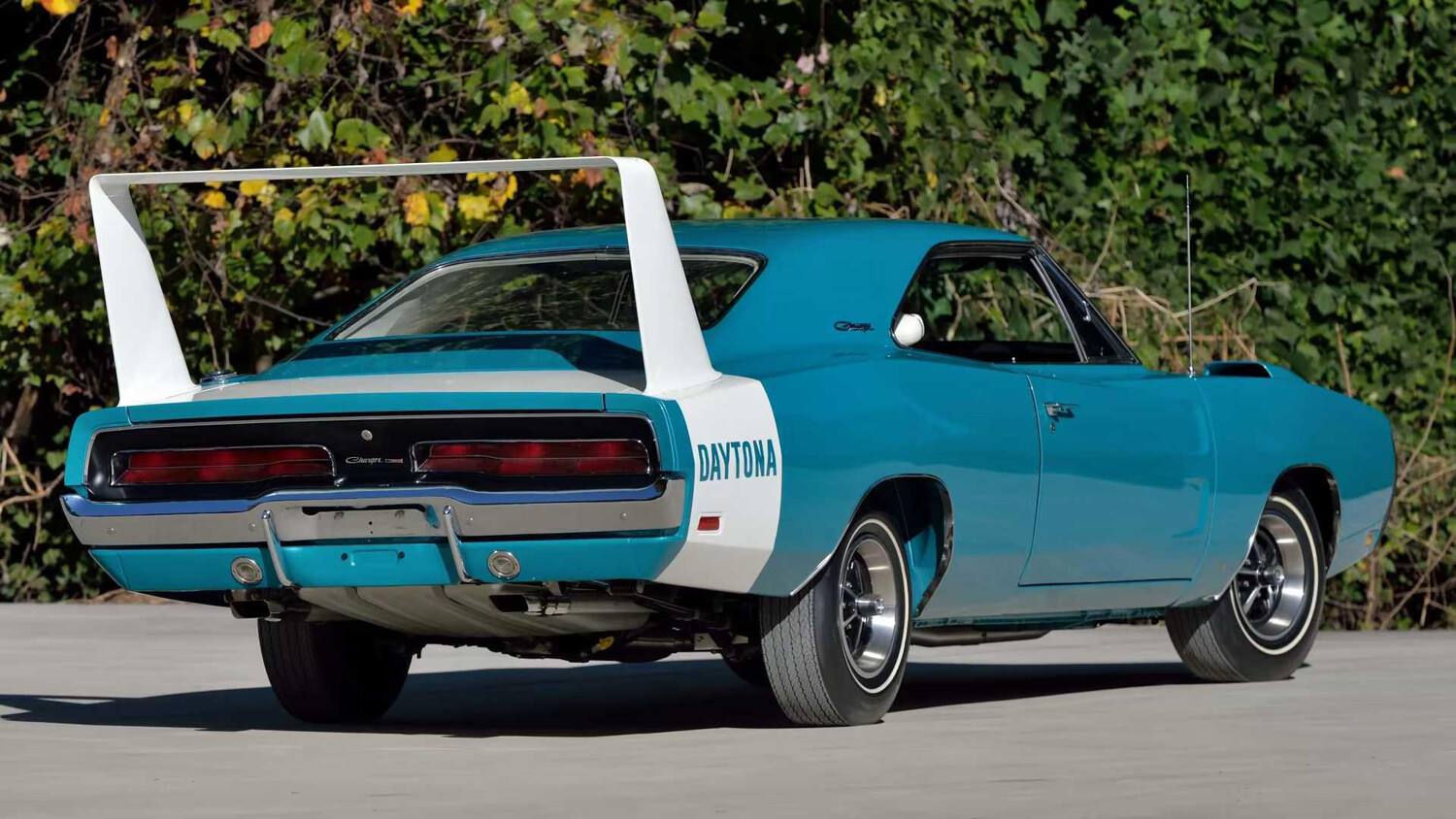
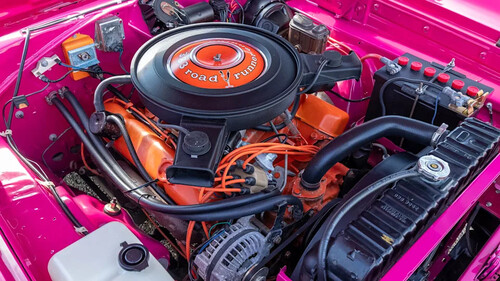
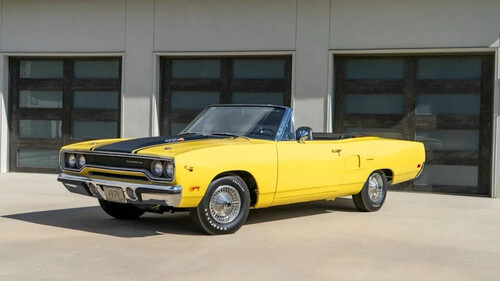
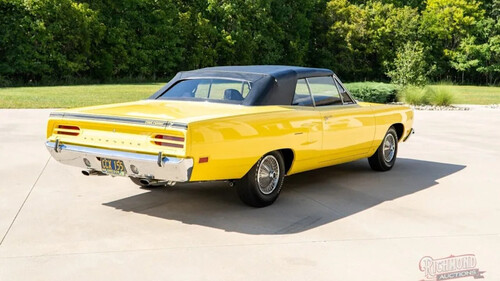
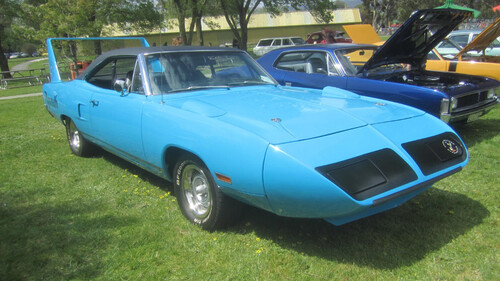
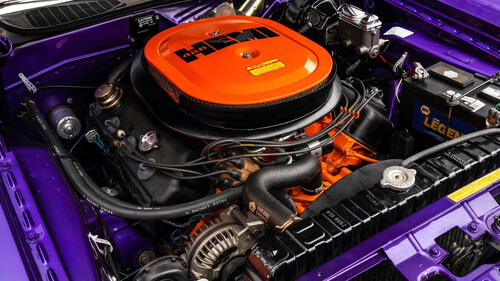
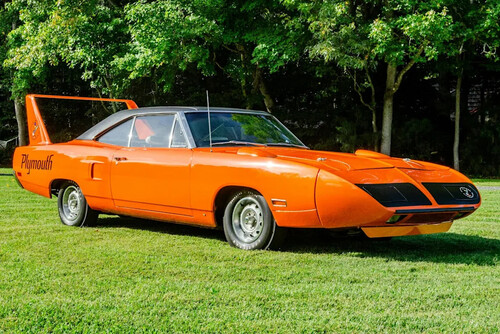
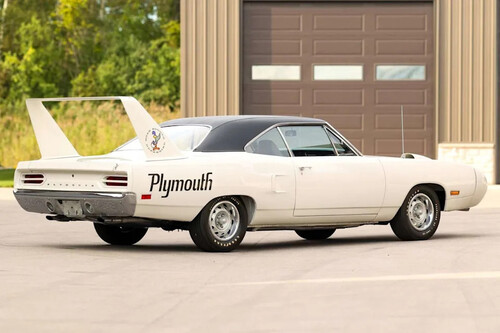
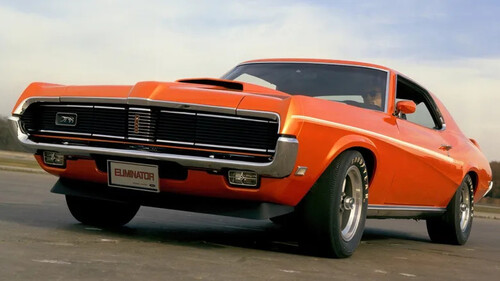
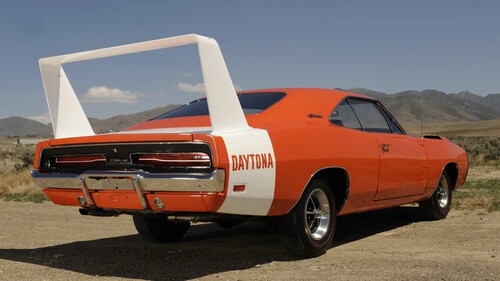
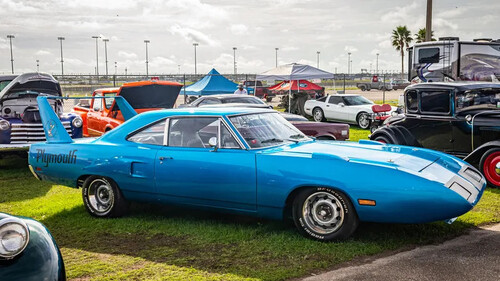
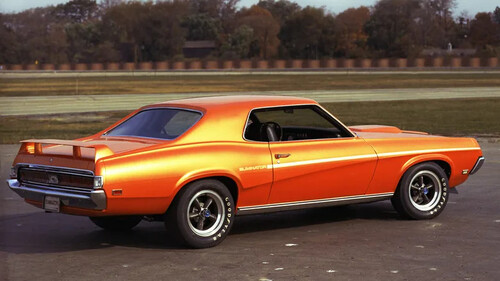
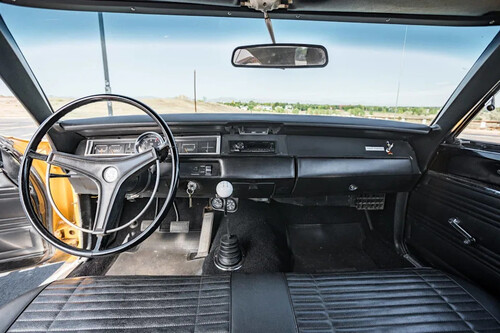
Scroll through social media car feeds, and it’s easy to see what catches the eye most these days. Glitzy supercars, tech-heavy sedans, and minimalist designs that register instantly. In a world of fast scrolling, it's these cars that can communicate their appeal in a split second, getting all the spotlight from today's youth.But not every performance car throughout automotive history was designed to be understood that quickly. Some were built to look a bit out there, so to speak, in an era where function came before form, where purpose dictated design, and where looking “right” wasn’t nearly as important as being the fastest thing on the track.But for perhaps most of Gen Z, there's a problem with that. Without that context, those same cars can appear unnecessarily over the top, maybe even a little absurd, and there’s one from 56 years ago that faces this dilemma perhaps the most. It’s one of the most valuable muscle cars ever made, but is also arguably one of the easiest for a modern audience to overlook and underappreciate. A bit like a band. Maybe The Who? Or Lynyrd Skynyrd. Modern Enthusiasts Often Overlook Muscle Cars That Prioritize Racing History Over Relatable Design Via Goodwood Road & Racing YouTube Channel With their modern looks and creature comforts, today’s younger audiences respond to high-end cars on their iPhones as being impressive and aspirational. But for the old-school muscle cars from days gone by, they worked in accordance with very different criteria for success.In the late '60s and early '70s, automakers weren't trying to win over people via looks; they were trying to win races with their homologation specials, which meant every line, every aerodynamic tweak, and every choice for a big-block V8 was all informed by the rules of NASCAR.Featuring towering rear wings, pointy noses, and engines designed for the pursuit of straight-line dominance, these cars were built to be extreme first. These design cues and features communicated a purpose that today’s gearheads might not immediately recognize nor appreciate, but for older enthusiasts, represent nostalgia for a more exciting time. The 1970 Plymouth Road Runner Superbird HEMI Was Built to Race, But Gets Overlooked By Modern Enthusiasts Mecum When the 1970 Plymouth Road Runner Superbird landed, it was during the peak of the NASCAR homologation era, and was the firm's response to intense aerodynamic competition in stock car racing.This meant not all Superbirds were created equal; the most potent version was built to sustain high speeds on NASCAR superspeedways. Most came with the 440-cubic-inch V8—either the 375-horsepower Magnum or the 390-horsepower Six-Barrel. Meanwhile, reserved for competition and those with deeper pockets was the flagship 426 HEMI V8, which made 425 horsepower. In terms of transmissions, both engines were paired with either a four-speed manual or the TorqueFlite three-speed automatic.While the car itself was Plymouth’s NASCAR homologation special, only the HEMI-equipped Superbirds were truly race-ready. With hemispherical combustion chambers, they allowed for much higher compression and more efficient airflow compared to the less capable versions, and as such, created a torque curve that could sustain speeds well above 190 mph without overheating.Since only 58 HEMI-equipped examples were built, these Superbirds are the rarest and most sought-after by collectors, with their on-track dominance only adding to their desirability. But for younger enthusiasts, they remain relatively overlooked. How the Superbird’s Engineering Delivered Superspeedway Performance Few Modern Fans Appreciate Mecum On the street, a 440‑equipped Superbird could run the quarter mile in approximately 14.1–14.3 seconds at around 100 mph. But the more explosive 426 HEMI version was able to trim that down to 13.8–13.9 seconds—a remarkable feat for a car carrying a full aero kit and reinforced chassis.In addition to its straight-line pace, the latter also featured heavy-duty suspension components, reinforced frame points, and wide Goodyear Polyglas tires to manage both the weight and the extreme speeds the HEMI could achieve. The nose cone and rear wing weren't for show either—they produced measurable downforce and improved high-speed stability, crucial for NASCAR participation and speeds of up to 200 mph around a speedway.Mecum But yet, for all its impressive performance metrics and mechanical upgrades, the Superbird is a tough sell to the young of today. Its radical styling, paired with an engine and suspension setup meant for racing, makes it look impractical, silly, and overwhelming to younger enthusiasts who have been raised on Instagram-worthy supercars that have Apple CarPlay and dual-clutch autos.For collectors, though, they understand, for the most part, the significance of every aerodynamic detail and mechanical upgrade that these cars have become synonymous with, and each of them is appreciated for serving as solutions to problems most modern drivers will never encounter. These nuances are invisible to Gen Z, though, which makes one of the most technically accomplished muscle cars of the era surprisingly easy for them to overlook. 1970 Plymouth Road Runner Superbird Engine Comparison Auction Prices Show That Collectors Place a Premium On Rarity And Racing Pedigree Mecum The Superbird’s value has been surging over the years, prized for its history, scarcity, and performance pedigree. Overall condition can also largely determine the final hammer price at auction, and as such, some exceptional HEMI-powered examples have historically approached or even exceeded the million‑dollar mark. One finished in orange with the TorqueFlite automatic, exchanged hands in 2021 for a staggering $1,650,000.Even unrestored or project cars regularly fetch six‑figure bids, with one being reported to have sold for above $200,000 in a country estate sale—a strong and respectable result for a car hardly in perfect condition. This was one fitted with the more common Six-Barrel engine making 390 horsepower, paired with a Pistol Grip-shifted four-speed manual. Of the 1,935 Superbirds built, only 308 came with the Six Barrel/four-speed combination. Several Rare Muscle Cars Share Similar Collector Appeal But Limited Mainstream Recognition Mecum The Superbird’s collector status is well documented and known, and super rare examples are prized possessions for old-school enthusiasts. But it sits within a wider group of homologation-era muscle cars that, though they share the same appeal, suffer from the same lack of recognition among younger petrol-heads.MecumThe 1970 Mercury Cyclone Spoiler 429: One of the clearest examples of NASCAR technology filtering into a road car, the Mercury Cyclone Spoiler 429 remains far less visually dramatic than its winged Mopar rivals. It was built as Ford’s aerodynamic answer in the NASCAR arms race, and used a reshaped front end and extended nose treatment. Power, meanwhile, came from a big-block 429 Cobra Jet for high-speed performance.MecumThe Dodge Charger Daytona: Introduced in 1969, the Daytona’s rear wing and pointed nose cone were brutally functional additions designed to solve high-speed instability on NASCAR ovals, and allowed it to break 200 mph in competition trim. Its effectiveness later gave it revered status as one of the most iconic muscle cars ever built, but also one of the most divisive. Its radical appearance still splits opinion and for newer audiences probably looks unnecessarily theatrical compared to today's high-performance muscle cars. The Superbird Represents A Moment When Winning Races Mattered More Than Public Opinion Mecum The Superbird came from a brief but fascinating era in American muscle car history when winning mattered more than design consensus. The engineers and designers behind these machines were getting so obsessed with wind tunnel data and NASCAR lap times that how a car looked sitting still may not have even crossed their minds.They were built to be visually extreme in order to win trophies, and it's that unfiltered honesty of purpose that makes them so compelling to collectors but perhaps harder for newer audiences to immediately "get."For the Superbird specifically, it never really asks to be liked as such and only really makes sense once you understand what it was built to do, which makes it appear rather out of step with the way cars are appreciated by Gen Z today. Perhaps that will change. Just give 'em time.Sources: Car and Driver, Road & Track, Hagerty, Hemmings, Mecum Auctions, Automobile Catalog, Auto Express, Motor Museum, Trust Auto