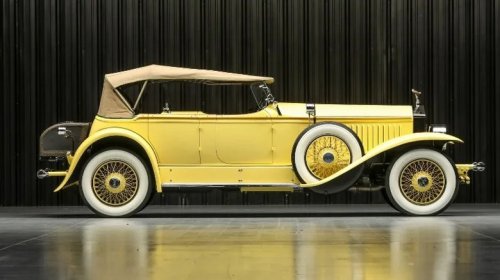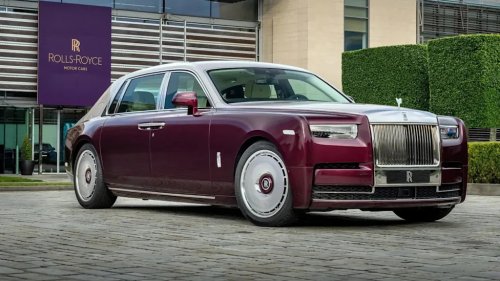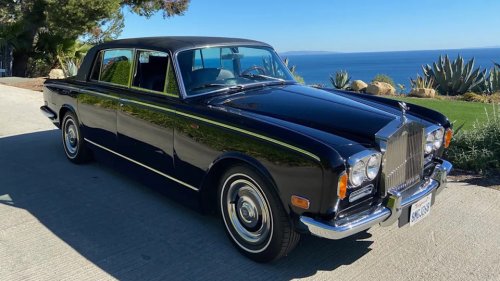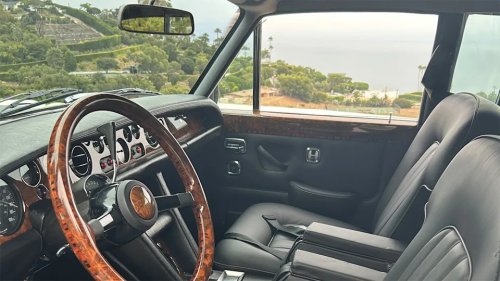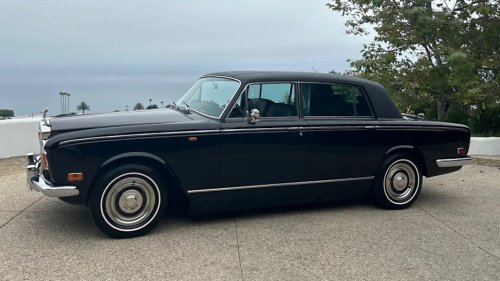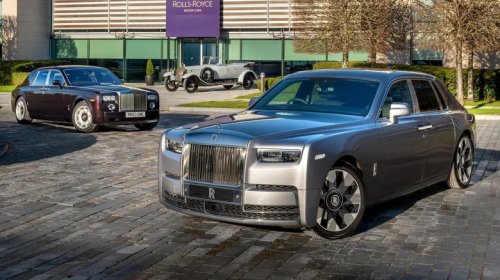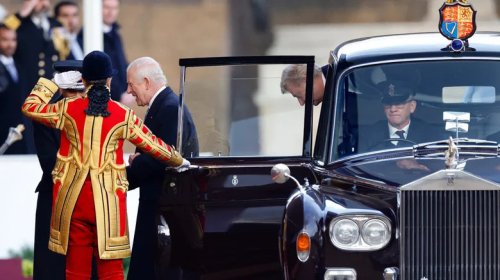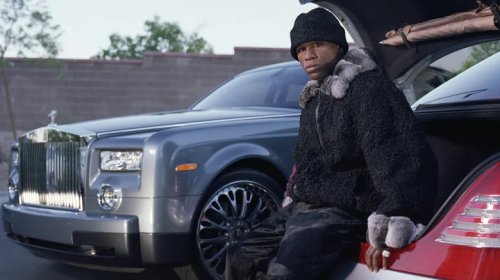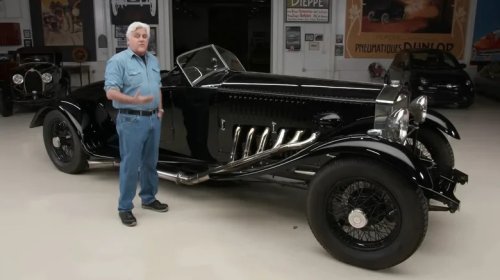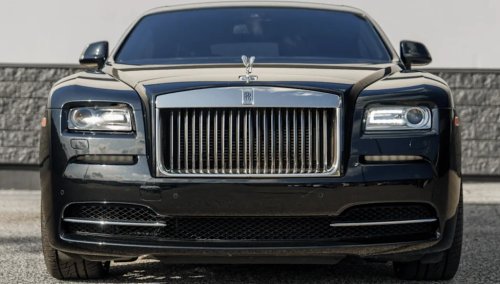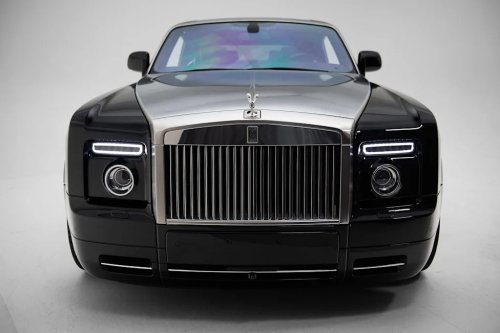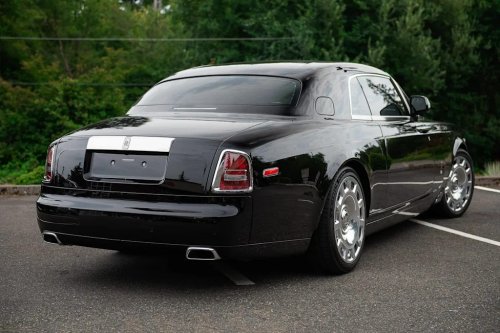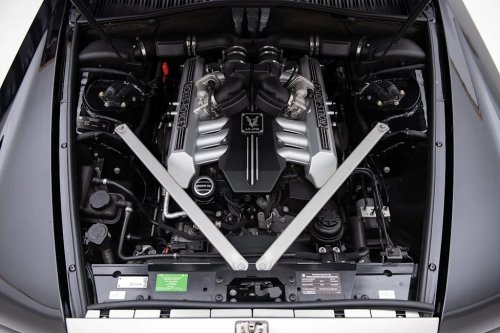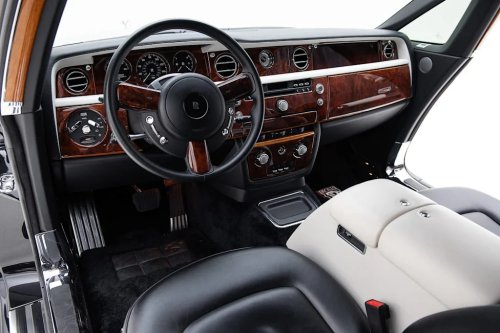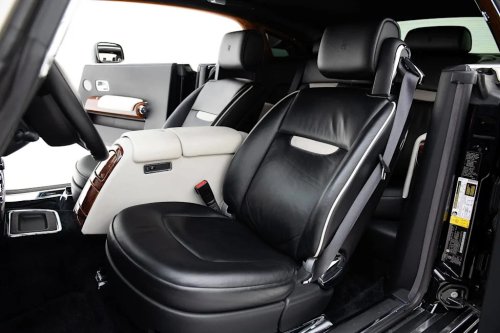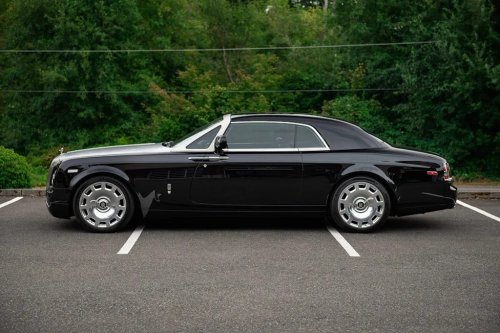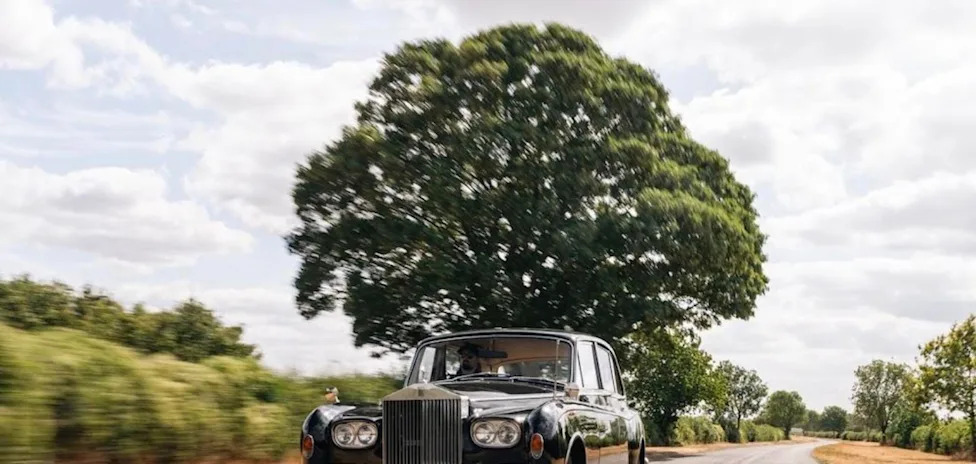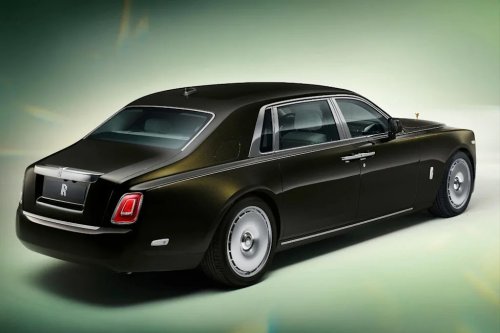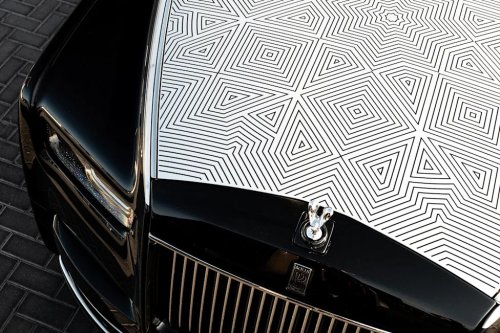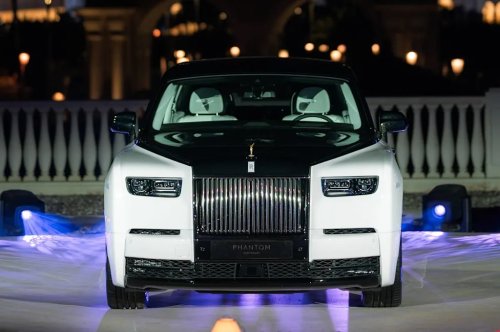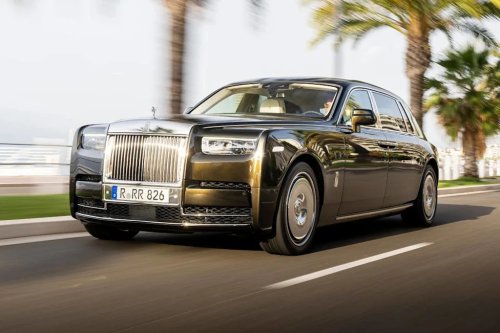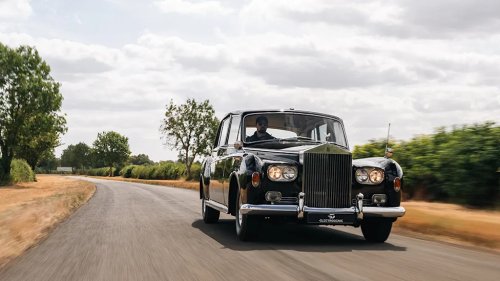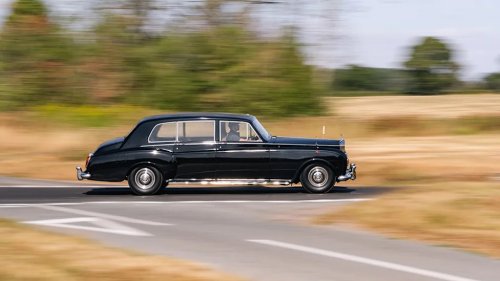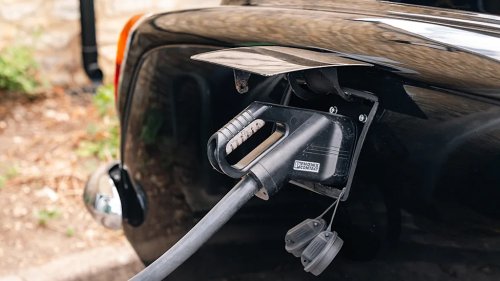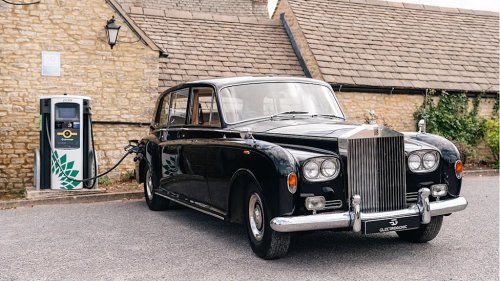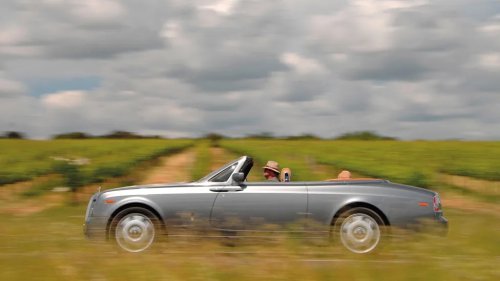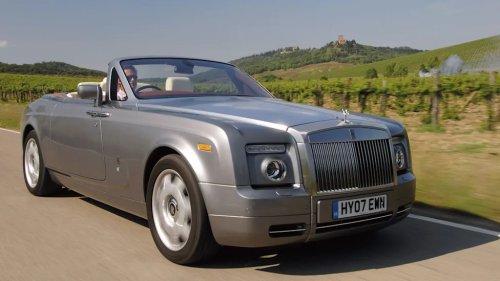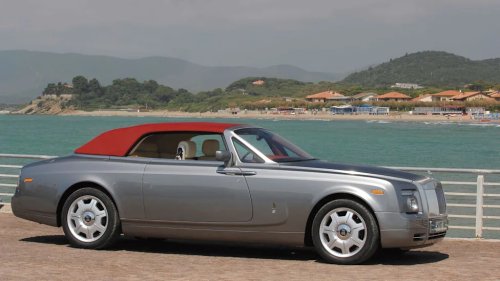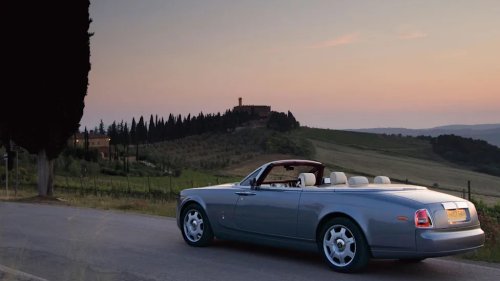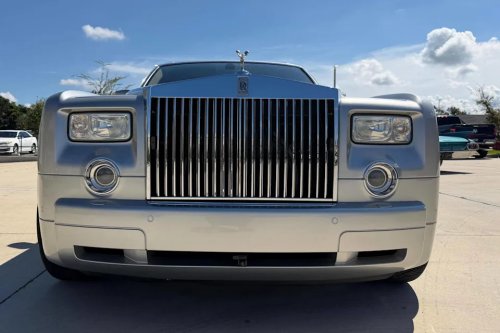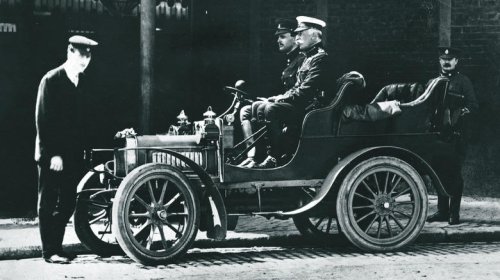
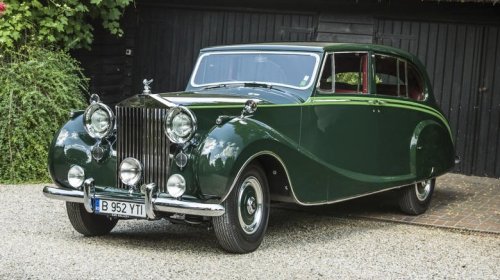
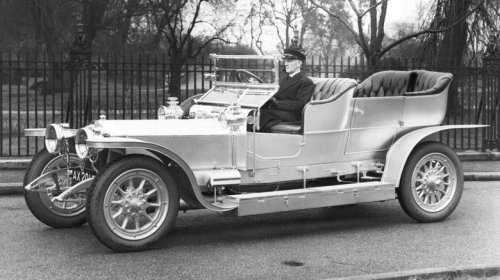
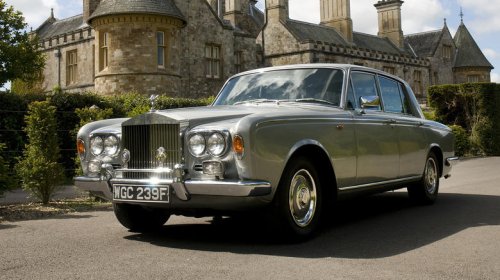
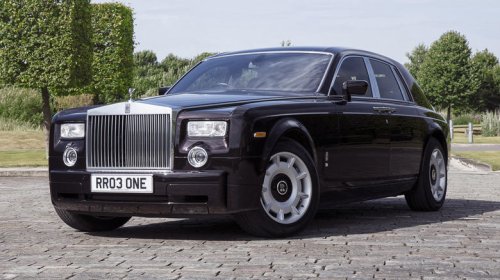







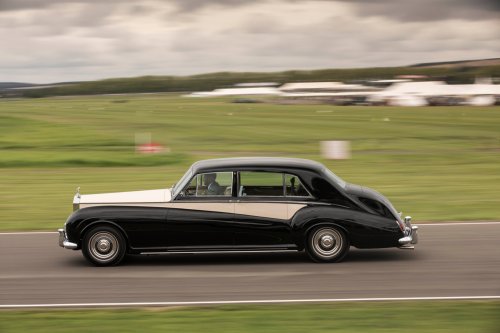
Rolls-Royce 10 HPTwo decades before the first Phantom was unveiled, Sir Henry Royce had already created his first automobile, the 10 HP. The story goes that Royce was heading back from vacation in South Africa when he happened to read a book on the newly emerged automobile industry. Royce's machinery business was struggling at the time and so, despite his limited resources, he decided to pivot to motor car production. He bought a 10 HP Decauville car and disassembled it to determine where it could be improved. Having worked out its weaknesses, he built his own automobile, borrowing not only the Decauville's naming conventions but also a significant proportion of its design.Royce was introduced to car dealership owner Charles Rolls through a mutual business associate, Henry Edmunds, just a few months after building his first car in 1904. Rolls and Royce quickly agreed to form a partnership: Royce would build cars and sell them exclusively through Rolls' dealership, with the resulting car bearing both of their names. A total of 17 examples of the 10 HP were built, although it's thought that only four of those survive today. One belongs to the Science Museum in London, one is stored in Bentley's Heritage Collection, and the other two are said to be privately owned.Rolls-Royce Phantom IVThe onset of World War II saw Rolls-Royce abandon its luxury carmaking business and pivot to helping the military effort. In the following years, demand for luxury vehicles remained low, until a request from the British royal family saw the company once again tasked with making a world-beating luxury car. The request came from Elizabeth II, still a princess at the time but positioned to be Britain's future monarch. A suitable state car was needed as her personal transport, and Rolls-Royce unveiled the Phantom IV, the most exclusive Phantom in the line's history. Unlike previous iterations of the car, there was no way to order a Phantom from a dealership or even from Rolls-Royce directly — instead, the company hand-picked to whom it sold each example.Phantom IV orders were reserved for only those whom the company deemed worthy — primarily world leaders and high-status members of the British royal family — and only 18 examples were built in total. Each one received a custom body from one of Rolls-Royce's coachbuilding partners, meaning no two examples are alike. Remarkably, given its age, it's thought that all but two of the original production run survive to the present day, some still in the collections of various royal families around the world.Rolls-Royce 40/50 HP Silver GhostKeen to build on the success of the 10 HP, a fledgling Rolls-Royce launched a number of more powerful models in its early years, with the top spec variant being the 40/50 HP. It was first unveiled in 1906, just two years after Charles Rolls and Henry Royce had agreed to form a partnership, and would remain in production until 1925. The nickname "Silver Ghost" originally stemmed from one car in particular — the 13th example of the 40/50 HP was finished in a distinctive shade of silver, and was used as a promotional car to demonstrate the quality of Rolls-Royce's products.It reportedly accumulated 15,000 miles in just its first few months of existence, an unprecedented feat for any publicly sold car at the time. It generated a large amount of publicity, and the public and press began to refer to any 40/50 HP Rolls-Royce as a Silver Ghost. Eventually, the moniker was adopted by the factory. The 40/50 HP helped establish Rolls-Royce as a maker of world-leader cars more than any other model in its early days and proved pivotal both in the brand's history and in the development of luxury cars as a whole. As a result, when surviving examples go under the hammer today, they're extremely highly sought after by collectors, and rank among the brand's most valuable models.Rolls-Royce Silver ShadowThe arrival of the Silver Shadow in 1965 ushered in a new, more modern breed of Rolls-Royce, but in doing so it left behind one of the elements that made the brand's cars unique. It was the first Rolls-Royce to feature a monocoque body, meaning there was no longer any need for a coachbuilder to cloak the car in its own brand of sheet metal. Every car now emerged as finished products directly from Rolls-Royce's factory, effectively killing off the luxury coachbuilding industry, which was already on life support thanks to dwindling interest.Aside from its monocoque construction, the Silver Shadow also featured new, sharper styling, and suspension borrowed from French carmaker Citroën. Air conditioning and all-around disc brakes were also available for the first time, alongside cruise control. With all these advancements combined with its smooth V8 engine, the Silver Shadow reasserted Rolls-Royce as a leader in luxury cars, becoming the brand's best-selling car in the process. Improvements were continuously made over the car's lifespan, with the Silver Shadow eventually superseded by the Silver Shadow II in 1977.Rolls-Royce Phantom VIIThe Phantom VII was developed at a pivotal time for Rolls-Royce. The late '90s saw two German heavyweights, BMW and VW, fight over the rights to the marque. BMW eventually emerged victorious, with VW effectively forced to surrender the Rolls-Royce name from 2003, despite owning the brand's historic factory and many of its assets. The VW-owned remains of the original Rolls-Royce company would be restructured and continue selling cars under the Bentley marque, while the pressure was on BMW to deliver a world-beating flagship model to kickstart this new chapter of Rolls-Royce's history.The seventh-generation Phantom was unveiled in 2003, and more than delivered on its brief. It was all-new from the ground up, with every aspect of the car from its aluminum chassis to its 6.75L V12 engine thoroughly reworked. The sixth-generation Phantom was launched in 1968 and was already ancient by the time it was retired in 1990. Its successor was a world away in terms of technology, yet it still managed to convey the dignified, regal look of previous iterations. It remained in production for 13 years and spearheaded Rolls-Royce's resurrection under its new ownership.