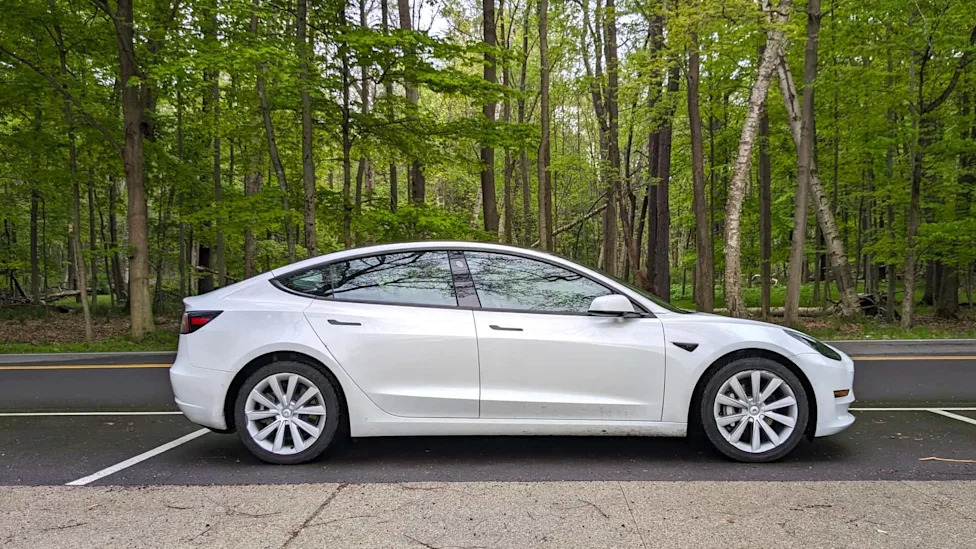
Photo Credit: iStockA Texas EV owner's simple registration-renewal question sparked a much broader debate about how states should fund roads in the electric era.At the center is Texas' $200 annual EV registration fee, which some drivers argue is higher than what many gas-car owners effectively pay in fuel taxes.What's happening?Hundreds of replies followed a Reddit post from a Texas driver who noticed an extra charge during registration renewal.AdvertisementAdvertisementBy asking, "What is wrong with Texas? is this fee lower in other states?" the poster kicked off a conversation about fairness, EV policy, and how road funding should work.A common response was that the charge exists to make up for fuel-tax revenue EV owners do not contribute at the pump.As one commenter put it, "Replacement for gas taxes but it's an outsized fee typical to actual mileage driven."Several people tried to express the fee in gasoline terms rather than as a flat annual bill.One commenter wrote, "$200 EV fee = 0.20/gallon lost on 1000 gallons of gas , or about 575 miles a week at 30 mpg."AdvertisementAdvertisementSome users, though, said the charge can make sense for average drivers even if it disadvantages lighter users.Why does it matter?The debate goes beyond one line item on a renewal form. It affects the real cost of owning an EV, something shoppers increasingly weigh alongside charging access, insurance, and maintenance.A flat annual fee can hit low-mileage drivers especially hard because it does not change based on how much someone actually uses the roads. Someone who drives far less than average could end up paying more than a comparable gas-car owner would contribute through fuel taxes.That disparity was a major sticking point in the thread.AdvertisementAdvertisementOne commenter wrote, "You got that right! That basically means that EV owners like ourselves pay more tax for energy than ICE vehicles."Transportation policy can shape EV adoption. If fees feel punitive or confusing, they may discourage some buyers from switching, even though EVs can still save drivers money over time through lower fuel and maintenance costs.What can I do?Registration fees are part of the total cost calculation before buying or renewing. A flat fee may still be offset by savings on gas and upkeep, depending on actual mileage.Drivers can also compare how much they used to pay, or would pay, in gas taxes each year. That can make it easier to judge whether a flat EV fee feels like a fair replacement or more like a penalty for driving electric.AdvertisementAdvertisementFuture policies may shift toward mileage-based or weight-based systems instead of broad flat fees.Get TCD's free newsletters for easy tips, smart advice, and a chance to earn $5,000 toward home upgrades. To see more stories like this one, change your Google preferences here.



















 +10 others