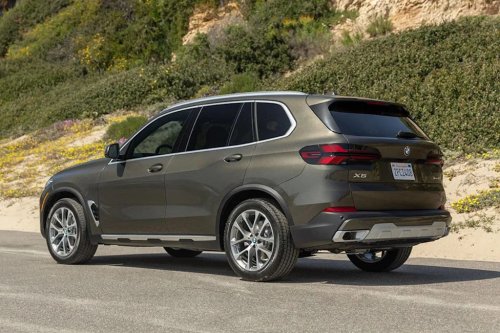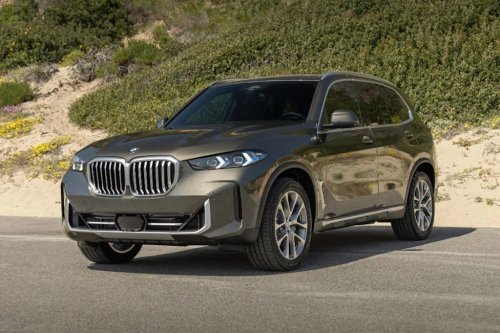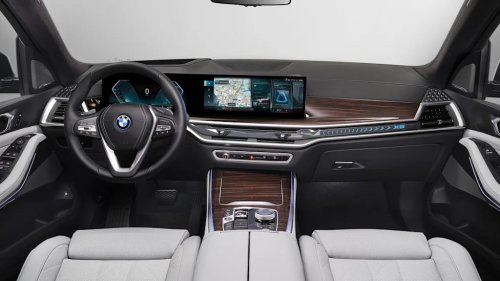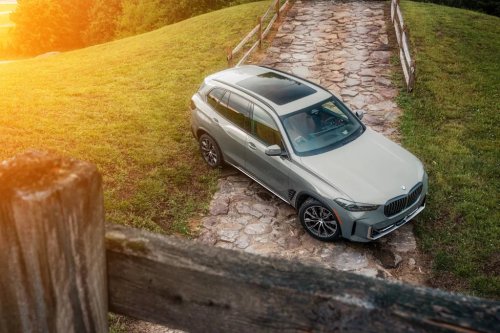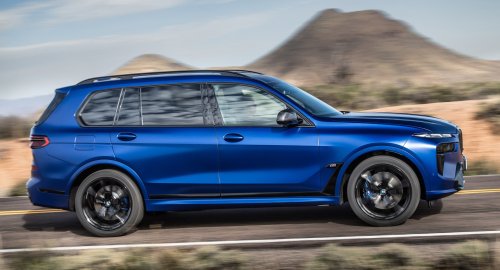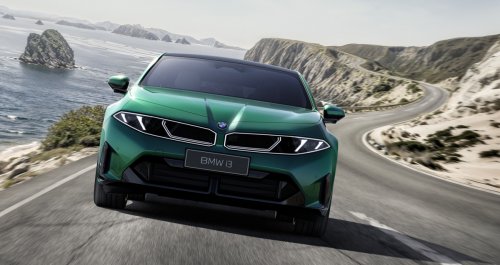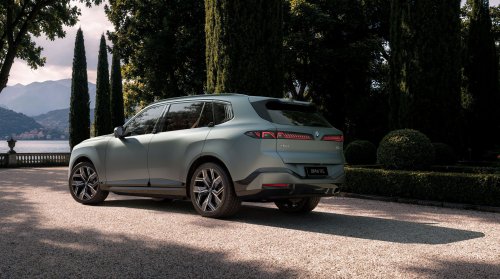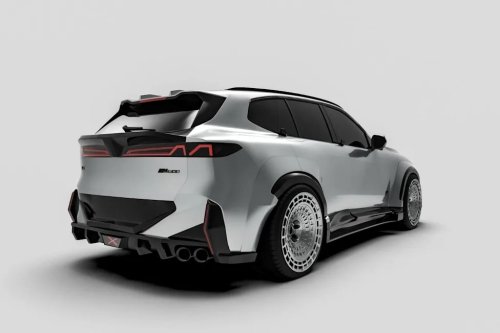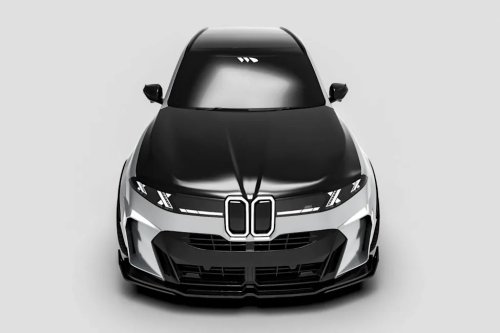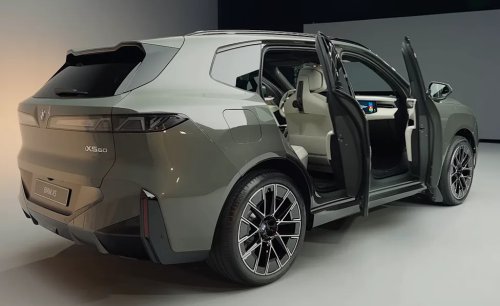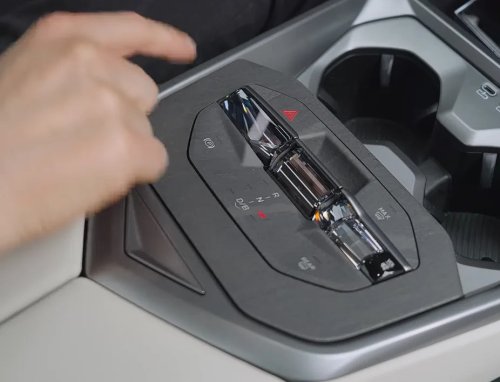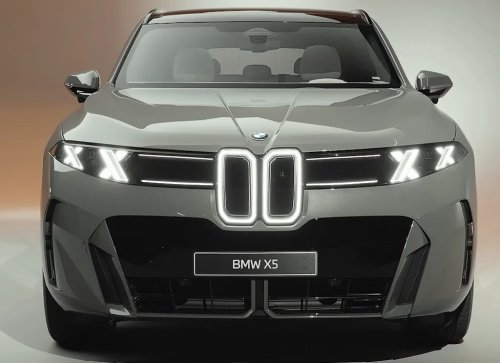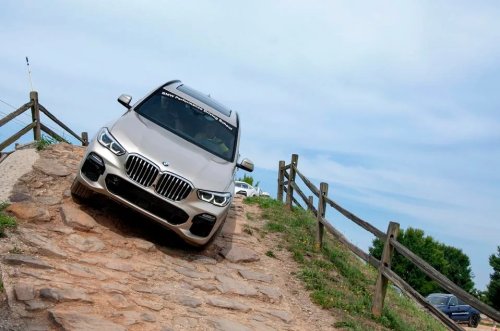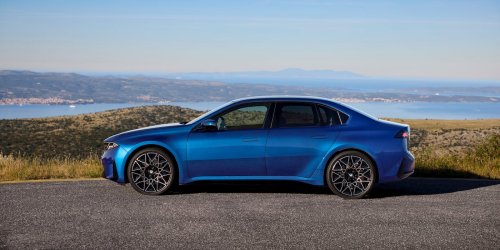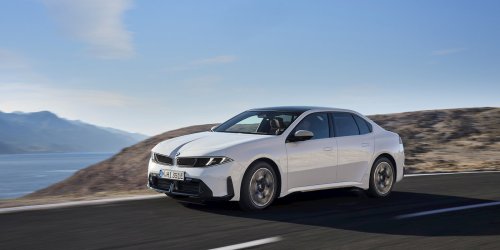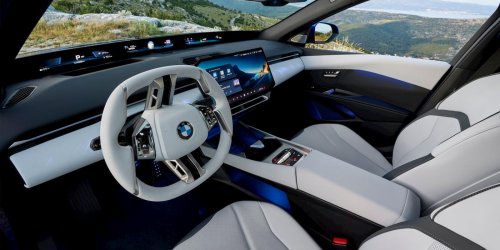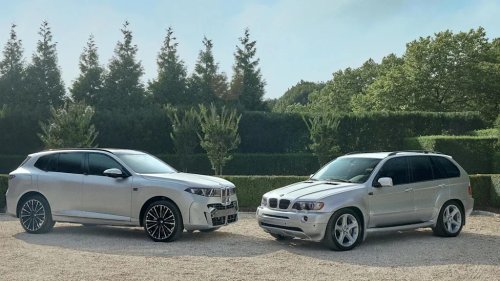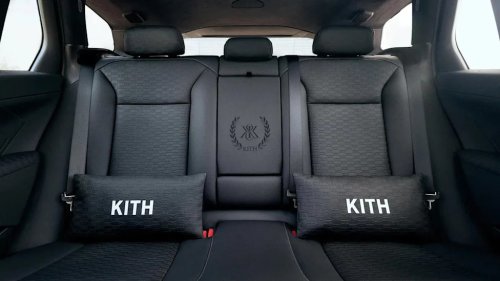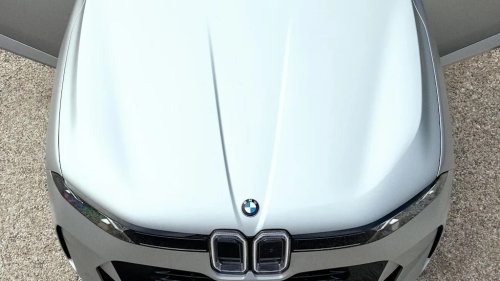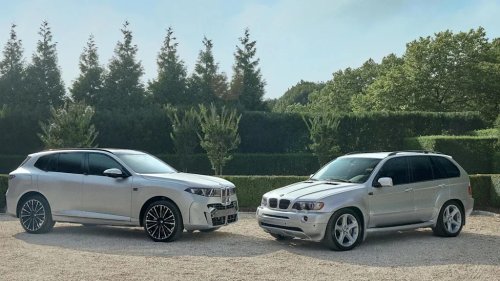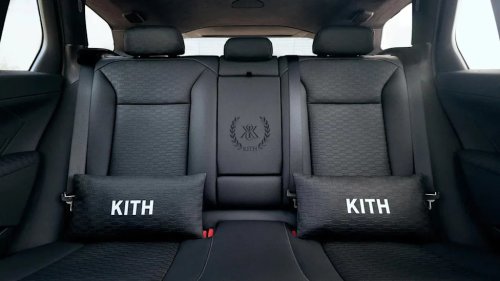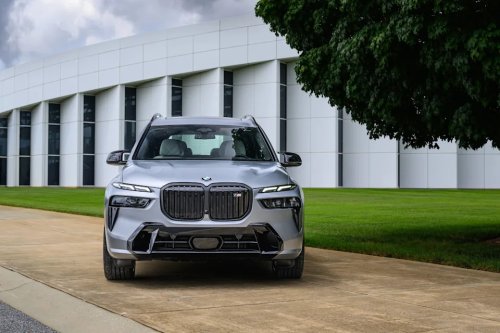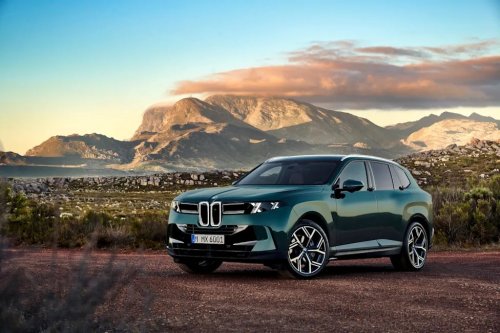
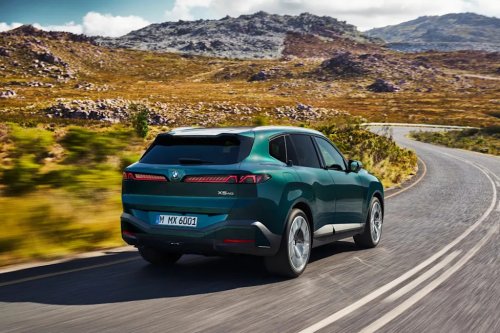
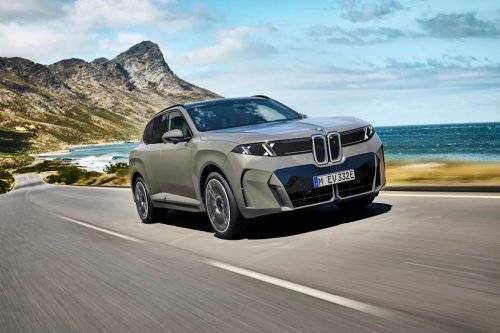
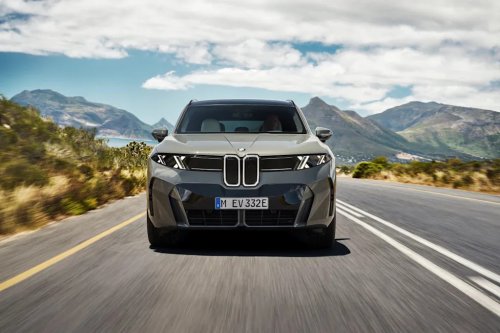
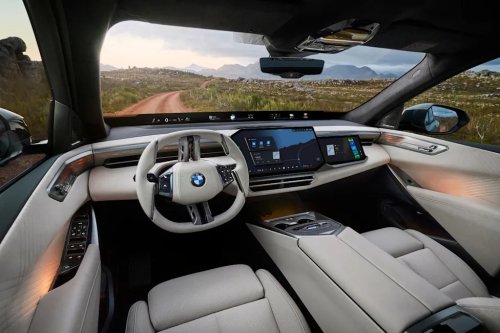
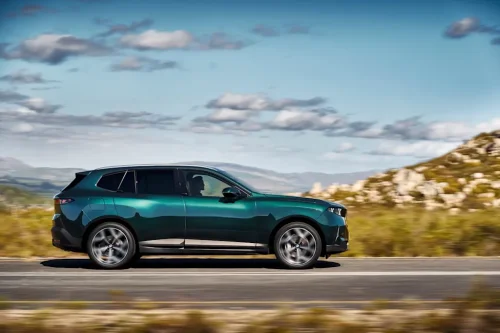



















New BMW X5 Brings a Fresh Face, 5 PowertrainsBMWThe BMW X5 has long been the benchmark for premium SUVs here in the United States. These days, the market continues to shift under rapidly changing regulations, but the folks at BMW are ready to ensure the nameplate is more flexible than ever before. With the debut of the all-new fifth generation model, the X5 not only picks up the Neue Klasse design language, but it also receives five different powertrain options—and a truly immense amount of tech.The 2027 BMW X5 lineup is all about variety. The automaker will offer the SUV with a six-cylinder internal-combustion engine with a 48-volt mild hybrid system, a plug-in hybrid powertrain, a hydrogen-powered variant (down the line), and a V-8-powered M Performance variant that comes next year. The lineup also includes the brand's first battery-electric vehicle produced here in the United States, dubbed the iX5.The BMW X5 40, which comes in rear- or all-wheel drive, are powered by the latest version of BMW's 3.0-liter B58 inline-six engine, which benefits from a new turbocharger. Output is 394 horsepower and 428 pound-feet of torque, which BMW says should allow the X5 40 models to go from 0 to 60 miles per hour in just 4.8 seconds. The B58 is also paired with a gearbox-integrated 48-volt system, providing up to 17 hp and 148 lb-ft of electric assistance; an eight-speed automatic transmission is the sole gearbox option.BMWThe BMW X5 50e xDrive takes the updated six-cylinder engine and combines it with a synchronous electric motor rated at 194 hp. Combined output for the setup is rated at 483 hp and 516 lb-ft, with the six-pot providing 308 of those horsepower. The electric components are once again integrated with the eight-speed, keeping packaging sacrifices to a minimum. The hybrid system is fed by way of a battery with 26.5 kWh of usable capacity, providing the SUV with an estimated 44 miles of pure electric range.AdvertisementAdvertisementThe iX5 60 xDrive, meanwhile, promises to be one of the brand's most compelling EVs yet. The dual-motor EV takes a different approach from most of its contemporaries, utilizing an electrically excited synchronous motor (EESM) out back and an asynchronous motor (ASM) on the front axle. The rear motor is the main unit, providing 325 hp and 369 lb-ft of torque; the front motor is good for up to 245 hp and 225 lb-ft of torque, though it will disconnect when it's not needed to help improve efficiency. Total system output is rated at 570 hp and 593 lb-ft.The motors draw power from the brand's first battery to utilize BMW's new 120-mm cylinder cells, which are packaged directly into the pack without typical modules or added structure. Not only does this allow the battery to be a bit lighter, but it also allows the brand to shove a lot of juice into the package. BMW says the iX5 will arrive with 144 kWh of usable capacity, which makes it one of the larger EV battery packs on offer. The brand also states that the SUV should provide customers with a very healthy 435 miles of range, once EPA testing results come back.BMWWhen it does come time to top up the battery, the iX5 benefits from an 800-volt architecture. The SUV is able to charge at rates up to 460 kW, allowing customers to go from 10-80 percent of charge in just 22 minutes. If that's too long to stop, the iX5 adds about 170 miles of range in just 10 minutes. Bidirectional charging is also supported for the first time. The EV is quick off the charger too, rocketing from 0-60 mph in a claimed 4.4 seconds, but top speed is down from the gas-powered 155-mph limit to just 130 mph for the BEV.Every BMW X5 features a double-wishbone front suspension paired with a multi-link rear end, and the 2027 model year sees every version of the SUV come as standard with adaptive dampers and height-adjustable suspension. The automaker is also rather proud of the fact that this X5 also arrives with a near 50:50 weight distribution, enhancing its abilities on a back road. The BEV and PHEV models also benefit from BMW's Adaptive Chassis Control Professional system, which is essentially a smart active roll stabilization setup with the addition of rear wheel steering.BMWRegardless of your powertrain selection, the new X5 and iX5 lineups share a familiar face. The design language is a clear continuation of the Neue Klasse sensibilities, marking a radical departure from the outgoing model. The wider track width and smaller illuminated grilles accentuate the width of the vehicle, helped by the wheels ranging from 21 to 23-inches. The overall shape is largely driven by surfacing, lacking an excess of fussy angles or unnecessary elements. BMW took this principle so far, it even removed the exterior door handles in favor of touch-activated B- and C-pillar mounted winglets that pop open the power doors. (They look rather cool, but I struggled a bit with them on the early pre-production units I experienced.)AdvertisementAdvertisementI am rather fond of the "Double X"-branded headlight treatment, though to my eyes, it is getting dangerously close to what we've seen from Mercedes-AMG as of late. That said, BMW will allow customers to switch off the Xs for a simpler design if they so choose. There are also 11 exterior hues to choose from, allowing for a little bit more personalization than we've seen before.BMWThe interior of the new X5 feels downright expensive. The combination of faux suede and leather trims is both visually exciting and nice to the touch. The new steering wheel is a massive shakeup for the brand, though I'm not convinced it will stick around too long; it's a bit smaller than I'd typically want in a vehicle this size, and the shape is just downright weird.The iX5 I poked around in also featured a load of crystal glass trim pieces, which reminded me of Aston Martins of yesteryear. Every X5 model will come as standard with heated sport seats, though a multifunction seat with massage and ventilation functionality is also on offer with the Luxury Seating Package or Climate Package. The rear seats feature a 40:20:40 split, offering owners variety when it comes to loading. The back seat itself is rather spacious, with this tall driver having little issue getting comfortable behind average-sized people.The transparent volume of screens inside the cabin defines the X5 experience. A 17.9-inch display sits at the center of the cabin, and runs the brand's new Android-based BMW Operating System X. The system is much more powerful than its predecessor and features Alexa AI integration, Apple CarPlay, and Android Auto capabilities as standard. Ahead of the driver sits a massive screen that runs across the base of the windshield known as BMW Panoramic Vision. Think of it as a much better-looking alternative to a HUD. Passengers aren't left out of this scenario however, as the X5 will also offer a 14.6-inch full-HD passenger screen. A 12-speaker stereo comes standard, but an upgraded 18-speaker Bowers & Wilkins Surround Sound System with Dolby Atmos support is available.BMWBMW plans to bring the X5 40 xDrive to market first, arriving in October of this year. The X5 40, plug-in hybrid X5 50e xDrive, and the iX5 lineup are slated to join the order sheet for the first quarter of 2027. A V-8 powered M Performance model is slated to arrive later in that year, but details remain scarce. No word yet from BMW as to when we can expect the hydrogen variant to make its first appearance, though we expect that to come well after the initial model push.AdvertisementAdvertisementThe 2027 BMW X5 40 will carry a base price of $71,250 including destination, while the all-wheel drive 40 xDrive model will start at $73,550. The X5 50e xDrive PHEV opens at $78,950, and the iX5 60 xDrive at $81,250. We'll be sure to update you with pricing on the V-8 and hydrogen-powered models as soon as that information becomes available.You Might Also LikeIf You Can Only Own One Car, Make It One of TheseThese Are the Most Popular Cars by State