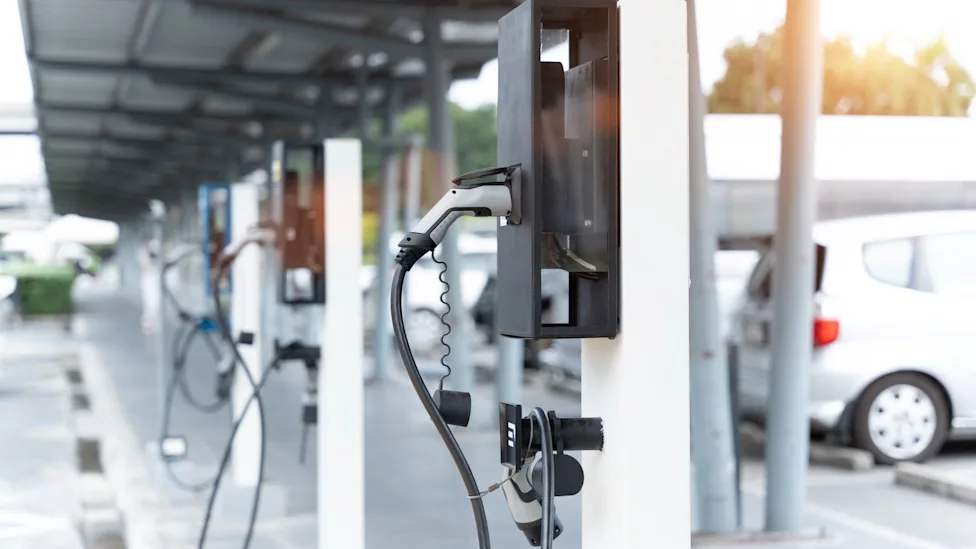
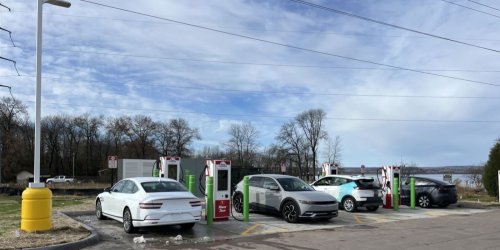
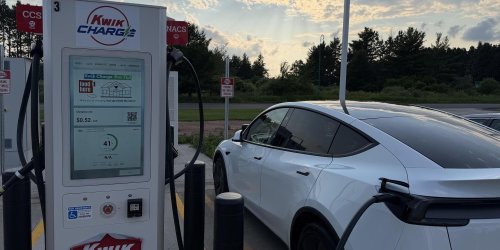
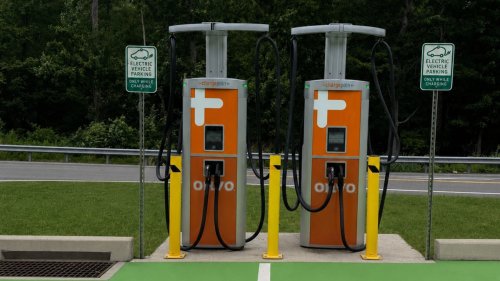
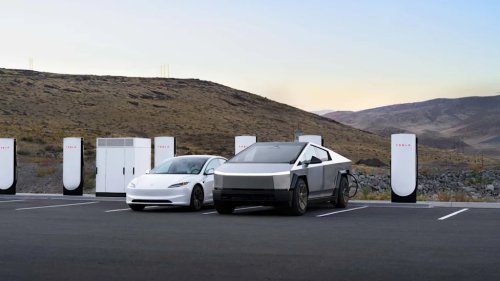
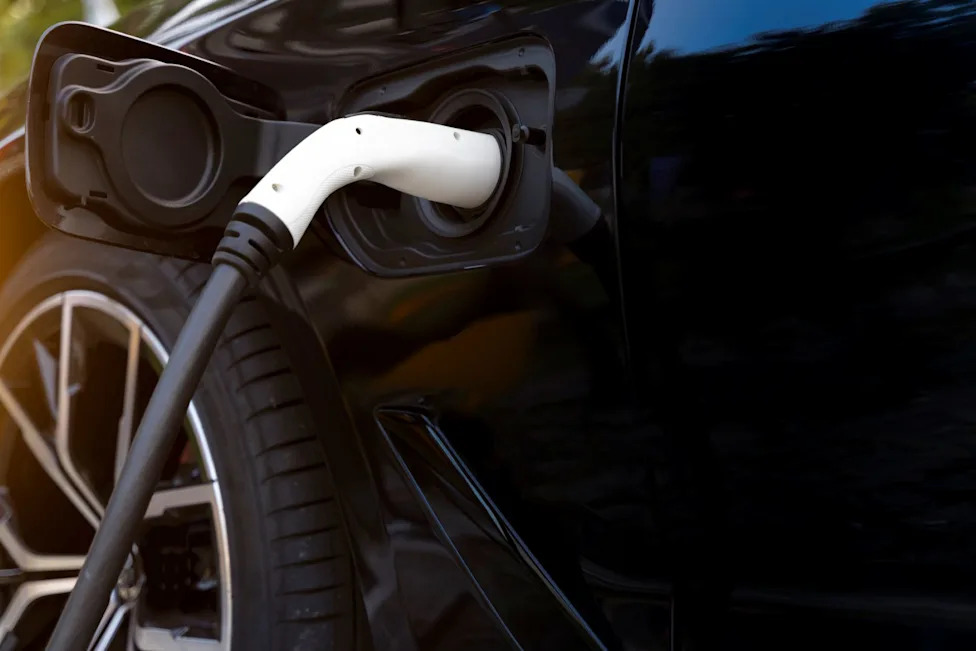
Photo Credit: iStockTexas is preparing for a major expansion of its electric vehicle charging infrastructure, a shift that could make cleaner, lower-cost driving much more practical for people across the state.The Texas Transportation Commission recently approved Phase 2 of the National Electric Vehicle Infrastructure program, making roughly $250 million available for additional public EV charging stations across Texas, according to CleanTechnica.The funding is expected to bring hundreds of new fast-charging ports to the state, helping drivers travel longer distances with more confidence while also reducing charging gaps in rural communities.AdvertisementAdvertisementTexas already has more than 330,000 fully electric vehicles on the road, and access to reliable charging remains one of the biggest factors influencing whether more drivers feel comfortable making the switch from gas-powered cars.More charging stations can mean less range anxiety, fewer long detours to find a charger, and a smoother ownership experience overall.Phase 1 of the program brought $53 million in federal funding to 65 charging sites across Texas, with 15 already completed.Phase 2 is expected to significantly expand that effort. If every new site includes at least four charging ports, the program would add a minimum of 588 new ports statewide, with some locations likely to include even more.AdvertisementAdvertisementThe build-out is designed around how Texans actually travel.One of the NEVI program's primary goals is to place chargers along major travel corridors so EV drivers can take road trips more easily.Another key focus is expanding charging access in rural parts of Texas, where public infrastructure has historically been limited. That could especially benefit residents, workers, and small businesses that depend on reliable transportation but are located far from major metro areas.For drivers, the advantages go beyond convenience. EVs often cost less to operate than gas-powered vehicles, particularly because electricity is typically cheaper, and require less routine maintenance.AdvertisementAdvertisementFor homeowners, pairing an EV with rooftop solar can lower transportation costs even further by reducing the cost of charging at home. TCD's Solar Explorer can help you compare installers and find competitive pricing for a new home solar system, making it easier to maximize the long-term savings tied to EV ownership or leasing.There is also an environmental upside. Every new charging station can support more drivers transitioning away from tailpipe pollution, reducing planet-warming harmful carbon pollution, and improving air quality.That can carry public health benefits as well, especially in communities heavily affected by traffic pollution.Texas' growing clean energy sector could strengthen those benefits even more over time.AdvertisementAdvertisementThe state already leads the nation in wind power production, while solar generation continues expanding rapidly. According to the U.S. Energy Information Administration, utility-scale solar generation on the ERCOT grid is expected to surpass coal generation this year.As cleaner electricity becomes a larger part of Texas' energy mix, a growing share of EV charging could eventually be powered by renewable energy sources.Get TCD's free newsletters for easy tips, smart advice, and a chance to earn $5,000 toward home upgrades. To see more stories like this one, change your Google preferences here.