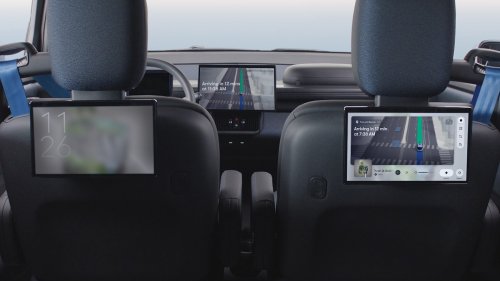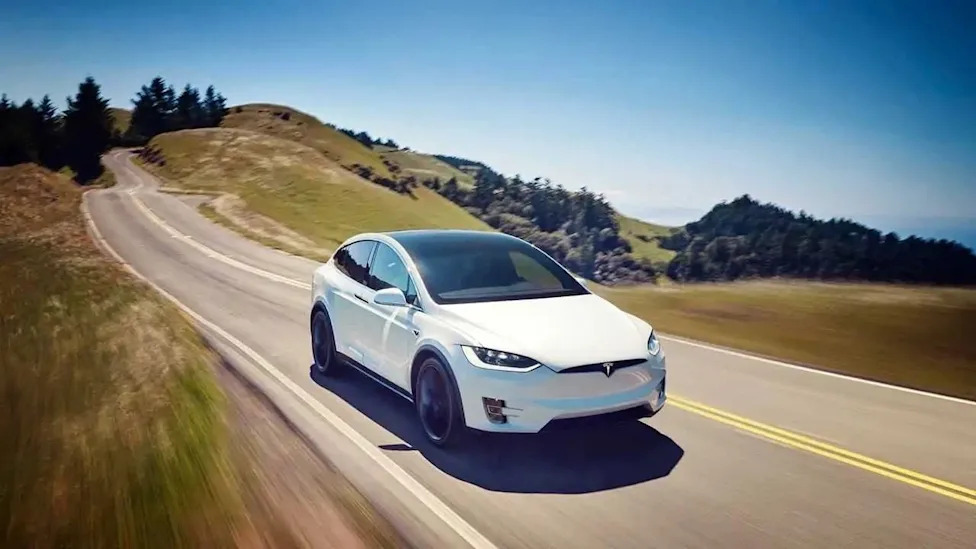
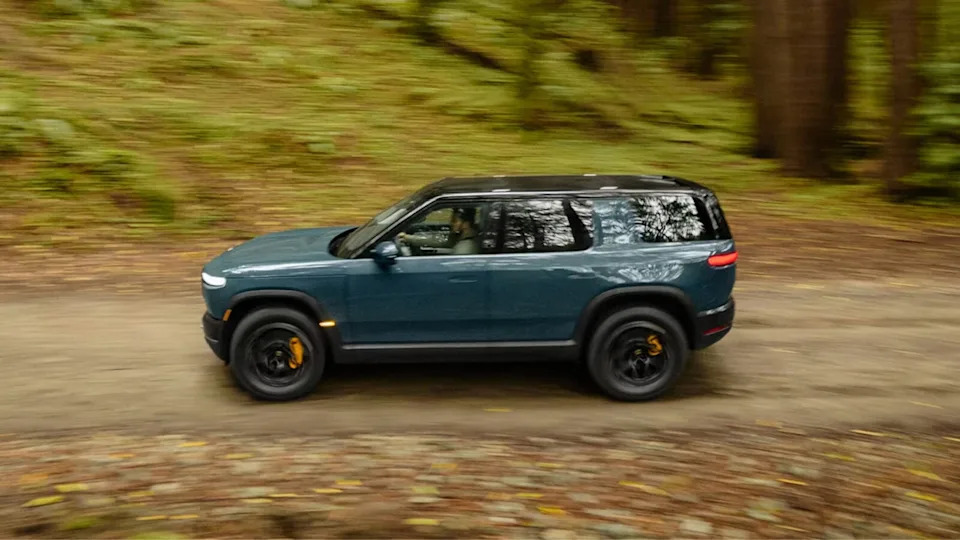
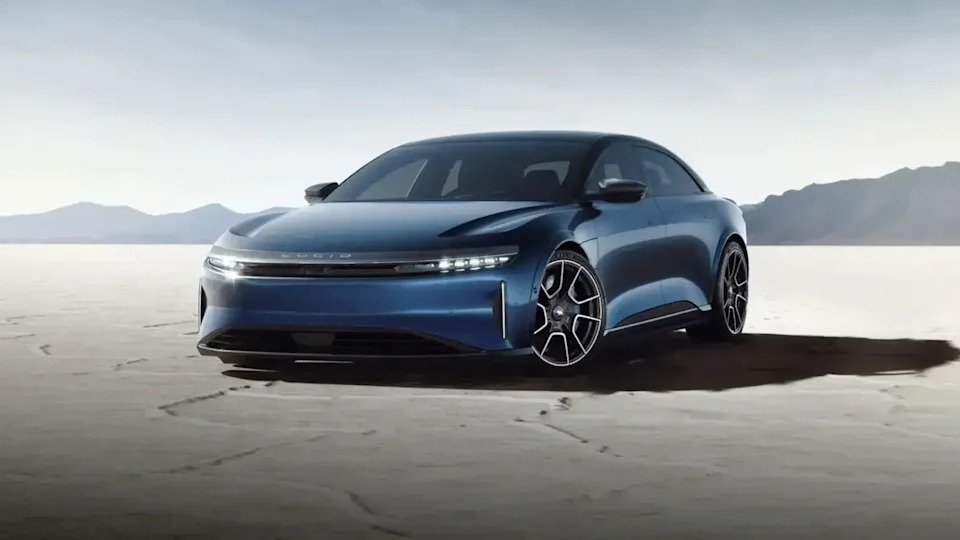



















Image Credit: TeslaElectric cars have built a reputation for being smooth, quiet, and easy to drive. Remove the vibration of a combustion engine and the interruptions of traditional gear changes, and you'd expect passengers to have an easier time too.For some people, the opposite appears to be happening. Passengers have reported nausea and motion sickness in EVs even when they rarely experienced the problem in gasoline-powered cars.One woman told the BBC that she had never suffered from motion sickness until her boyfriend bought an EV two years ago. Her nausea became severe enough on longer journeys that she eventually asked him to replace the car.Researchers aren't ready to declare EVs inherently worse for motion sickness, and the available evidence is still limited. There are, however, several characteristics of electric cars that could help explain why certain passengers feel queasy.Your Brain May Be Missing Some Familiar SignalsImage Credit: Rivian.Motion sickness can occur when the brain receives conflicting information about movement. Your eyes, inner ear, and other sensory systems are constantly working together to determine what's happening around you, and disagreement between those signals can trigger nausea.According to experts interviewed by the BBC, EVs remove some of the cues passengers have spent years associating with acceleration and deceleration. Engine noise, vibration, and rising revs can effectively warn your body that the car is about to change speed, whereas a quiet electric motor provides fewer clues.Chinese EV manufacturer XPeng has also discussed the issue publicly, and points to the combination of instant torque, quiet cabins, regenerative braking, and vehicle weight as possible contributors to motion sickness.Regenerative Braking Could Be A Major FactorRegenerative braking changes how an EV slows down. Releasing the accelerator can immediately create resistance through the electric motor, recovering energy for the battery while decelerating the vehicle.A driver knows exactly when they're lifting their foot, so the resulting slowdown is predictable. Passengers don't have that advantage, and repeated acceleration followed by strong regeneration can create an unpleasant rocking sensation, particularly in stop-and-go traffic.Instant electric torque can compound the problem. An EV can respond almost immediately to accelerator inputs, meaning an aggressive or inexperienced driver can repeatedly push passengers forward and backward without realizing how uncomfortable the ride has become.Smooth Driving Could Make A Big DifferenceImage Credit: Lucid.Not every EV passenger experiences motion sickness, and some people told the BBC they actually feel better in electric cars. Research into whether EVs cause more severe motion sickness is still at an early stage, with University of Pittsburgh researcher Dr. Bill Yates describing the existing evidence as "pretty sketchy."Driving style could therefore be particularly important. Gentler accelerator inputs and less aggressive regenerative-braking settings may reduce abrupt changes in speed, while manufacturers can use software to smooth acceleration and braking responses.Passengers have options too. Experts recommend looking through the windshield instead of staring at a phone, sitting in the front when possible, keeping your head against the headrest, and getting fresh air.Automakers could eventually tackle the issue with adaptive regenerative braking, carefully tuned suspension, subtle vibrations, or artificial sounds that provide additional sensory cues. EVs may deliver exceptionally smooth power, but for some passengers, a little extra warning about what the car is about to do could make that smooth ride easier on the stomach.If you want more stories like this, follow Guessing Headlights on Yahoo so you don't miss what's coming next.