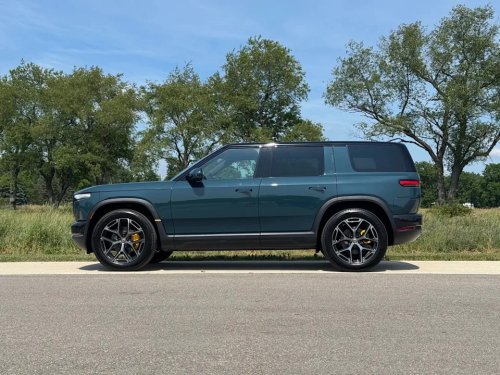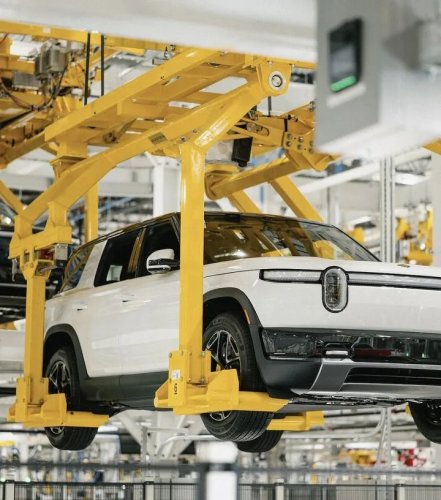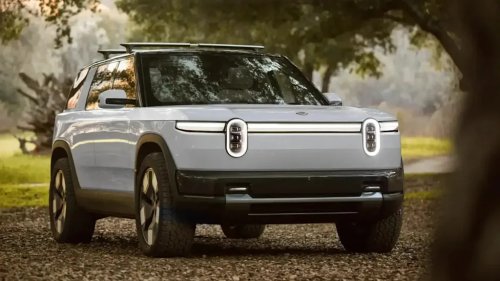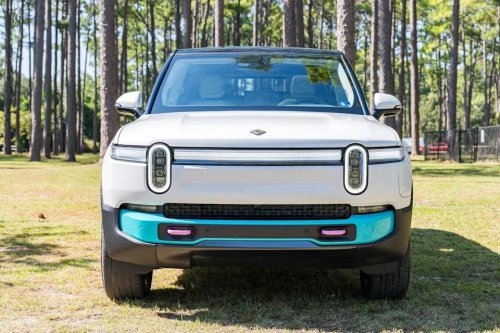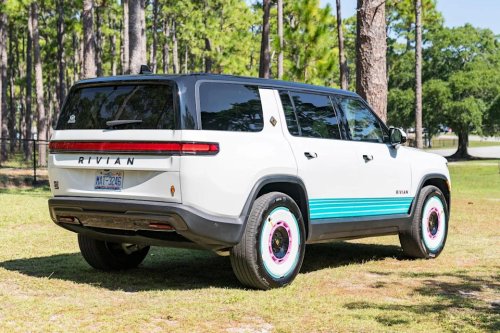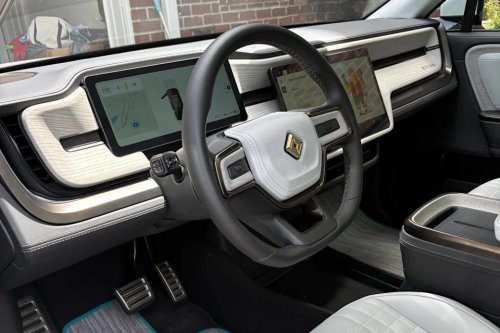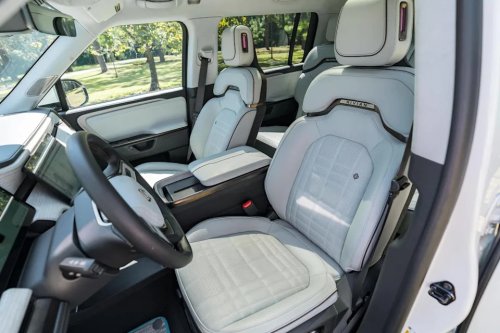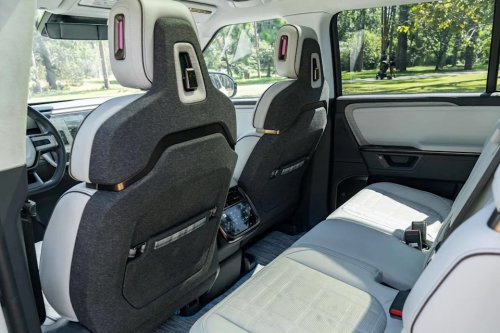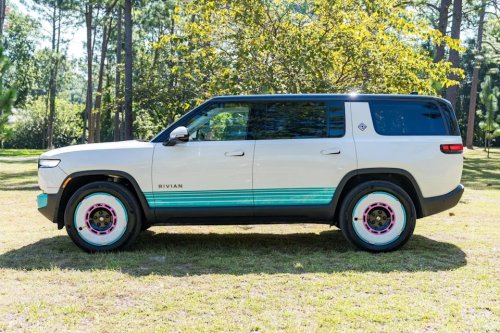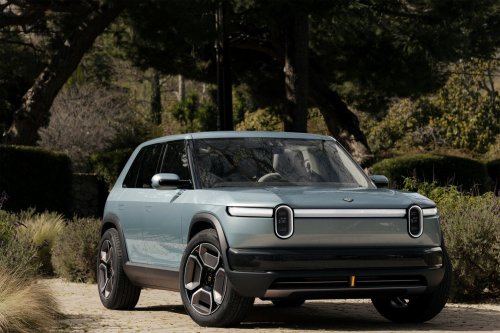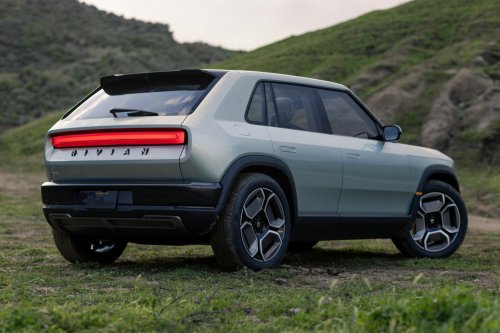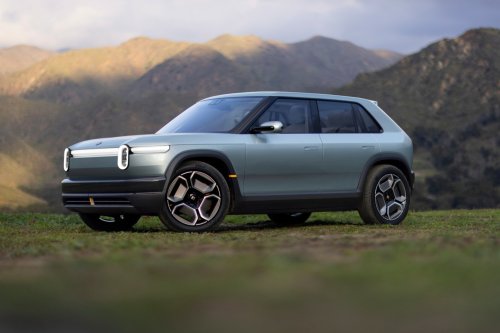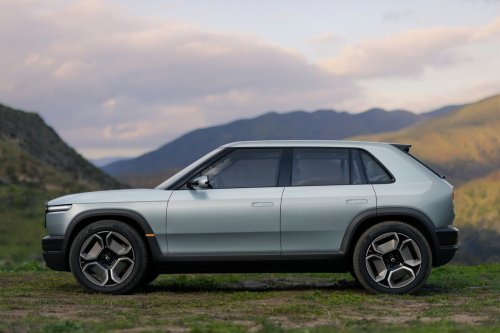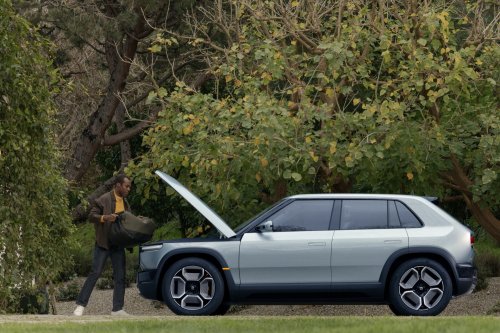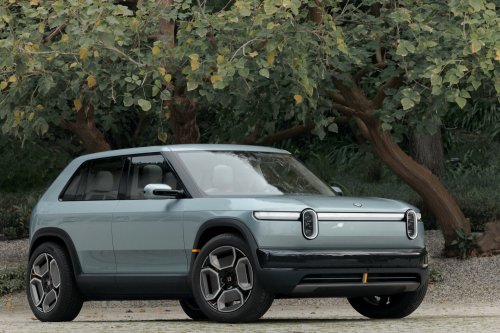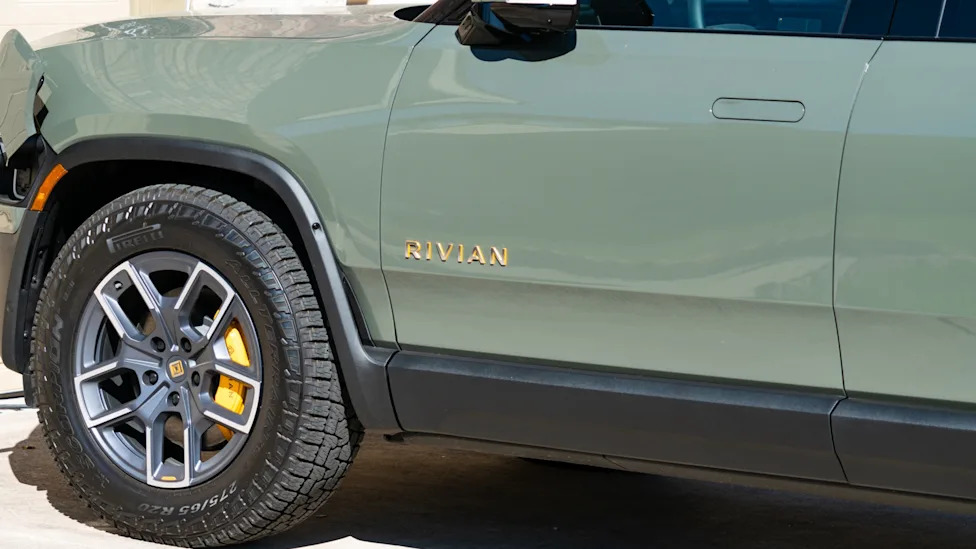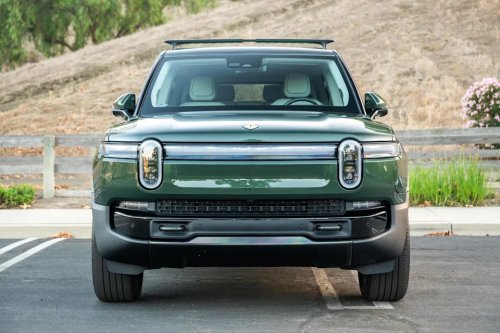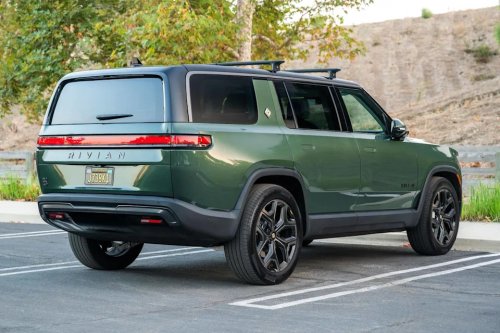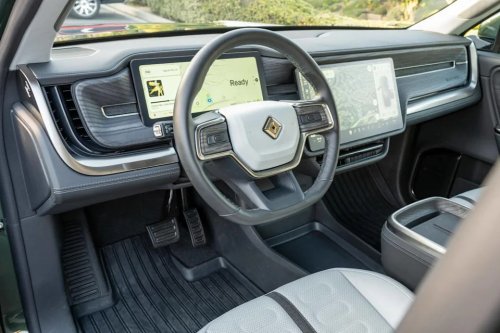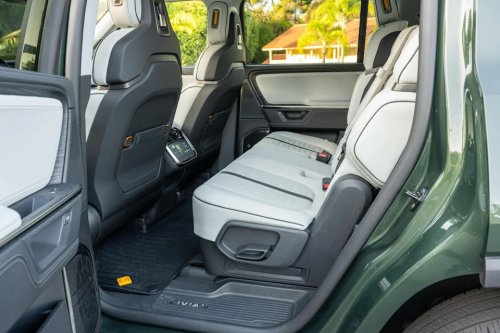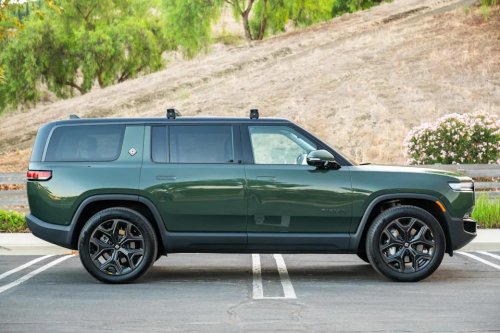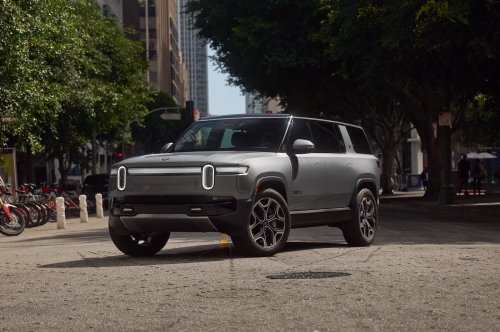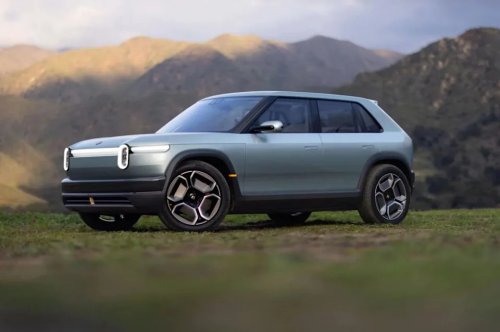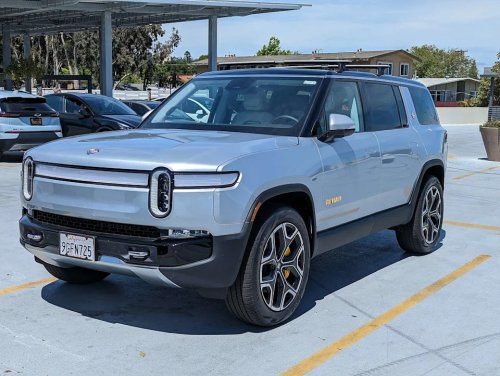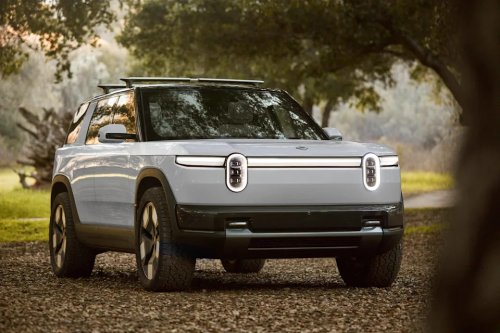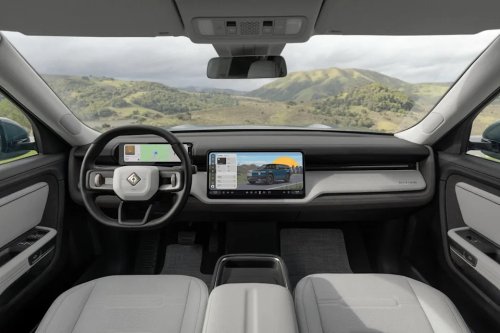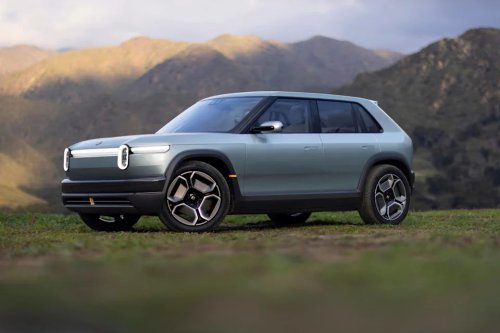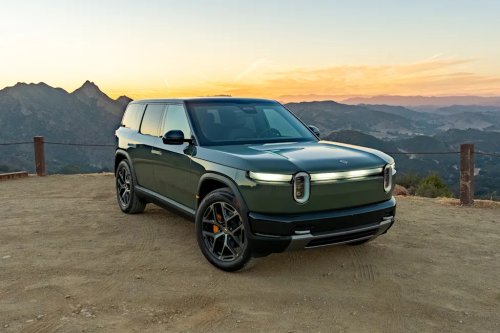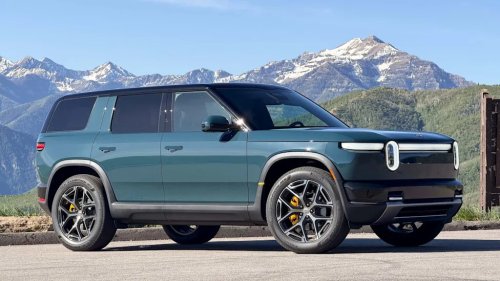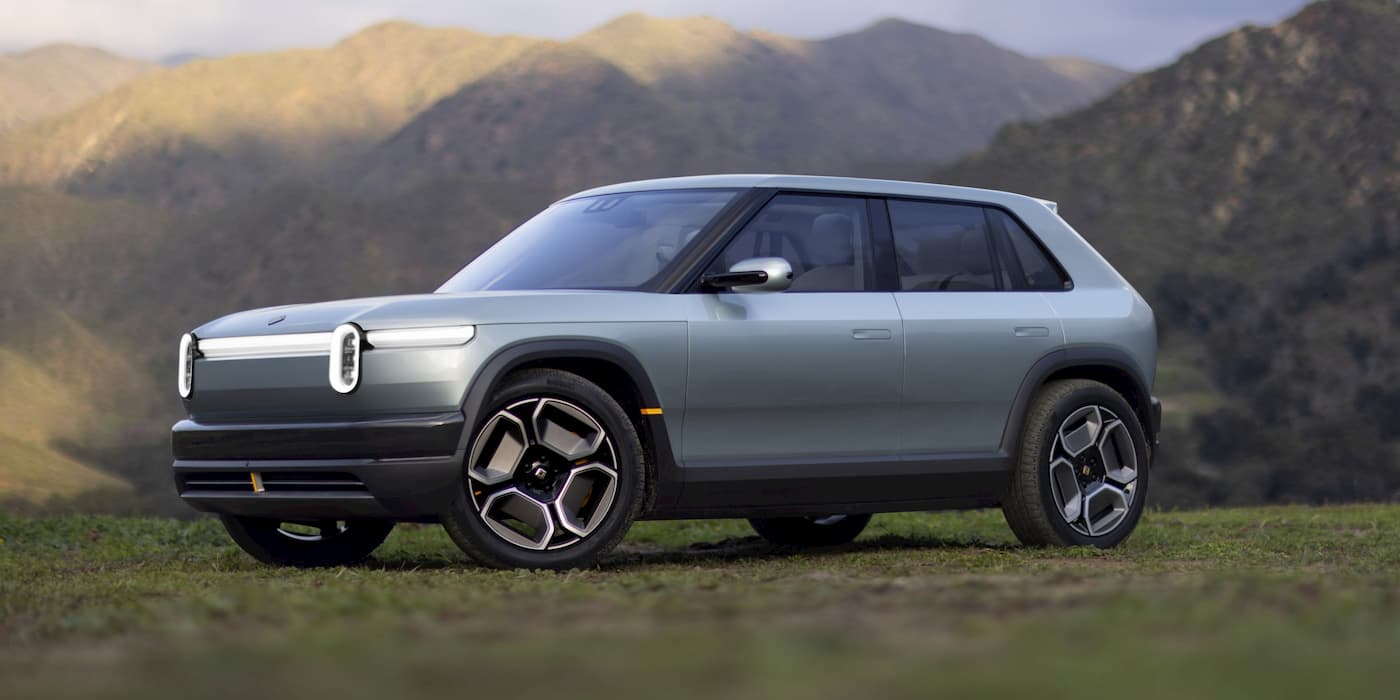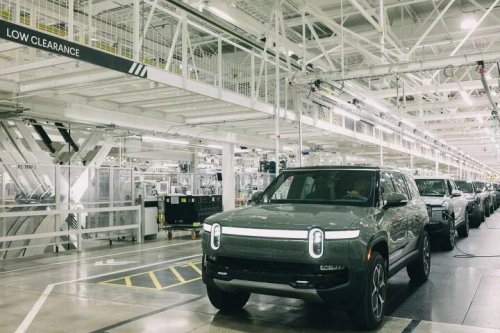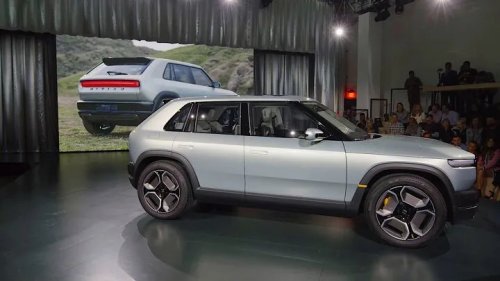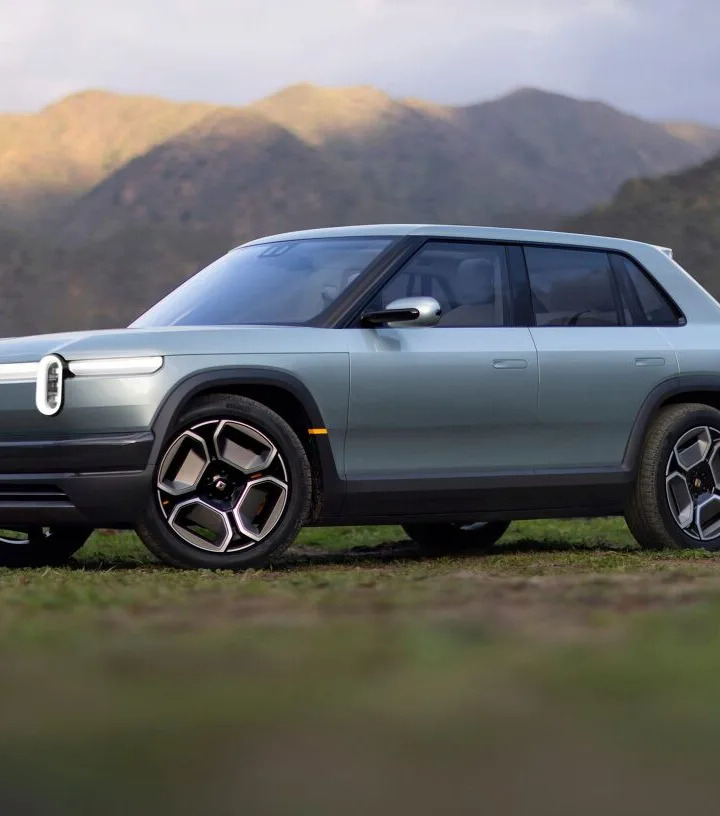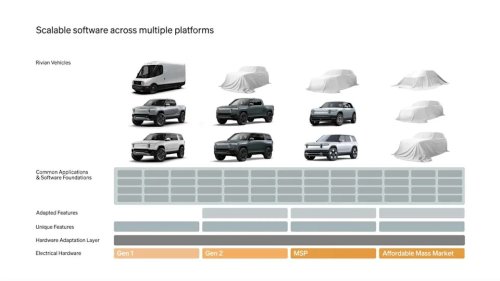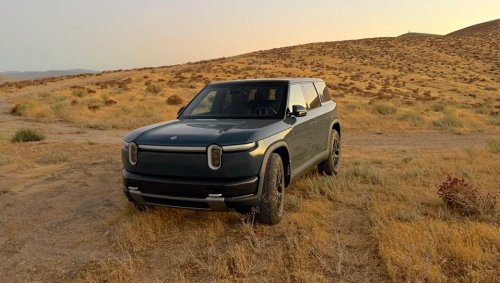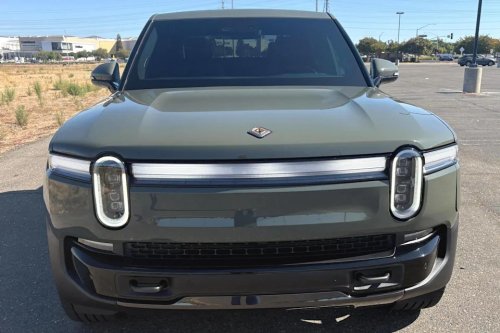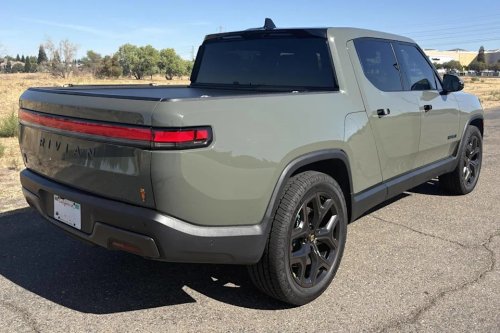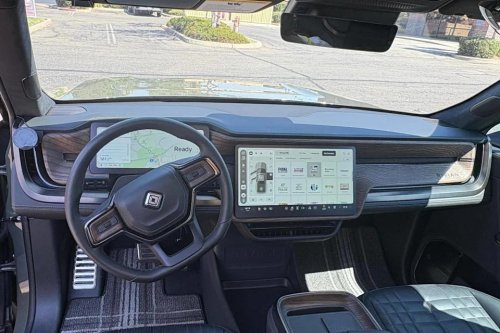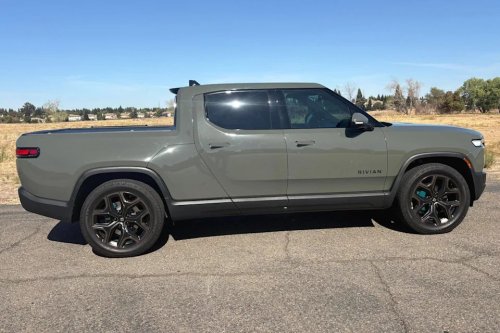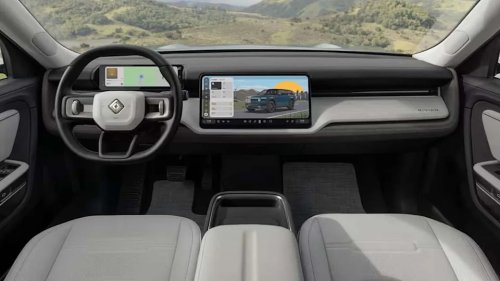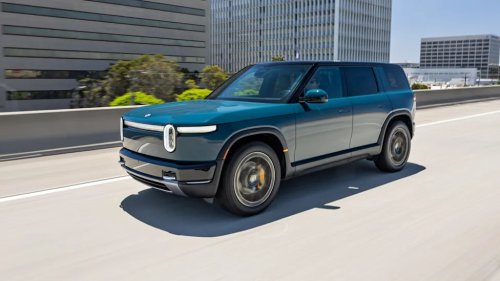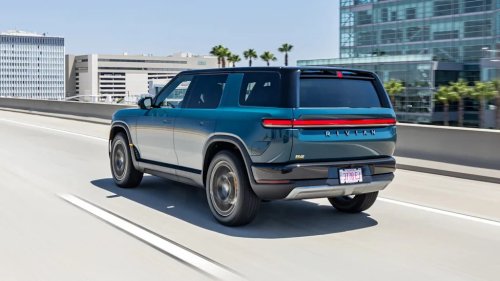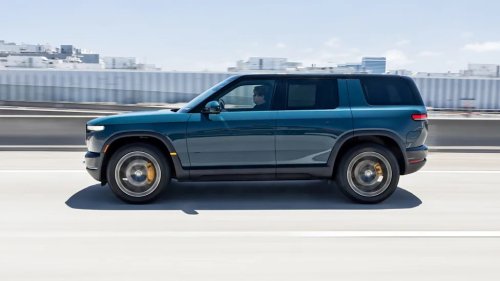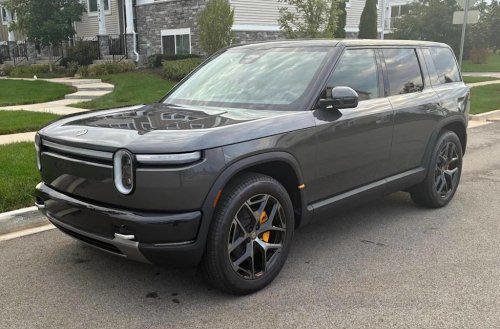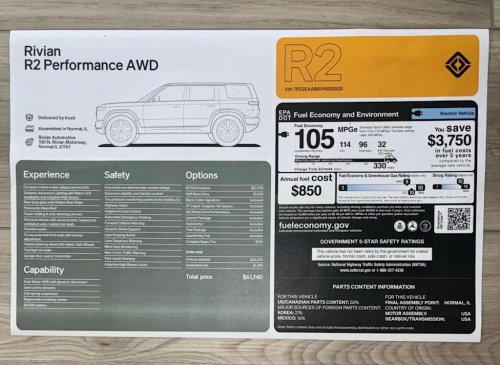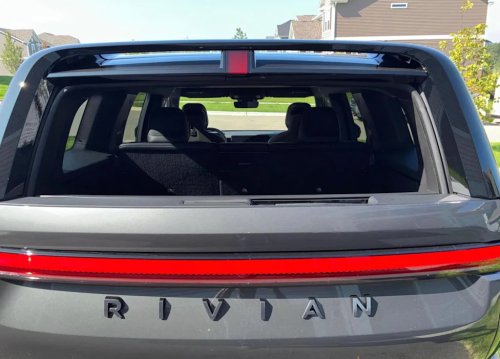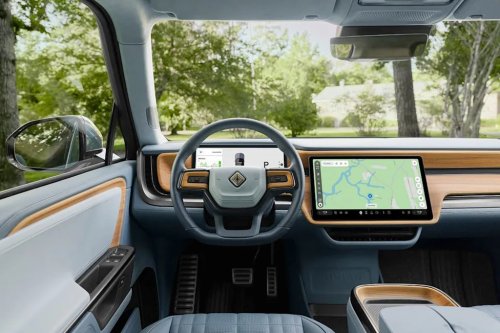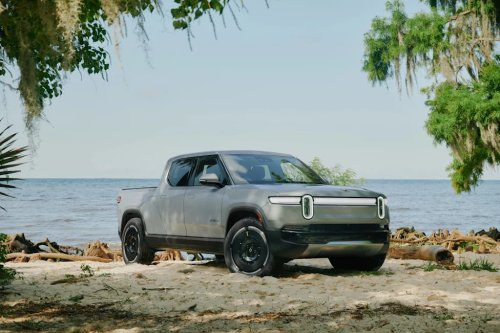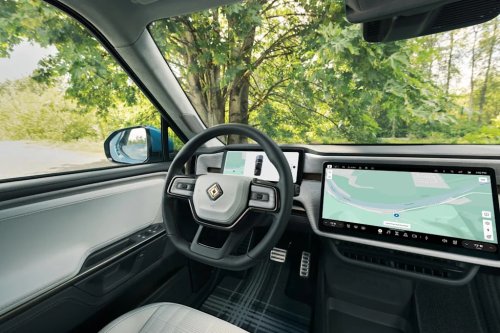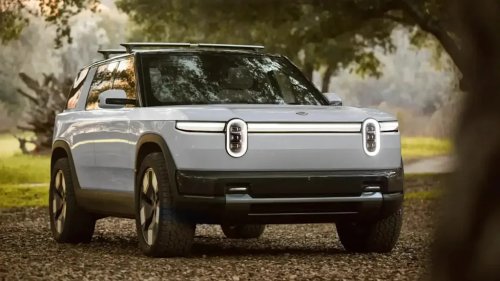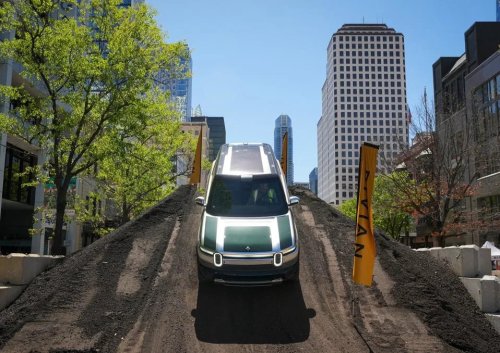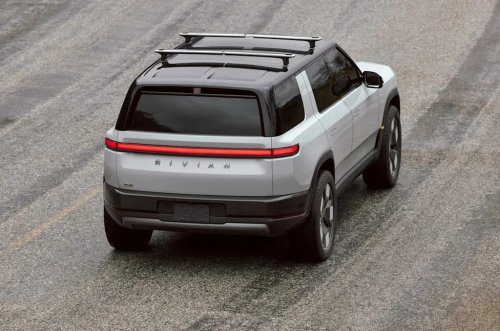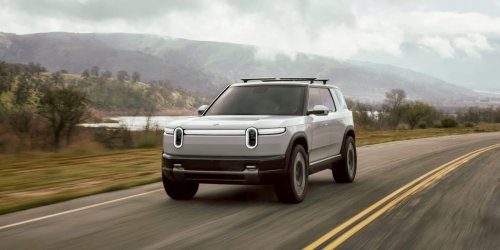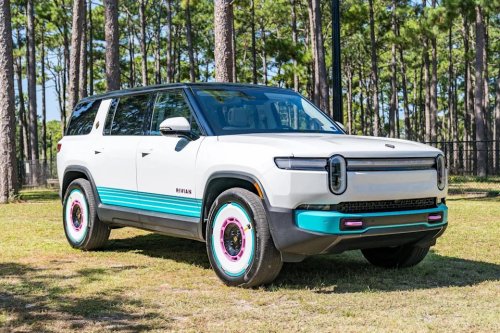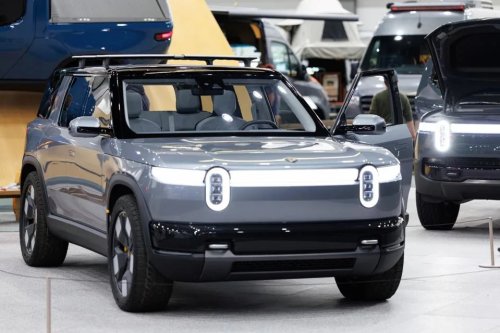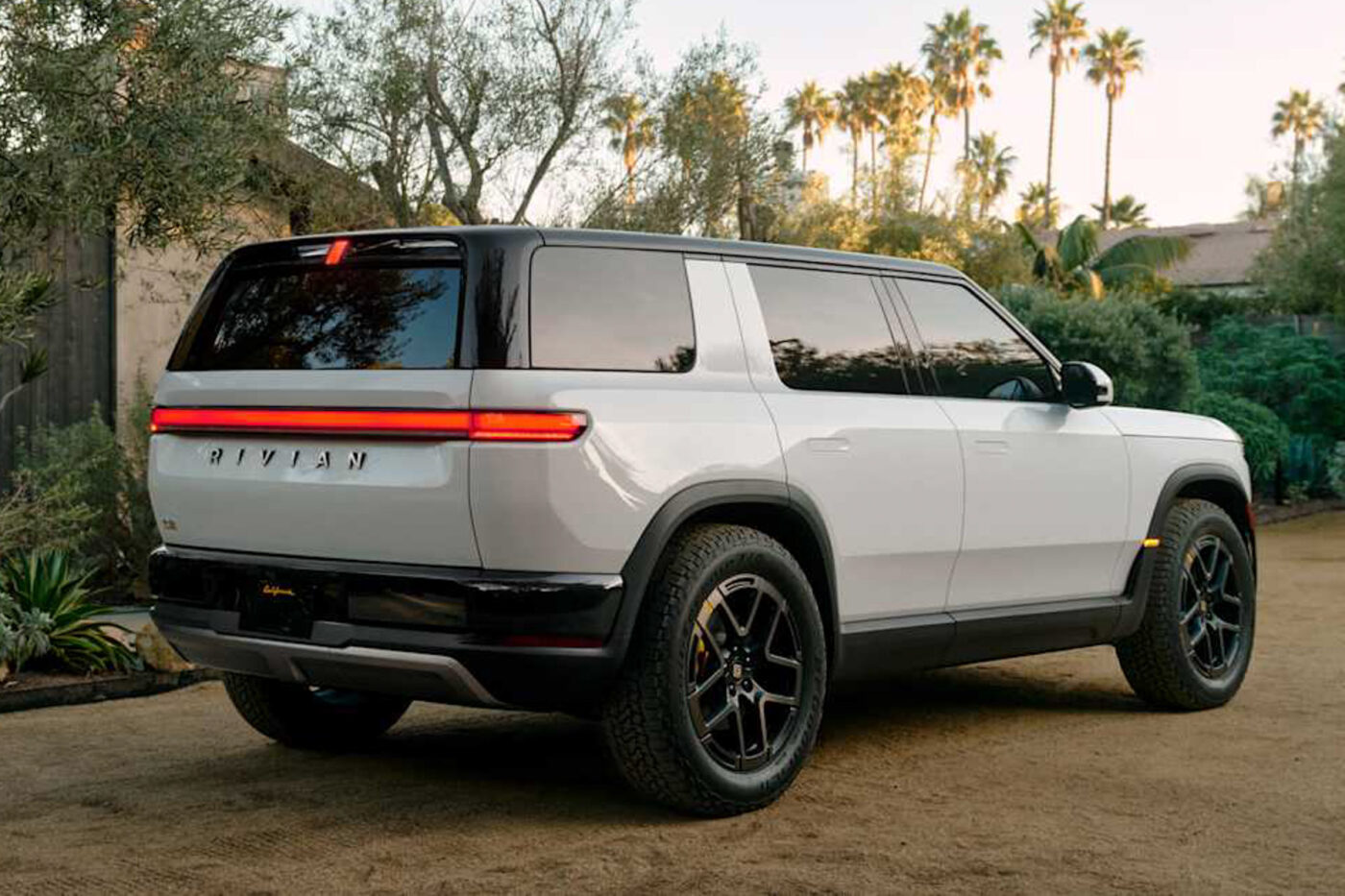



















Rivian R2Image: RivianJust last week, Rivian began deliveries of its new R2 model. The electric SUV, currently available in its Launch Edition starting at $57,990 and set to enter the market later in more affordable versions from $45,000, is seen as a beacon of hope to finally steer Rivian towards profitability. After all, the company reported a loss of $3.6 billion last year.Rivian reduced its net loss from $4.75 billion in 2024, but the improvement did not stem from higher vehicle sales. On the contrary, revenue from the automotive business declined by 15 per cent in 2025. Growth instead came from the Software and Services segment, where revenue increased by 222 per cent to $1.56 billion.The strong growth in the Software and Services segment is primarily linked to Rivian’s work on E/E architecture and software development for Volkswagen through the joint venture the two companies established in 2024. Volkswagen now holds a 15.9 per cent stake in Rivian, making it the company’s largest shareholder ahead of Amazon, which sources its purpose-built electric delivery van, the EDV, from Rivian.Yet, even as the collaboration with VW and the new Rivian R2 are expected to improve business performance in the future, the management team led by founder and CEO RJ Scaringe has shifted its focus towards operational costs. As a result, Rivian has announced layoffs for what seems like the umpteenth time.Specifically, these layoffs affect hundreds of employees across several teams in the service and customer departments. The cuts represent less than 2% of the total workforce, which stood at 15,232 employees at the end of 2025. The move is intended to help reduce losses. “We recently restructured a handful of teams within Rivian as we work to profitably scale our business,” the company said in a press release.According to US media reports, this is at least the fourth round of layoffs Rivian has carried out since the beginning of 2024. The previous round took place in October 2025, when the company cut around 4.5 per cent of its workforce, affecting approximately 600 employees. At the time, management pointed to changing market conditions, including the end of the US federal tax credit of $7,500 for the purchase of battery-electric vehicles.cnbc.com, techcrunch.com