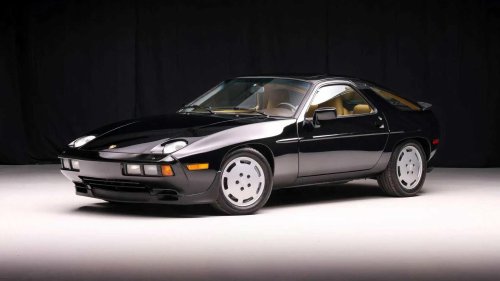
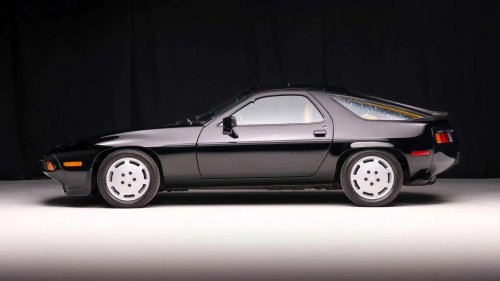
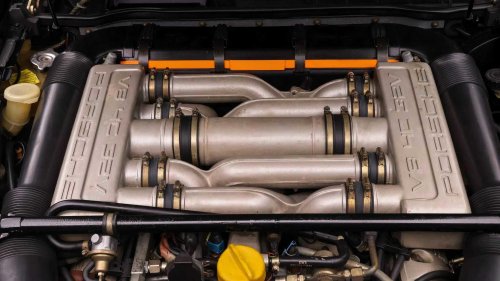
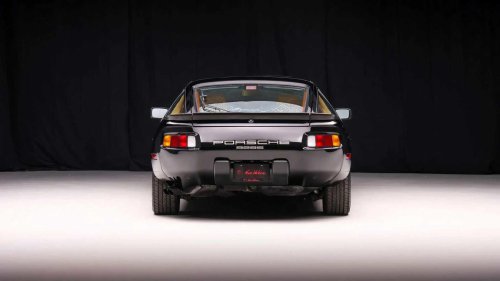
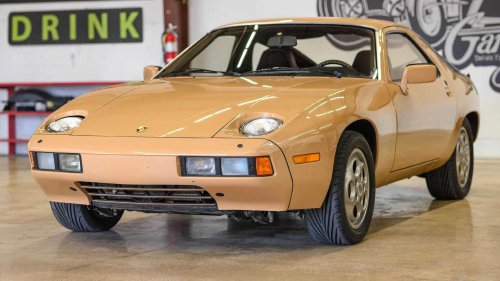
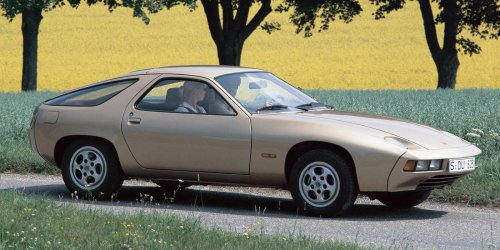
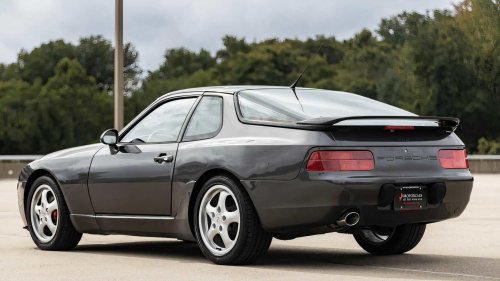
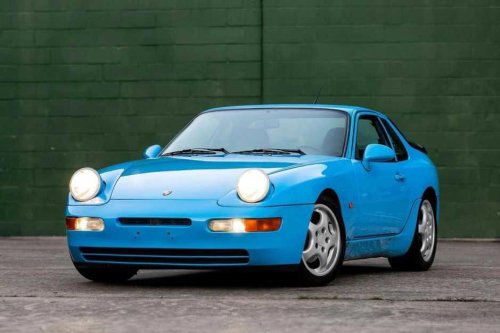
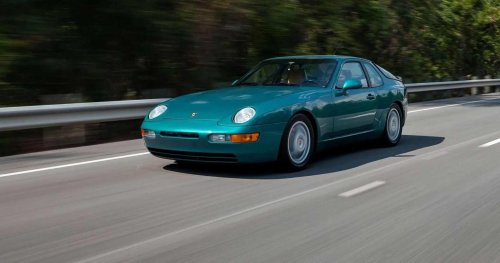



















In the 1970s and 1980s, Porsche sought to expand its market presence by diversifying its lineup. The introduction of the 924 and 944 models provided more accessible entry points for enthusiasts, featuring front-engine, rear-wheel-drive layouts that departed from the company's traditional rear-engine designs. These sports cars with just four cylinders aimed to attract a broader customer base without compromising on performance.Simultaneously, Porsche recognized a growing demand for vehicles that combined high-performance capabilities with enhanced comfort and luxury. This realization led to the development of a grand tourer that would offer the spirited driving experience Porsche was known for, along with the refinement suitable for long-distance travel. This strategic move culminated in the creation of a distinctive model that stood apart from its predecessors. The 928 Was Porsche's Advanced V8 Grand Tourer Bring A Trailer In 1978, Porsche unveiled the 928, marking a significant departure from its established design philosophy. This grand tourer featured a front-mounted, water-cooled V8 engine – a first for the company – paired with a rear-mounted transaxle. This configuration achieved a near-perfect 50:50 weight distribution, enhancing the vehicle's balance and handling characteristics. The 928 was positioned as a high-performance luxury coupe, intended to blend sports car agility with the comfort and practicality desired for extended journeys.Upon its debut, there was speculation that the 928 was designed to replace the iconic 911. However, the 911's enduring popularity and distinct character ensured its continued production. Instead, the 928 complemented the lineup, catering to a different segment of drivers who prioritized a mix of performance and luxury. This strategic positioning allowed Porsche to appeal to a broader audience without displacing its flagship model.Bring A Trailer The 928 wasn’t just another model, it was Porsche’s most ambitious engineering effort at the time. The company invested heavily in new technologies and manufacturing methods to make the 928 feel like a leap forward. It used aluminum for the doors, front fenders, and hood to reduce weight, and it was one of the first production cars to feature a polyurethane front and rear bumper system integrated seamlessly into the bodywork. Everything about the 928 was designed to push boundaries - from its transaxle layout to its futuristic styling - and it showed Porsche wasn’t afraid to challenge its own traditions. Porsche's First V8 Engine In A Production Car Bring A Trailer The Porsche 928's engineering showcased several innovative features that set it apart in the grand tourer segment. At its heart was a water-cooled V8 engine, initially displacing 4.5 liters and producing 237 horsepower. This unit was notable for its aluminum construction, which contributed to weight reduction and improved performance. Over the years, the engine underwent significant enhancements: 1980: Introduction of the 928 S model in Europe, featuring a 4.7-liter engine producing 296 horsepower. 1985: North American models received a new 5.0-liter, 32-valve engine with Bosch LH-Jetronic fuel injection, delivering 288 horsepower. 1987: The 928 S4 variant debuted with a refined 5.0-liter engine producing 316 horsepower, along with aerodynamic improvements and updated styling. 1992: The final iteration, the 928 GTS, featured a 5.4-liter engine generating 345 horsepower, capable of propelling the car from 0 to 60 mph in under 5.5 seconds. Bring A Trailer The 928's suspension system was equally advanced. It employed a double-wishbone setup at the front and a rear configuration known as the Weissach Axle. This innovative rear axle design passively steered the rear wheels to enhance stability during cornering and reduce the risk of lift-off oversteer. The integration of ventilated disc brakes on all four wheels provided consistent and reliable stopping power.Inside the cabin, the 928 emphasized driver comfort and ergonomics. The instrument cluster was designed to move with the adjustable steering column, in an attempt to ensure optimal visibility of gauges regardless of the steering position. High-quality materials adorned the interior, and features such as power-adjustable seats, automatic climate control, and a premium sound system underscored the car's luxury credentials. The rear seats, while modest in size, could be folded down to expand the cargo area. Porsche 928 Key Specs By Variants Source: Porsche The Porsche 928 Is Now Relatively Affordable Bring A Trailer For enthusiasts considering ownership of a Porsche 928 today, the pre-owned market offers a variety of options across different model years and conditions. According to listings on Classic.com, as of March 2025, examples include: 1982 Porsche 928: 124,388 miles, listed for $11,900 in Commerce Charter Township, Michigan. 1985 Porsche 928 S: 91,000 miles, priced at $22,500 in Madison, Alabama. 1986 Porsche 928 S: 67,557 miles, offered at $29,900 in Grand Rapids, Michigan. According to Classic.com, the average sale price of a Porsche 928 is $38,483. However, prices can vary significantly depending on the model variant, condition, mileage, and other factors. For example, the average sale price for a Porsche 928 S is $25,692, while the 928 S4 averages around $30,403. It's important to note that these figures represent average sale prices and individual listings may vary.For instance, current listings on Hemmings show prices ranging from $11,900 for a 1982 Porsche 928 with 124,388 miles to $44,900 for a 1983 Porsche 928. Therefore, when considering the purchase of a Porsche 928, it's advisable to assess each vehicle's specific condition, history, and market demand to determine its fair value. Average Prices For Each 928 Version via: PorscheSource: Classic.comWhen considering a 928, attention should be given to specific areas known to require maintenance. The timing belt, for instance, should be replaced at regular intervals to prevent engine damage. Additionally, the condition of the Weissach Axle and the transaxle system should be evaluated, as repairs can be costly. Ensuring that electrical systems and climate controls are functioning properly is also advisable, given the complexity of these components in the 928. The 968 Was A Completely Different Monster Bring a trailer While the 928 chased a luxurious grand touring experience with a V8 under its long hood, Porsche took a different path with the 968. Launched in 1992, while named similarly, the 968 was the final evolution of Porsche’s front-engine, four-cylinder transaxle cars. It replaced the 944 but carried over much of its mechanical DNA – albeit refined and significantly upgraded.The 968's engine was one of the most advanced four-cylinders of its time. It used a 3.0-liter inline-four – still the largest displacement four-cylinder engine Porsche ever produced in a production car – making 240 horsepower and 225 lb-ft of torque. It featured VarioCam, Porsche’s variable valve timing system, and a dual-mass flywheel to reduce vibration. This engine gave the car a strong midrange and smooth, linear power delivery, making it far more refined than earlier iterations. Porsche 968 Key Specs Source: PorscheBring a Trailer Unlike the 928’s grand touring focus, the 968 leaned into nimbleness and driver connection. It came standard with a six-speed manual transmission – the first ever fitted to a production Porsche – and offered a four-speed Tiptronic automatic as an option. The car maintained the transaxle layout, giving it near-perfect front-to-rear weight balance.Visually, the 968 blended old and new. Its basic profile still echoed the , but the integrated bumpers, smoother bodywork, and 928-inspired pop-up headlights gave it a more modern look. The interior was similarly updated, with improved ergonomics and build quality over its predecessor. Porsche positioned it as a high-performance coupe or convertible that could serve as a daily driver without compromising on track-day credentials.Mecum Auctions Despite its capabilities, the faced an uphill battle in the showroom. It was expensive for a four-cylinder sports car, especially in the U.S., and many buyers still gravitated toward the 911 or newer Japanese performance options. As a result, it sold in limited numbers – fewer than 13,000 units globally – and only about 4,600 made it to North America. This rarity has since turned the 968 into a bit of a cult classic.