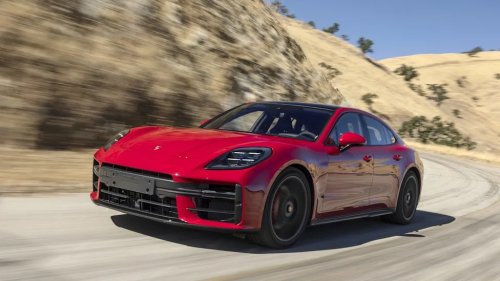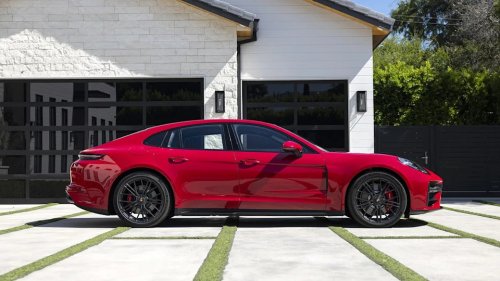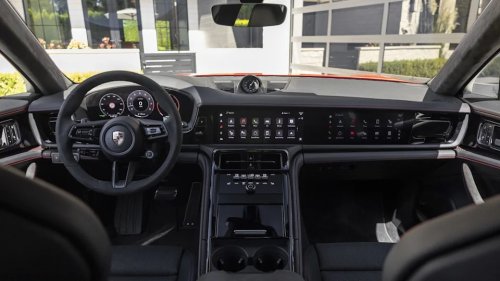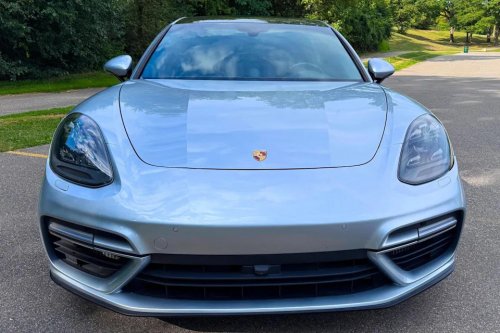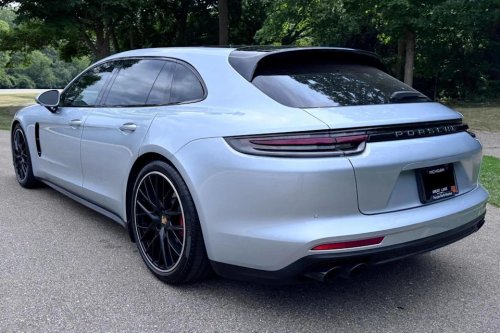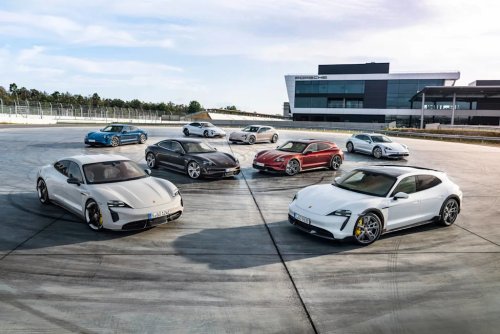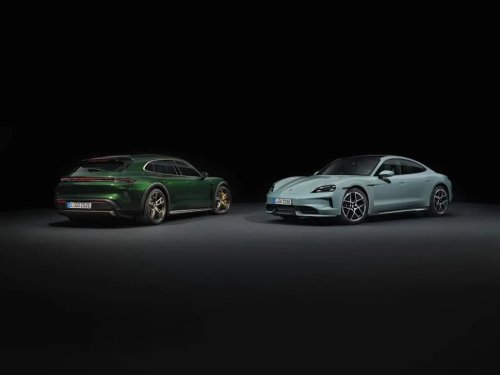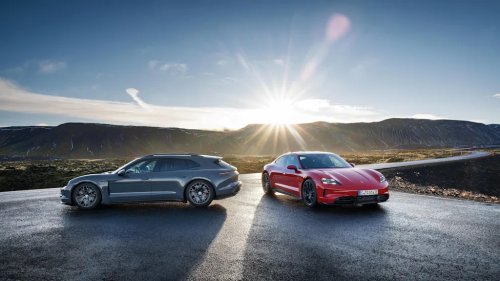



















Severe luxury market realignments force Porsche to cancel vehicle distribution rights for four regional retail dealerships. Credit: Dreamstime Understand China EV’s Market Real-time notifications when critical EV data is released All important data in one place 2,000,000+ data points Become a member Porsche‘s premium automotive retail distribution networks are fracturing across China as legacy performance architectures are driving down consumer volume. IT-home confirmed that the luxury manufacturer will terminate official vehicle sales authorisations for four regional dealerships starting June 30. This sudden contraction follows earlier metropolitan showroom liquidations, in which storefronts were completely vacated. The structural optimisation highlights underlying product vulnerabilities as legacy mechanical platforms struggle against premium high-voltage software ecosystems. Corporate engineering directives are shifting focus toward regional battery intelligence and digital cabin overhauls to stabilise brand metrics. These architectural adjustments prioritise sustainable structural operations over rapid expansion across regional vehicle markets. Showroom network liquidations Localised vehicle sales operations in Huaian have ceased entirely, with the remaining customer maintenance needs being reallocated to surrounding service networks in Yangzhou and Xuzhou. Meanwhile, the distribution centre in Jining will lose its independent retail status to become absorbed into an integrated regional trade group ecosystem. This immediate downsizing follows a volatile cycle where a dealer halt escalated into termination due to vehicle registration locks. Network contraction strategies To insulate operational balances from localised distribution failures, management previously deployed a targeted buyer deposit protection plan to restore premium consumer trust. The current consolidation confirms a broader structural framework, indicating Porsche will close 30% of its dealers to downsize its infrastructure across mainland provinces. The manufacturer plans to compress its footprint from 150 dealerships to roughly 80 localised hubs in China. Negative dealer margins Data from the China Automobile Dealers Association confirms that domestic premium automotive storefronts face severe structural deficits. The association’s national industry report revealed that 81.9% of automobile distributors within the Chinese market are operating under price inversions, selling stock below wholesale factory costs to hit OEM volume targets. New car gross margins across these national networks have dipped to -25.5% as localised retail pricing power erodes. Dealership networks are currently losing 20,000 yuan (2,942 USD) to 30,000 yuan (4,413 USD) on every physical delivery. These ongoing operational cash deficits forced corporate coordinators to discontinue selected electric variants, including the Taycan Sport Turismo. Corporate planners have additionally initiated a downsizing program affecting 3,900 global personnel positions to control structural expenditures. Sales volume contractions The retail pullback mirrors severe financial compression, as corporate revenue fell to 280.887 billion yuan (41.32 billion USD) in 2025. Annual operating profit fell 92.7% to 3.198 billion yuan (470.43 million USD), dragging the corporate return on sales to 1.1%. Global deliveries dropped 10% to 279,449 units, while Chinese market volume fell 26% to 41,938 vehicles. First-quarter 2026 metrics show the sales contraction accelerating, with international deliveries dropping 15% to 60,991 units. Chinese deliveries dropped 21% over the same period, as domestic battery-electric options intercepted the heritage premium. This accelerating volume slide confirms that premium domestic vehicle architectures are permanently displacing legacy luxury retail models across the region.