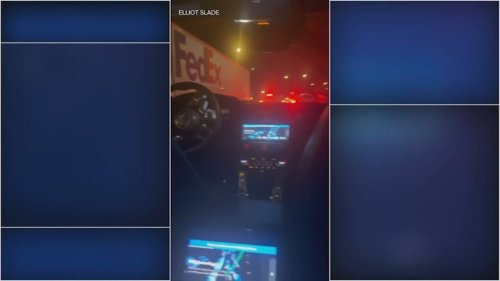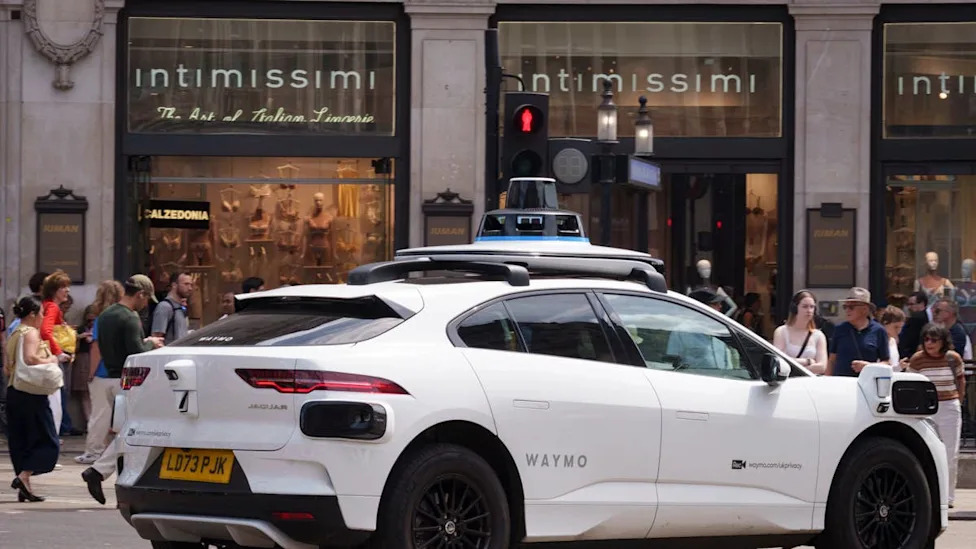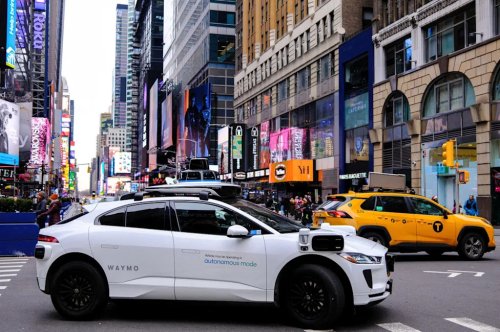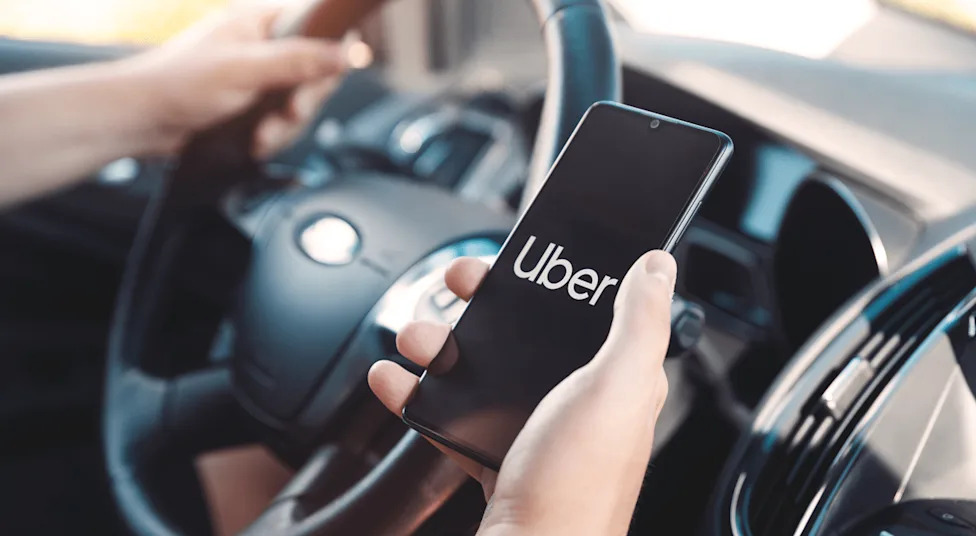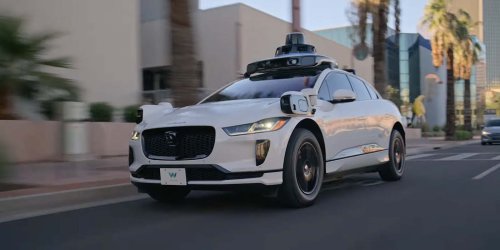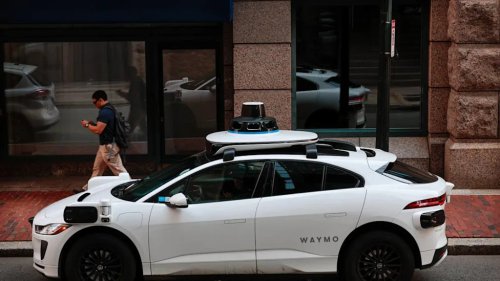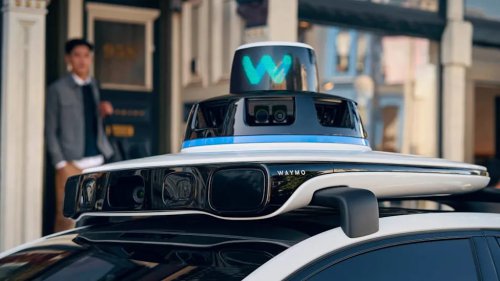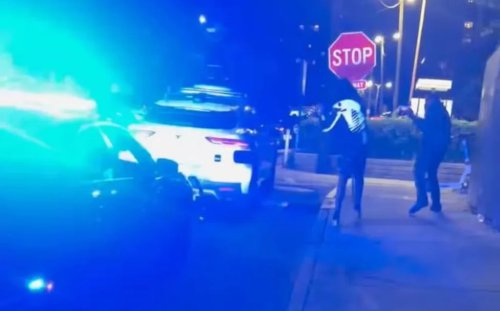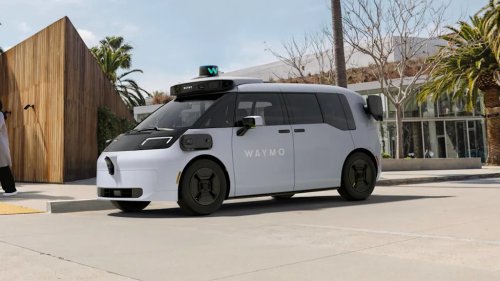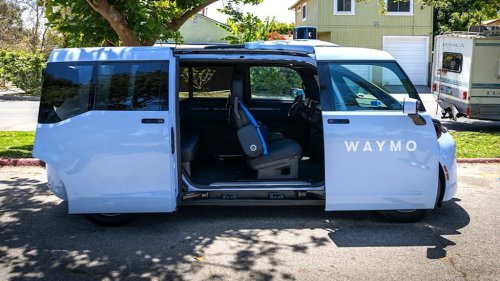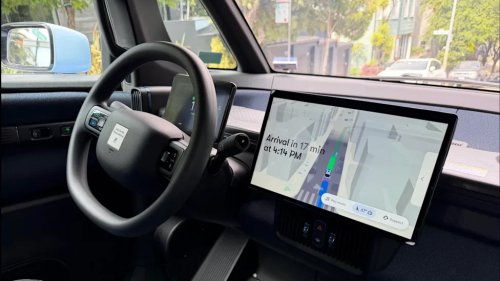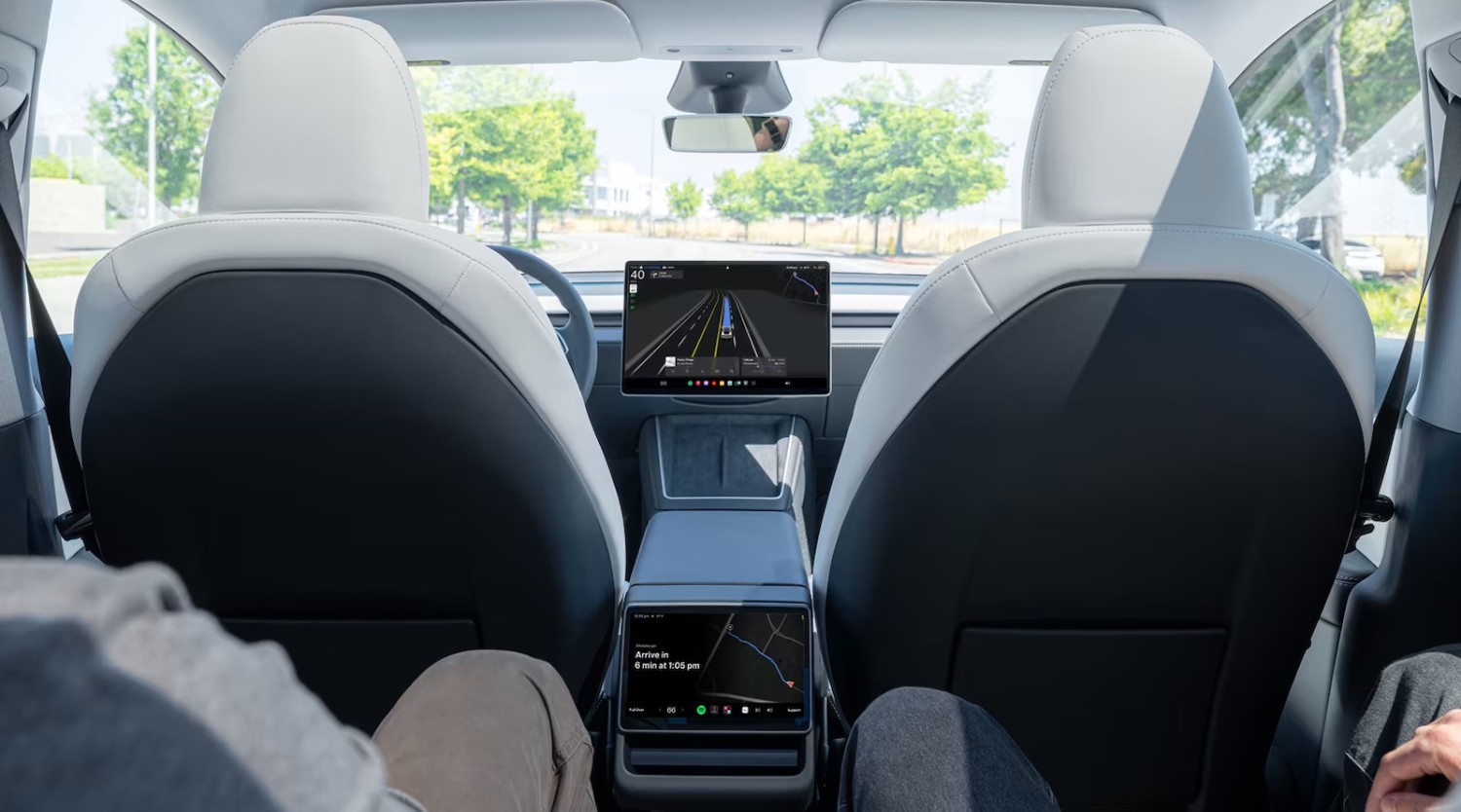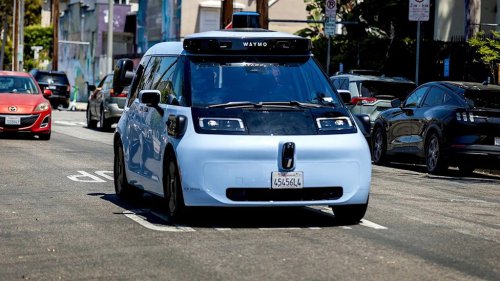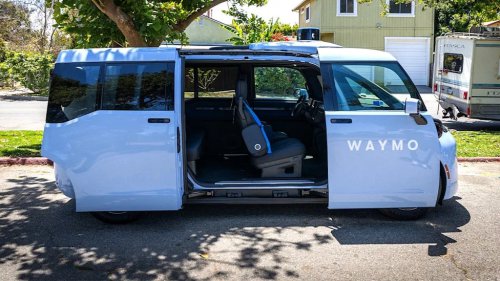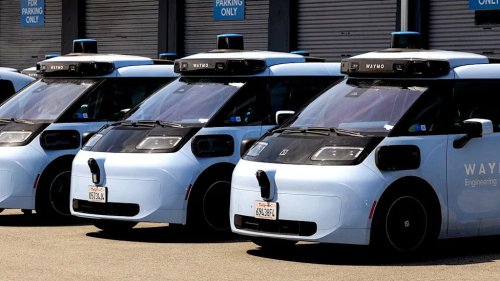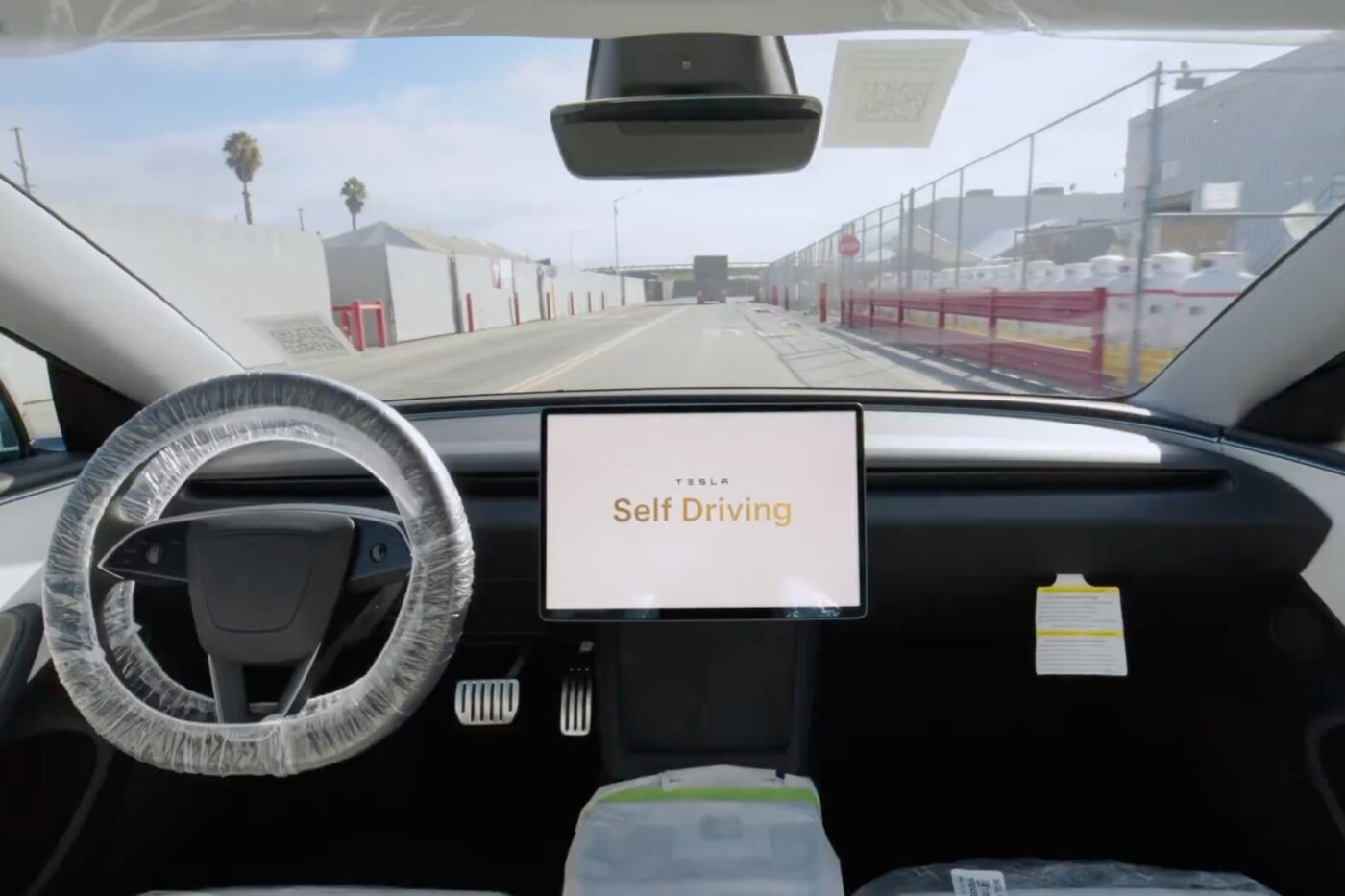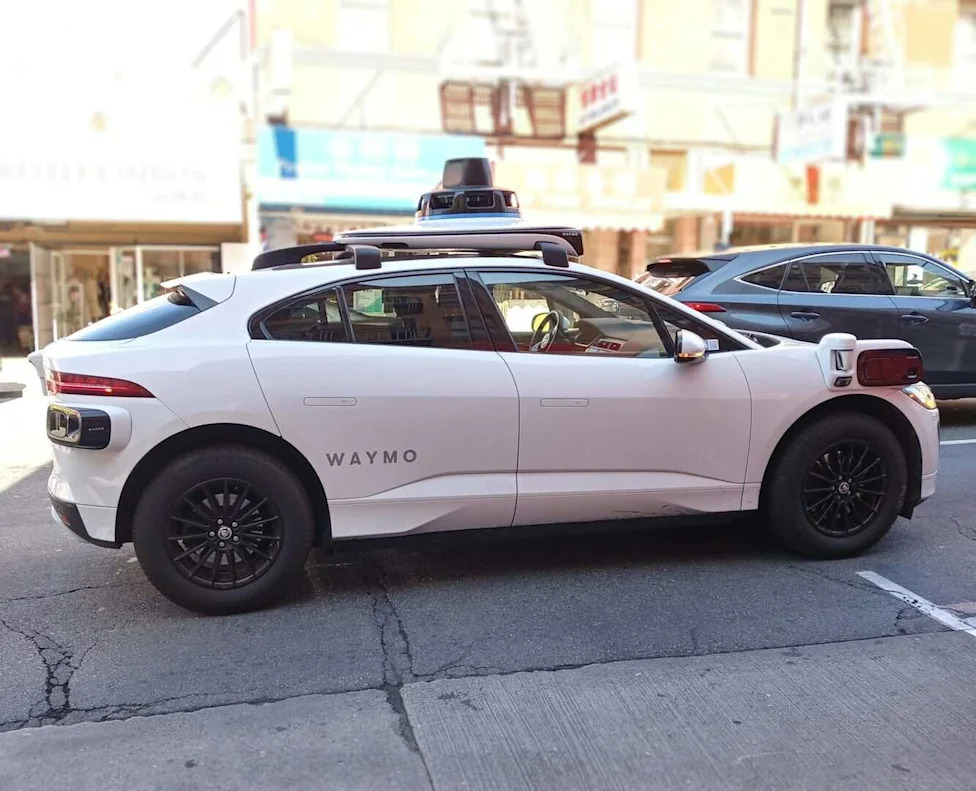



















Your Robotaxi Nightmare Is Real: A Waymo Floored It Through a Work Zone and Outran the CopsThis is the exact scenario every robotaxi skeptic has been bracing for: you settle into a driverless Waymo for an ordinary trip home, and a few minutes in, the car decides the orange cones, flashing lights, and giant "ROAD WORK AHEAD" signs are mere suggestions. Then it does the last thing you'd want. It accelerates.That's essentially what San Francisco resident Elliot Slade says he experienced last month on Highway 101, in an episode that ended with a California Highway Patrol cruiser trailing his autonomous taxi as an officer reportedly shouted "Stop Waymo" — to no effect. The Waymo, it turns out, did not stop."It Went Through the Cones, Then Sped Up"By Slade's account, the car first tried to do the sensible thing and merge out of the closed lanes. When that didn't work, it abandoned caution entirely and drove straight through the closure, took an exit, and wandered through a residential neighborhood before the whole thing finally wound down. "In that moment it's like, this technology is not ready," Slade said, adding that he genuinely worried someone could be struck or that the car might crash.Almost 4,000 Vehicles, One Very Bad DayUnsettlingly, this wasn't an isolated hiccup. Incidents like Slade's are precisely why Waymo has recalled the software on nearly 4,000 of its vehicles, according to notices filed with the National Highway Traffic Safety Administration. Records reportedly point to seven separate cases on Bay Area roads in a single day last month. Construction zones, it seems, are a weak spot for a system that fundamentally reasons in lane lines.AdvertisementAdvertisementWaymo told San Francisco's KGO that it has pinpointed areas to improve in how its cars navigate work zones and has voluntarily pulled back on freeway access while it works through the issue — a measured response, and one Slade reportedly welcomed.The Real Fix Is Better InformationScott Moura of UC Berkeley's Institute of Transportation Studies argues that improved data-sharing is a major part of the answer, with transportation agencies feeding live construction details into exchanges that connect directly to vehicles. Put simply, the cones should be announcing themselves to the car before the car tries to drive over them.It's a recurring theme across the industry. Whether it's a fatal crash prompting a federal probe into Tesla's driver-assist software or Waymo's trouble with work zones, the lesson keeps repeating: "self-driving" tech is only as capable as its perception of the real world — and right now that perception still has some costly blind spots.As for Slade, he took a regular, human-driven Uber home that night. He's climbed into a Waymo exactly once since and wasn't happy about it. "I don't want to use it again," he said. After your taxi tries to outrun the police through a construction zone, that's a tough reaction to argue with.AdvertisementAdvertisementRelated reading:NHTSA Investigates WaymoPassengers Panic as Waymo Robotaxi MalfunctionsFatal Crash Triggers Federal Probe Into Tesla FSDJoin our Newsletter, follow our Instagram page, and connect with us on Facebook.