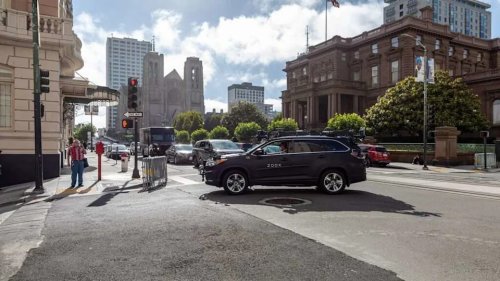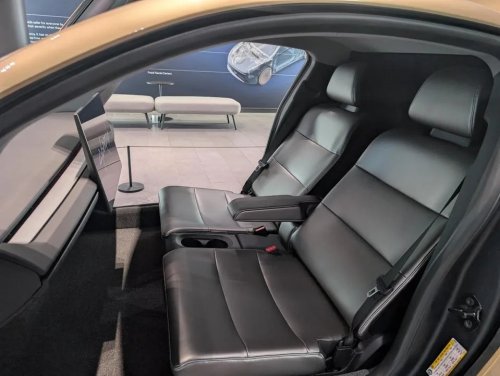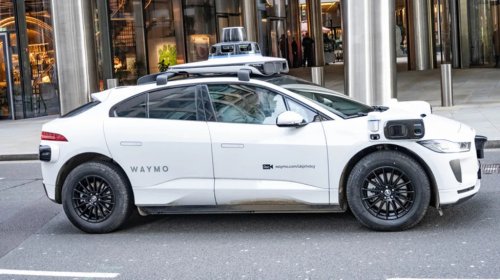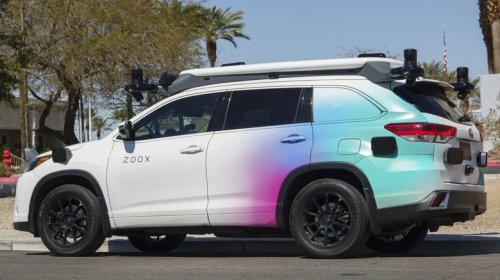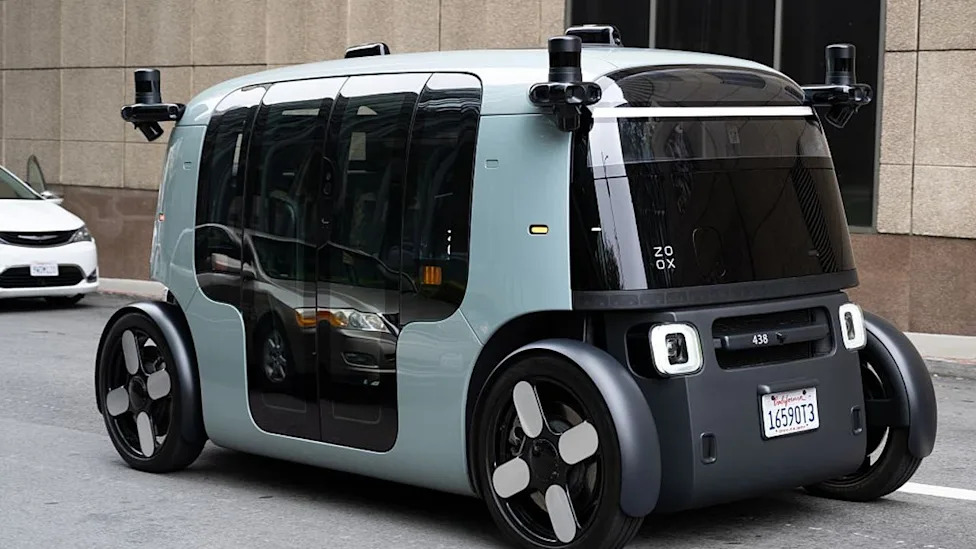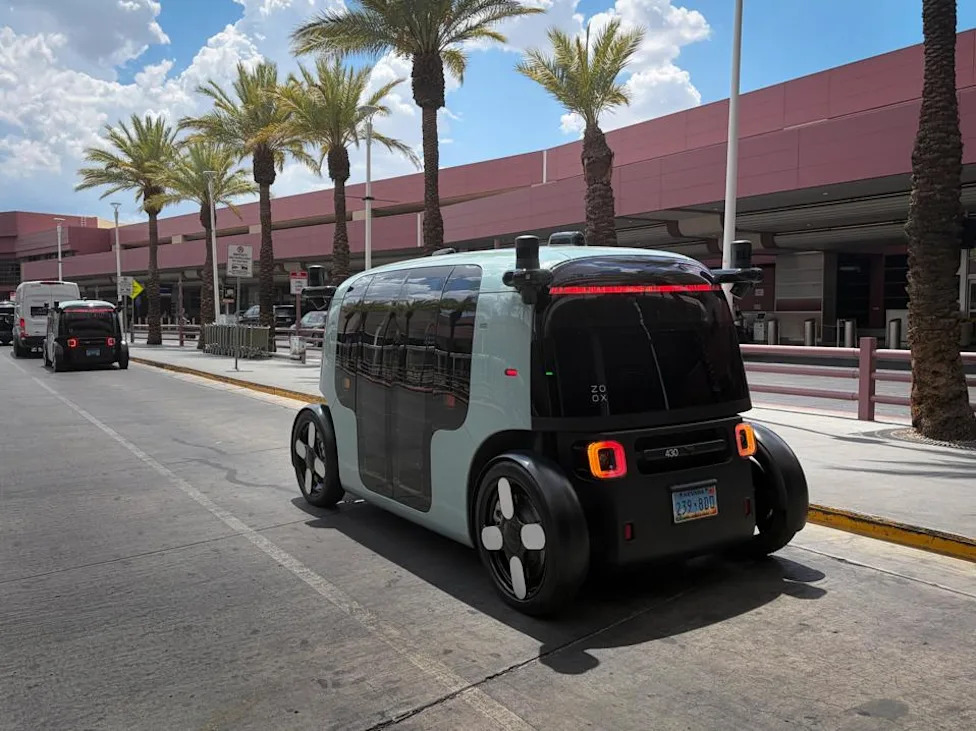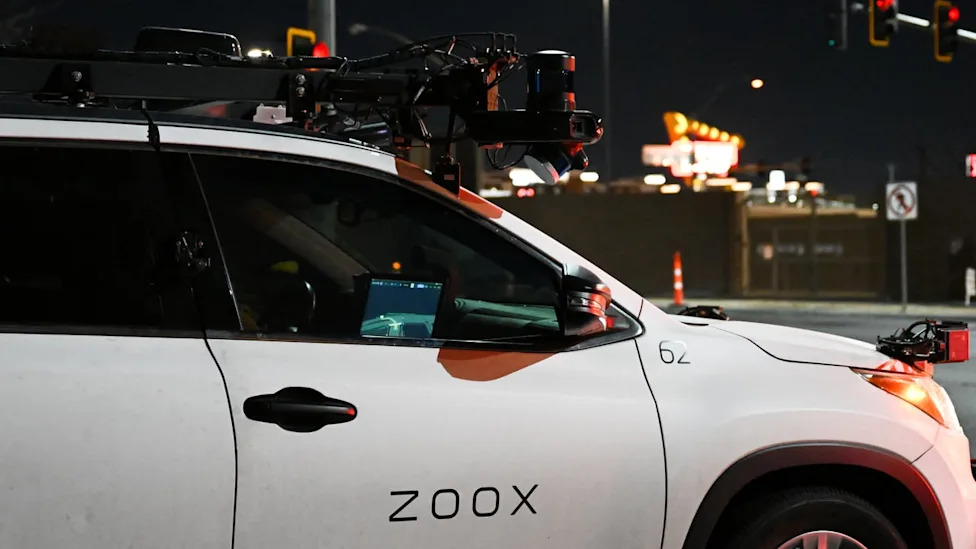


















Amazon's Zoox redesigns robotaxi ahead of commercial launchZoox, Amazon's self-driving car unit, unveiled a redesigned version of its robotaxi on Wednesday, adding comfort upgrades and practical changes as the company prepares for a commercial launch later this year.Unchanged from earlier models, the robotaxi seats four passengers facing each other, operates without a steering wheel or pedals, and can drive in either direction at highway speeds up to 75 miles per hour, TechCrunch reported. The updates focus on the interior and exterior details shaped by rider feedback. Cabin changes include ergonomically reshaped seats and headrests with additional padding, a refreshed color scheme featuring aloe-green upholstery and stone-grey trim, a grooved charging pad surface to prevent phones from sliding, bigger cupholders, and a touchscreen repositioned for easier visibility, the company said. On the exterior, the door interface now features a speaker, microphone, and two-way audio capability, and the bidirectional reflectors — visual markers that allow riders and first responders to tell which end of the vehicle is the front — have been moved to improve their visibility.Chris Stoffel, Zoox's director of robot industrial design and studio engineering, said in a statement that the interior design is meant to avoid demanding a rider's attention the way features in conventional passenger cars do.AdvertisementAdvertisementThe company referred to the updated design as its "production intent" vehicle, with plans to roll it out as part of the existing fleet before the end of the year. High-volume manufacturing is also set to get underway at a Hayward, California plant that has been operational since last June; at full output, the facility could turn out as many as 10,000 robotaxis annually, with a weekly rate of up to 100 units once production scales.Before Zoox can charge for rides, it needs a commercial exemption from the National Highway Traffic Safety Administration. Federal regulations require vehicles to include standard driver controls, so Zoox filed for an exemption; the public had an opportunity to weigh in through a comment period that ended in early April, and the agency has yet to issue a ruling, the company said.Fare-free service is available to riders in Las Vegas and San Francisco, while a limited number of users in Miami and Austin, Texas, have been given access to hail the vehicles in restricted zones. It has also been testing in six additional U.S. cities. A deal announced in March opened up the Uber platform in Las Vegas as a booking channel for Zoox rides, broadening the company's potential customer reach. Since its Las Vegas launch last September, Zoox has given rides to upward of 500,000 passengers, the company said.Amazon acquired Zoox for $1.3 billion in 2020. By comparison, Alphabet's Waymo — the dominant player in the U.S. robotaxi market — now logs more than 500,000 paid trips per week across a footprint spanning 10 American cities, CNBC reported, a scale Zoox has yet to approach.