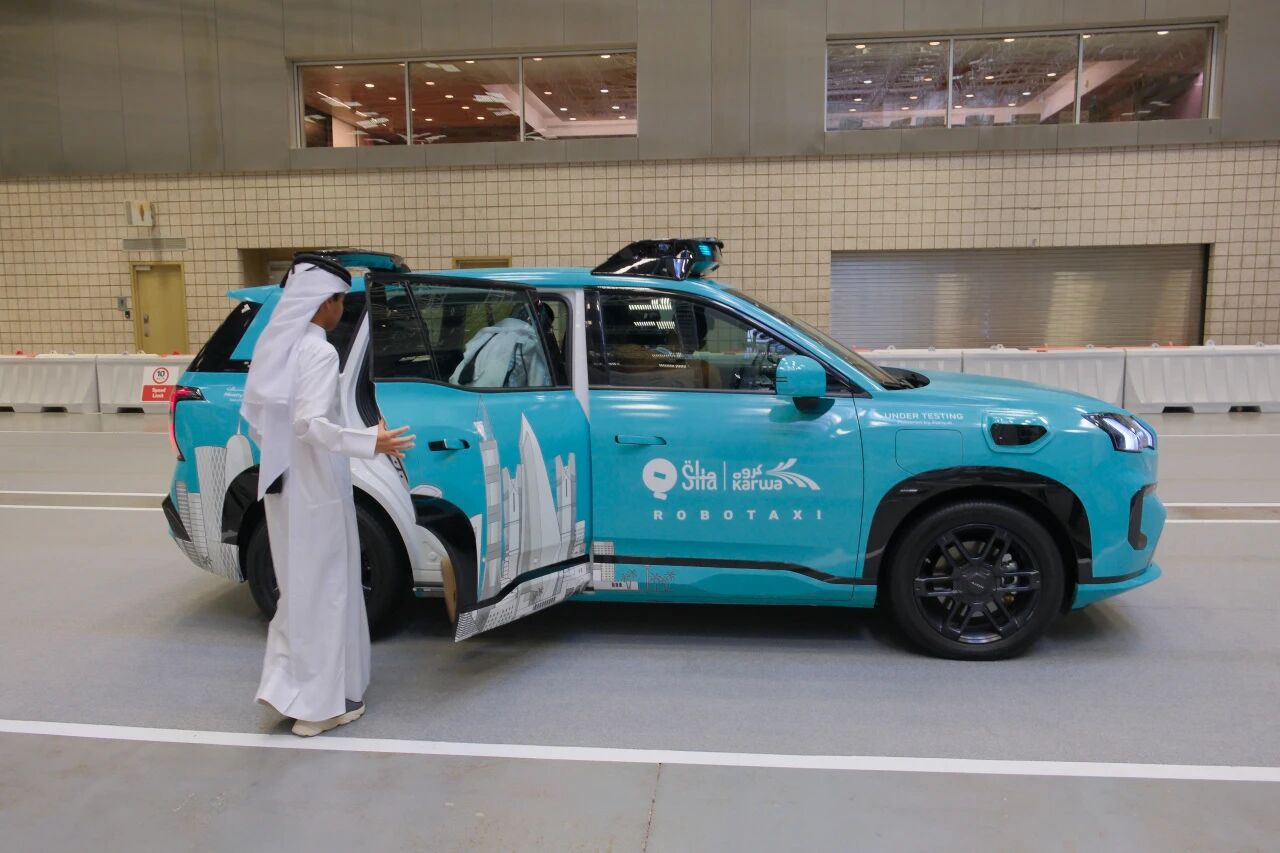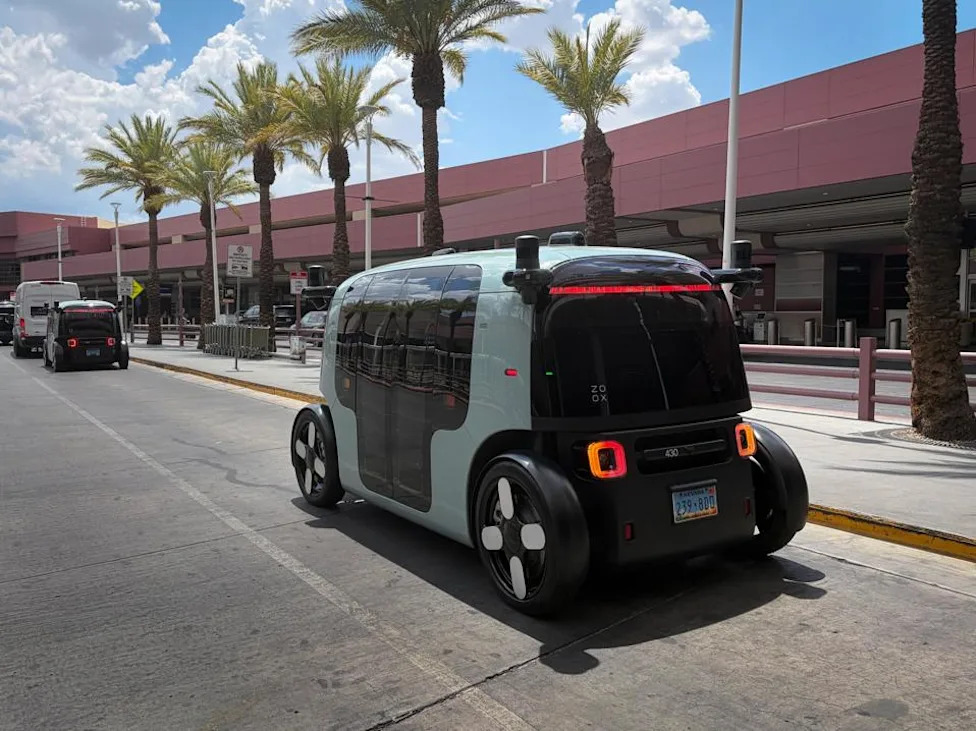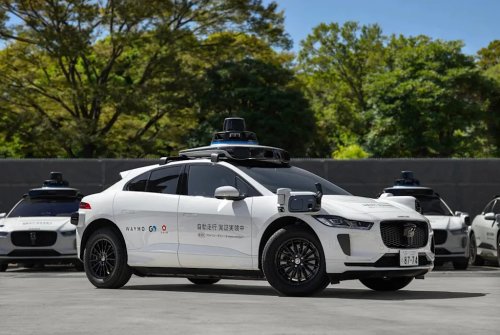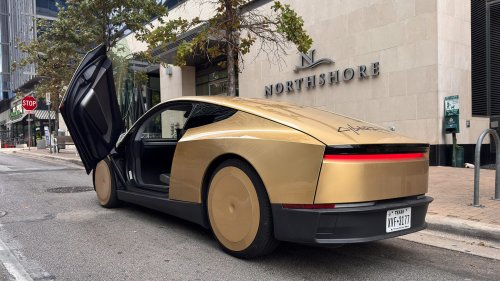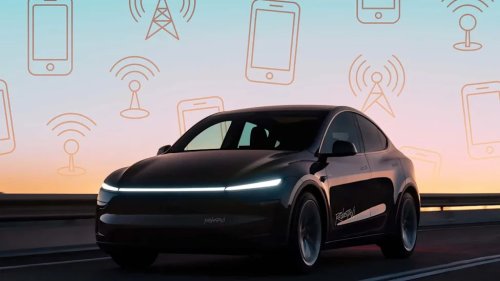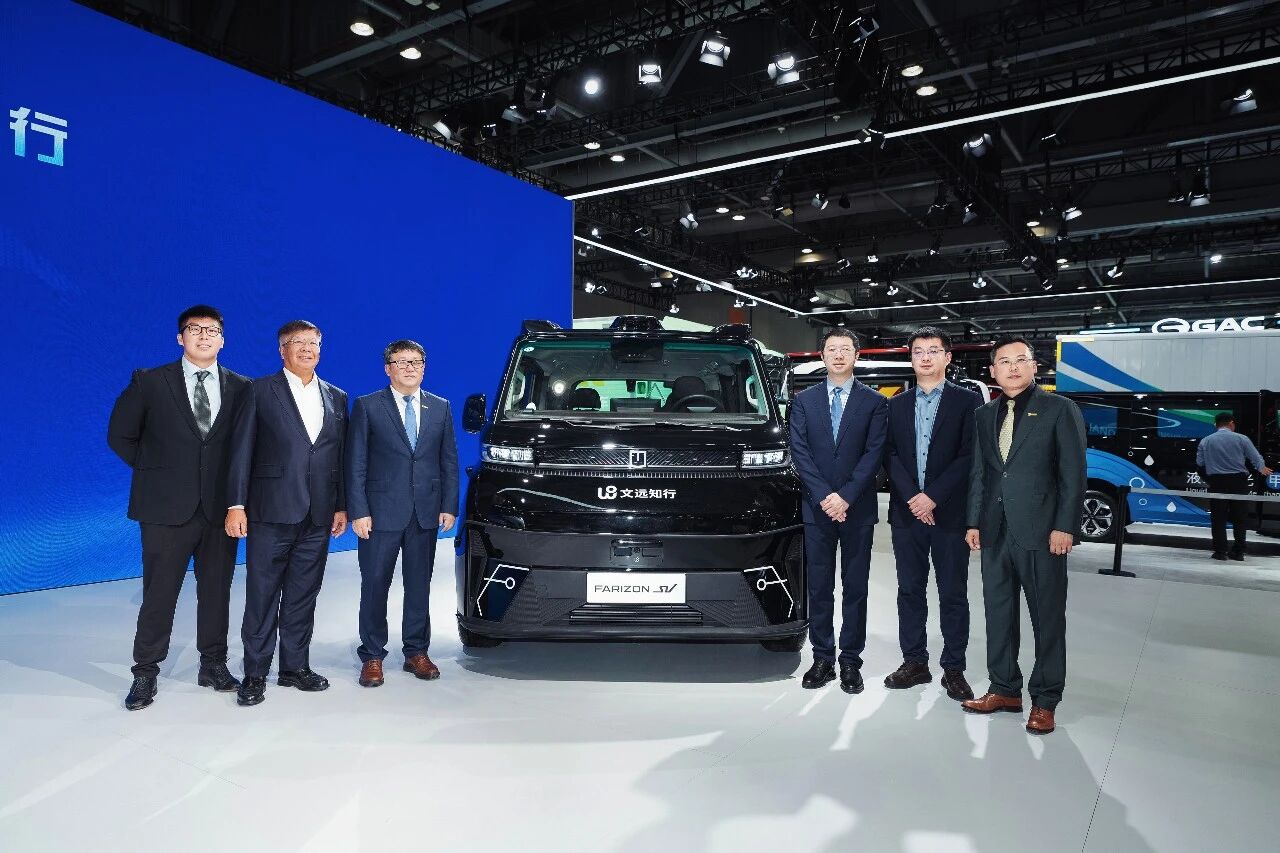
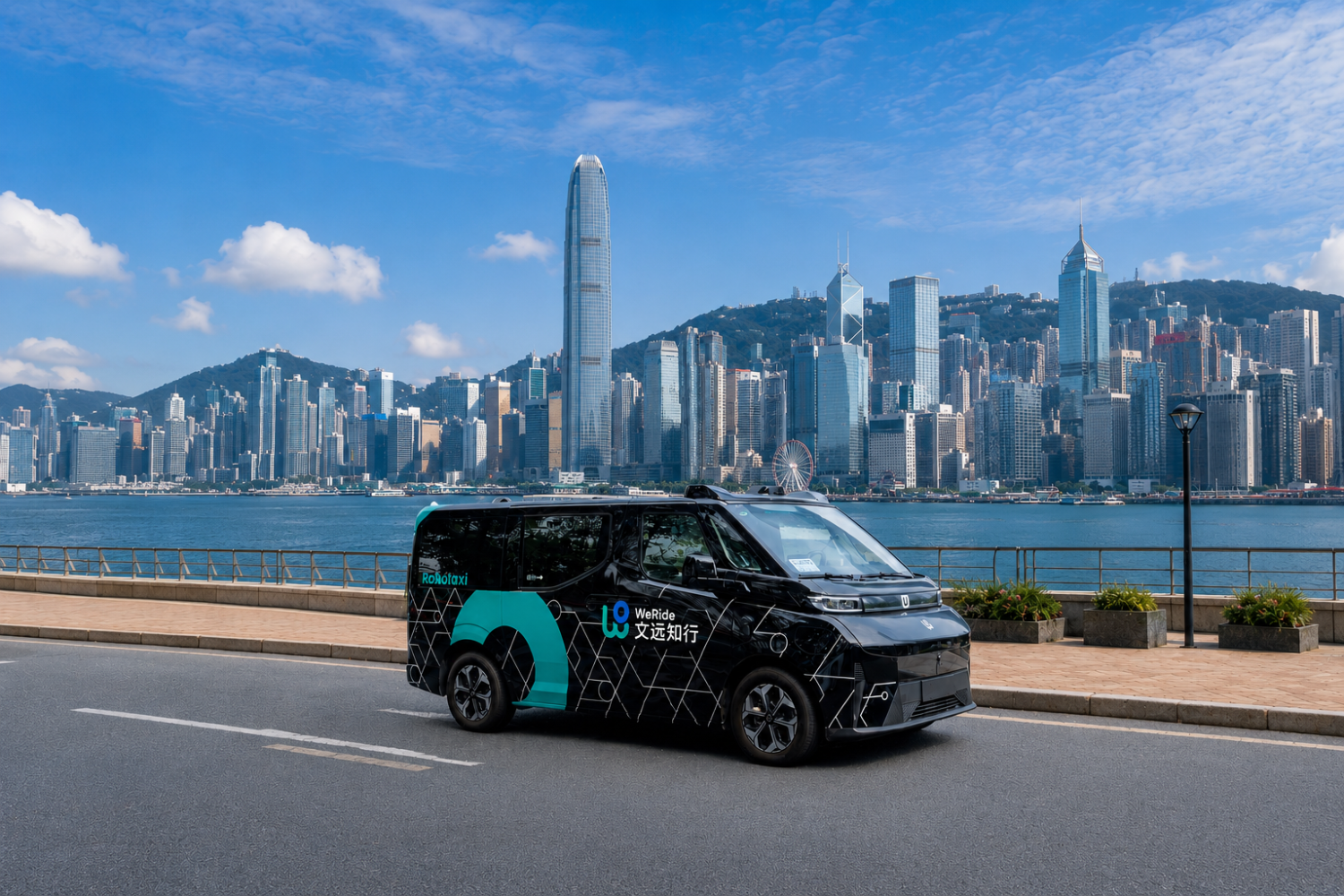


















Gasgoo Munich- On June 22, WeRide, Geely's Farizon, and Hong Kong transit operator Kwoon Chung Motors Group signed a strategic partnership at the 2026 International Automobile and Supply Chain Expo in Hong Kong. The trio announced plans to jointly develop a native, mass-produced right-hand drive Robotaxi based on the existing GXR platform, launching commercial services in the city.Image credit: WeRide ( The same below)Historically, autonomous driving firms expanding overseas have relied on retrofitting existing left-hand drive models. This partnership, however, focuses on systematic native development. Every element—from product definition and vehicle architecture to the autonomous driving system and human-machine interface—is being redesigned from the ground up to align with the traffic regulations, road conditions, and user habits of right-hand drive markets.This move signalsa pivotal shift for the Robotaxi industry: evolving from "regional capability" to a new stage of "global adaptation."Why Hong Kong? The Critical Gateway to Right-Hand Drive MarketsSelecting Hong Kong as the starting line is not a coincidence.As one of the world's busiest and most representative right-hand drive markets, Hong Kong boasts a high-density road network, complex mixed traffic conditions, and a mature public transit infrastructure. For WeRide, it serves as both a natural stress-testing ground and a strategic springboard to the wider right-hand drive world.In fact, industry observers note that players like Baidu Apollo Go and Pony.ai are also targeting right-hand drive markets. Hong Kong, with its unique traffic system and international regulatory environment, is becoming the key launchpad for these companies' global expansion.Specifically, Baidu Apollo Go has secured Hong Kong's first batch of autonomous driving test licenses for right-hand drive regions and is steadily expanding its test scope—aiming to gather reference data for global deployment. Pony.ai is similarly active, having participated in semi-closed scenario testing near the airport with plans to gradually extend services into the city's urban core.By taking the lead in developing a native right-hand drive model, WeRide aims to transform Hong Kong into a strategic pivot that can be replicated globally.This collaboration will accelerate product validation and functional testing, allowing the partners to accumulate operational data in extreme scenarios. That experience is critical for future entries into markets like Singapore, Japan, the UK, and Australia.Notably, Kwoon Chung's smart mobility arm previously introduced the left-hand drive version of the Robotaxi GXR in Hong Kong and obtained a pilot license. This new partnership represents a deepening of that effort—a "native upgrade" rather than a simple import.The deeper strategic intent lies in Hong Kong's policy and business environment, which aligns with international standards. The partners plan to create a scalable "Hong Kong model," translating successful local experience into a global commercial footprint.This aligns with China's "15th Five-Year Plan" to develop intelligent connected new energy vehicles and promote the application of new technologies, products, and scenarios. It stands to become a benchmark for Chinese autonomous driving technology expanding globally.WeRide has reportedly received expressions of interest from right-hand drive markets including Singapore, Japan, and the UK. Prior to this, the company secured autonomous driving licenses across eight countries—including China, the UAE, Singapore, and France—laying the compliance groundwork for overseas commercial operations.Robotaxi Global Competition EscalatingThe technical core of this partnership is "native development." This goes beyond simply relocating the steering wheel to accommodate right-hand drive; it is a complex systems engineering challenge involving the vehicle's electronic and electrical architecture, sensor layout, decision-making algorithms, and even user interaction logic.WeRide and Farizon already share a deep collaboration history. In October 2024, the two parties jointly launched the new mass-production Robotaxi GXR, built on Geely Farizon's SuperVAN. Just four months later, it achieved fully unmanned commercial operations in Beijing, followed by the launch of fully unmanned commercial services in Guangzhou in August 2025. In March of this year, the sides signed a deeper cooperation agreement and released a newly upgraded version of the GXR.Founded in 2017, WeRide has consistently remained at the forefront of autonomous driving R&D and commercial exploration, establishing a presence in 12 countries including China, the UAE, Switzerland, Spain, Singapore, Saudi Arabia, and Slovakia.As of the Hong Kong signing, the GXR had already achieved fully unmanned commercial operations in four cities: Guangzhou, Beijing, Abu Dhabi, and Dubai. The development of the right-hand drive model leverages this mature, mass-production platform. The new vehicle will be tailored to the unique demands of right-hand drive markets, ensuring that perception, decision-making, control, and the ride experience are optimized for right-hand traffic scenarios.This strategy will fundamentally improve the adaptation efficiency and scalability of Robotaxis in global markets. With the arrival of the right-hand drive model, WeRide is formally building a production and operational capability anchored by "right-hand drive and left-hand drive" pillars. This creates a full-scenario product matrix covering different traffic rules and mobility systems worldwide—establishing not just a richer product line, but a formidable competitive barrier.Under current plans, WeRide's global Robotaxi fleet is expected to expand to 2,600 vehicles by the end of 2026, and reach tens of thousands by 2030. As the "right-hand drive era" opens, the path to achieving these targets is becoming clearer and broader.ConclusionFrom an industry perspective, this partnership reflects a broader trend: Chinese autonomous driving companies are shifting from domestic competition to global rivalry. The native development of a right-hand drive model signals further maturity in product definition, technological adaptation, and compliance readiness.Hong Kong plays a critical role as a junction connecting the mainland with overseas markets, serving as a key venue for validation and demonstration. As more right-hand drive markets gradually open up, the competitive landscape and direction of technological evolution in this sector will be worth watching closely.