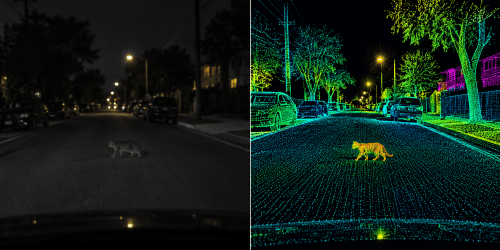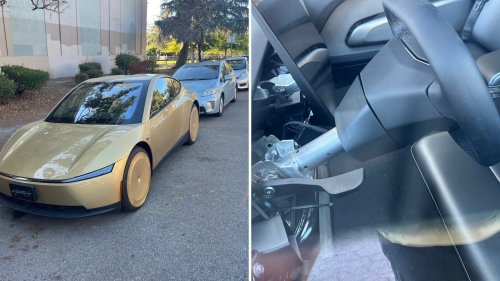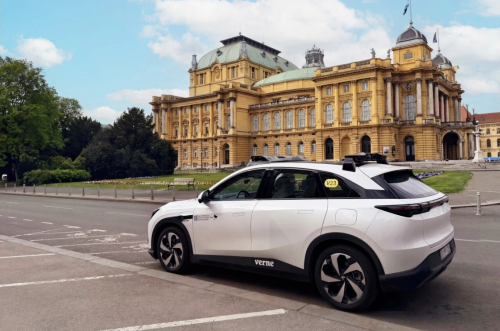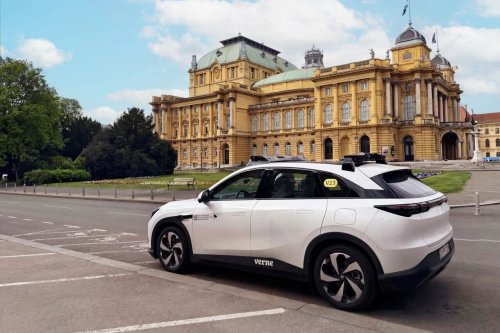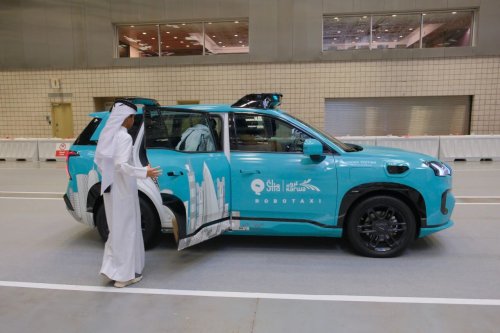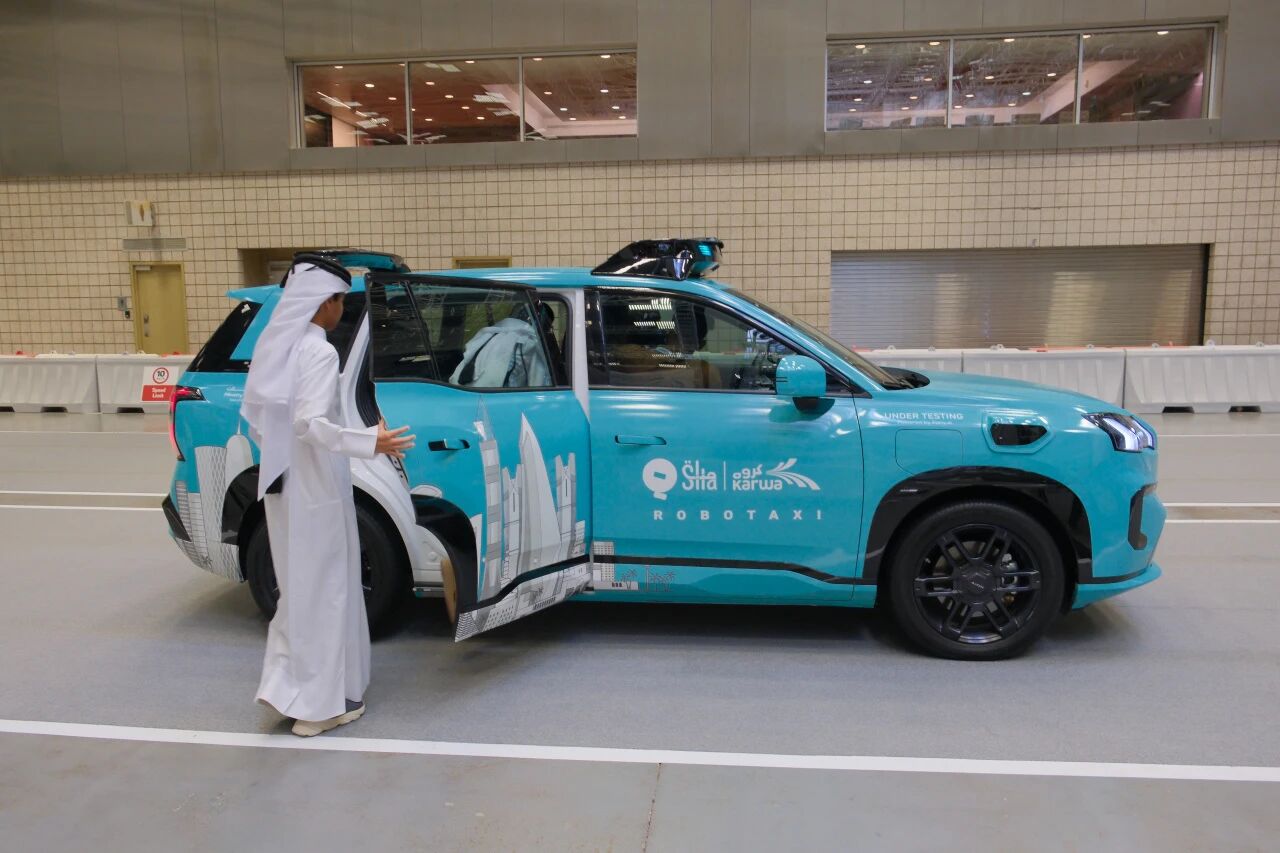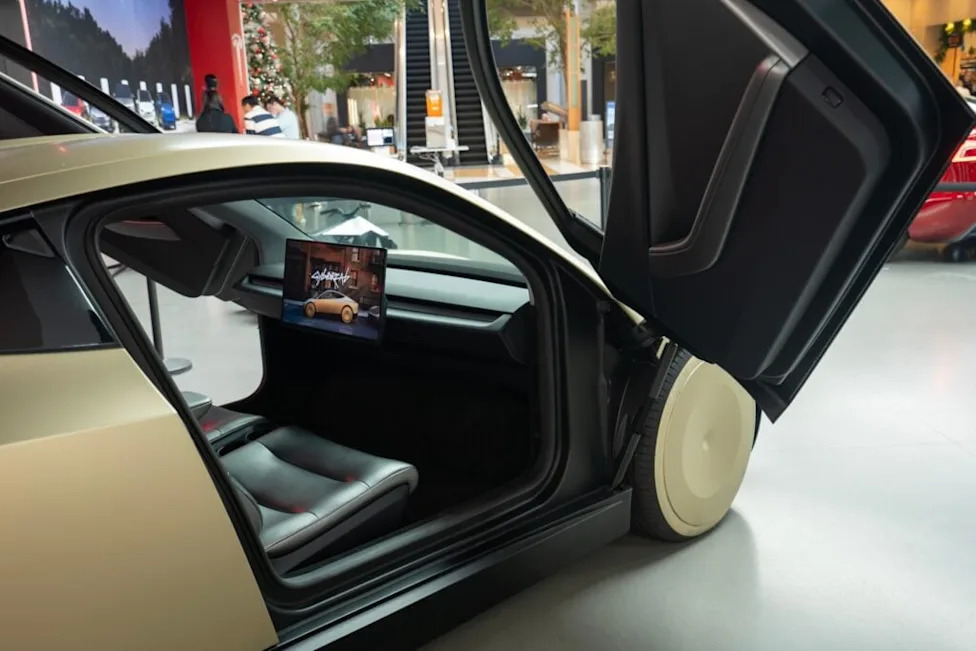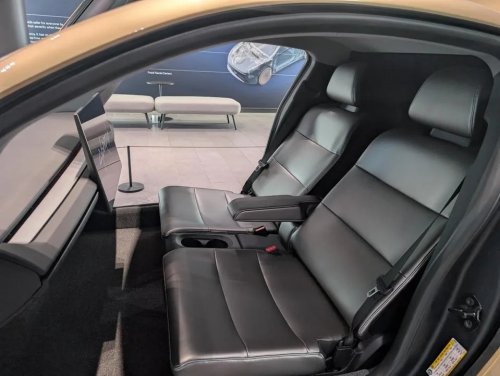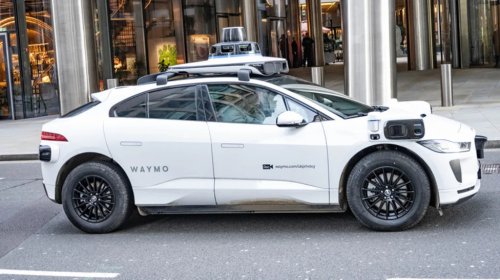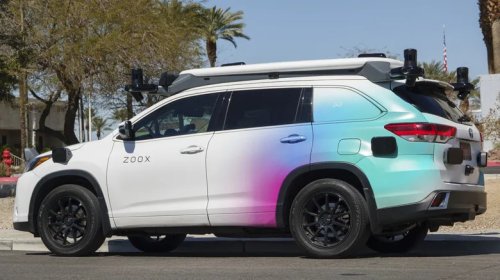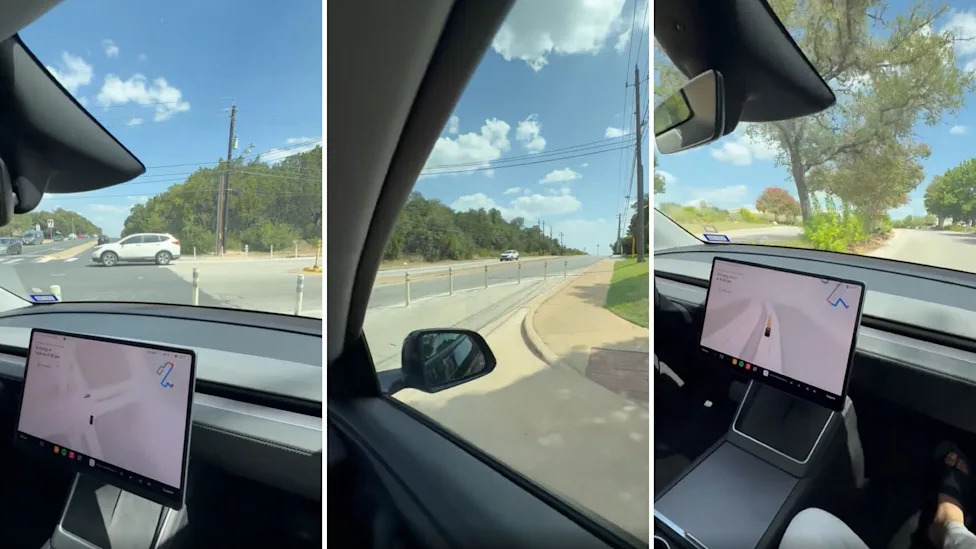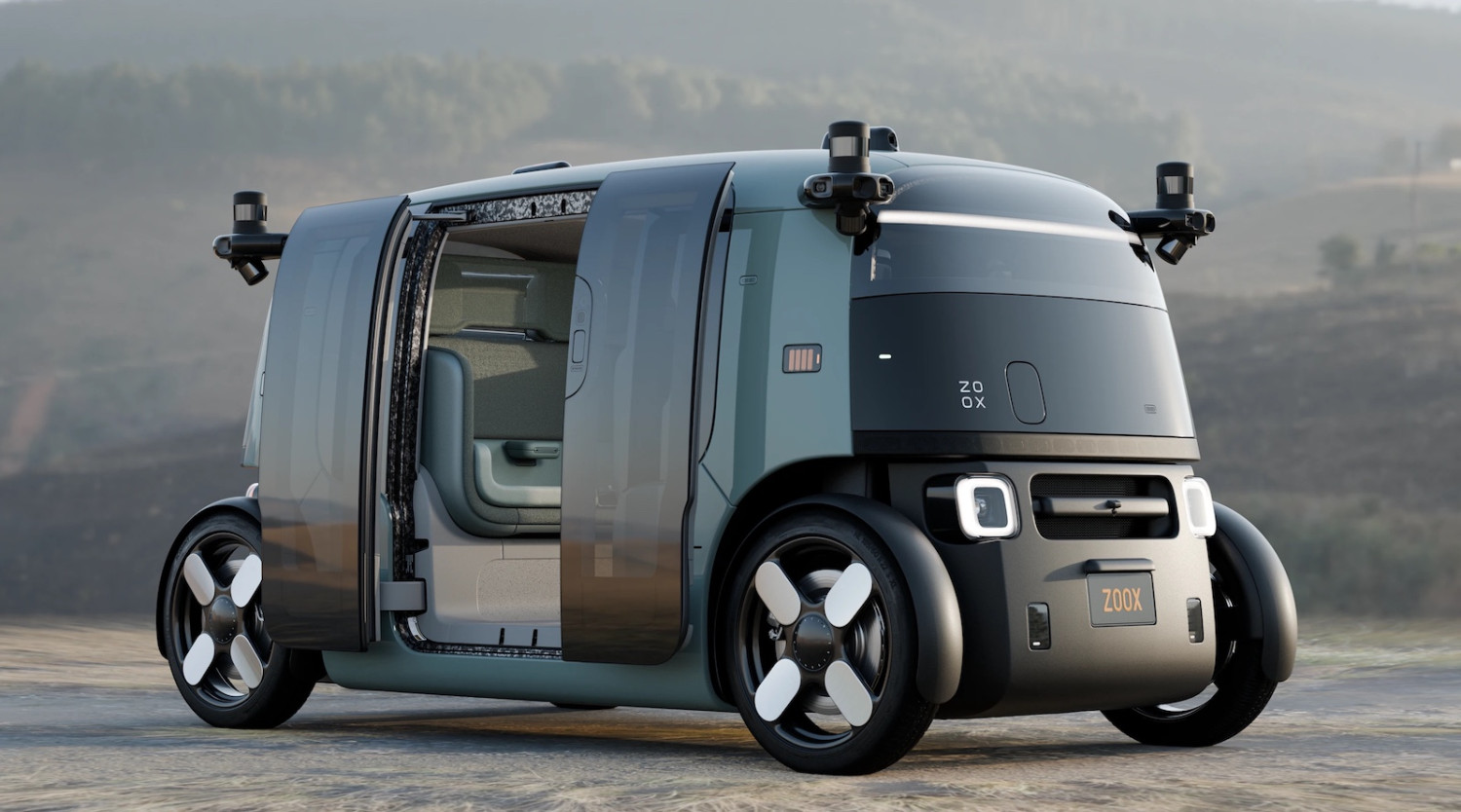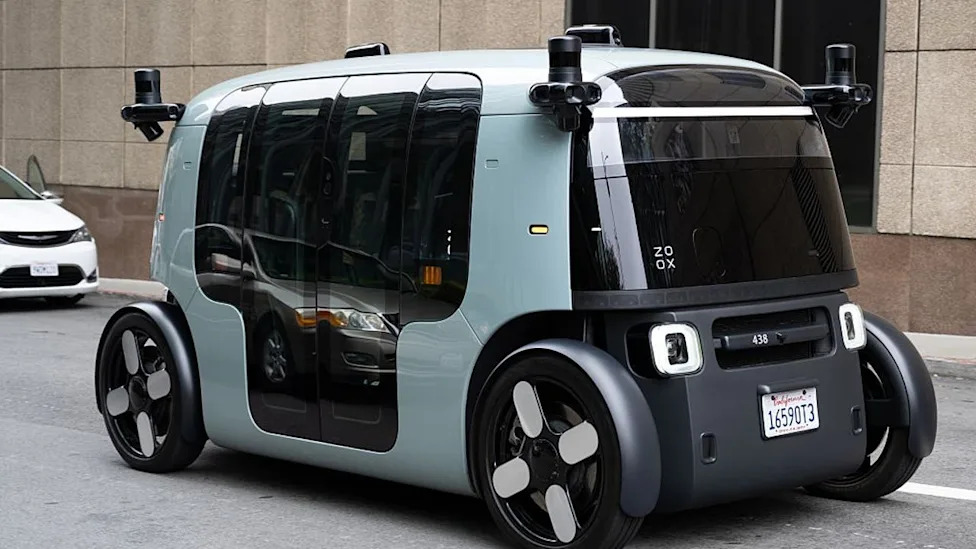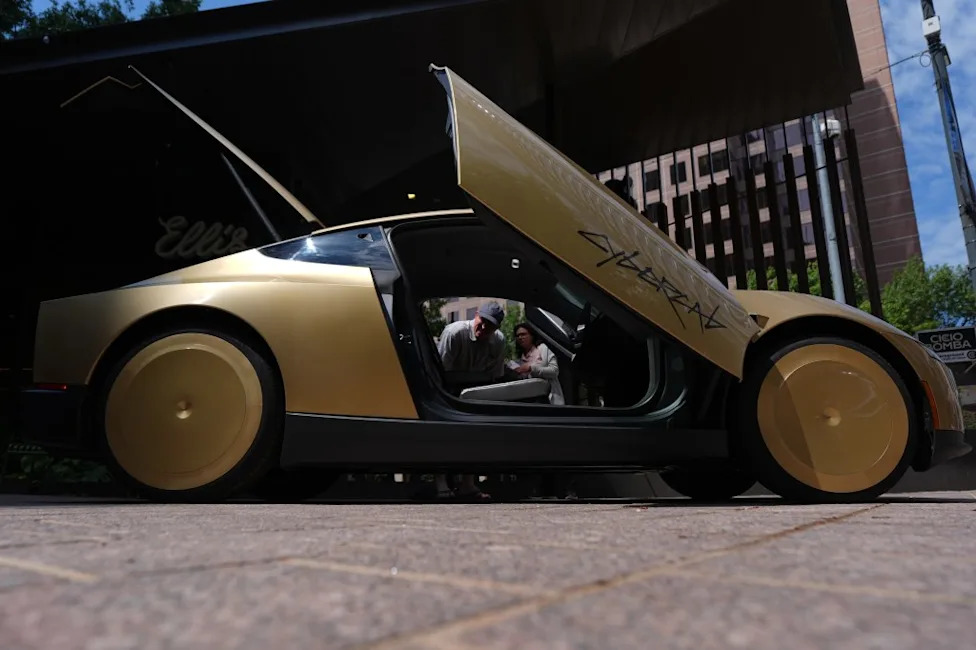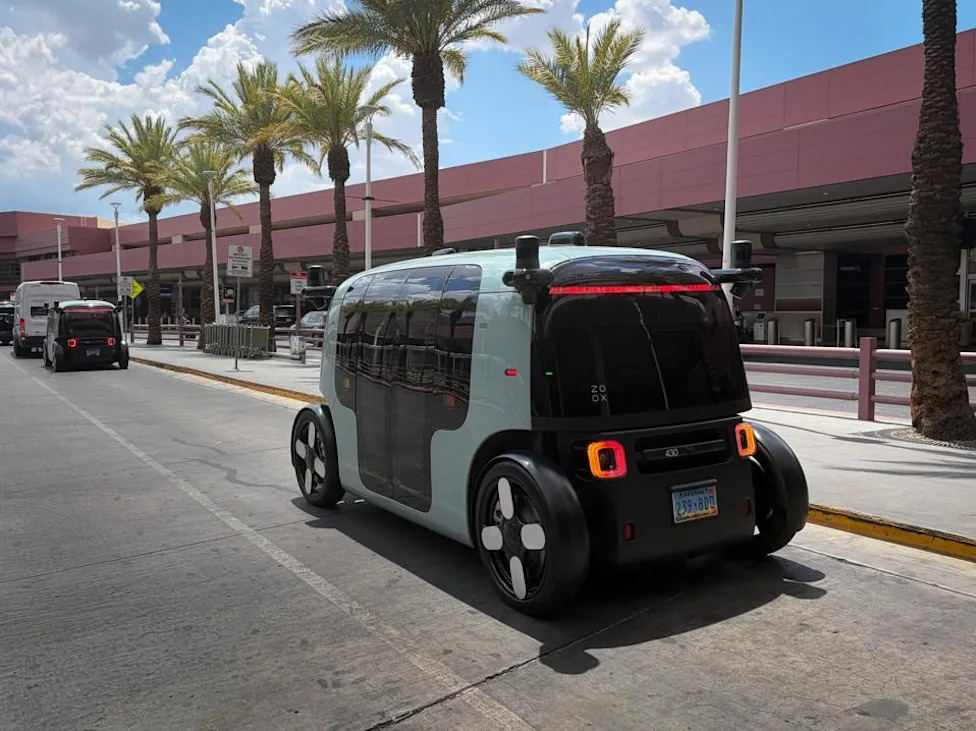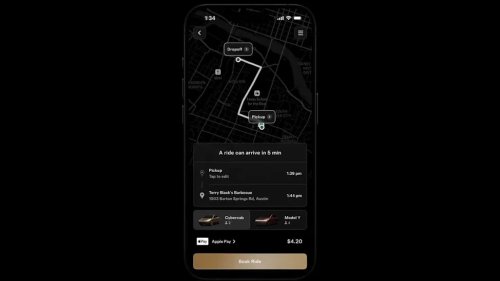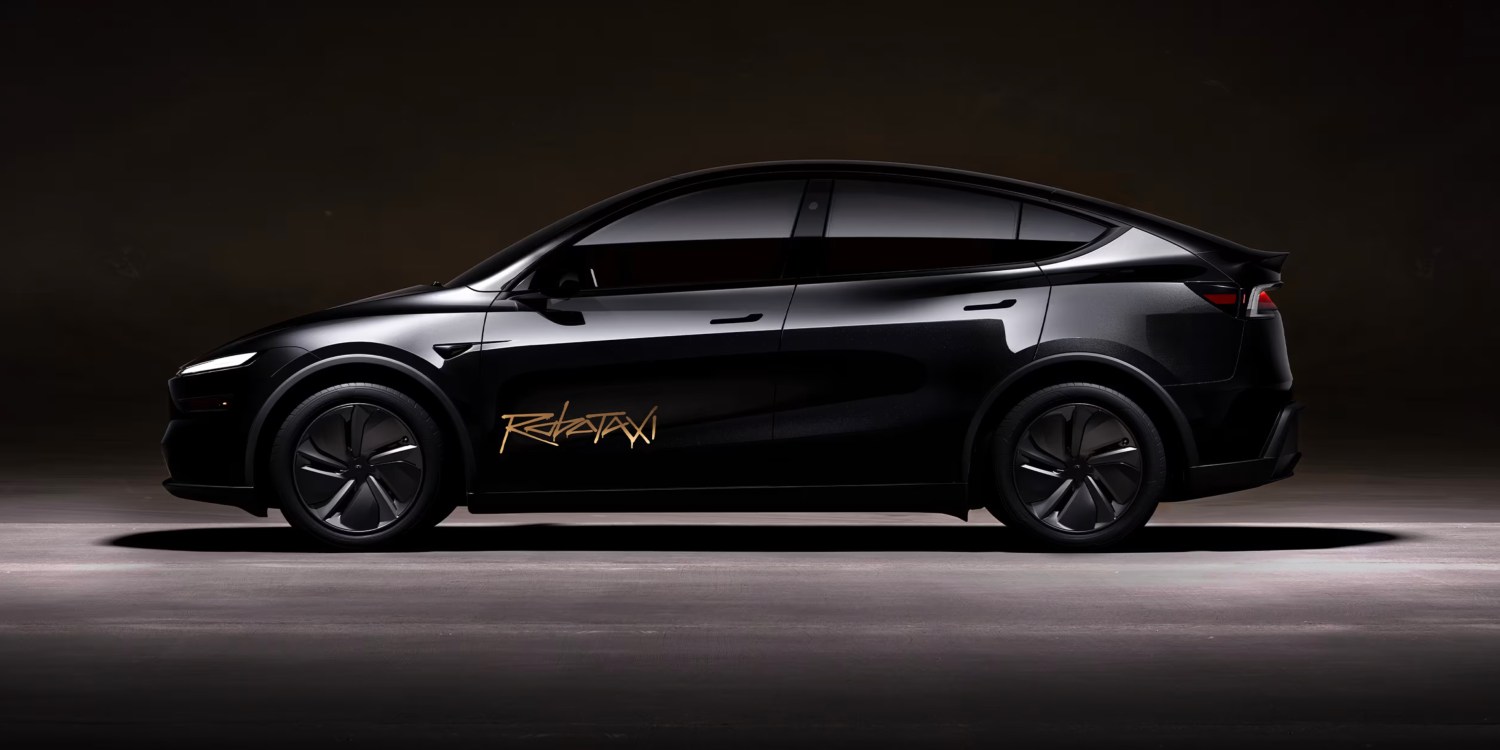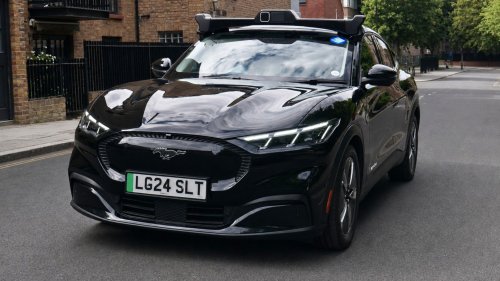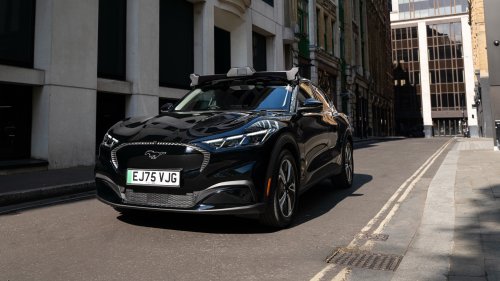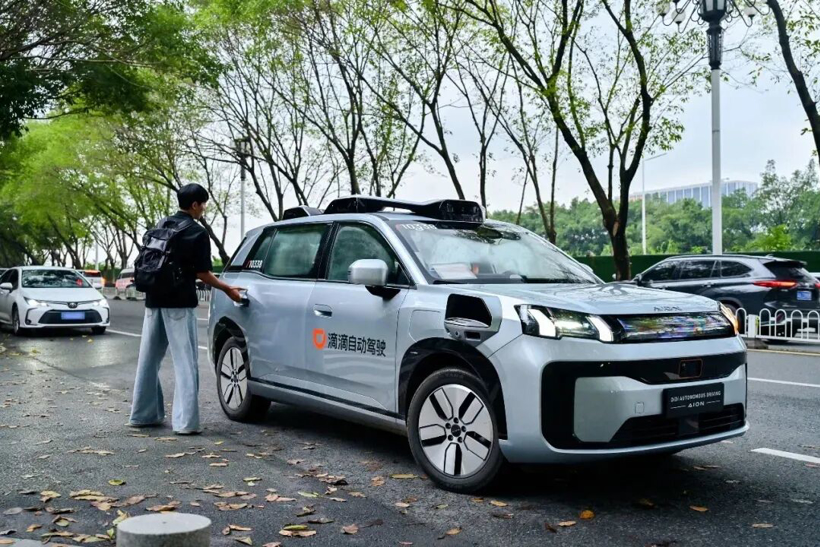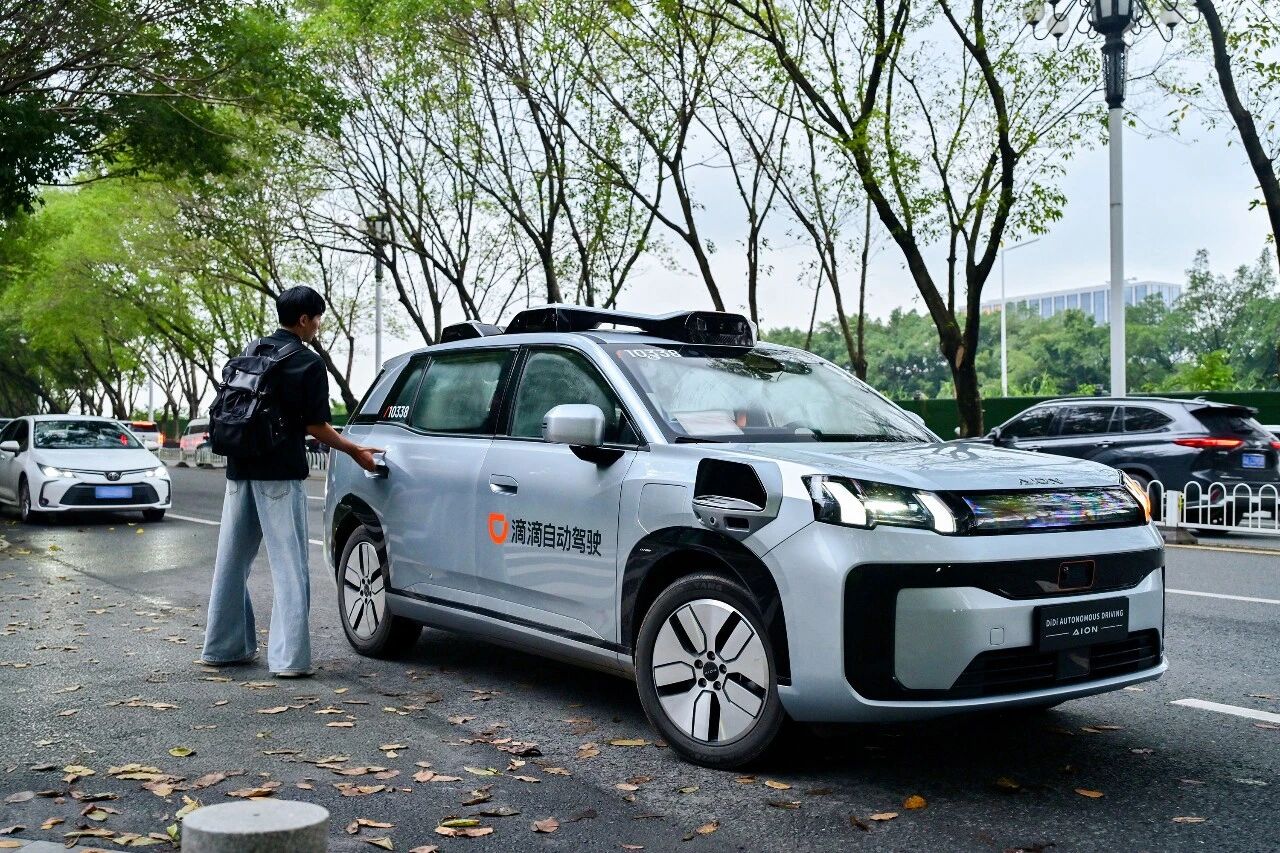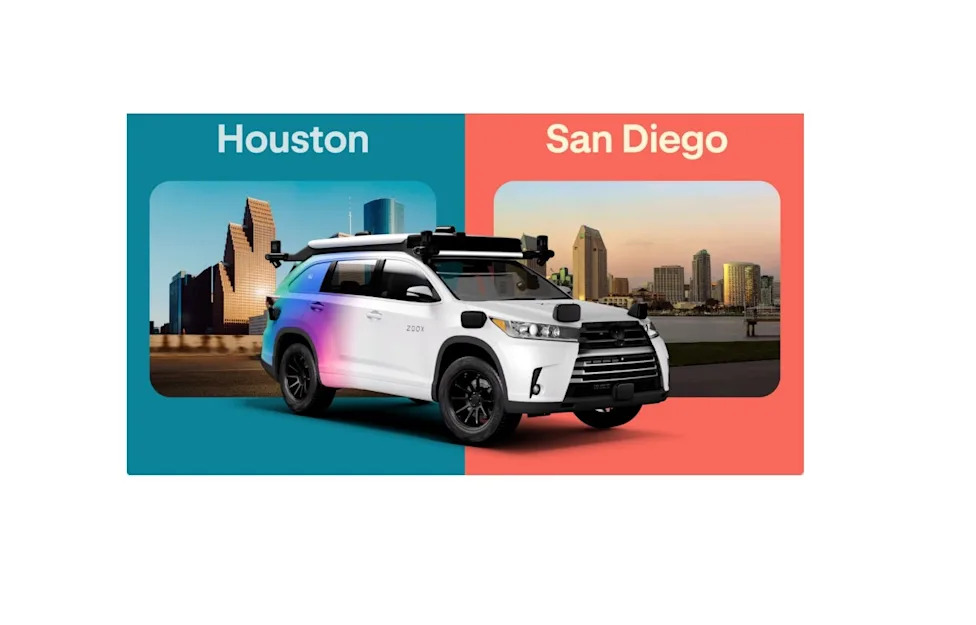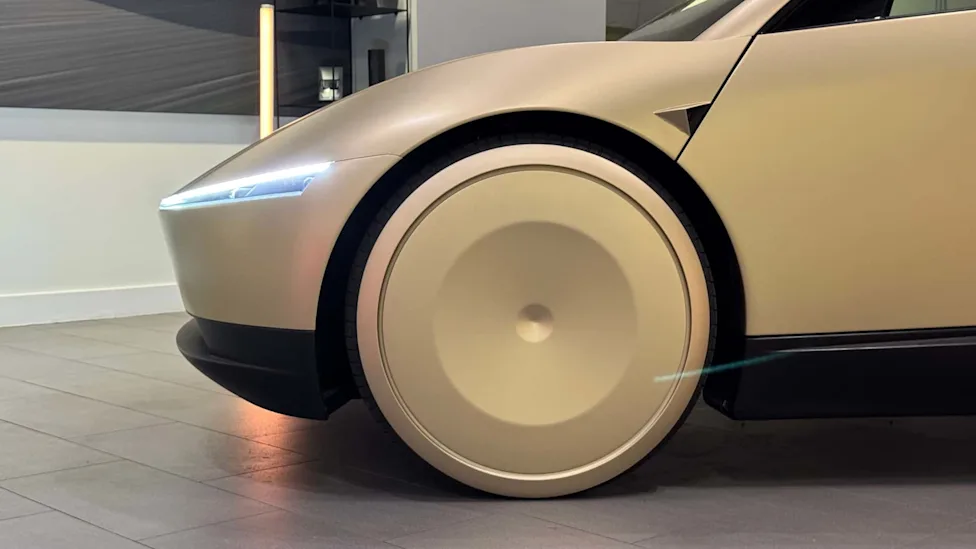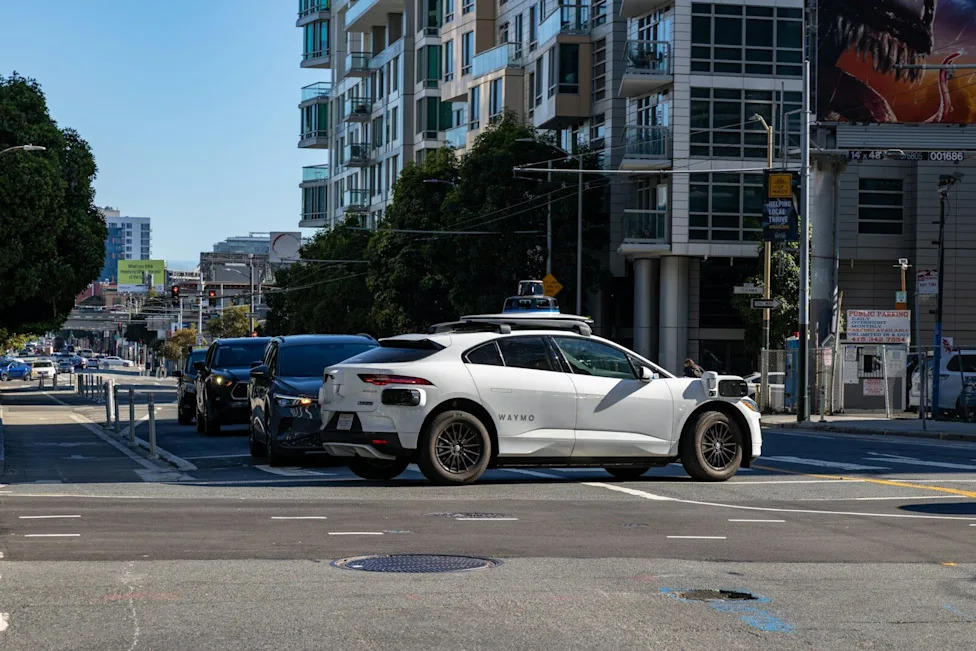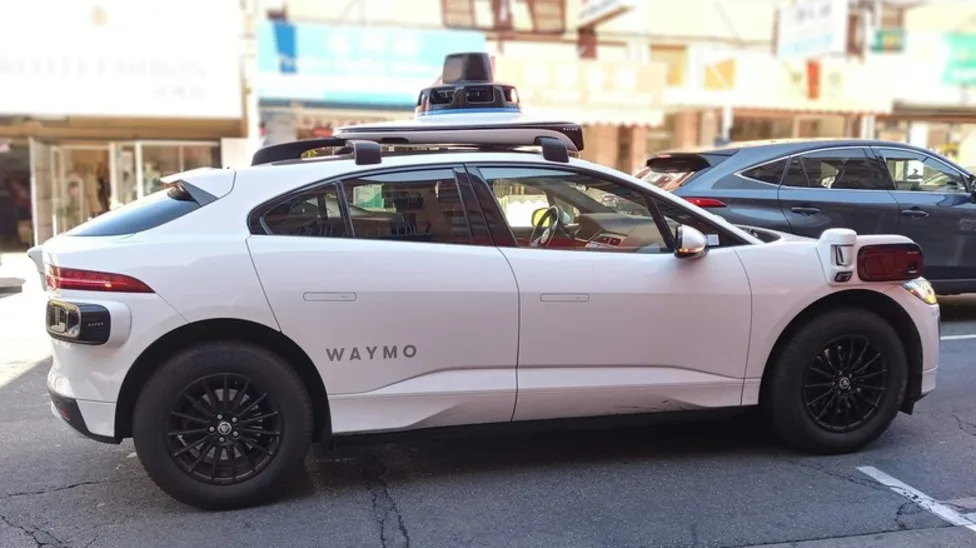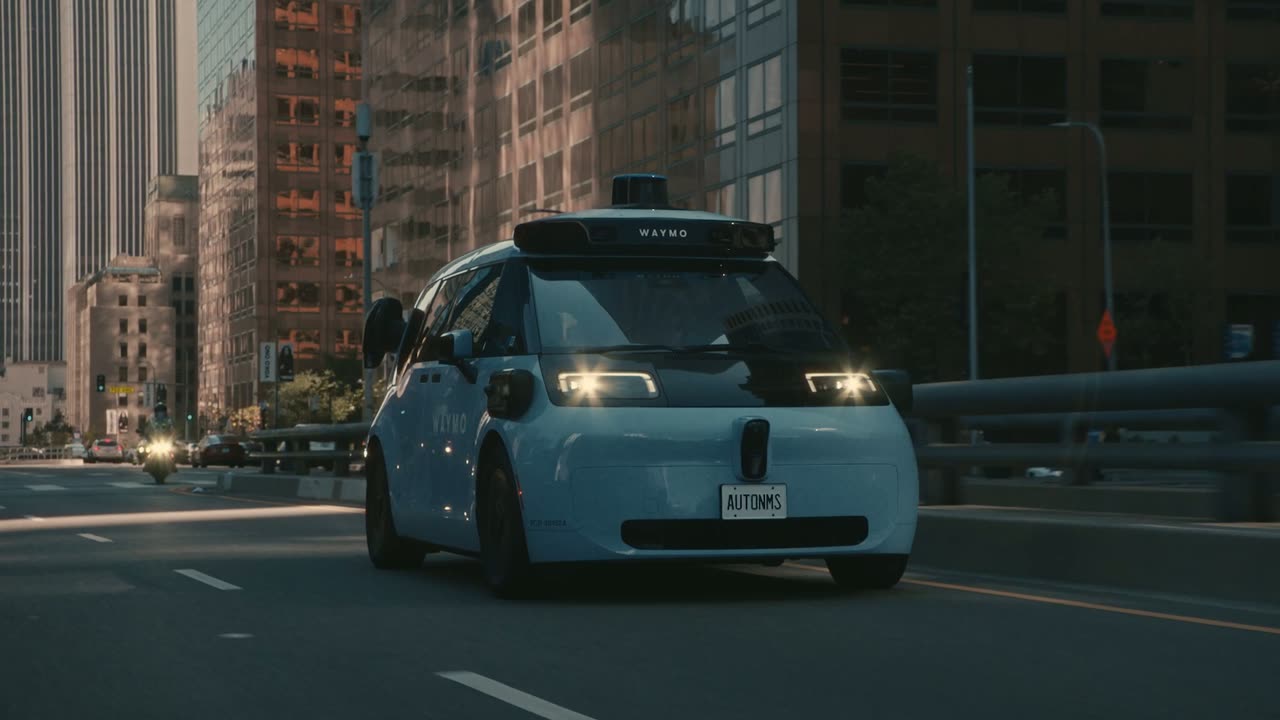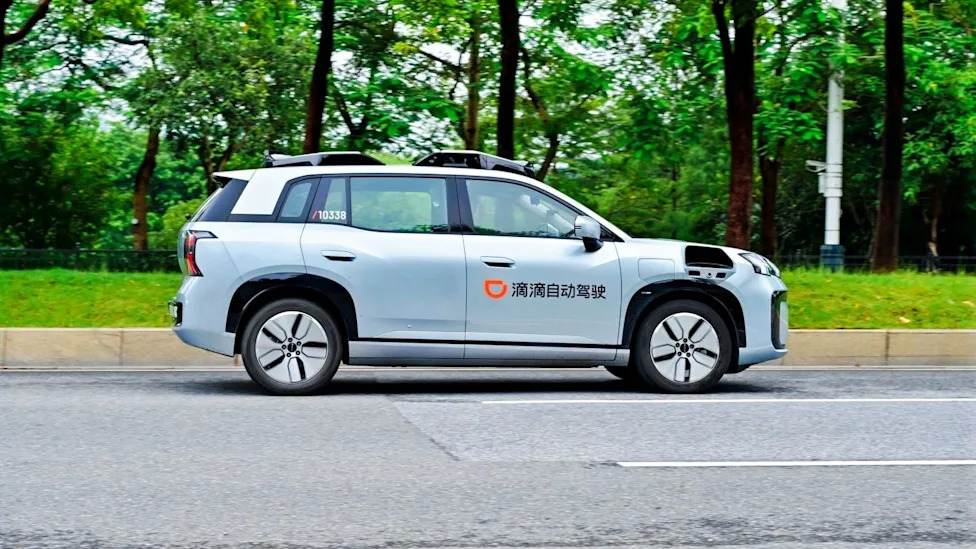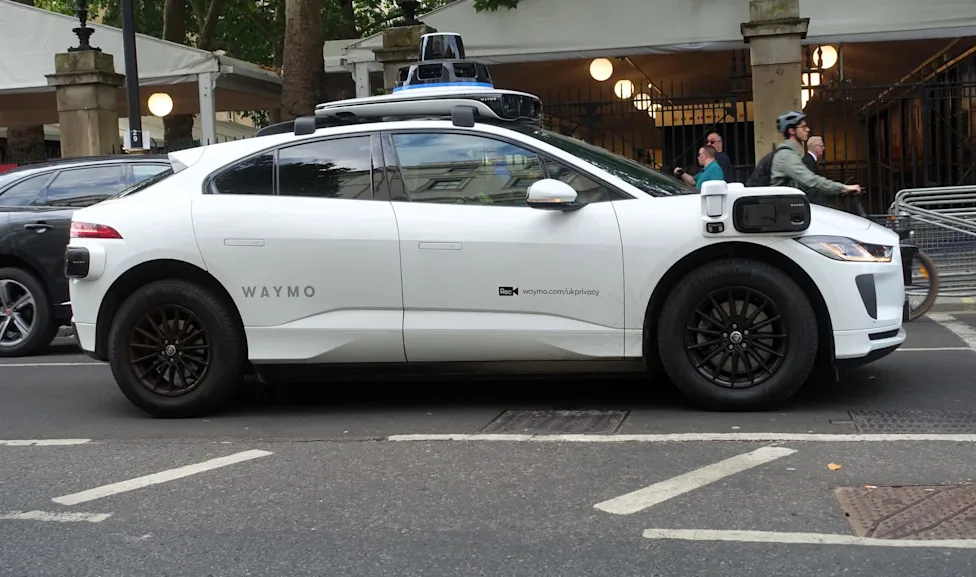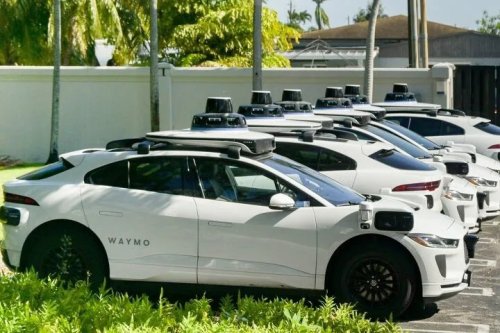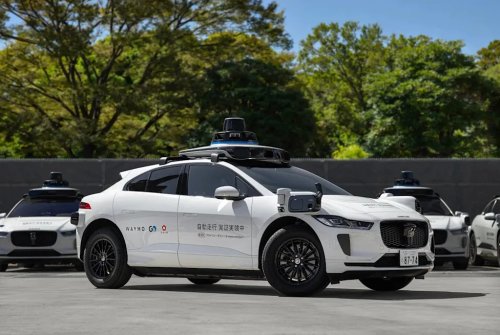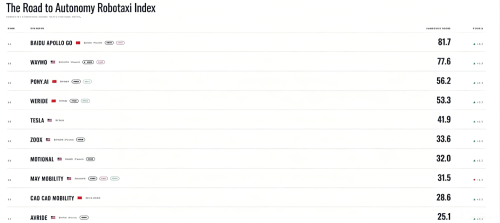
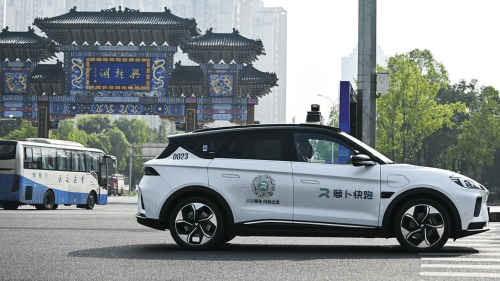
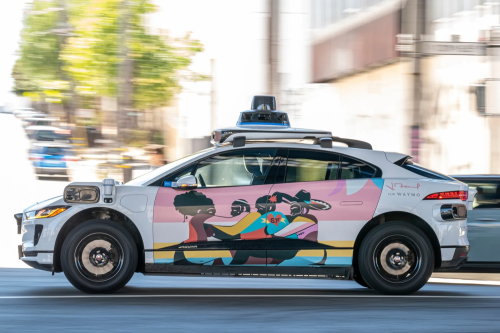
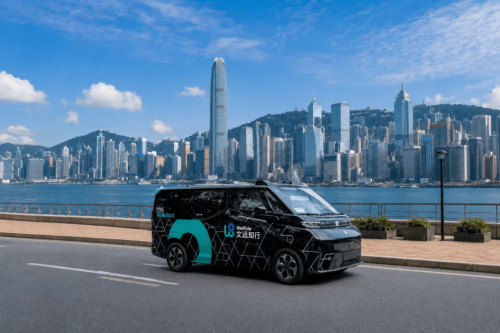




















A recent edition of the Road to Autonomy Index released by research and consulting firm AUTNMY AI ranked Baidu’s Apollo Go as the world’s leading Robotaxi operator. In the Robotaxi category, Apollo Go achieved a composite score of 81.7, surpassing Waymo’s 77.6 and taking the top position globally for the first time. According to AUTNMY AI, the index is not based on aggregated internet information. Top 10 Robotaxi firm based on AUTNMY AI’s index Instead, it draws data from official public databases worldwide, federal and state regulatory filings, SEC disclosures, stock exchange records, and compliant paid data sources. The ranking is calculated across six weighted dimensions, including operational capability, fleet scale, commercial partnerships, and mass-production readiness, with updates every 12 hours. The latest results highlight the growing presence of Chinese companies in the autonomous mobility sector. In addition to Apollo Go’s first-place ranking, Pony.ai and WeRide ranked third and fourth, respectively, giving Chinese companies three of the top five positions. Applo Go Robotaxi Tesla ranked fifth, while Geely-backed CaoCao Mobility entered the global top ten. The shift in rankings reflects broader changes in the competitive dynamics of the Robotaxi industry. Over the past several years, competition largely centered on autonomous driving algorithms, safety validation, and testing mileage. As the technology has matured, attention has increasingly shifted toward fleet scale, operational efficiency, and commercialization capabilities. As of May 2026, Apollo Go had expanded into 27 cities worldwide and accumulated more than 330 million kilometers of autonomous driving mileage. On June 16, Apollo Go also secured a Level 4 Robotaxi operating permit in Switzerland, with public commercial operations scheduled to begin in 2027. Waymo Robotaxi Despite Apollo Go’s ranking lead, Waymo remains the world’s largest Robotaxi operator by fleet size. By mid-2026, Waymo’s active fleet exceeded 3,500 vehicles, with nearly 2,800 vehicles added over the past expansion cycle. Other Chinese operators are rapidly scaling their fleets. Pony.ai’s Robotaxi fleet surpassed 1,700 vehicles by the end of May, and the company has raised its 2026 fleet target from 3,000 to 3,500 vehicles. WeRide operates a global Robotaxi fleet of approximately 1,300 vehicles, including more than 1,000 in China and around 300 overseas. The company plans to expand the fleet to 2,600 vehicles by the end of 2026. WeRide Robotaxi By comparison, Tesla’s Robotaxi operations remain in the early stages. As of mid-2026, its operational fleet totaled roughly 500 vehicles. However, with autonomous ride-hailing services launching in Austin and the advancement of Cybercab mass production, Tesla is still widely viewed as one of the sector’s most unpredictable and potentially disruptive participants over the coming years. Tesla Cybercab Notably, China’s autonomous driving ecosystem is broadening beyond a handful of early leaders. Alongside Baidu, Pony.ai, and WeRide, companies including Geely, XPeng, and Momenta are accelerating deployments in Robotaxi, Robovan, and other autonomous mobility segments.