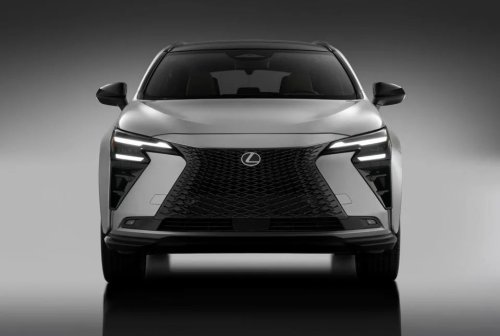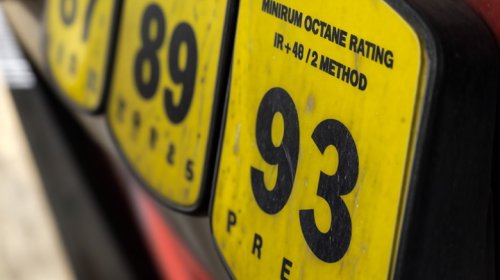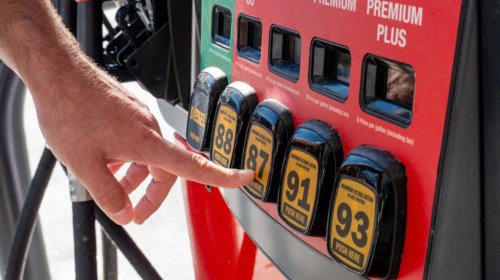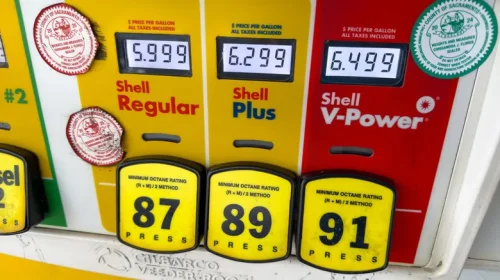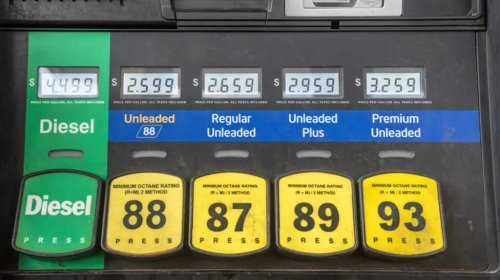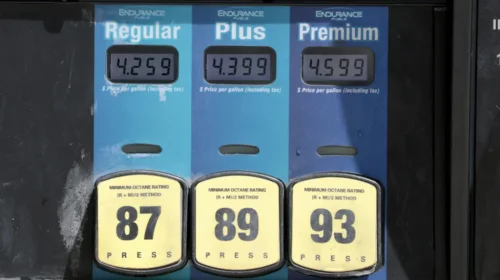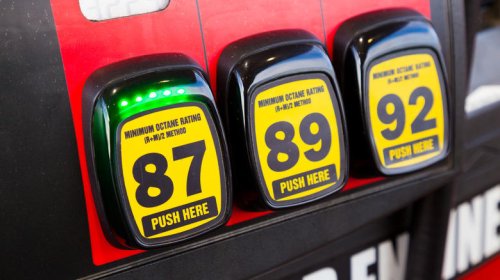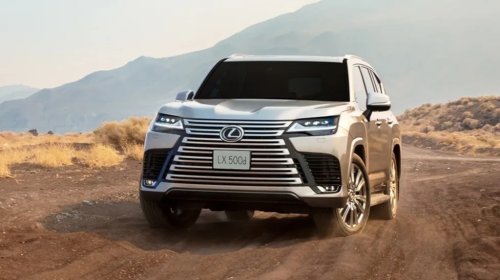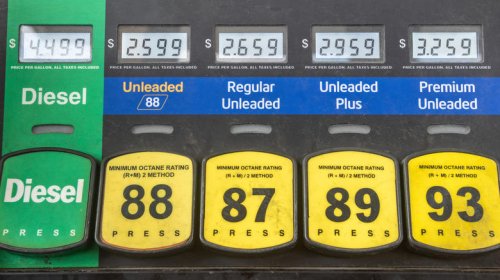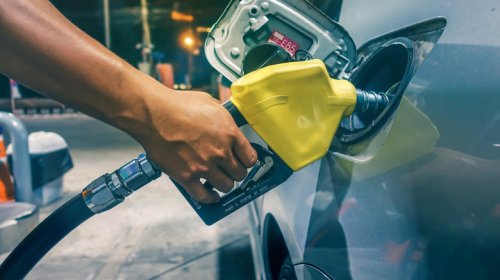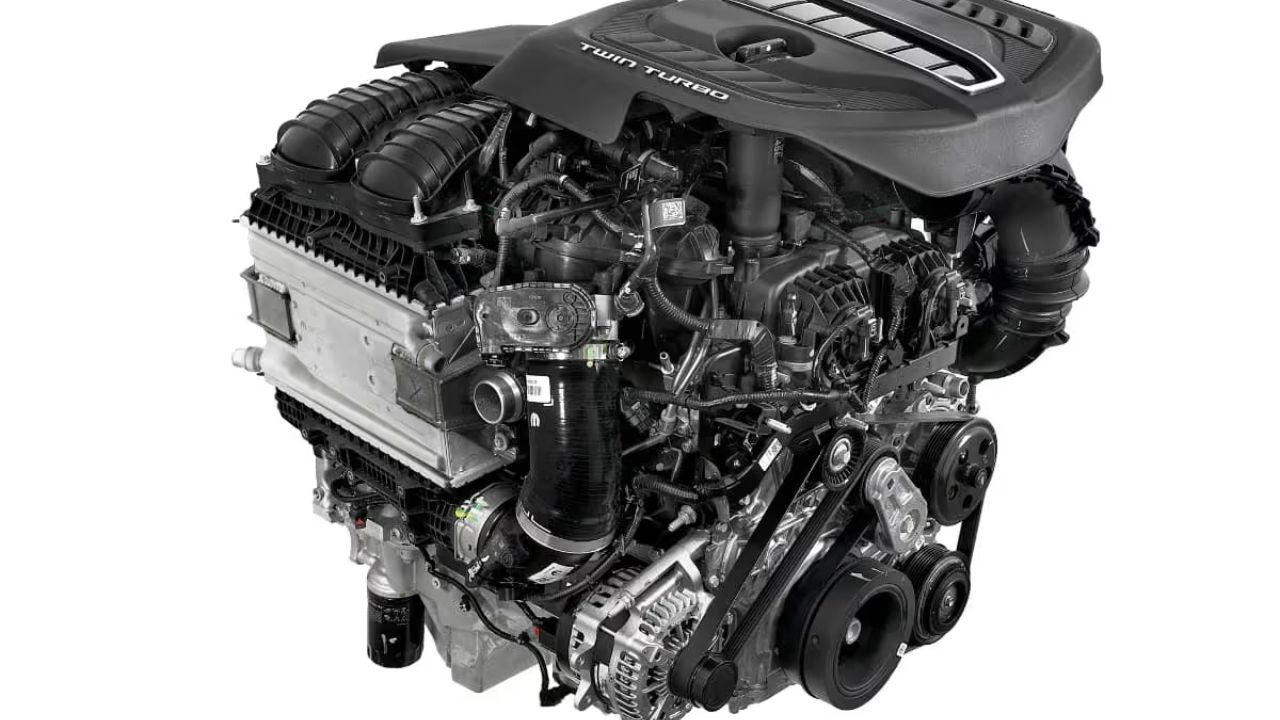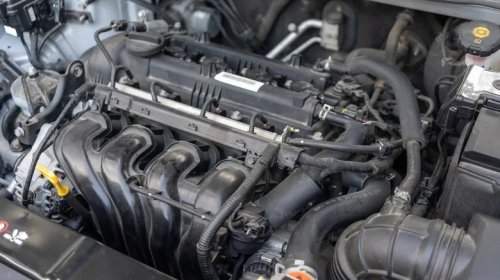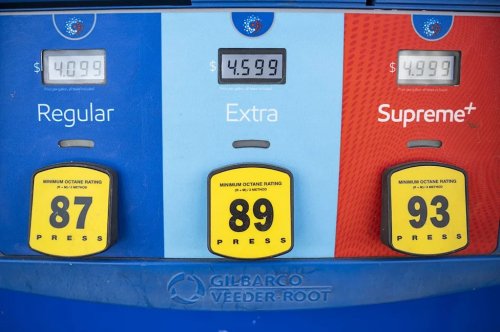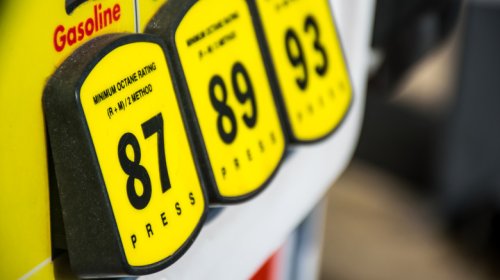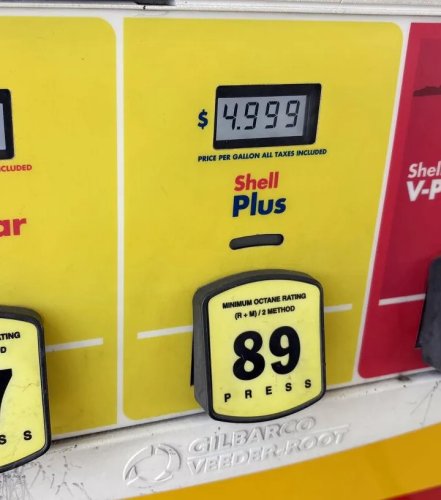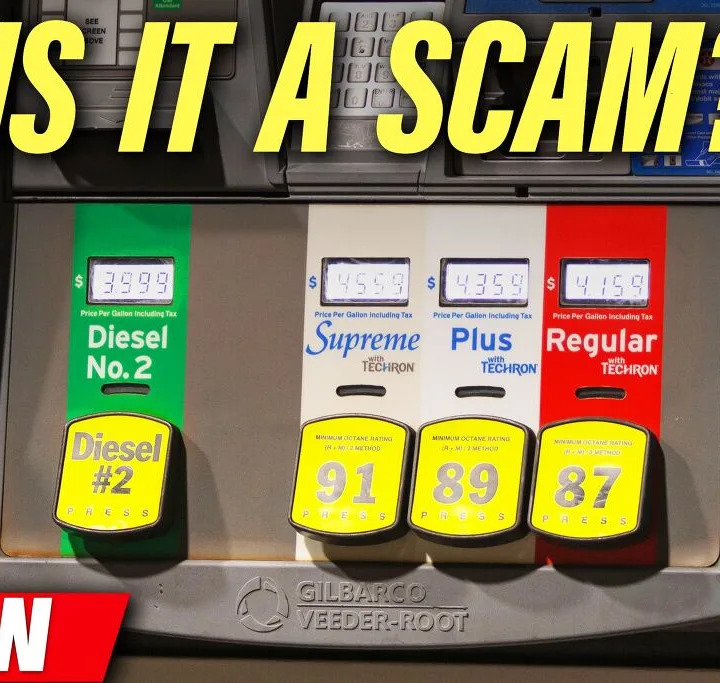



















Credit: RYO Alexandre via ShutterstockCredit: RYO Alexandre via ShutterstockEvery time you pull up to the pump, you're faced with a choice that can instantly add $10 to $15 to the cost of filling your tank: Regular or Premium?Many drivers pay extra for 91 or 93 octane gas assuming it's better for their engine, boosts fuel economy, or keeps their car running longer. But according to new testing from Consumer Reports, millions of drivers are simply burning cash for performance benefits they'll never actually see.In the latest episode of the podcast, we sat down with Keith Barry from Consumer Reports to pull back the curtain on octane ratings, automaker marketing claims and the real cost of luxury car ownership.Related VideoWhat Does Octane Actually Do?Before deciding whether premium fuel is worth the markup, it helps to understand why high-octane fuel exists in the first place.Octane isn't a power booster; it's an anti-knock additive. Engine knock (or "pinging") occurs when the air-fuel mixture inside a cylinder ignites unevenly or at the wrong time. Over time, severe engine knock can cause serious mechanical damage.Modern high-performance or turbocharged engines operate under immense pressure and heat, creating a "knock zone" where engine knock is most likely to occur. Higher octane fuel prevents premature ignition, allowing high-stress engines to run smoothly.However, under everyday driving conditions, the vast majority of standard commuters never push their engines anywhere near that threshold.The Consumer Reports Test: Premium vs. RegularTo test whether premium gas actually delivers noticeable perks, Consumer Reports put it to the test on their private track:Recommended vs. Required: For vehicles where premium gas is merely recommended (not explicitly required), performance testing revealed zero meaningful speed or efficiency gains under normal driving conditions.The Luxury Markup: Consumer Reports compared two sister vehicles sharing the exact same 2.4-liter engine-the Toyota Grand Highlander (which calls for regular 87 octane) and the luxury Lexus TX 350 (which mandates premium). While Lexus claims a minor 10-horsepower bump on paper, real-world track testing showed 0-to-60 mph acceleration and fuel economy were virtually identical.So why do luxury brands mandate premium gas if the performance difference is negligible? Part of it comes down to marketing spec-sheet bragging rights-and part of it comes down to fine print in the owner's manual."Luxury brands might put a requirement on the fuel cap just to shave a tenth of a second off a spec sheet or push a slightly higher horsepower number for advertisements," Barry explained during the show.3 Rules to Stop Wasting Money at the PumpNavigating the gas pump doesn't require an engineering degree. Keep these three core guidelines in mind next time your tank hits empty:Check the Owner's Manual (and Gas Cap): If your manual explicitly states premium gas is required, stick to it. Brands like Lexus specify that using regular fuel could potentially void warranty claims if damage occurs.If It's "Recommended," Save Your Cash: Unless you are towing heavy loads, driving up steep mountain passes, taking your vehicle to a track, or driving in extreme heat, regular fuel is completely fine for vehicles where premium is only recommended.Buy "Top Tier" Gas Instead: Want to do something that actually protects your engine? Skip the octane upgrades and look for stations selling Top Tier detergent gasoline. Top Tier gas contains extra detergents that prevent carbon deposit buildup inside the engine, helping it last longer without forcing you to pay premium prices.Catch the Full Conversation!Want to hear how Consumer Reports anonymously buys cars from dealerships, why Audi's owner manual warns against traffic jams on regular gas, and how much you could save every year?Listen to The AutoGuide Show on your favorite platform:SpotifyAppleYouTubeiHeartRadio