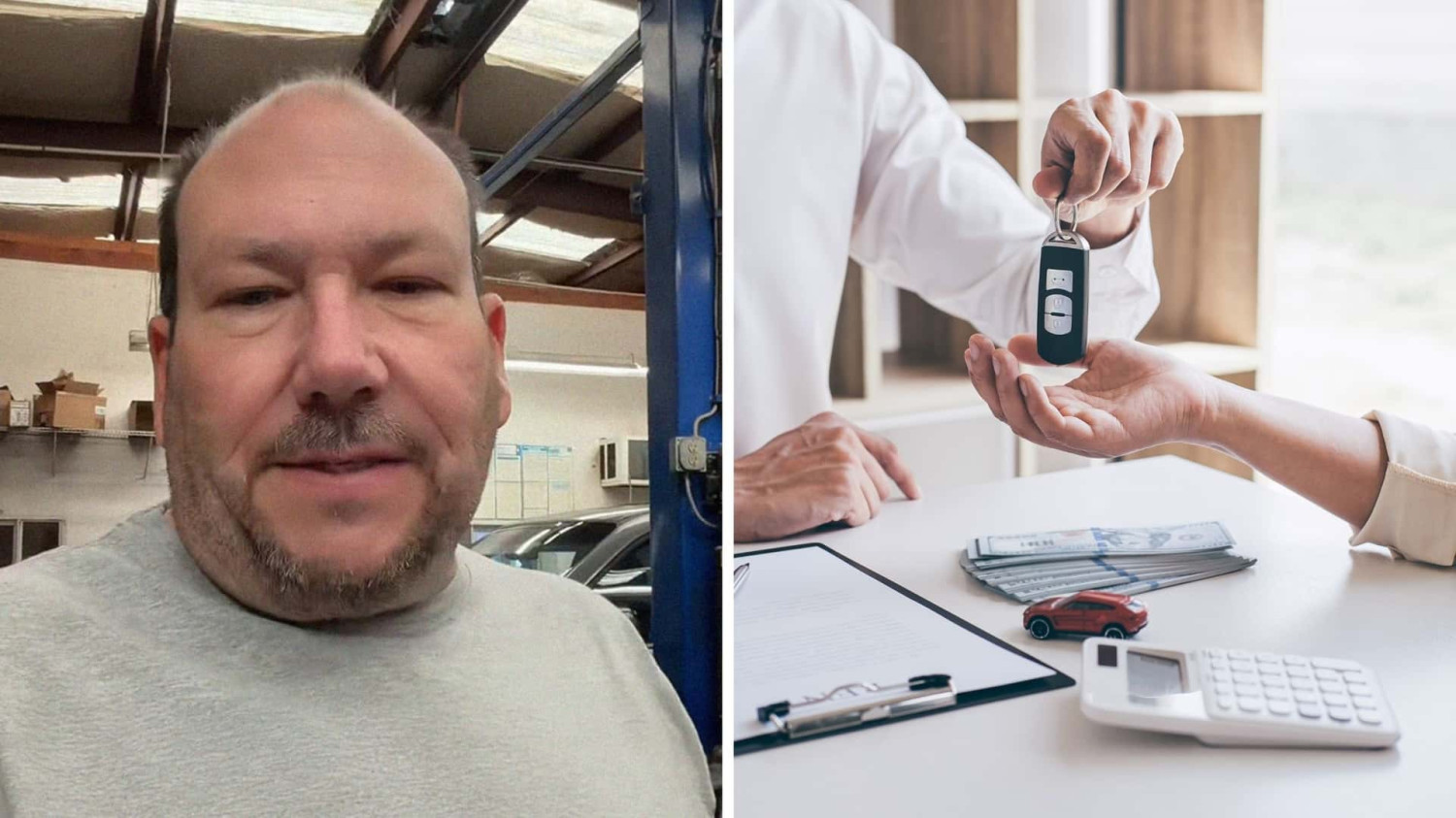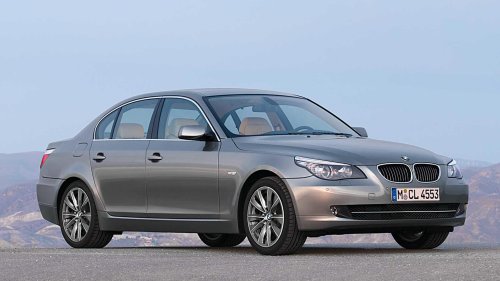



















The truth about extended car warranties few buyers readExtended car warranties are marketed as a safety net for modern vehicles packed with electronics and expensive components, yet the paperwork that governs them is often so dense that most buyers never read beyond the first page. The result is a product that feels reassuring at the finance desk but disappointing when a major repair actually arrives. The truth that rarely appears in glossy brochures is that these contracts are structured to protect the seller’s margins first and the driver’s wallet a distant second. Once the terms are unpacked, extended coverage resembles a calculated bet on vehicle reliability, repair frequency, and consumer behavior rather than simple insurance against breakdowns. Some drivers do come out ahead, particularly with high-mileage used cars or specialized coverage, but many others pay thousands for protection that excludes their most likely failures or duplicates benefits they already have. Understanding how these plans are built, sold, and administered is the only way for buyers to decide whether they are purchasing real protection or just an expensive illusion of peace of mind. What an extended warranty actually is (and what it is not) At its core, an extended car warranty is a service contract that promises to pay for certain repairs after the original factory coverage expires, not a magical shield against every mechanical problem. On a new vehicle, the standard manufacturer warranty already covers major defects for a set number of years or miles, so the add‑on simply stretches that promise or adds extra systems, often with a long list of exclusions that only appear deep in the contract. Video explainers on whether a driver should get an Extended Car Warranty stress that these plans are fundamentally different from the original guarantee that comes with the vehicle. Credit union guidance explains that every new car already includes a factory warranty covering defects for a set period, while the extended warranty is a separate contract that can be financed and carries its own terms. That distinction matters, because the service contract is governed by its specific language, not by the broad expectations buyers often import from the original warranty. Wear‑and‑tear items, routine maintenance, and many forms of gradual failure are frequently carved out, which means a driver who never studies the fine print may only discover the limits of coverage when a claim is denied at the service counter. Why dealers push extended coverage so aggressively Extended warranties have become one of the most profitable products in the showroom, which helps explain why they are pitched so hard in the finance office. Online surveys indicate that extended warranties benefit carmakers and dealers through high commissions, even though many buyers pay more in fees than they receive in actual repair coverage. When a product is structured to yield high margins, sales staff are trained to frame it as a responsible choice, often by highlighting the most expensive possible repair scenarios rather than the average experience. The sales pressure is echoed in social media clips where finance managers warn that the extended warranty the dealer pushed on a buyer will not help nine out of ten times when the car actually breaks and has to be towed, a claim that reflects how many contracts exclude common failure modes. A viral discussion of whether extended car warranties are a Scam Car Salesman captures the tension: some commenters argue that coverage is valuable on vehicles worth more than $30,000, while others describe years of payments with no meaningful benefit. The shared thread is that few of these buyers had a clear picture of the contract’s economics before signing, because the dealership’s priority was closing a high‑profit add‑on, not walking through the probability that the driver would ever come out ahead. The fine print that quietly limits payouts For drivers who do read the contract, the most striking feature is often how many ways a claim can be narrowed or denied. Guides emphasize that understanding coverage requires careful review of exclusions, as third-party warranties may deny repairs if even minor maintenance requirements are missed. Some contracts require drivers to return to specific repair networks, cap the hourly labor rate, or limit payouts to a schedule that bears little resemblance to actual shop invoices. Industry reviews of specific providers describe how Complicated CARS warranty contracts can vary from one dealership to another, with terms that shift over time and leave buyers uncertain about what is covered. Consumer advocates warn that these layers of complexity are not accidental; they serve to keep utilization low and disputes high, which protects the profitability of the program. When a contract is so intricate that even service advisors struggle to interpret it, the practical effect is that only the most persistent and well‑informed customers secure full reimbursement, while others quietly absorb costs they assumed were covered. When extended warranties actually pay off Despite the skepticism, there are scenarios where extended coverage genuinely saves money. Owners of aging vehicles with complex technology, such as a 2018 BMW 5 Series or a 2019 Ford Explorer with a turbocharged engine and advanced driver‑assist systems, face potential repair bills that can easily reach four figures for a single failure. Accounts from drivers who purchased coverage from companies like CARCHEX describe situations where they used the warranty once across several vehicles and, in that single case, the plan paid for a major failure and easily paid for. Used cars are a particular flash point, since for many Americans car ownership is the second‑largest single expense after housing, which makes an unexpected transmission or engine repair financially painful. Guides that ask Are Used Car Extended Warranties Worth It explain that for high‑mileage models or vehicles with patchy maintenance records, a well‑priced powertrain contract can function as a hedge against catastrophic breakdowns that might otherwise total the car. Advice pieces that pose the question Should You Buy an extended warranty for stress that the decision depends on the specific vehicle, the driver’s savings, and the exact list of covered components, not on generic promises at the sales desk. Voices of warning from finance experts and repair shops Personal finance commentators have been blunt about the tradeoffs. One credit union article cites personal finance expert Dave Ramsey stating that if a buyer cannot afford to pay for repairs out of pocket, then they probably cannot afford the car, a line preserved in the discussion of whether a driver should get an extended warranty on a new car at what every new owner should consider. That perspective treats extended warranties as a symptom of underfunded emergency savings rather than a smart financial product in their own right. From this perspective, a wiser approach is to choose a less expensive vehicle and save for repairs, rather than financing an extended warranty into a long-term loan. Repair professionals have their own reservations. A short video titled The Truth Behind Extended Warranties explains that there are some extended warranty companies that do a really good job at covering drivers, but that many others create friction at every step of the claims process. Another clip from an Elder scam consultant frames extended warranties as a frequent tool in fraud targeting older adults, advising consumers to say, “No thanks,” when pressured to extend coverage on everyday purchases. Social media posts from shop owners, including one where Jerry states that there are no aftermarket warranties at Jerry’s and that the business does not recommend customers purchase aftermarket warranties, reflect a consistent frustration: third‑party administrators often delay payment, argue over labor rates, or refuse common repairs, leaving shops to play mediator between the contract and the customer. How to evaluate an offer before signing For buyers already sitting in the finance office, the first step is to slow the process down and treat the warranty pitch as a separate decision from the vehicle purchase. Independent dealer guidance notes that Customers want and value warranties that provide an extensive level of coverage, while dealers often see an extended warranty as a profit center attached to the sale that needs to be provided quickly. Shoppers should ask who guarantees the warranty, a question captured in the phrase What Are The, and insist on seeing the full contract before agreeing. If the administrator is a small third‑party firm rather than the manufacturer, the risk of denied claims and complicated procedures is higher. More from Fast Lane Only Unboxing the WWII Jeep in a Crate 15 rare Chevys collectors are quietly buying 10 underrated V8s still worth hunting down Police notice this before you even roll window down