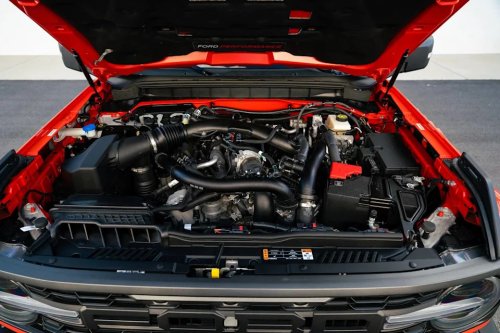
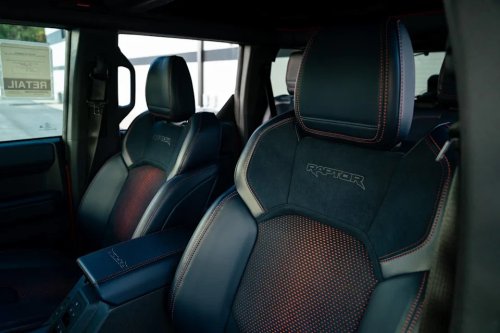
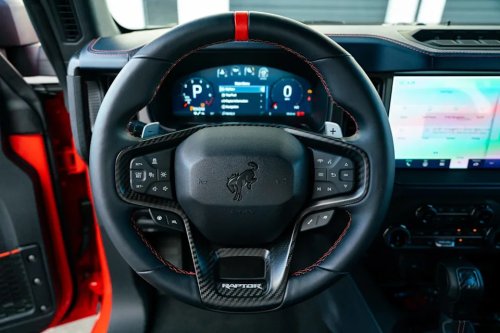
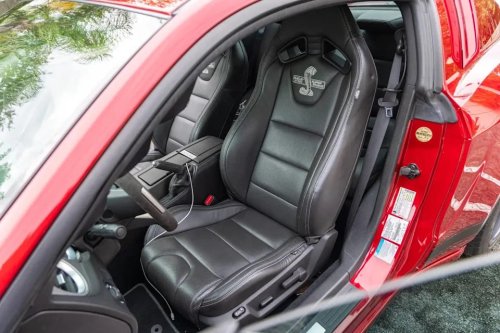
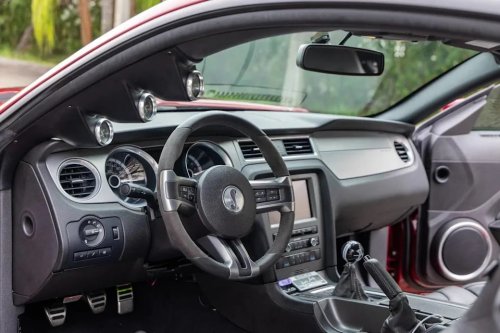
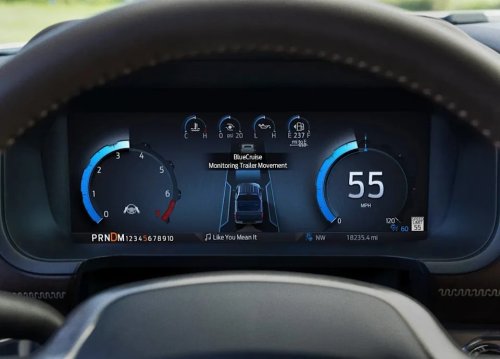
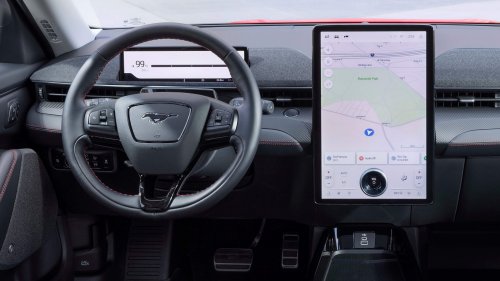
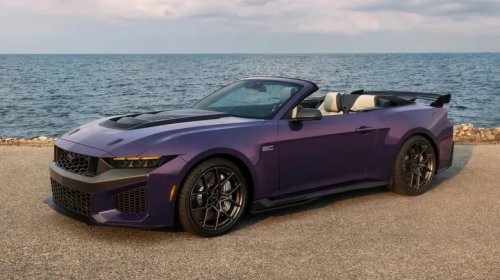
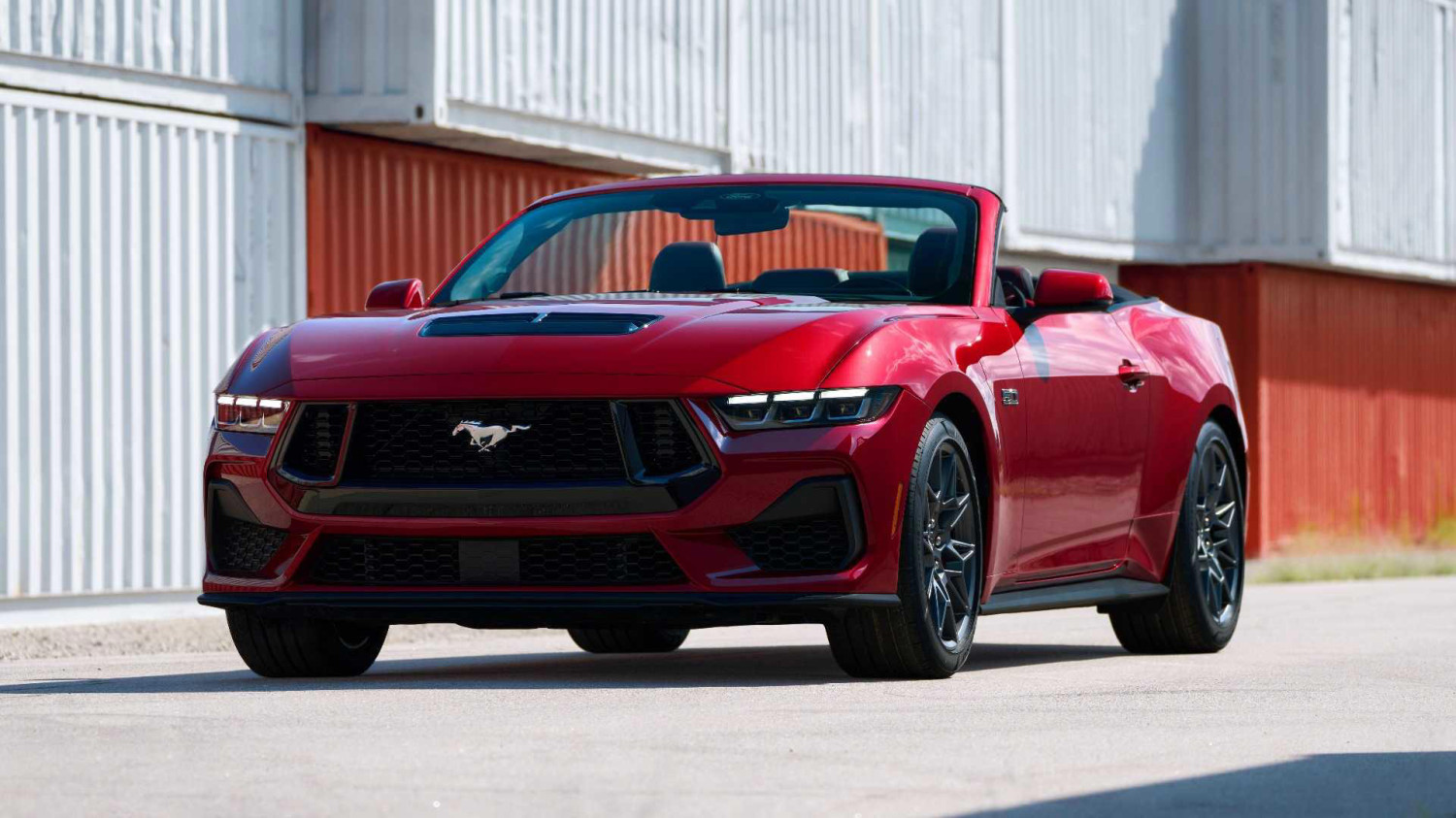
We thought that the point of a convertible was to get away from it all. To put the top down, let the wind in as everyday life rushes out. Forget about the office, you're topless, right? It seems engineers at Ford want to fix ruin that. The company has published a patent that goes to extreme lengths to help you make phone calls or perform other voice commands in your open-roof convertible. How extreme are we talking? It goes far beyond mere sound, because communication isn't just auditory. That means future Ford cars, convertible or otherwise, could watch you while you talk and scrutinize your body language. If that sounds a little creepy, you're not wrong. Ford Wants To Help You Talk In Your Convertible Ford Like most patents, it starts out with something obvious: "audible communication in an open-top or convertible vehicle can be challenging due to increased ambient noise." The wind is loud, traffic is loud, the exhaust is loud, everything is loud. Plus, what little sound there is from your voice gets dissipated into the outdoors.Automakers have made good progress with microphones that can better capture your voice and isolate it from the ambient sounds. It's still not always good enough for a phone conversation, however. At least without yelling. Ford engineers tried to fix it. The result starts simple, but gets complicated.The system will monitor the vehicle to determine if you're in "convertible state" or not. Convertible in this case means an open roof like the Mustang, but it also means removed doors like a Bronco, for those must-take business calls while you're on the trail.If the vehicle decides it's in convertible mode, it then measures cabin noise. If the cabin noise is higher than a certain threshold, the vehicle switches to what Ford is calling an enhanced communication mode. Here's where it gets a little weird.Enhanced communication starts with the basics, turning up the volume of the speakers. Using multiple in-car microphones, the system can also work to actively cancel out noises from wind and tires, so that the person on the other line can better hear you. If it gets extremely loud in the vehicle, even this might not be enough. From there, the patent focuses on your physical interactions. Read My Lips: No Missed Phone Calls FordAmong these additional steps is lip-reading mode. Using cameras, the in-car assistant will try and read your mouth to find out what you're trying to say. Fortunately, this pertains to the voice assist features in the car and not phone conversations. That's all we need... Ford's assistant translating calls for the driver. But, if you want to answer that incoming call, or make an outgoing call, the assistant needs to understand you. If it's reading your lips and guessing what you want, then it needs a way to know if it is guessing correctly. To do that, it will use your body language and your facial expressions. Yes, your car will know if you're rolling your eyes at it or shaking your head. Some Fords are already watching you, though that's for safety when using the BlueCruise hands-off system. This is more about judging your level of frustration.When it sees rolled eyes, angry brows, or a shaking head, it assumes it's doing the wrong thing. The system will then respond in multiple ways, like turning up the volume even more. But hilariously, it could also just speak slower and enunciate clearer – like a tourist desperately hoping to make a local understand English instead of the language of the country they're visiting. Do you hear the words coming out of my mouth?Will it work? We're not sure, but Ford might want to keep physical buttons on standby. Because it's only a matter of time before a car that can read our expressions decides that, just maybe, it doesn't like our attitude.Patent filings do not guarantee the use of such technology in future vehicles and are often used exclusively as a means of protecting intellectual property. Such a filing cannot be construed as confirmation of production intent.




















 +22 others