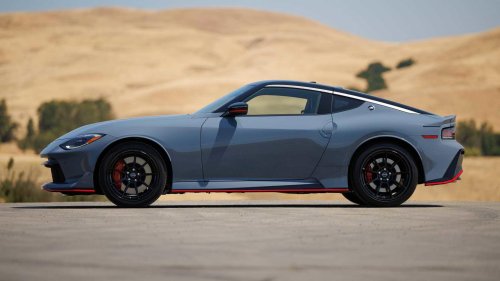
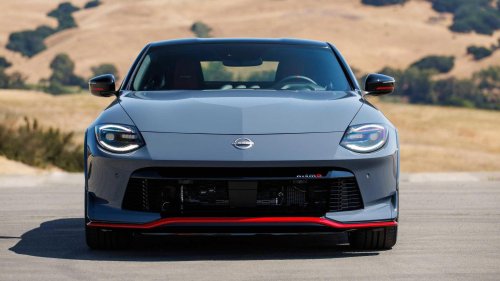
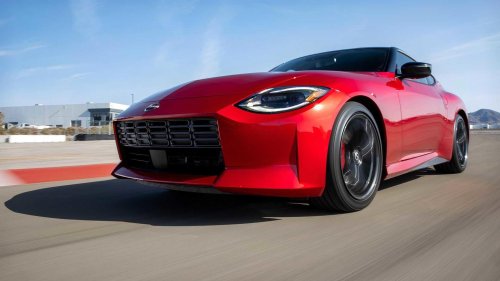
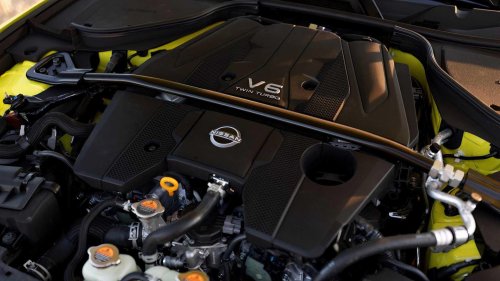
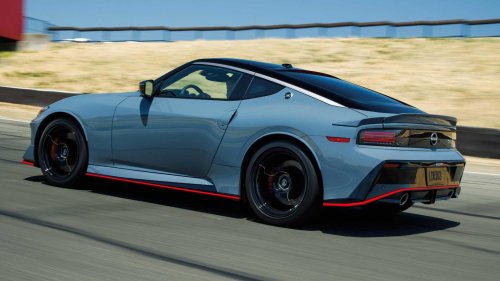
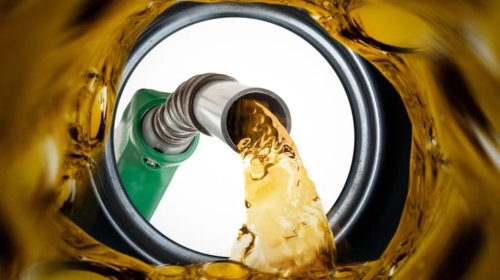
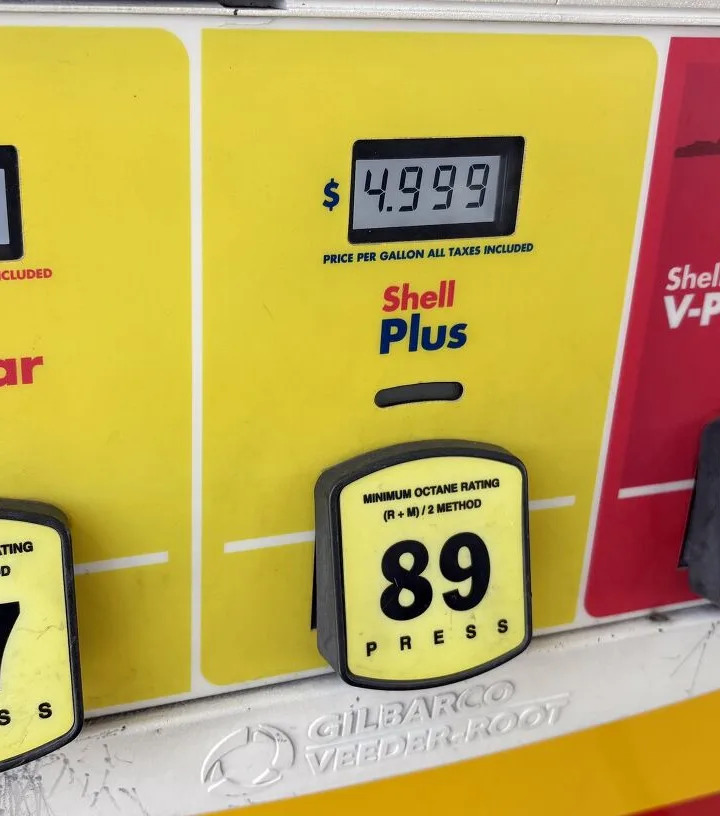
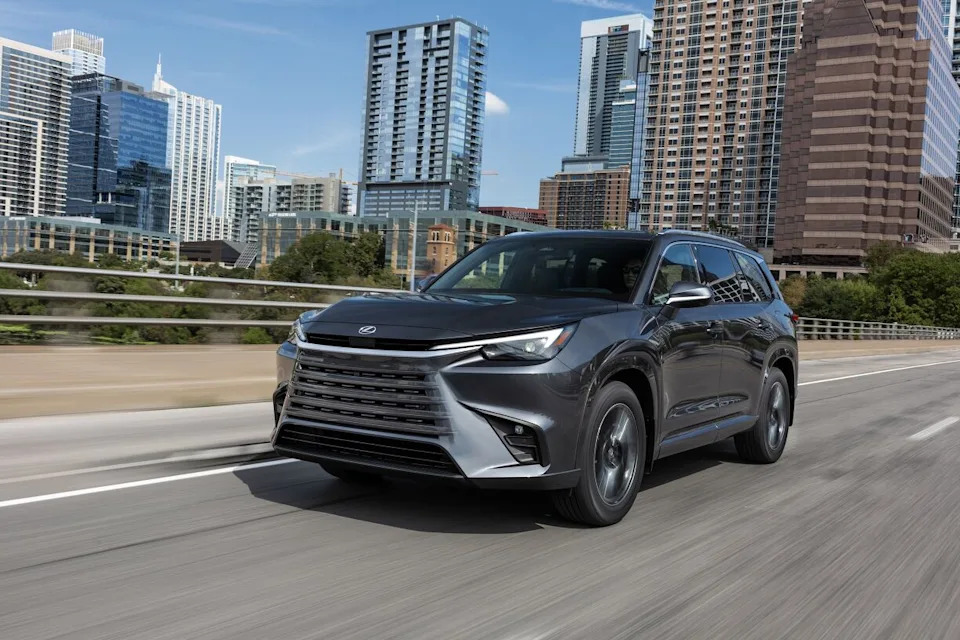
turns out premium fuel might be a scam report, Credit Adam McCullough Shutterstock comCredit: Adam McCullough / Shutterstock.comFor decades, the automotive market has maintained an unspoken hierarchy: if you step up to a luxury vehicle, you step up to premium fuel. The common assumption is that higher-octane gas delivers tangible benefits in performance, refinement, or efficiency. However, recent empirical testing by Consumer Reports reveals that for many modern vehicles, the mandatory premium fuel requirement provides virtually no measurable real-world advantage.The Mechanical Reality Behind Octane RatingsTo understand why this issue matters, it is necessary to look at what octane actually does. Octane is not a measure of energy content or power; it is an additive that measures a fuel's resistance to premature ignition, commonly known as engine knock.When air and fuel are compressed inside an engine cylinder, high temperatures and pressure can cause unburnt gases to detonate prematurely. This produces a distinct metallic pinging sound and, over time, can damage pistons and cylinder heads. Higher-octane fuel (typically 91 or 93 octane in North America) resists this premature detonation, allowing high-compression or turbocharged engines to run at peak efficiency under heavy stress.Modern downsizing trends have amplified this dynamic. Automakers are replacing naturally aspirated six-cylinder engines with forced-induction 2.4-liter turbocharged four-cylinder units across both mainstream and luxury lineups. Because turbocharging increases cylinder pressures and combustion temperatures, engine designers must carefully manage timing parameters to mitigate knock risk.turns out premium fuel might be a scam reportThe Test: Lexus TX 350 vs. Toyota Grand HighlanderTo measure whether a premium fuel mandate yields practical performance, Consumer Reports evaluated two mechanically related three-row SUVs sharing the exact same base platform and engine family (the 2.4-liter turbocharged T24A-FTS inline-four):2024 Lexus TX 350 Premium AWD: Mandates minimum 91-octane premium fuel. Engine software tuning yields an advertised 275 hp and 317 lb-ft of torque.2024 Toyota Grand Highlander 4WD XLE: Requires standard 87-octane regular fuel. Engine output is rated at 265 hp and 310 lb-ft of torque.Both vehicles underwent standardized testing after a required 2,000-mile break-in period, using inline fuel meters and high-precision GPS data loggers.Specification / Test MetricToyota Grand Highlander XLELexus TX 350 PremiumEngine Configuration2.4L Turbo 4-Cylinder (T24A-FTS)2.4L Turbo 4-Cylinder (T24A-FTS)Fuel Grade Required87 Octane (Regular)91 Octane (Premium)Advertised Output265 hp / 310 lb-ft torque275 hp / 317 lb-ft torqueCompression Ratio11.0:111.0:10–60 mph Acceleration8.0 seconds8.1 secondsOverall Fuel Economy22 mpg21 mpgDespite an advertised 10-horsepower advantage on paper, the Lexus TX 350 registered a 0.1-second slower 0–60 mph time than the Toyota Grand Highlander. Overall fuel economy favored the regular-fuel Toyota by 1 mpg.In a secondary evaluation comparing a 2023 Toyota Highlander with a 2023 Lexus RX 350 (which weighed 105 pounds less than its Toyota sibling), the Lexus was 0.2 seconds faster to 60 mph and gained 2 mpg overall. However, because premium fuel costs roughly 25% more than regular gas nationwide, the operating costs of the Lexus remained significantly higher.Why the Gap Between Specs and Street Performance?According to automotive engineering experts, advertised output figures are typically recorded at wide-open throttle near the engine's redline. In daily driving-such as stop-and-go commuting, cruising at highway speeds, or light acceleration-engines rarely operate at maximum output.Automakers often tune engine control modules (ECUs) to push timing parameters to the maximum threshold to claim higher peak horsepower ratings on marketing spec sheets. To protect the engine under extreme scenarios (such as maximum-load towing or track driving), manufacturers issue a blanket mandate for premium fuel in owner's manuals. For the everyday driver, however, those extra few horsepower at 6,000 RPM do not translate into a noticeable performance bump.Financial Impact and Manual AmbiguityThe financial penalty for choosing a premium-required luxury SUV is substantial:Annual Cost Difference: Fueling a vehicle like the Lexus TX 350 can cost over $600 more per year compared to its mainstream Toyota counterpart.Five-Year Cost Gap: Over a standard five-year ownership cycle, the price delta between 87-octane regular and 91/93-octane premium can add up to more than $3,000 in total operating costs.Used Car Market Impact: Second-hand buyers attracted to rapid luxury depreciation are often caught off guard by high ongoing fuel costs that offset upfront savings.Compounding the problem is confusing owner's manual language. More than 30 recently tested vehicles feature vague fuel guidelines or strict conditional statements:Audi notes that if regular fuel is used, vehicles should only be driven under low engine loads in the middle RPM range.Nissan allows partial fill-ups of 87 octane in the Z sports car, provided it is not driven hard and is refueled with 93 octane as soon as possible.Mercedes-Benz and Porsche permit "temporary" or "emergency" use of regular gas without specifying exact operational limits.Practical Guidance for BuyersRequired vs. Recommended: If an owner's manual explicitly requires premium fuel (warnings of potential engine damage or voided warranties), drivers should strictly follow the mandate. If a vehicle merely recommends premium, using 87 octane regular fuel is safe for standard driving duties unless the vehicle is towing heavy loads or operating in extreme heat.Consider Hybrids: Hybrid powertrains rely on electric torque motors to assist during high-load acceleration. This reduces mechanical strain on the gasoline engine during peak detonation risks, allowing many hybrids to deliver higher output on regular 87-octane fuel.Evaluate Total Cost of Ownership: Before purchasing a luxury crossover, check the fuel filler door or manual to verify fuel requirements. Unless you are buying a dedicated sports car designed for track usage, paying a 25% premium at the pump may yield no functional return on investment.



















 +62 others