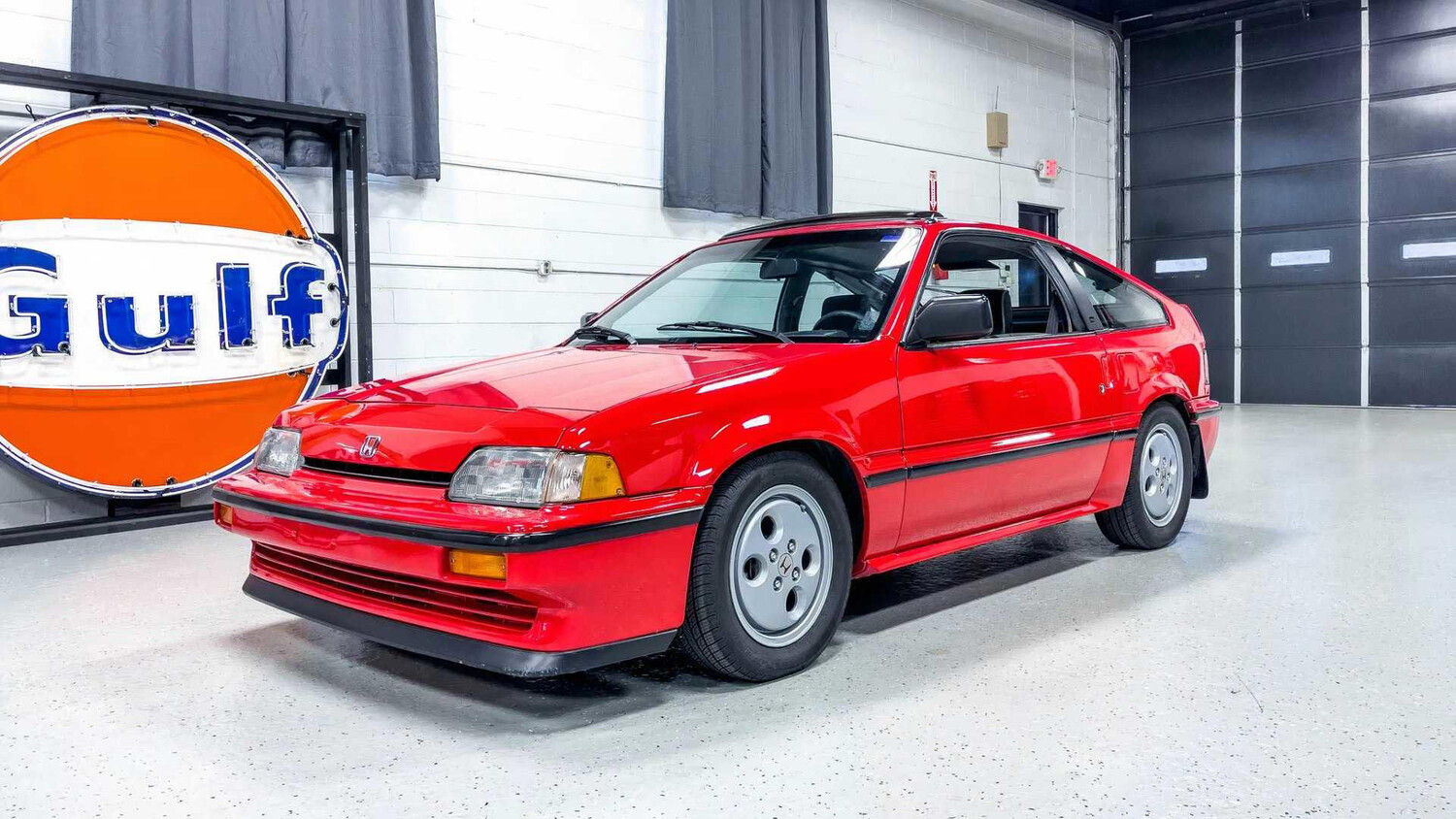
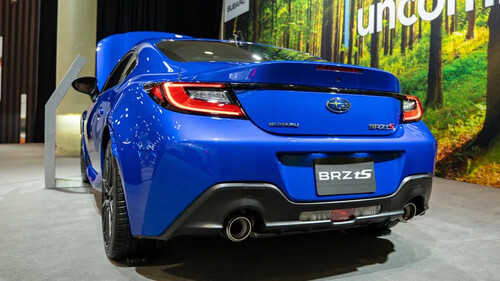
Ask enthusiasts what made the great performance cars of the past special, and you'll usually hear answers involving horsepower, speed, or racing success. But one of the most influential cars Honda ever built became an icon by focusing on something entirely different. At a time when many automakers were chasing bigger engines and more features, Honda created a lightweight, efficient, affordable machine that delivered an engaging driving experience without relying on brute force. Decades later, its formula remains surprisingly relevant, and its enduring popularity reveals a forgotten truth about what drivers actually value most.The forgotten truth isn't that the Honda CRX was fast; it's that Honda created a car that combined lightweight engineering, exceptional fuel economy, affordability, reliability, and genuine driver engagement in a way few modern vehicles can match. The qualities that make many small roadsters popular today were fully present in the CRX, which was only available from 1984 to 1991. That was long enough to see nearly 400,000 models produced and for the CRX to be gobbled up quickly every time someone had a Honda CRX for sale in their front yard. It Became A Performance Legend Without Chasing Big Horsepower Lightweight Engineering Was The Real Secret Bring-a-Trailer The Honda CRX appeared to be a Civic coupe with the rear section removed and the wheelbase shortened. Who would have known that this would be the recipe for driving fun at highway speeds? This build gave the car a sportier look, but then Honda tightened the suspension tuning and improved the aerodynamics, creating a small sports coupe that quickly became a huge hit.The CRX spanned two generations: the first began in 1984, and the second began in 1988. The secret to sporty fun in this little Honda came from the lightweight build. It weighed between 1,713 and 1,953 pounds, depending on the trim level, making it one of the lightest cars on the market at the time. This light build meant the car didn’t need massive power to be fun to drive. The CRX Delivered Real Driving Fun At Everyday Speeds Drivers loved the Honda CRX for its honesty. It wasn’t trying to be anything more than a fun little car that could be a pleasure to drive on the road. It came in a range of configurations, from efficient with the HF models posting 56 mpg on the highway to the Si model, which became the sporty, fun standout many never saw coming.Besides its lightweight build, the Honda CRX featured double-wishbone suspension front and rear, which allowed the car to respond extremely well during cornering. This was the real secret to driving fun on the highway, with many CRX owners seeking out the winding backroads to increase the pure pleasure of tossing this little Honda about in the curves. Honda Accidentally Created One Of The Most Efficient Enthusiast Cars Ever Fuel Economy Was Shockingly Good Even By Today’s Standards Bring a Trailer Honda had already proven it could build more efficient cars than most American automakers through the 1970s, but the Honda CRX was something shockingly different. The CRX wasn’t meant to be as efficient as it turned out to be, but the small engine build and low curb weight translated to an impressive 32 mpg combined in standard models. This inspired Honda to build the HF model, which received an official EPA rating of 51 mpg city and 67 mpg highway (42 city/51 highway by current EPA testing methods), which was better than the 2011 Honda CR-Z Hybrid, a descendant of the CRX. It Proved Efficiency Didn’t Have To Be Boring Bring A Trailer Early versions of the Honda CRX Si, the sportiest trim, used a 1.5-liter four-cylinder engine with nothing but pure, honest power. That power only reaches 91 horsepower and 93 lb-ft of torque, but, hey, it was the 1980s, and power was way down for most cars. This little engine mated with a five-speed manual transmission, allowing the car to reach 60 mph in 8.7 seconds, which is respectable for the decade. Finishing a quarter-mile run takes 16.2 seconds at 81 mph — pretty good for an underpowered, shortened Civic.The second-generation CRX brought more power and speed into the mix. A 1.6-liter four-cylinder engine powered the front wheels via a five-speed manual transmission. This power reached 108 horsepower and 100 lb-ft of torque, which was a significant increase over the first-gen models. This was good enough to reach 60 mph in approximately 8.5 seconds and finish a quarter mile in approximately 16.0 seconds. The CRX Helped Define Honda’s Golden Age Reputation Honda Engineering Earned Massive Credibility Through Cars Like The CRX Honda The Honda Civic had already earned a strong reputation for efficiency and impressive engineering, but the CRX reinforced the brand’s reputation for reliability, precision engineering, and high-revving engines. Honda was rapidly growing in America, and the CRX gave Americans a fun road car that was also extremely efficient and attractive.Seeing a Honda CRX for sale in neighborhoods and on used car lots gave many young buyers a great way to get to know and understand a truly impressive small car. It had to compete with the Datsun 280ZX, Pontiac Fiero, and Mazda RX-7, but the little Honda stood out for its efficiency, reliability, and affordability. The CRX Si Became A Blueprint For Future Honda Performance Cars Bring A Trailer The success of the Honda CRX set the stage for future small performance cars from the brand. The Si moniker became a performance stamp for lightweight, four-cylinder, rev-happy cars with lightweight chassis tuning and plenty of gusto for fun on the road.Without the CRX, the Civic Si and sporty versions of the Acura Integra might not have been possible. Today, the CRX has become a legend in tuner circles and among enthusiasts seeking a small car with pure, honest driving manners that make the road more engaging and fun. Modern Collectors Suddenly Realized What Was Lost Clean CRX Models Are Becoming Increasingly Difficult To Find Bring a Trailer Unlike cars of intrinsic value, like an early Porsche 911 or Ferrari, the Honda CRX wasn’t valued during its time or in the years that followed. While some drivers recognized its importance and value, mass production, low price, easy driving, and the proliferation of models made it a great daily driver that many owners, unfortunately, abused.After four decades, finding a clean, well-maintained Honda CRX for sale is extremely difficult. There was a time when a used CRX could be found in most neighborhoods at an affordable price, but that’s no longer the case. In today’s market, stock versions of the CRX Si and HF models are becoming collector targets, and auction prices are on the rise as enthusiast demand for the CRX and what it represents increases. Enthusiasts Miss The Simplicity Modern Cars Can’t Replicate Bring A Trailer The Honda CRX comes from an era before the internet, before electrification, before digital isolation, and before computerization. It never had the added horsepower associated with forced induction or an ECU to monitor its performance. It comes from a time when manual transmissions were considered more efficient than automatics, everyone could handle a car with three pedals and a shifter, and the gauges were analog.This is a time that many enthusiasts want to revive by finding older cars that can be restored or have been kept in good condition. The CRX's direct driving experience was everything. It reflected the driver's true skill and experience rather than relying on computerized nannies and sensors with annoying warning signals. For these reasons, some younger enthusiasts are rediscovering the CRX and other older Hondas, regaining the skill, experience, and feel that can only come from tactile driving. The CRX’s Greatest Truth Is That It Solved Problems Modern Cars Created It Prioritized Balance Instead Of Excess Bring A Trailer Some automakers have utilized the Honda CRX’s formula in modern roadsters. The Toyota GR86, Subaru BRZ, and Mazda MX-5 Miata are all simple, honest sports cars. Although these cars have modern amenities, because they can’t be sold without some of them, the CRX formula of affordability, reliability, efficiency, and driving excitement is evident, showing how the CRX paved the way without being overly powerful, expensive, or complicated.The Honda CRX was a huge success because it avoided the troubles that have plagued many modern cars. It never had the unnecessary complexity of modern cars, making it possible for owners to handle maintenance and repairs on the CRX, which might not be possible with some modern vehicles. The CRX delivered the complete package without sacrificing or specializing, which made it special. The CRX Became An Icon By Being Honest About What Drivers Actually Needed Do you need an overpowered luxury car? Is it a requirement that your car be flashy and grab onlookers’ attention? If so, the Honda CRX would not have been for you. It was a simple, honest, and direct car that created long-term emotional attachment among enthusiasts. The CRX is one of those cars that evoke nostalgia among original owners who might now regret selling it.The forgotten truth that made the Honda CRX an icon wasn't a revolutionary engine or record-breaking performance numbers. It was Honda's commitment to a simple formula that prioritized lightweight fun, efficiency, affordability, and driver involvement above everything else. Long before cars became larger, heavier, and increasingly complex, the CRX proved that an engaging driving experience didn't require massive horsepower or expensive technology. That's why enthusiasts still celebrate it decades later. The CRX wasn't just ahead of its time; it represented a philosophy that much of the industry left behind, making its legacy more relevant today than ever.Sources: Grassroots Motorsports, Green Car Reports