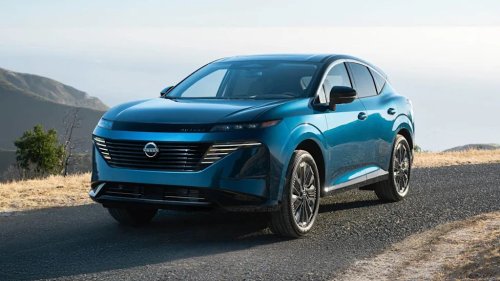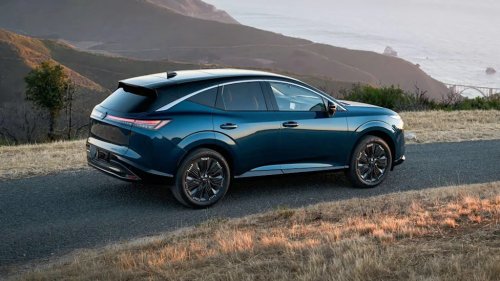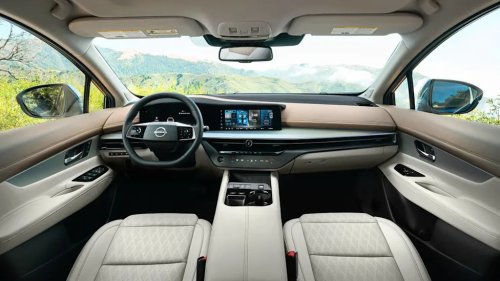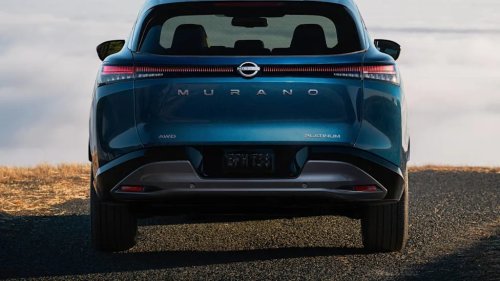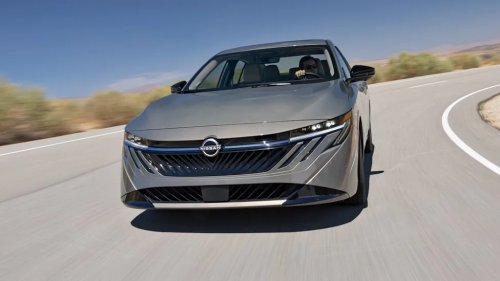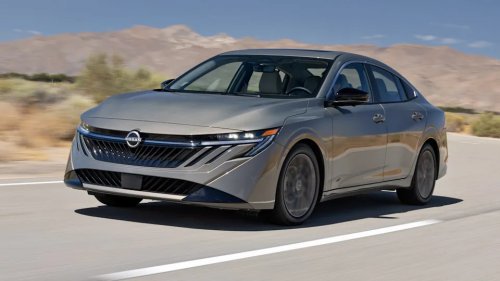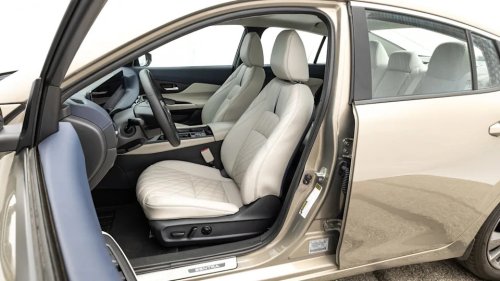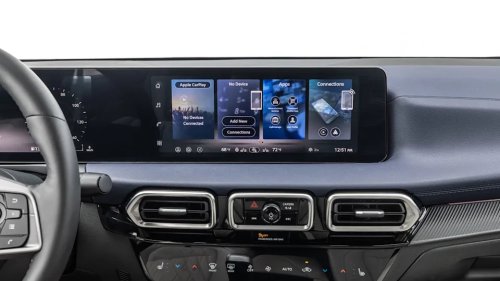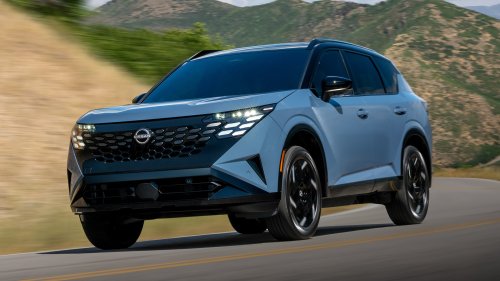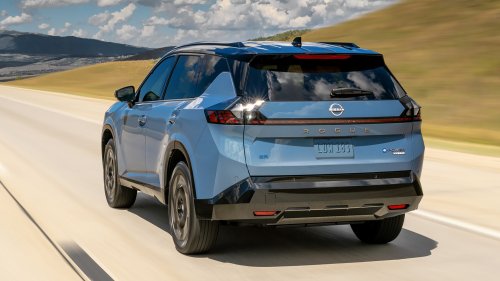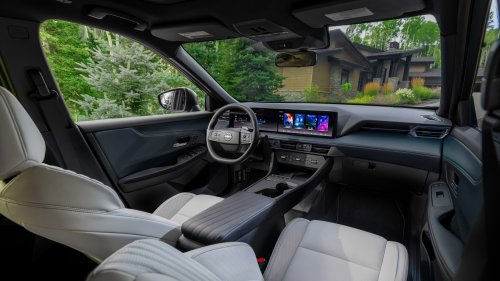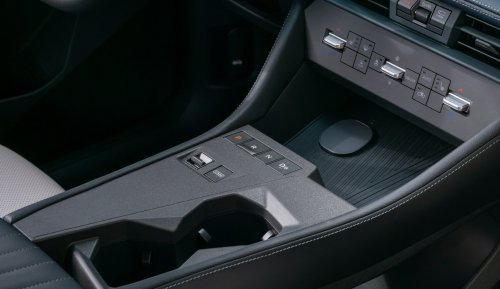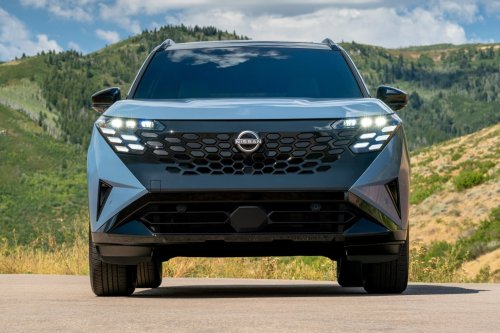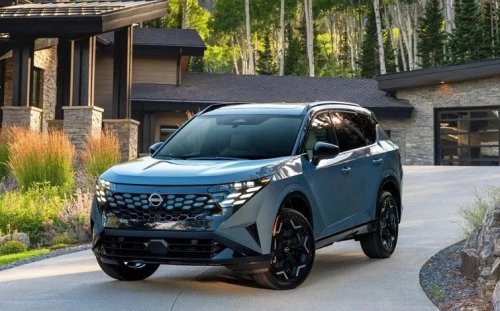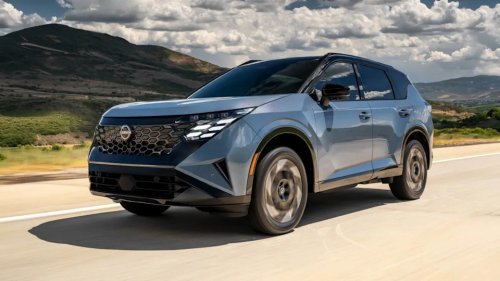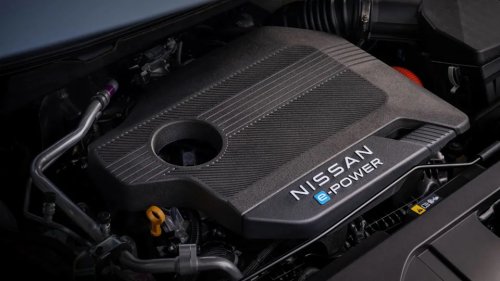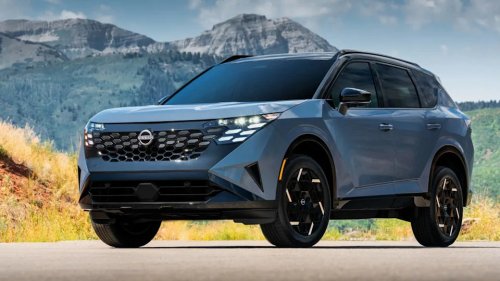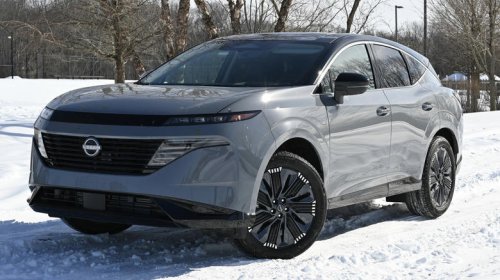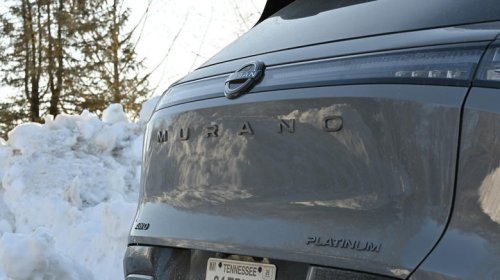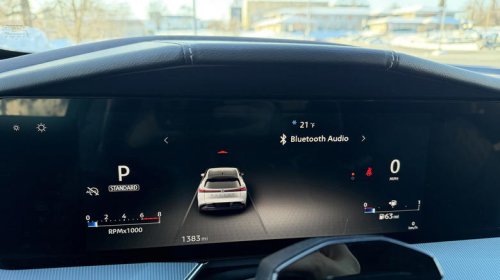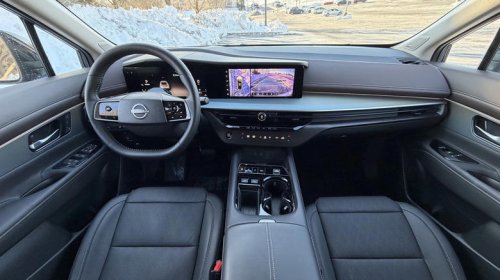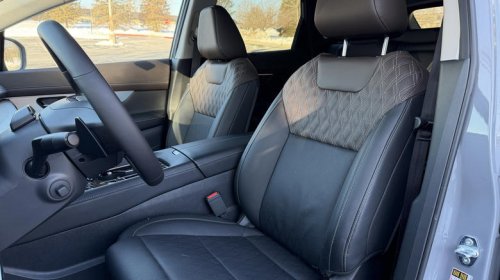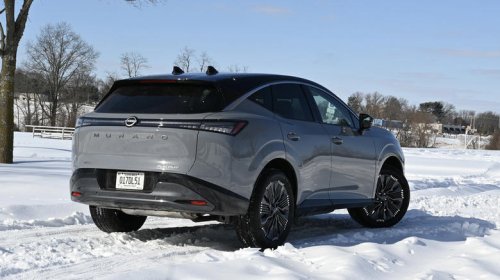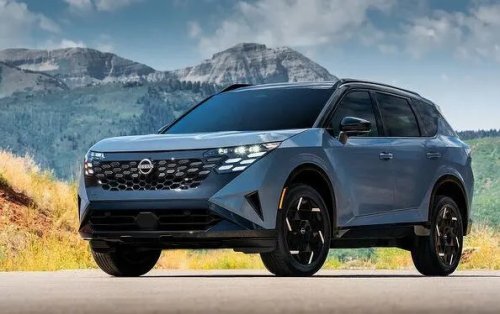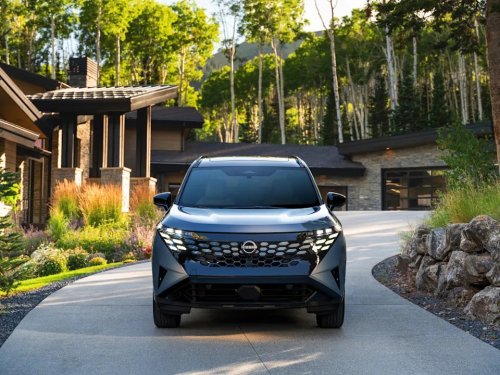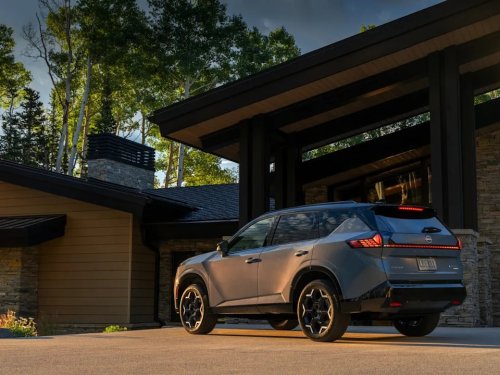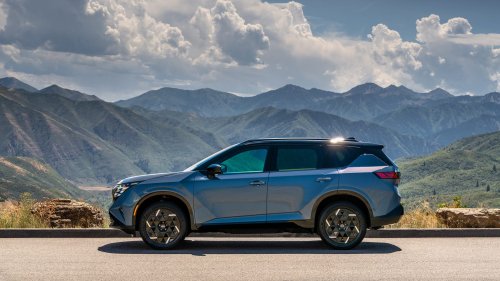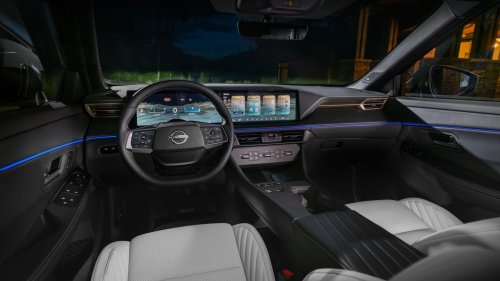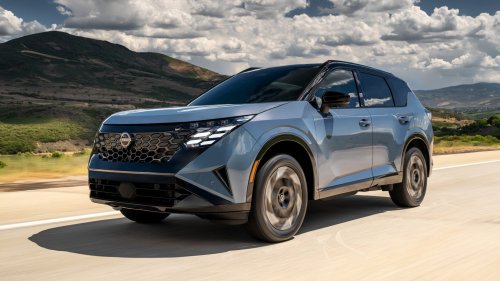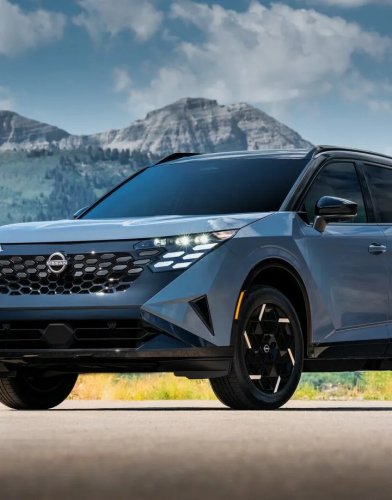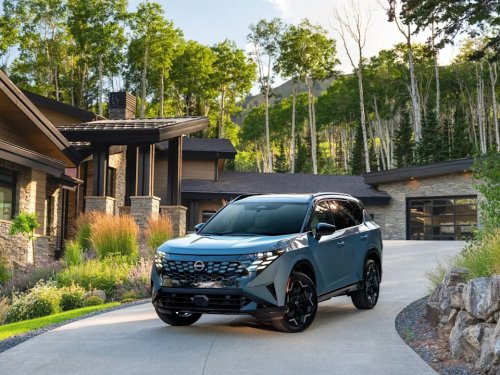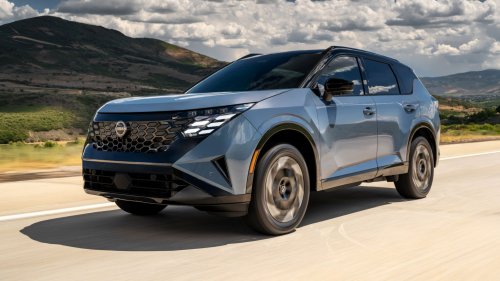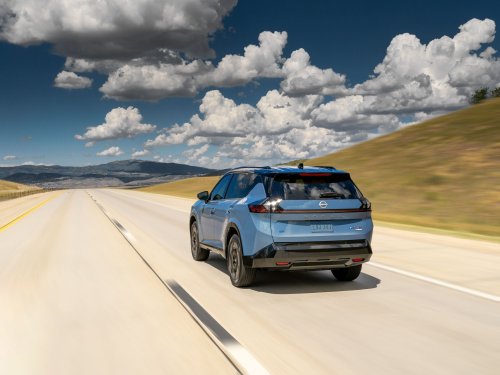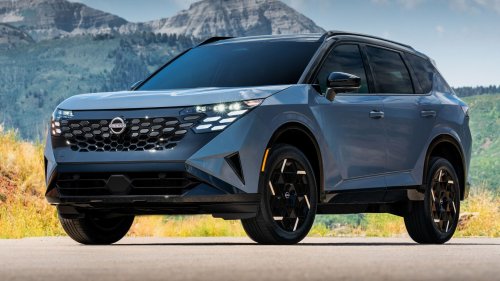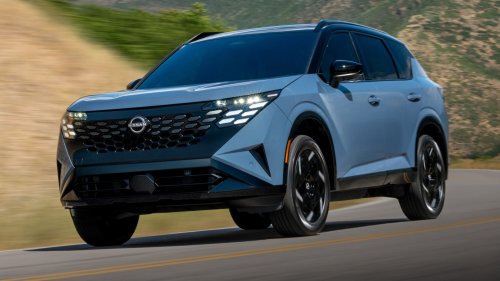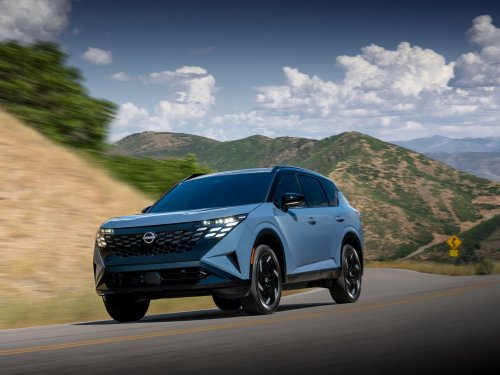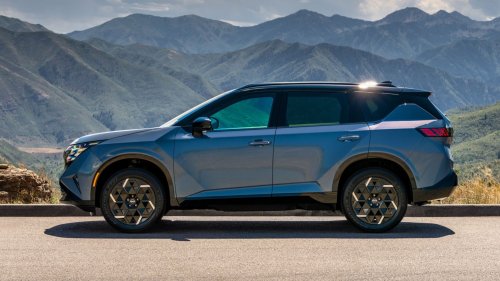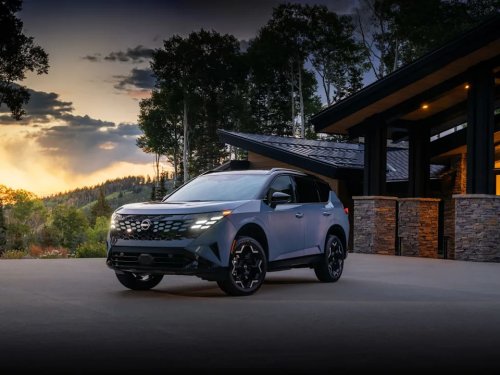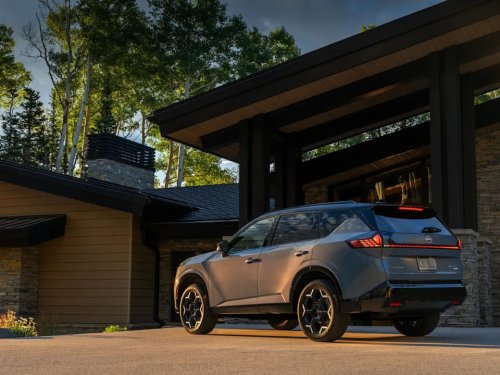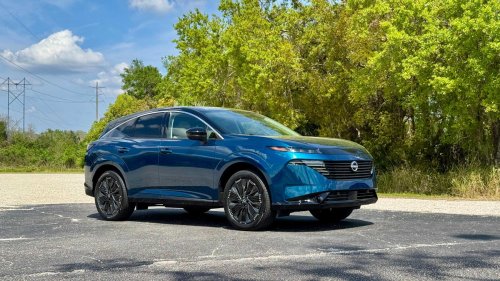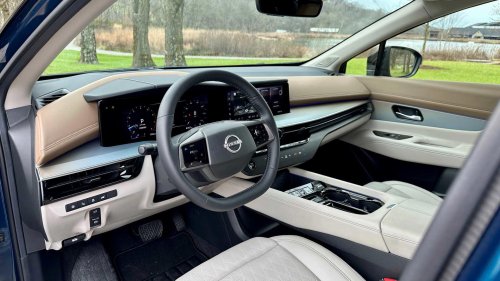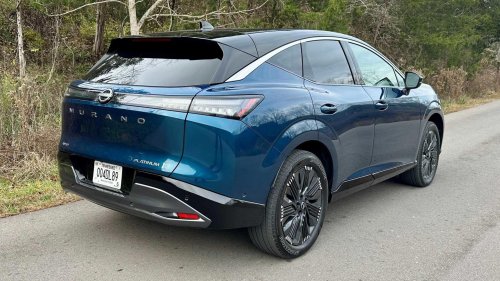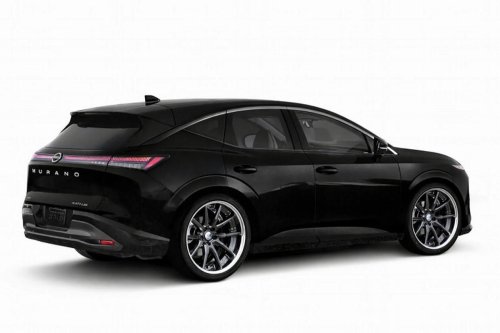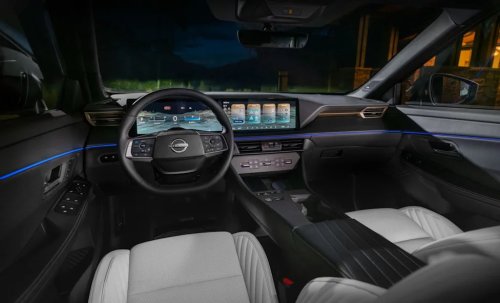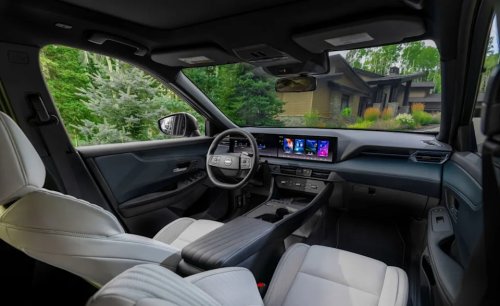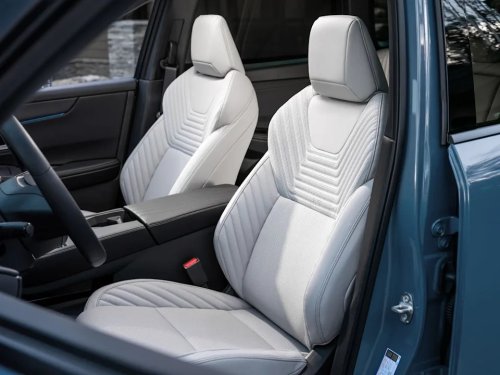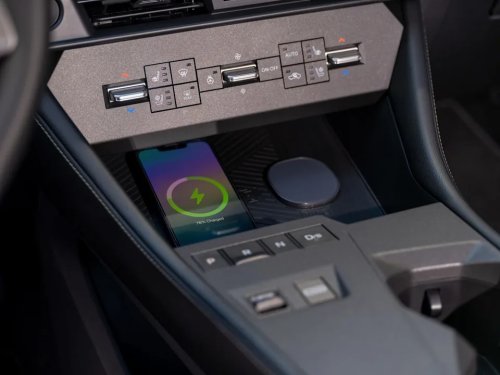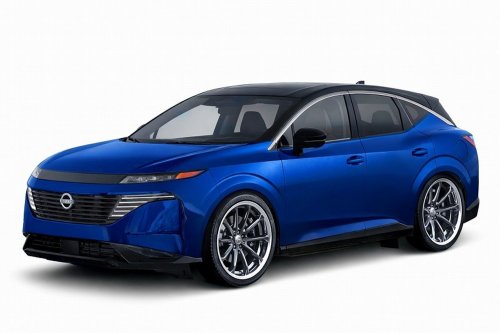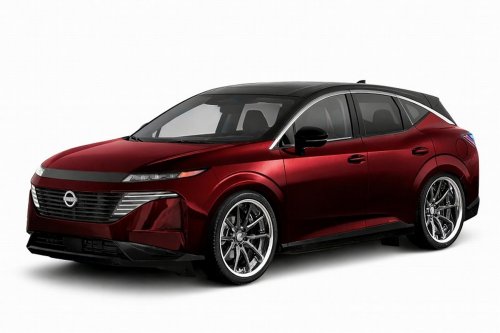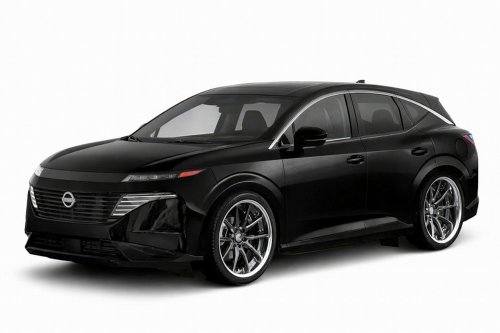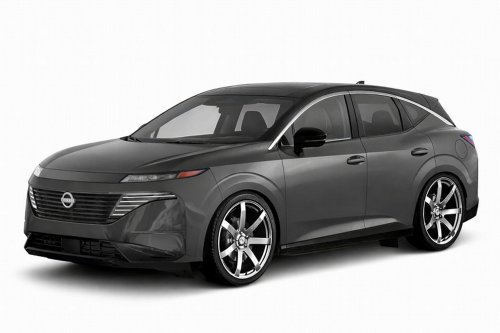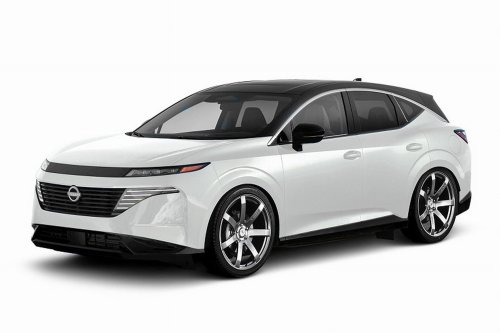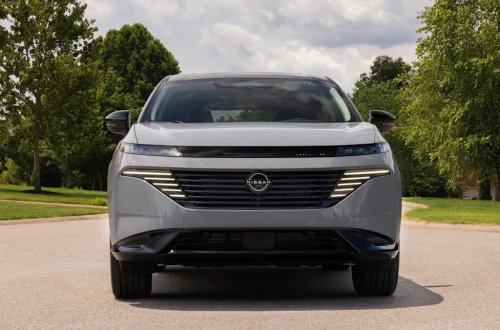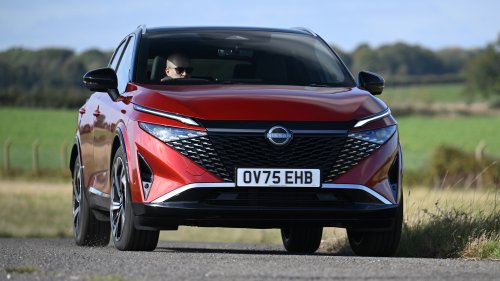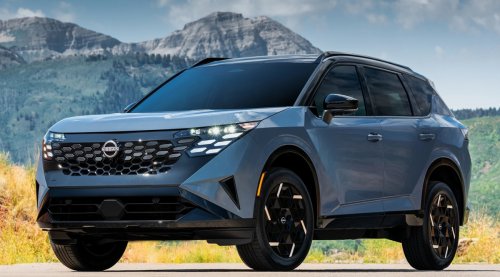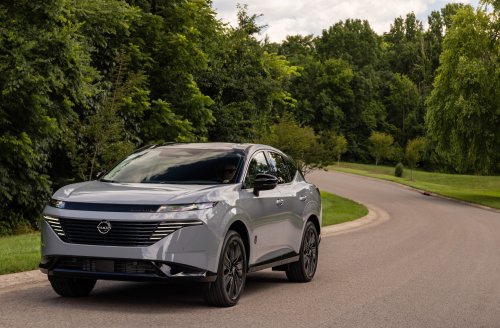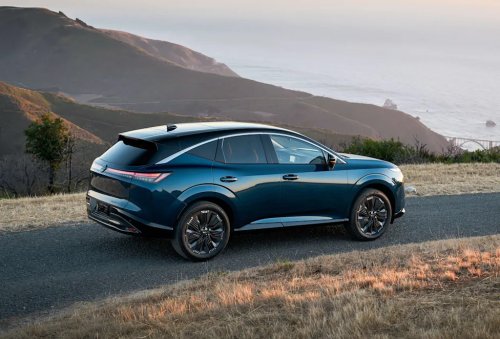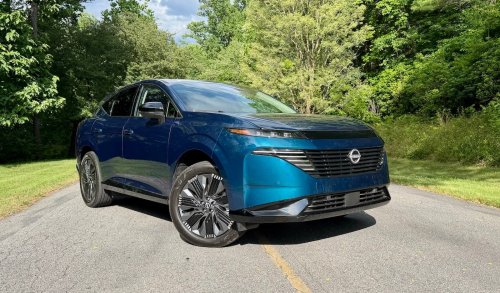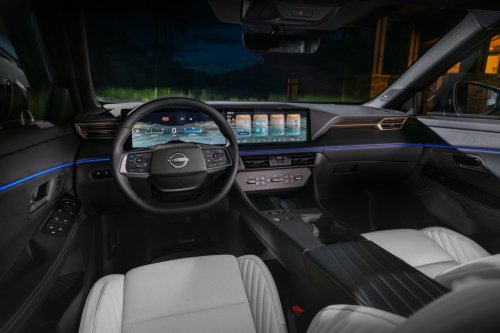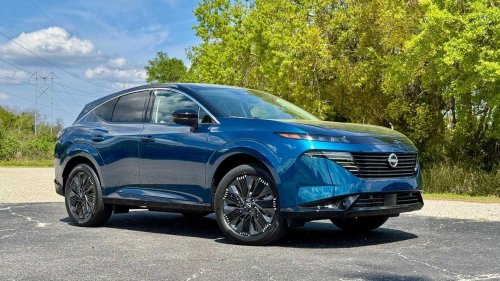
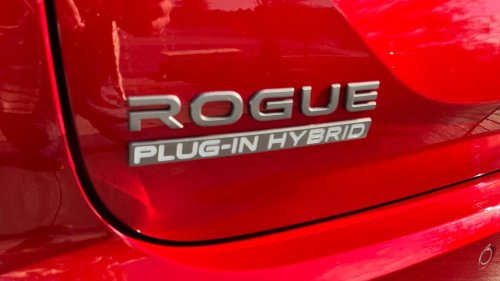
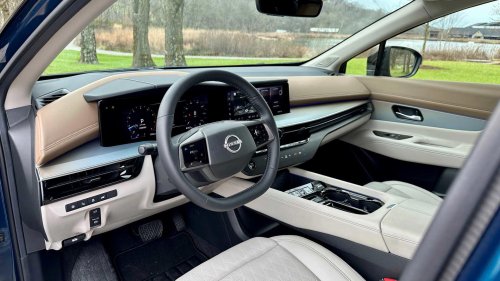
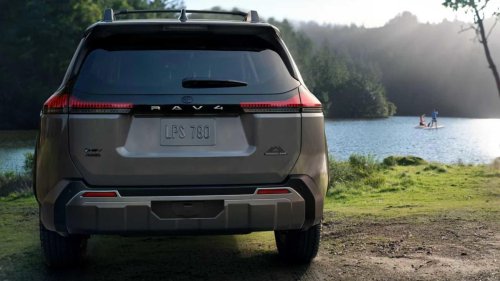
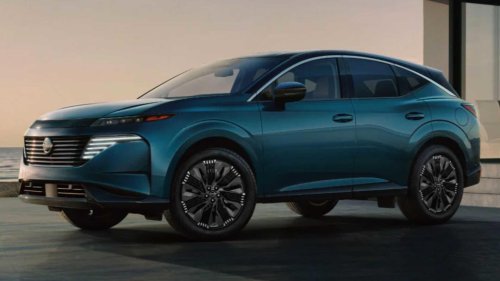



















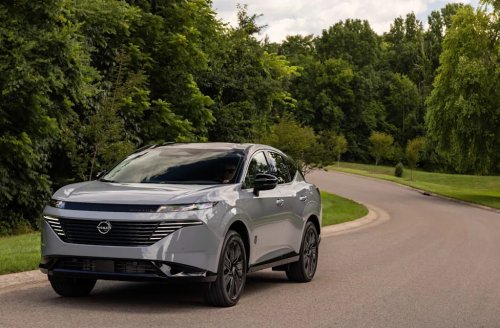

At first glance, you'd say that Nissan couldn't possibly be wrong to put real effort behind the Murano. After all, it effectively left things lingering from the 2015 through to the 2024 model year and by that time the Murano absolutely needed a proper reset.The bigger question revolves around Nissan's more urgent weaknesses in the USA and whether a better Murano actually does much to help that cause. The company's real pressure point is not whether it can build a more appealing two-row mid-size crossover but whether it can put up a stronger fight in the higher volume parts of the market.Yes, the Murano itself is more convincing than before, and it finally has the kind of tech and safety that buyers demand in a modern family SUV. But should Nissan be putting its emphasis on this particular vehicle and segment and not focusing more on the bigger pressure points in the field? The Murano Itself Is Not A Mistake Jared Rosenholtz/CarBuzz/ValnetThe new Nissan Murano finally feels like a serious contemporary product and a strong competitor. The company gave it a full redesign for 2025, getting rid of the old setup and introducing a 241-hp VC-Turbo four-cylinder and a nine-speed automatic. It added dual 12.3-inch displays, available Google connectivity, and a fresher and more upscale cabin.You could also get ventilated and massaging front seats if you wanted them and, overall, the Murano felt far more premium. To cap it off, the IIHS gave the Murano a Top Safety Pick+ award, which gave additional credibility to the project and showed that Nissan has obviously improved this crossover in meaningful ways.The 2025 Murano came with a starting MSRP of $40,470 for the FWD version and $41,470 for AWD. EPA data suggests that it can return 23 MPG combined in both FWD and AWD form, so it's not the thirsty vehicle it once was. It also seems to be quite competitive at a straight-line pace, with one tester recording a 0–60 mph time of 7.2 seconds on the way to a 119-mph governor-limited top speed.And when you look at Nissan's improvements in the round, you can see that the Murano is a demonstrably better product now. So, when it comes to just the vehicle in isolation, Nissan made the right decisions. The bigger issue is what that effort means in the context of its larger US challenge. Nissan's Bigger Problem Is Elsewhere Joel Stocksdale / CarBuzz / ValnetElectrified crossovers seem to be where the action is, and Nissan has been slow to join that party. By contrast, Toyota reports that electrified vehicles make up 47% of its US sales, while Honda reckons that such vehicles account for a third of its 2025 output. The Honda CR-V alone sold over 400,000 units and 54% of that sales figure came from hybrid models. By contrast, Nissan is only now launching its first US plug-in hybrid model, with the suitably attired Rogue landing in 2026, followed by an e-Power Rogue hybrid later.When you consider that fuel economy is such a hot topic these days, gaps in performance start to shine a strong spotlight on Nissan's problem. A 2025 Toyota Rav4 Hybrid AWD records 39 MPG combined and a 2025 CR-V Hybrid AWD comes in at 37. By contrast, the 2025 Murano only returns 23 MPG combined and that represents a huge difference. American crossover buyers will certainly notice those figures as fuel prices are always part of the buyer conversation, even when they're not at current crisis levels.While Nissan has done a lot of sterling work to improve the Murano's cabin quality, ride quality, and styling, it doesn't have a vehicle to truly compete in the hybrid-heavy center of the market. Meanwhile, its biggest Japanese rivals went deep and went early and are now freely making electrification feel normal rather than experimental or premium. The Murano Serves A Narrower Market Nicole Wakelin/CarBuzz/Valnet Part of the broader problem is that the Murano is not really serving the hottest part of the market. As a two-row, five-seat midsize crossover with a base price above $40,000, it's outside the big compact crossover class, which is where a lot of the meaty sales take place. 2025 US model sales data suggests that the Murano sold 42,747 units but elsewhere and by contrast, the Honda CR-V hit 403,768 and the Toyota Rav4 recorded 479,288. In that same heavyweight segment Nissan's current non-electrified Rogue sold 217,895, which is quite a long way behind the others. Crucially, this shows that the Murano is not making much of a big-picture impression and could even be diluting some of the company's focus.The Murano only accounts for about 4.6% of Nissan Group's 2025 US sales, while the Rogue accounts for about 23.5%. And those statistics by themselves confirm that the Murano can't do much to fix Nissan's broader US urgency, no matter how much the company has improved it. Even if Nissan has a strong Murano year, it's not really going to affect much of the brand's volume picture. But by contrast, if Nissan's Rogue hybrid strategy hits the big time, it could make a much bigger impression on the bottom line and the company's fortunes.Clearly, it's a good idea to be competitive in every segment of the market if you can and in its specific space, Murano can still be effective. But in putting so much effort into the Murano, Nissan is effectively sprucing up a specialty tool and not addressing the bigger commercial need. A Better Murano Does Not Solve Nissan's Urgency Toyota Nissan is undoubtedly falling behind its main Japanese competitors in terms of its total US sales. Its growth in 2025 barely registered, moving up just 0.2% to 926,155 units. Meanwhile, Toyota had an 8% increase in US sales in 2025, and its electrified vehicle lineup represented 47% of that volume. Honda posted record electrified sales in 2025 as well and the CR-V hybrid was a big part of that story. It seems clear that consumer energy is focusing on hybrid sales in important industry segments and Nissan needs to show that it can up its game there. It needs to focus on its core lineup to do so and not merely polish over one of its more niche crossovers.A significant number of mainstream Americans seem to want compact family crossovers, and this is the area where Toyota and Honda are the strongest. Nissan has undoubtedly been very late trying to compete in this area, and it remains to be seen how quickly it can catch up. Meanwhile, its Murano is certainly giving the company an attractive showroom presence in the mid-size two-row class with a smoother, richer, and more technologically credible offering than before. But while the Murano may help brand perception on the fringe, it doesn't do much about Nissan's center of gravity. Nissan May Be Right On The Car But Wrong About The Timing Nissan Nissan did the right thing in significantly updating the Murano and the new one is certainly more premium, competitive, and relevant than the crossover it replaced. In that respect, Nissan was definitely not wrong to push the Murano and if it had left it to stagnate any longer, it might not have survived at all. Still, it's reasonable to question Nissan's emphasis and timing, especially when people are paying so much attention to the company's overall story.Nissan does have a new roadmap that points in the right direction, including its Rogue plug-in hybrid and e-Power Rogue hybrid. This shows that the company understands the issue and knows that the real fight is not in the mid-size crossover segment but in the area where the big boys play. Hundreds of thousands of Americans are now tending to buy fuel-efficient crossovers every year, but in a very specific segment, and the fresh Murano seems to have come along at a strategically awkward moment.So perhaps Nissan was not wrong to believe in the Murano from one perspective, but it would certainly be wrong if it treated that vehicle as evidence of progress. Its bigger US product problems are still there and while the Murano is a much nicer vehicle now, the company's next fight is going to be a far tougher proposition.