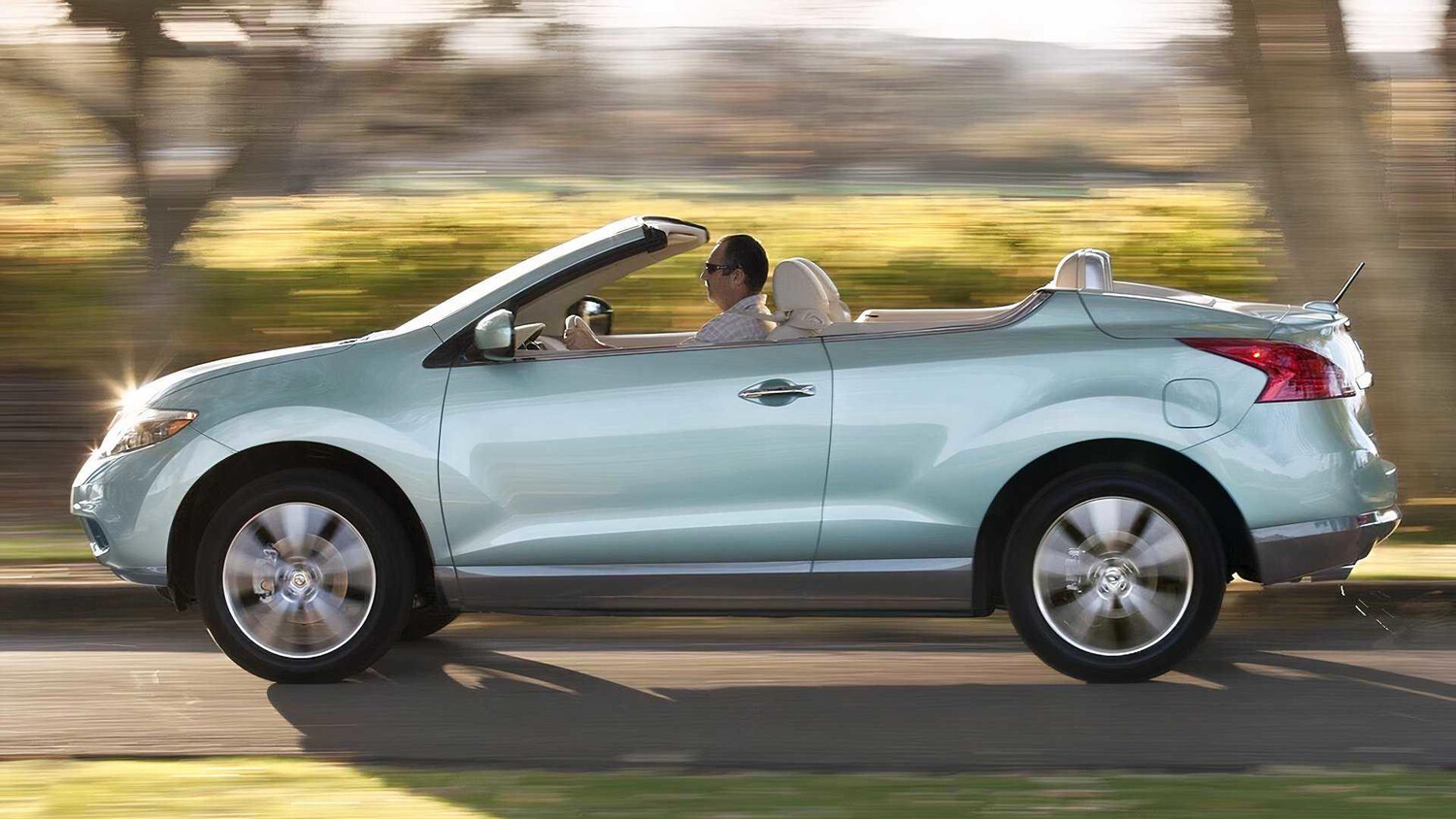
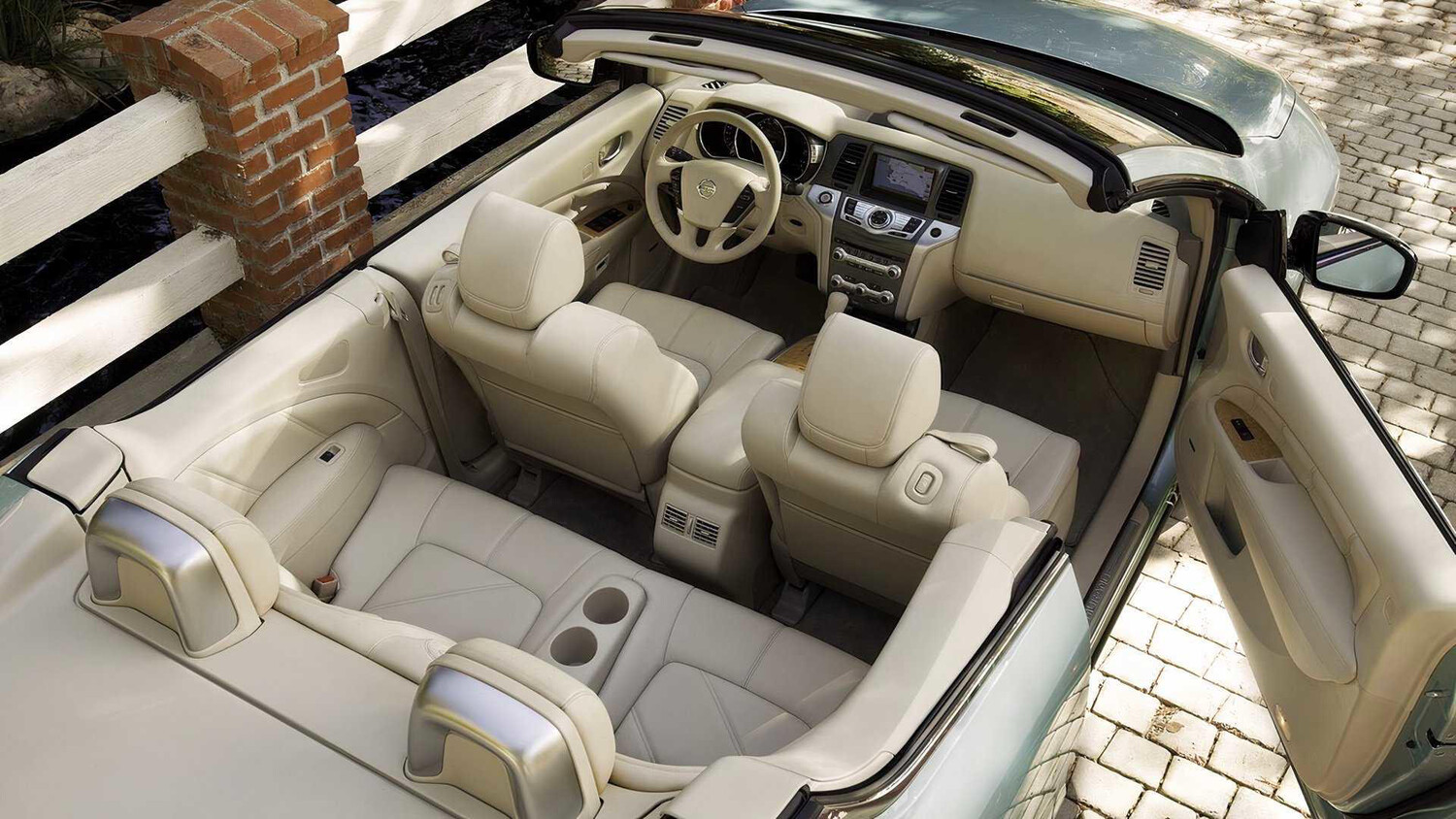
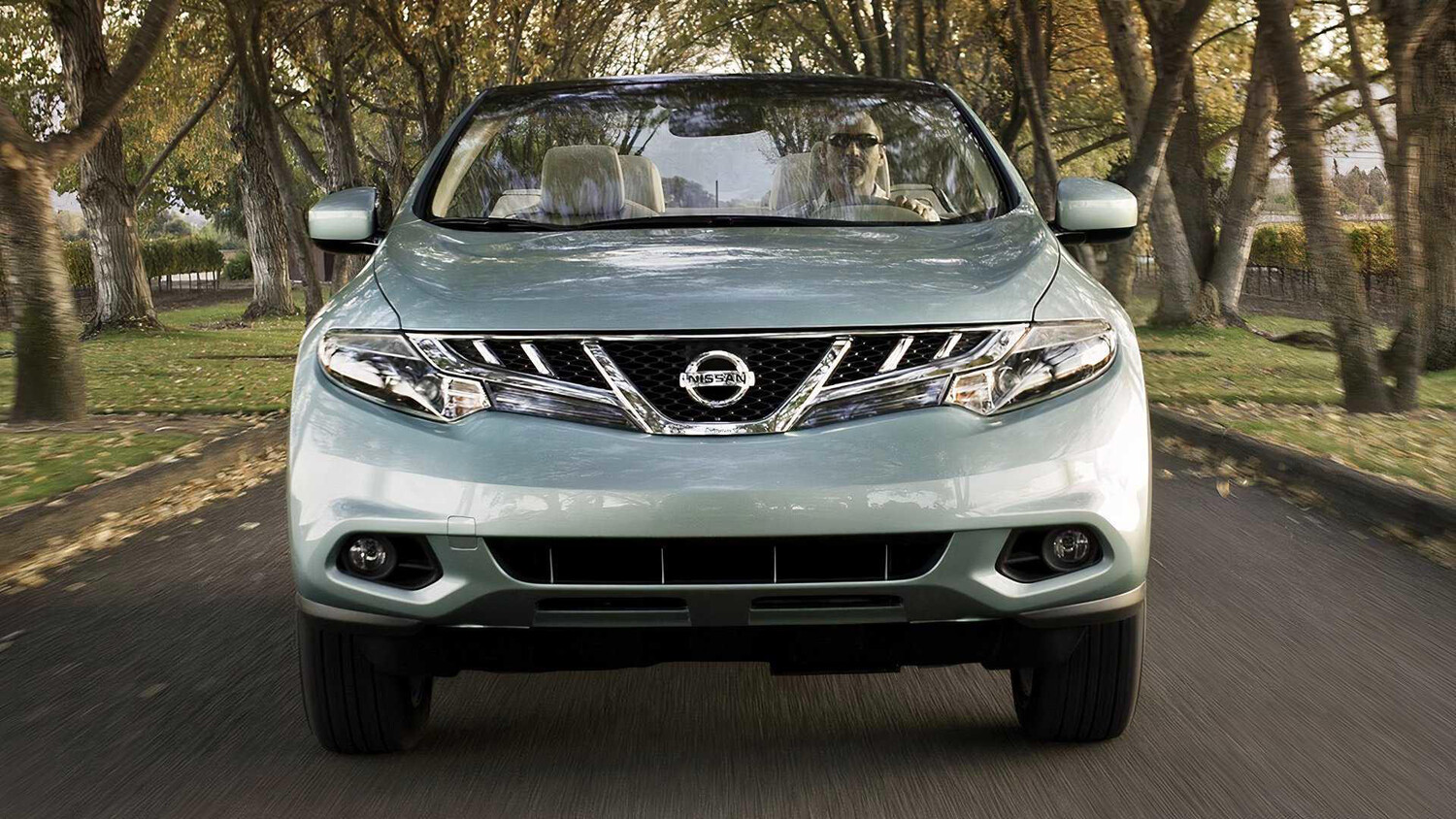
In 2010, Nissan came up with a novel concept car: a 265 hp, all-wheel-drive SUV, turned into a two-door convertible. They called it the Murano CrossCabriolet, and it was marketed as 'the world's first crossover convertible.' It went on sale in North America in 2011, costing more than a BMW X5 xDrive35i.It certainly was a brave move. Nissan challenged the status quo, providing the public with a left-of-field, one-of-kind car that aimed to carve out its own, unique niche among fashion-conscious buyers who wanted extra ground clearance and all-weather capability. Ultimately, it failed to attract enough sales, with less than 6,000 cars made before Nissan discontinued it in 2014.Yet, Volkswagen's European-based T-Roc Convertible has been a top seller in the overall cabriolet market. Did Nissan inadvertently pave the way for the T-Roc's success, or will it forever remain known as one of Nissan's worst design disasters? Nissan Shoots For The Stars NissanThe story goes that Carlos Ghosn was the Nissan executive that insisted on the creation of the Murano CrossCabiolet after his wife at the time expressed her need for a practical, SUV-style cabriolet with all-wheel-drive. The controversial former Nissan CEO was famously arrested in Japan in 2018 for financial misconduct, then escaped the country to Lebanon in a Hollywood-style plot. Apparently Ghosn's wife had been driving a Nissan Murano, and she loved the car. She just wanted to add the cabriolet, wind-in-the-hair effect to the deal. And so the Murano CrossCabriolet concept was born.Nissan The CrossCabriolet made its first public appearance at the Los Angeles Auto Show in 2010. By 2011, the car landed on Nissan showroom floors in the USA. The motoring world (mostly) gasped in shock and horror. The CrossCabriolet lost its rear doors, and the front doors were lengthened, along with a body and structure that had to be completely redesigned, from the windscreen to the tail. Chopping the roof off obviously had a serious impact on the structural rigidity, so the chassis had to be strengthened, and roll-over bars had to be installed. This added around 250 pounds. The electrically operated fabric roof not only features a rear glass section, but also a glass skylight to brighten up the premium, four-seat interior, which is decked out in leather.Nissan The Murano's standard 3.5-liter V6 with 265 hp sends power to all four wheels via Nissan's Xtronic CVT gearbox. Which brings us to the dynamic appeal of this cab... and there is not a lot of it at all. With all the extra weight and a suspension designed for comfort, the Nissan is a laid-back performer, preferring to putter along instead of being hustled through some bends. Throw in the premium asking price and the quirky styling, and it proved to be a really tough sell. Still, a lot of folks were intrigued by the SUV-turned-cabriolet. The problem for Nissan was that very few of those intrigued folks were willing to part with the eye-watering $47,000 retail price, back in 2011. Nissan Cuts Its Losses Nissan Nissan Murano CrossCabriolet sales peaked in 2012 with just over 3,700 cars sold in the USA. From there, it was all downhill as interest waned and potential customers opted for either a traditional cabriolet, or a traditional SUV. The half-and-half CrossCabriolet concept was just too radical and quirky for most customers to commit a lot of money on.By 2014, with a new Murano on the horizon, Nissan announced that the CrossCabriolet would not be continued. Around 6,000 units were sold over three years. Today you'll pay around $11,800 for a CrossCabriolet in good condition... a bargain compared to the 2011 rate. In fact, high-mileage examples change hands for a lot less, and while this pricing is certainly good news for fans of the model, it certainly doesn't act to highlight the Nissan as a 'future classic.' Range Rover Has A Go Land RoverIn 2017, Land Rover jumped on the crossover cabriolet bandwagon. The Range Rover Evoque Cabriolet was essentially a blueprint of Nissan's CrossCabriolet, but at least the Evoque was based on the existing two-door Coupe, so it didn't require the same extensive remodeling as the Nissan Murano did.Land Rover The Evoque Cabriolet is powered by Land Rover's Ingenium 2.0-liter, turbocharged inline-four that delivers 240 hp and 251 lb-ft of torque, coupled to a nine-speed automatic gearbox. The Convertible came standard with the brand's all-wheel-drive set-up and Terrain Response system, with four modes: General, Grass/Gravel/Snow, Mud and Ruts, and Sand. However, it is highly debatable if the few Evoque Convertible owners ever bothered to switch between those modes. For the record, the Cabriolet is fitted with an electrically-operated Z-fold fabric roof featuring tension-bow architecture that can fold away in just 18 seconds.At the time, Jaguar Land Rover design guru Gerry McGovern stated in an interview with Top Gear magazine that the Evoque cab was the world's first luxury SUV cabriolet. He also claimed that this cabriolet would attract luxury car buyers. He was wrong on both counts. Say what you will about the Nissan, it certainly was luxurious. And luxury car buyers steered well clear of the Evoque. So much so that Land Rover discontinued the cabriolet after just two years following dismal sales. Clearly, the concept of a crossover cabriolet was a complete and utter waste of money and time. Or was it? Volkswagen Nails It! VolkswagenIn 2022, Volkswagen introduced a new crossover cabriolet in European markets. The highly popular T-Roc compact SUV had been turned into a two-door cabriolet, following exactly the same design philosophy that had seen Nissan and Land Rover eat humble pie. Clearly, the VW product planners had lost the plot, their heads stuck in a hole in the ground.Volkswagen But then the sales reports started rolling in. And it was soon clear that Volkswagen had a winning recipe at hand. In fact, the T-Roc Cabriolet soon became the top-selling convertible in Europe. Yep, of all convertibles. It is only Mazda's feisty little MX-5 roadster that has been able to keep the T-Roc honest in terms of sales, the pair often swapping the number one and two spots over the years. As a result, the T-Roc Cabriolet remains on sale in Europe.So what gives with the T-Roc? Why has it been successful in a niche segment that appeared utterly doomed? Affordability is a major factor. While the Nissan and Range Rover were both premium-priced vehicles, Volkswagen offers the T-Roc cab with a range of engine and specification options, with a current starting price of around $47,000 in the United Kingdom.Engine options range from a one-liter, turbocharged inline-four TSi engine with 115 hp, to a 1.5-liter turbocharged four-pot with 148 hp. You can also have your Volkswagen crossover cabriolet with a six-speed manual or seven-speed DSG gearbox. The T-Roc cab is only available with front-wheel-drive, further saving weight and costs. In short, the VW T-Roc Cabriolet is the right crossover cabriolet with the right specification and options, at the right time, at the right price. And it seems it is far from done as the next-generation T-Roc is due to go on sale in Europe in 2026. Lessons Learned? Nissan It seems as if former Nissan boss Carlos Ghosn was onto something in 2011. But the CrossCabriolet was probably based on the wrong SUV platform, the execution too quirky, and the pricing way too steep. The Range Rover Evoque Convertible was a better attempt, but the premium pricing put it out of reach of most potential clients. And the folks that could afford it did not take to this Temu Range Rover cab effect at all, preferring the 'real' Range Rover ownership experience.Volkswagen appears to have nailed the recipe, combining fashion appeal, affordability and a dose of performance. The fact that Nissan actually built this thing is amazing, offering something completely different in a market where boring and safe are more the norm. But a future classic? That is highly unlikely.