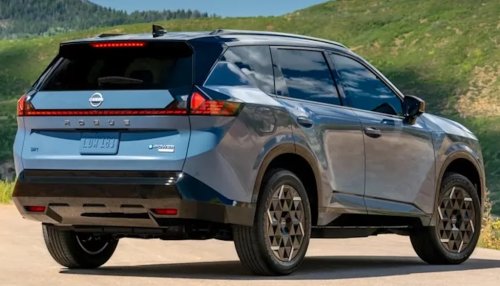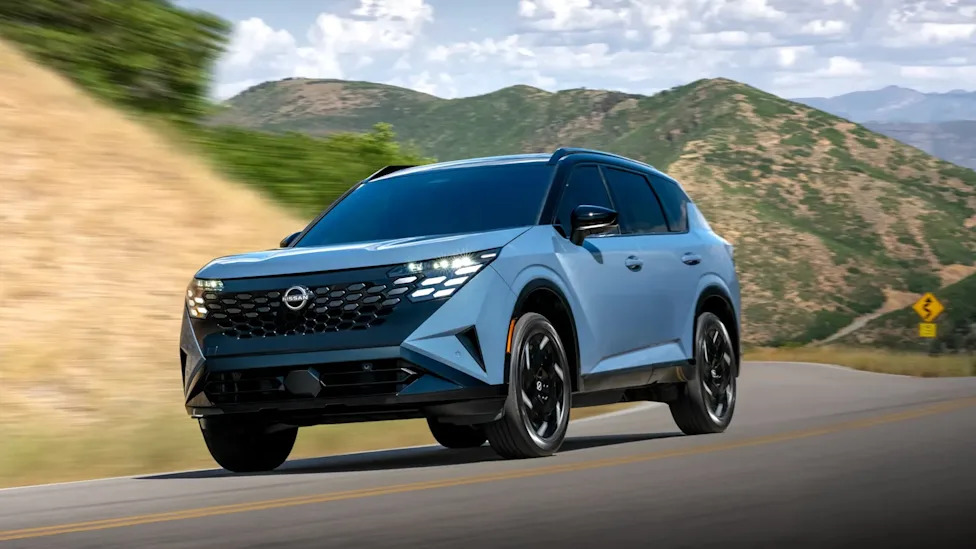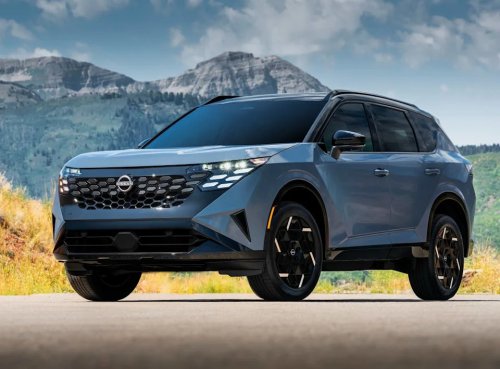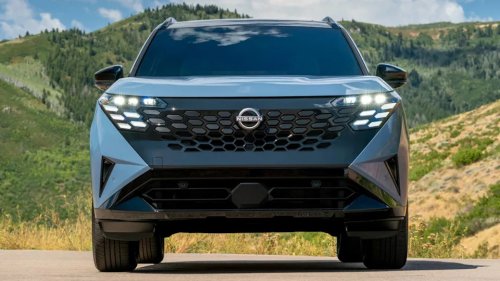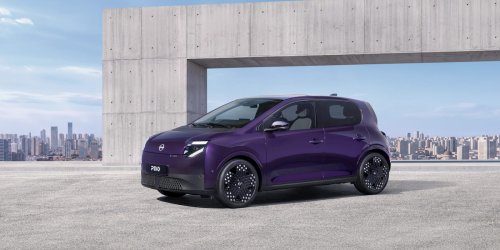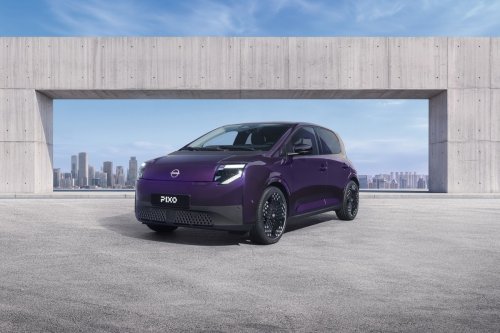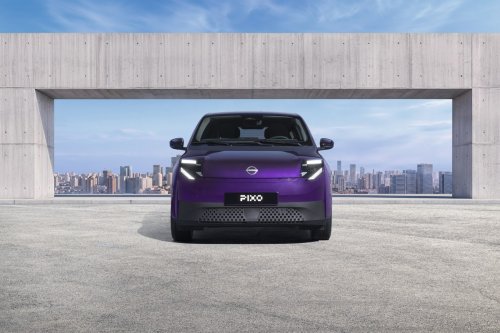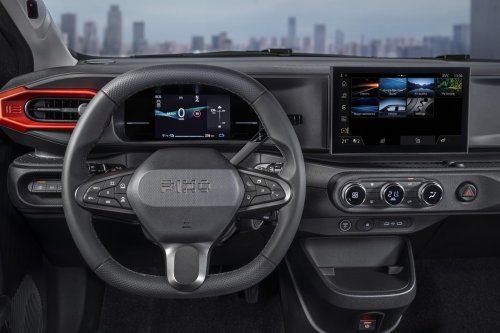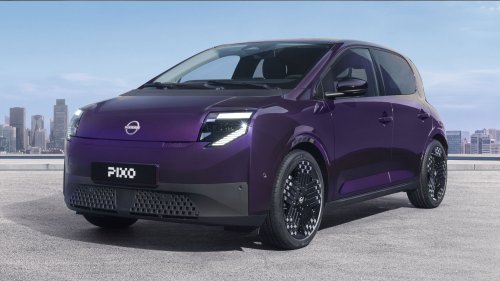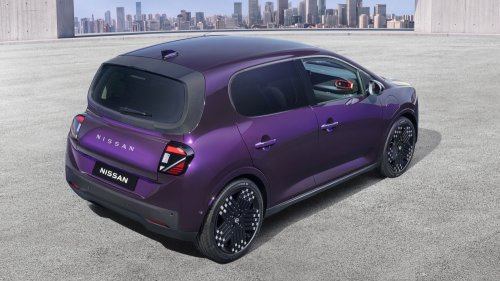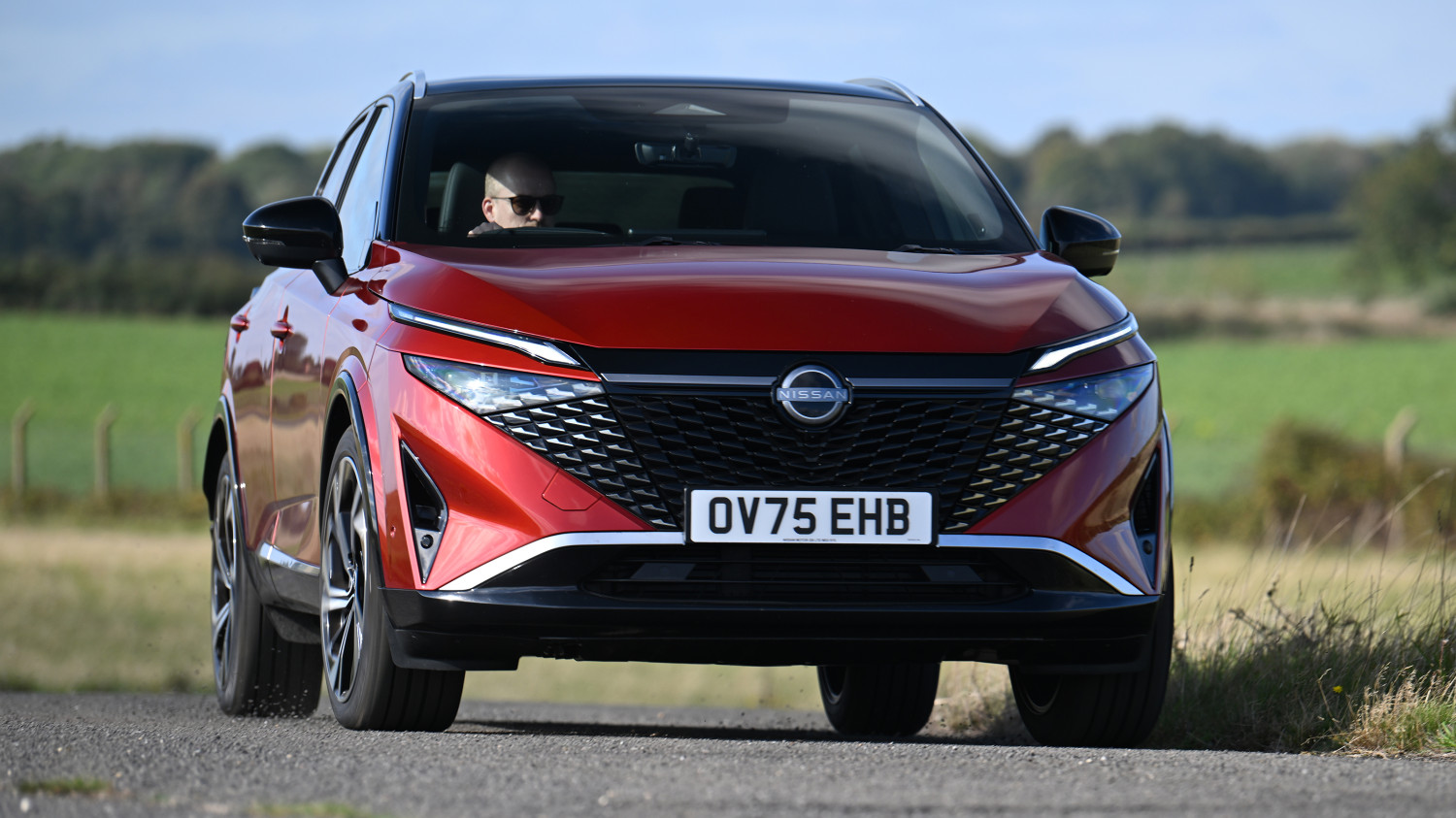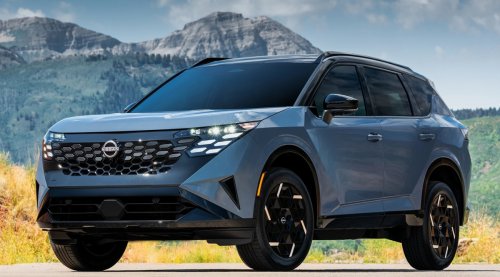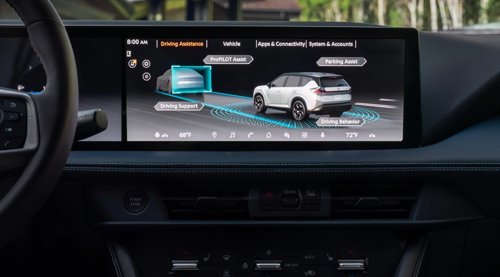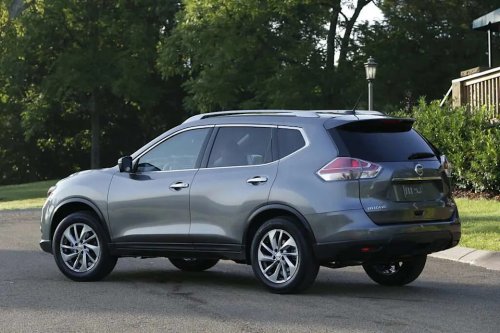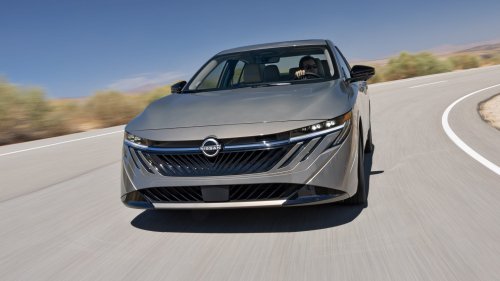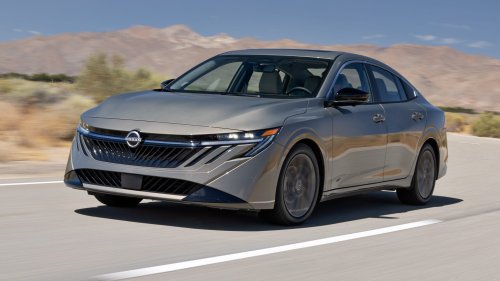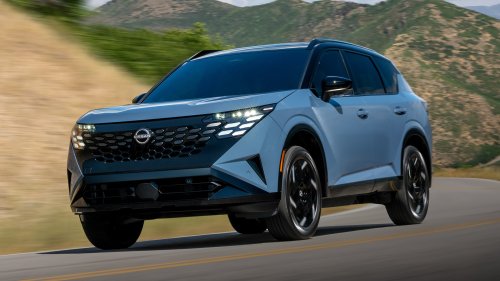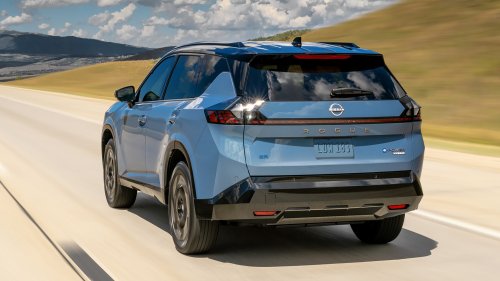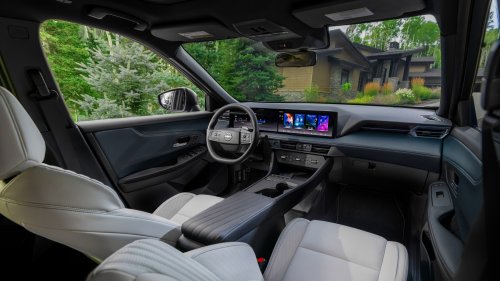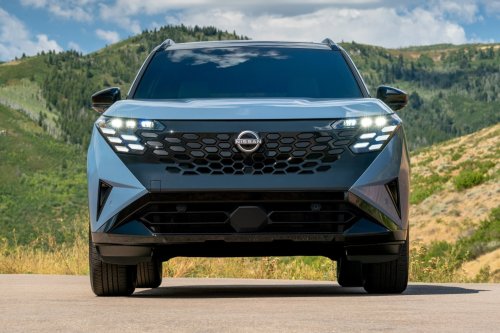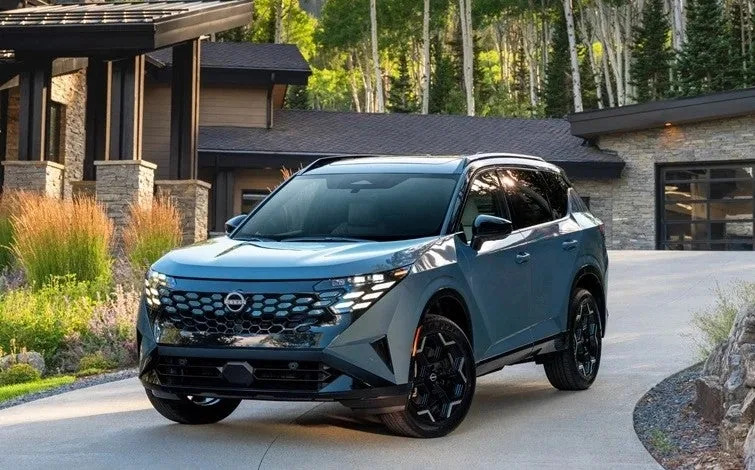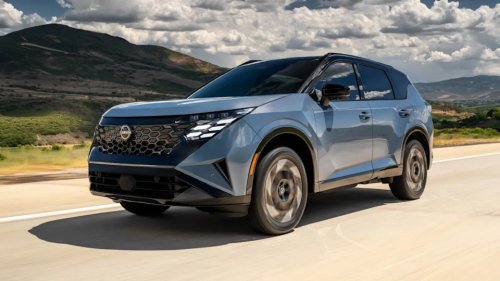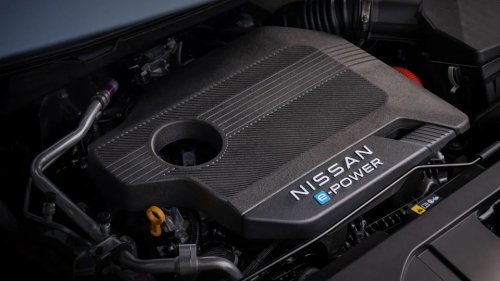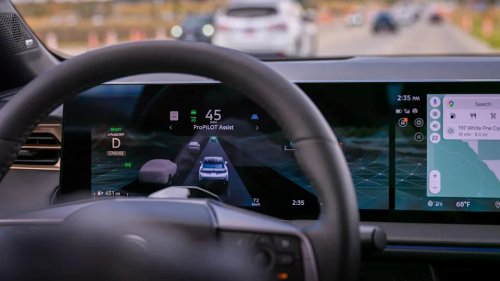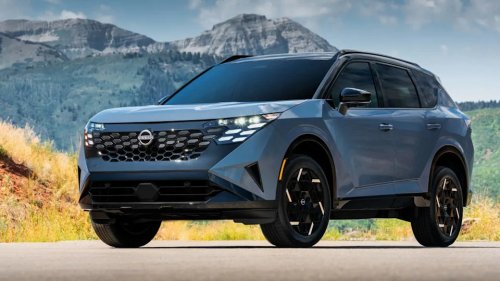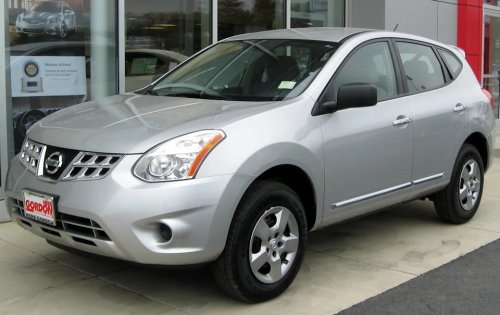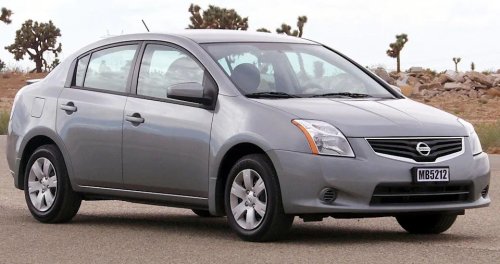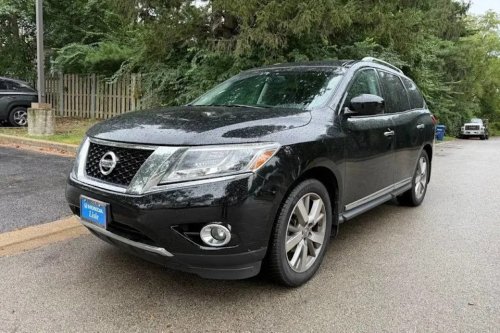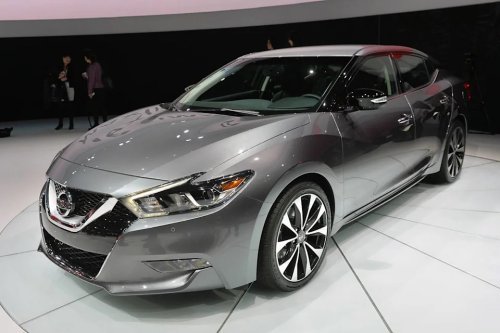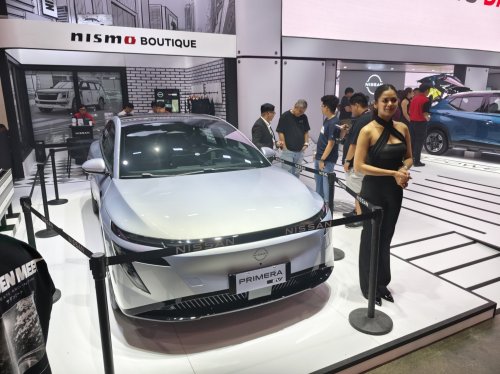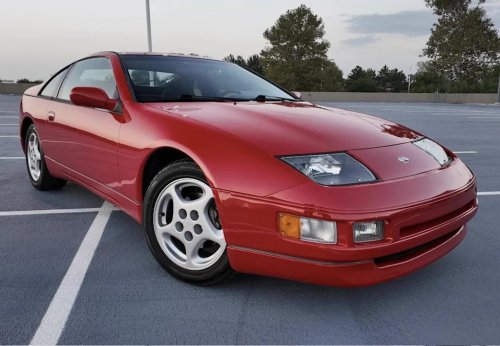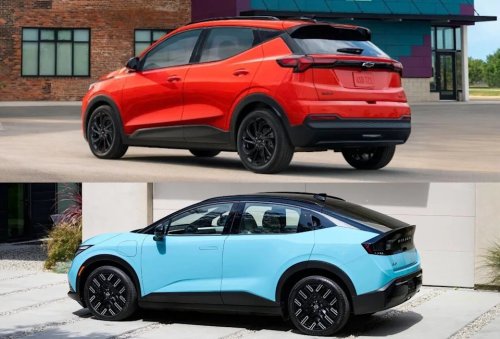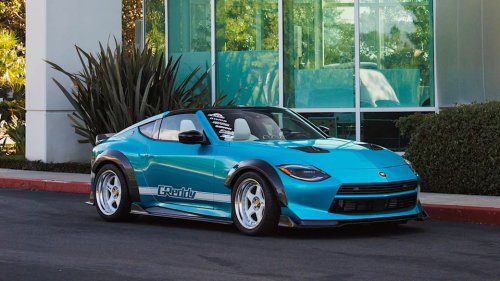





















nissan plans to trim vehicle lineup and introduce ai driving tech Nissan has outlined a sweeping overhaul of its global business, with plans to reduce its model lineup, expand the use of driver-assistance technology, and refocus its product strategy as it works through a broader turnaround effort. At the center of the plan is a move to shrink the company's global portfolio from 56 models to 45, a shift aimed at eliminating slower-selling vehicles and concentrating resources on core products. CEO Ivan Espinosa said the goal is to build a more focused lineup that can better support profitability while still covering key segments. The automaker is also targeting wider deployment of advanced driver-assistance systems, with a long-term objective of integrating AI-based driving technology into 90 percent of its vehicles. While details remain limited, the strategy points to a more software-driven approach as Nissan looks to keep pace with competitors investing heavily in automated driving features. 2026 Audi Q3: All the Details nissan plans to trim vehicle lineup and introduce ai driving tech On the product side, Nissan confirmed new electrified entries, including a hybrid version of the Rogue-sold as the X-Trail in some markets-and a fully electric Juke. Both models are part of a broader effort to diversify powertrain offerings rather than rely on a single approach, reflecting a shift seen across the industry as demand for electric vehicles proves less predictable than expected. The company has set aggressive sales targets for the end of the decade, aiming to reach annual volumes of one million vehicles each in the United States and China by the 2030 fiscal year, while also growing its presence in Japan to around 550,000 units annually. These changes build on a restructuring plan introduced last year, which includes reducing Nissan's manufacturing footprint and cutting its workforce by about 15 percent. The company is expected to provide an update on that effort when it reports full-year financial results next month. nissan plans to trim vehicle lineup and introduce ai driving tech Beyond its core markets, Nissan signaled continued interest in expanding exports, particularly from China, where it plans to ship vehicles such as the N7 electric sedan to regions including Latin America and Southeast Asia. The company is also working to increase localized production in the United States, with a long-term goal of building 80 percent of its vehicles for that market domestically. Further out, Nissan is preparing new products for its home market, including a compact car series expected to arrive later this decade and a next-generation Elgrand minivan that could incorporate more advanced autonomous driving capabilities. The automaker is also collaborating with partners including Uber and British startup Wayve on a pilot robotaxi program slated for Tokyo in the coming years. The strategy reflects an attempt to stabilize the business while adapting to shifting market conditions, though analysts note that broader economic uncertainty and uneven demand for electrified vehicles could complicate the path forward. These 10 Car Brands Might Let You Down