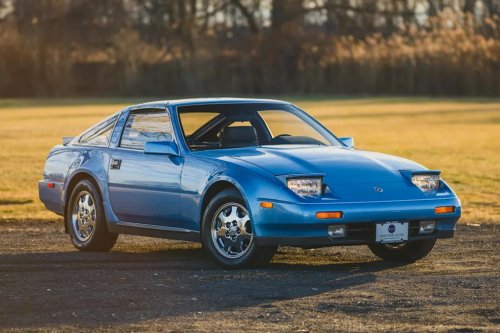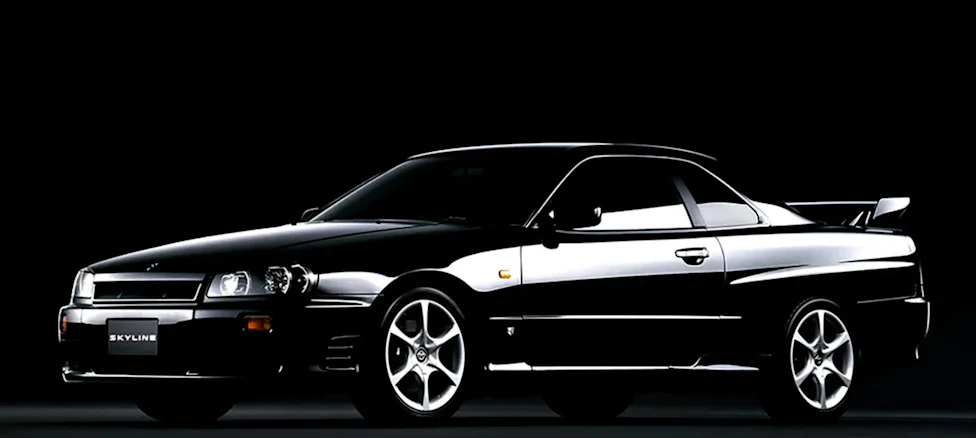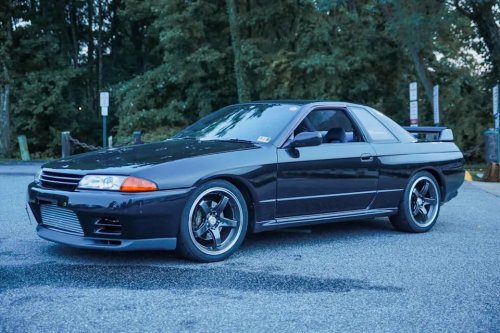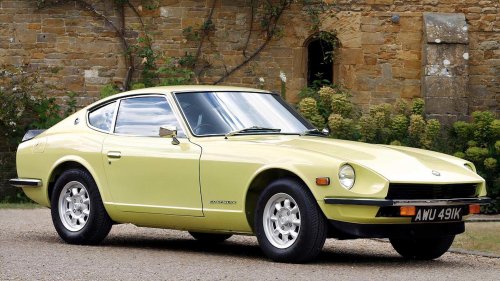
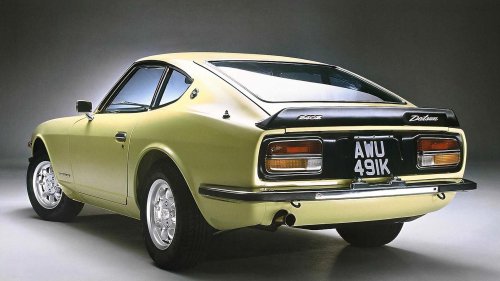
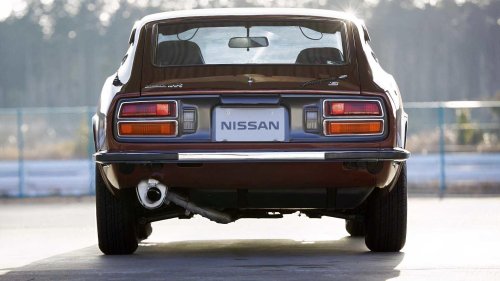
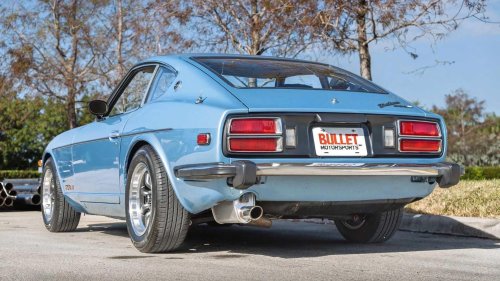
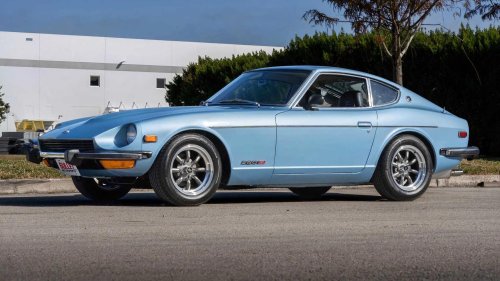
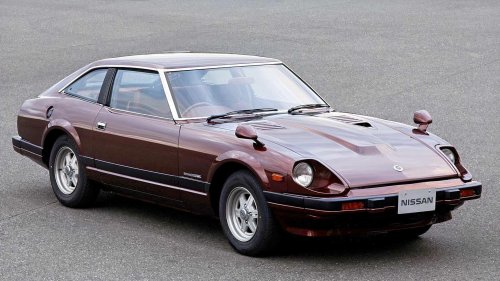
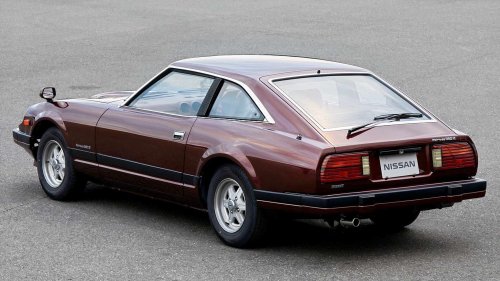
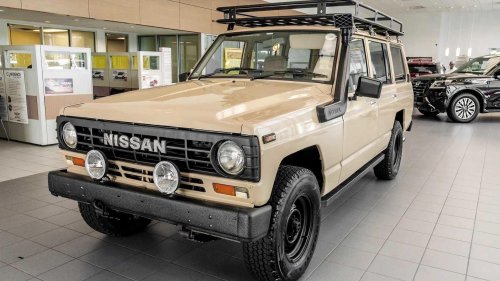
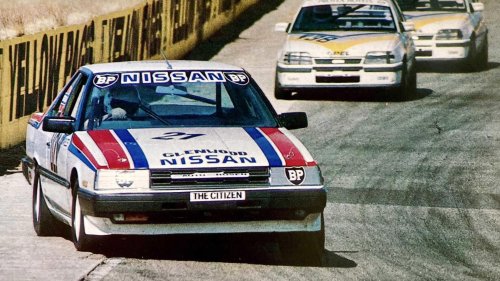
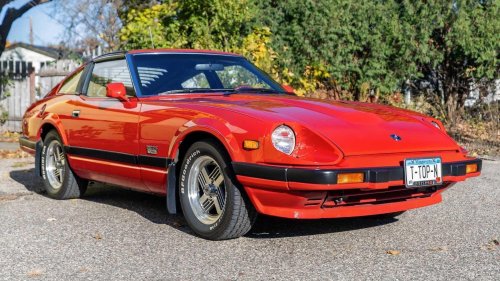
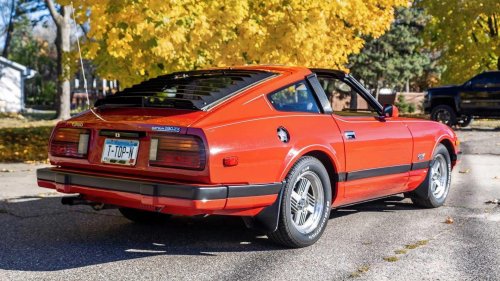
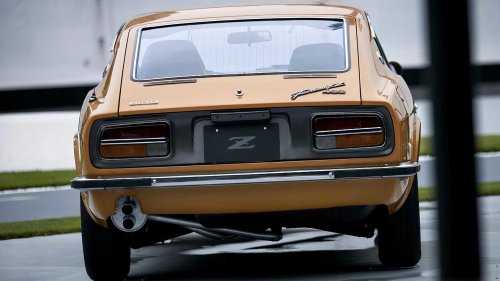
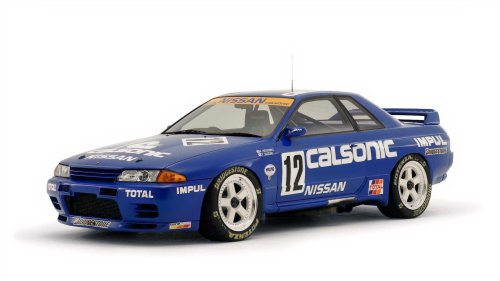

















It all started in 1966. Nissan introduced the L20, its first L-Series design that came in a two-liter, straight-six format, in the Nissan Cedric. It was okay, but not great. By the next year, Nissan's engineers started working on a brand-new design, with the lessons learned from the rushed L20 project. This new family of straight-four and six-cylinder engines would go on to power literally millions of vehicles for more than two decades.The USA's first taste of this new L-Series straight-six engine came in the form of the Nissan 240Z. The compact and affordable sports car landed in the US in 1970, and proved as popular as the Pet Rocks craze of the same era. The straight-six engine came with a cast-iron block, an aluminum head and a single overhead camshaft, and would go on to form the backbone of Nissan's performance cars for many a year.This is the story of the iconic L-Series straight-six engine, and the vast array of cars it powered. Changing The Game NissanNissan changed the sports car game in 1970 when it introduced the Datsun 240Z in the USA. The compact coupe weighed just 2,300 pounds, and it is powered by a 2.4-liter straight-six engine, producing 151 horsepower, driving the rear wheels. Providing plenty of bang for not so many bucks, the first-generation Z flew off the showroom floors. By 1973, nearly 170,000 cars had been sold in the USA alone.Nissan One of the 240Z's party tricks was the L24 straight-six engine. A development of Nissan's four-cylinder L16 engine, the L24 came with a single overhead camshaft and twin Hitachi side-draught carburetors. It could be had with a four-speed manual gearbox, or a three-speed automatic gearbox. It could get to 60 mph in eight seconds, and reach 125 mph. Most importantly, the engine proved to be solid and reliable, with plenty of tuning potential.Nissan In 1972, this tuning potential saw Nissan lining up a 240Z at the Bonneville Salt Flats, with some speedy business to conduct. The L24 was given a tune-up, and a roll bar, a new lick of orange paint, a rear spoiler and a front splitter were added. The car would go on to win its class, setting a new speed record of 121,8 mph. But more was to come. By 1975, Nissan installed the then new L28, a 2.8-liter version of the straight-six engine in the 240Z body.The engine was modified with high-performance pistons and rods, a modified cylinder head, a higher compression ratio, and upgraded side-draught, twin-barrel carburetors. The 2.8-liter version recorded an average speed of 164.6 mph, setting a new production class record, reportedly beating Mercedes-Benz's 300 SL and Jaguar's E-Type in the process. The engine is said to have happily revved to almost 8,000 rpm, all day long.The feat again demonstrated the integral robust nature of the L-Series straight-six engine. And things would only get more robust with the L26 version. A Drop In Power? Bring A TrailerThe Datsun 260Z replaced the popular 240Z in 1974, and was only on sale in the USA for a year. The 260Z made up to 165 hp in other territories, but in the USA it was subjected to new emission laws, which saw the power drop to 140 hp. That was quite a drop versus the popular 240Z's 151 hp. And in a market segment where horsepower and performance were vital selling points, the 260Z proved to be marginally slower than its predecessor, which was obviously not ideal.Bring A Trailer But make no mistake, the Datsun 260Z was still a great little coupe, and nearly 50,000 cars were sold in the USA in 1974. The L26 was also used in other Nissan models like the Cedric, Gloria and Laurel. But the biggest L-Series game changer would arrive in 1975. And the L28 would go on to serve in numerous Nissan vehicles. This included the Nissan Patrol 4WD, and various performance cars. The L28 Rocks The Straight-Six World NissanIn 1975, Nissan upped its straight-six game with the introduction of a 2.8-liter version of its L-Series engine. Known as the L28, this version would go on to serve in numerous Nissan products, ranging from the 280Z sports car to the Patrol 4WD. It also included models like the Laurel sedan and coupe, the Cedric, the Gloria, the Skyline and the Nissan 810/Maxima.Nissan The 2.8-liter, straight-six engine even made it into the 1978 Dome Zero sports car, a Japanese prototype that weighed just 2,000 lbs. Combined with the smooth and robust straight-six engine's 145 hp, the Dome Zero provided the same level of performance as entry-level German sports car offerings. Sadly, the Dome never made it to the production line.Bring A Trailer The L28 also formed a great platform for motorsport applications. Fitted with a high-performance camshaft, adjusting the compression ratio, adding triple carburetors or individual throttle bodies and updating the electronic control unit would easily result in more than 200 hp. This performance was combined with renowned reliability.Modified Nissan Skylines running a modified version of the L28 straight-six were commonly used by the police departments in some international territories. The Skyline was able to get to crime scenes faster than any other car in the fleet. The fact that this speed was combined with reliability ensured it was a great chase car, too.Group 1 Racing (Facebook) The Skyline R30 was also highly successful on racetracks around the world, competing in production and modified car series. The Nissan Skyline 2.8 GTX was often modified to produce around 200 hp, with the engine proving near bullet-proof, able to rev to 7,000 rpm. Highly modified versions could produce more than 500 hp, with a turbocharger and other go-faster parts in the game.By 1981, Nissan upped the 280Z game to the next level with the introduction of the L28ET version of the straight-six engine. The L28 Gets A Boost Bring A TrailerAs reliable, smooth and great-sounding as the L28 engine was, there were always folks who wanted more horsepower, and more speed. The standard 280ZX's straight-six engine developed 145 hp, and provided brisk, smooth and adequate performance. But blowing the driver's hair back? Not so much.By 1982, Nissan obliged by strapping a Garrett turbocharger onto the L28, and reducing the compression ratio. It is called the L28ET, and it produces 180 hp and 202 lb-ft of torque. This ensured a top speed in excess of 140 mph.Bring A TrailerThe Nissan 280ZX sure ticks some performance boxes, and today you can find a great example for around $25,000. But the holy grail of the Nissan L-Series straight engine is the naturally-aspirated LZ6, a motorsport version of the engine that produces in excess of 500 hp The engine, with double overhead cams, was famously used in the 90s in silhouette racing formulas in Japan and other territories. With a 9,000 rpm rev limit, the engine shaped Nissan's future motorsport aspirations, and inspired a new, high-performance straight-six engine, created to serve in production cars. It was called the RB. The L-Series Engine's Last Stand Nissan By the mid-80s, Nissan had developed the more modern RB straight-six engine. The new RB came with a more robust cast iron block to handle higher, forced induction pressures, as well as a double overhead cam head, designed to handle higher revs, all day long. At the same time, Nissan created a new line of V6 engines, offering customers the option between a straight-six or V6 layout.The L-Series was put to pasture by 1986, replaced by the RB or VG V6, depending on the application. The L-Series engine, with its robust seven main bearing design, has proven its worth over more than two decades, serving in 4WDs, sports cars, luxury cars and record-breaking motorsport applications.Nissan even created a diesel version of the L28, called the LD28. It used the same basic engine architecture as the gas version, and produced around 90 hp. It proved every bit as reliable as its gasoline sibling, powering a range of Nissan cars. The engine even powered Albin boats.Nissan also turbocharged this diesel engine. The LD28T saw service in the Patrol 4WD, and the Laurel saloon. Like the LD28, it never made it to the USA market.Nissan Today, the RB engine is probably the best-known straight-six engine hailing from the Nissan stable, made famous by iconic performance cars like the Skyline R32 GT-R. But it was the L-Series engine – and specifically the straight-six gasoline version – that laid the solid, reliable foundations for the brand's six-cylinder engines.