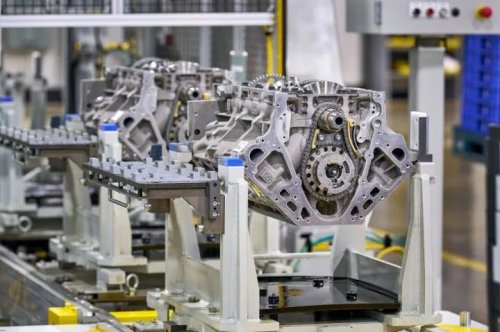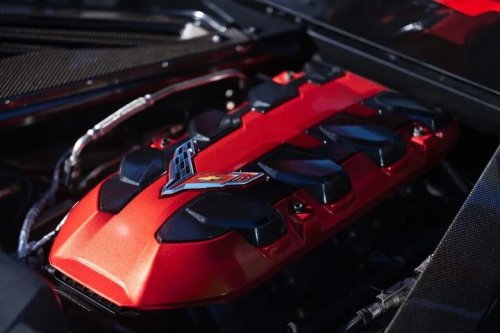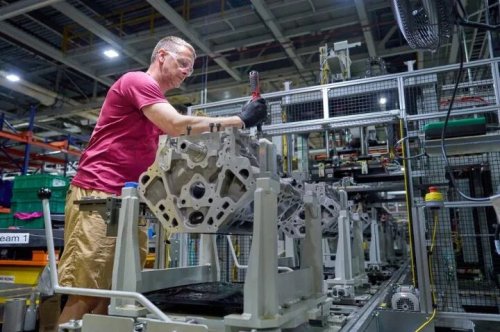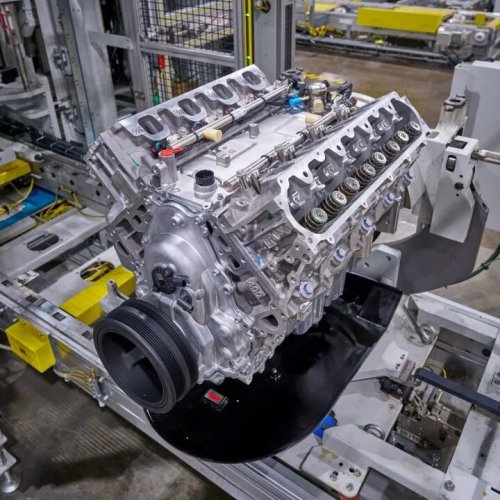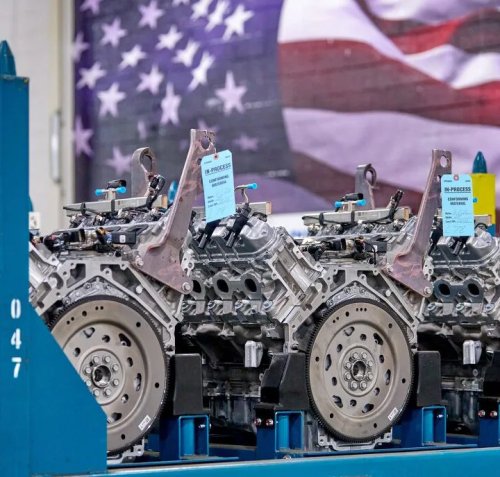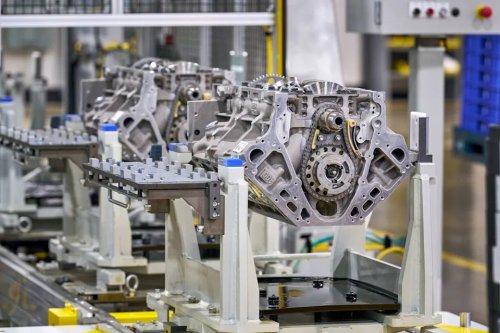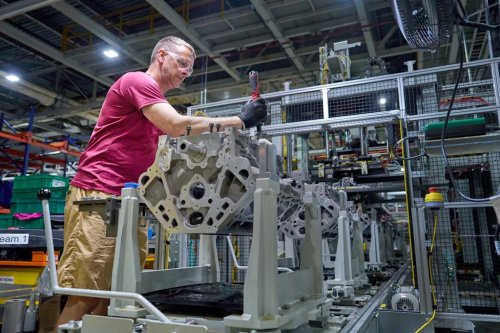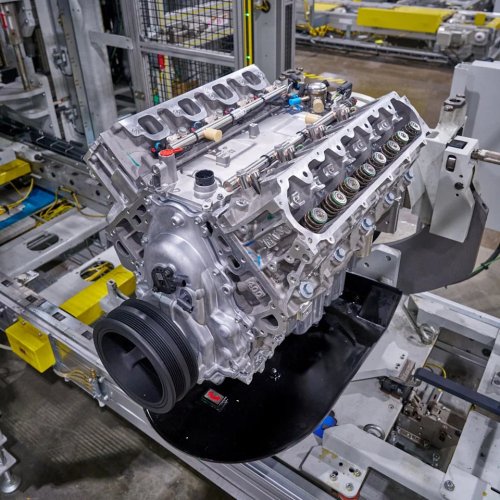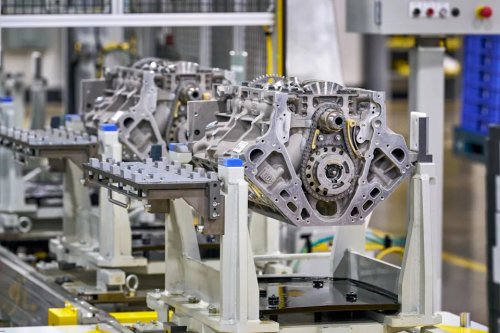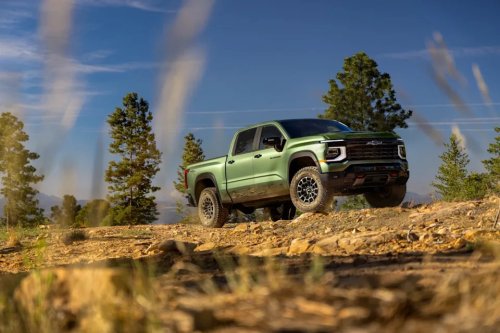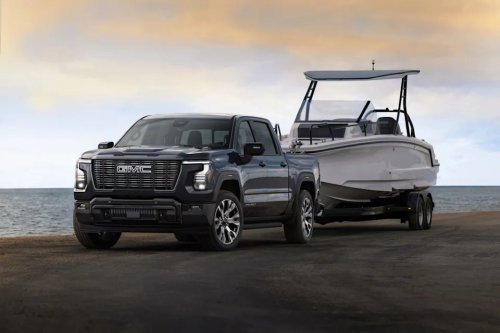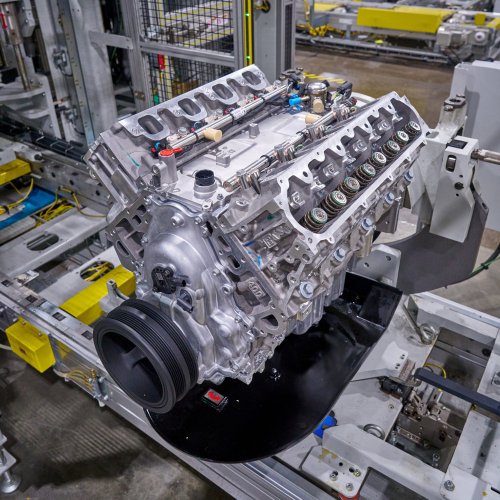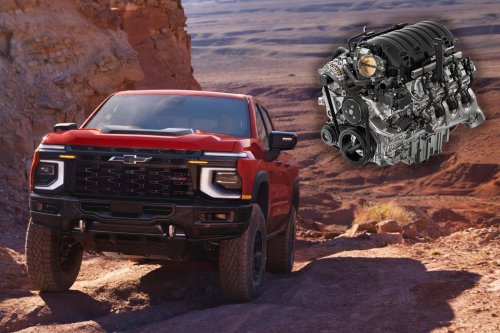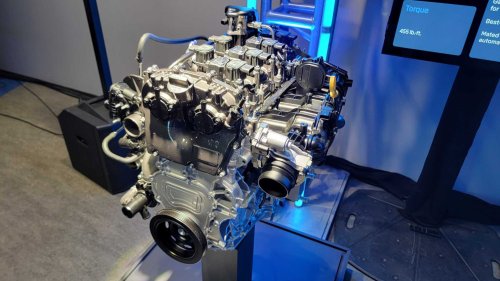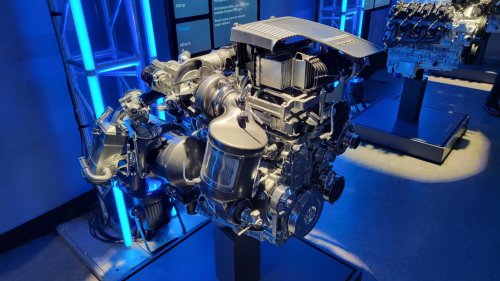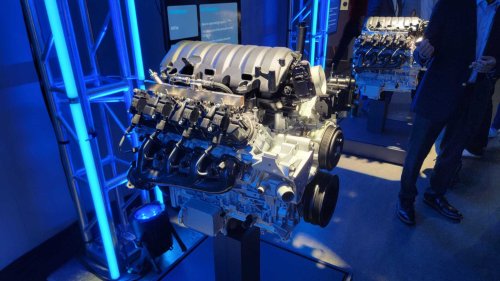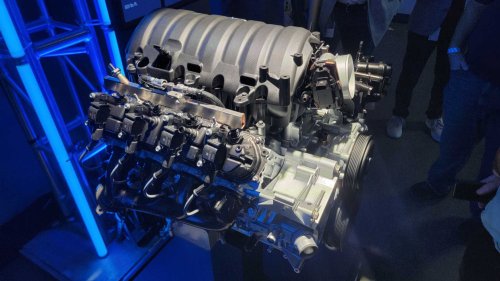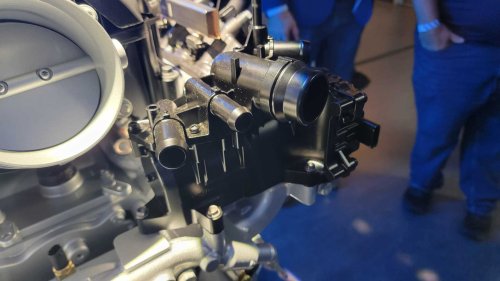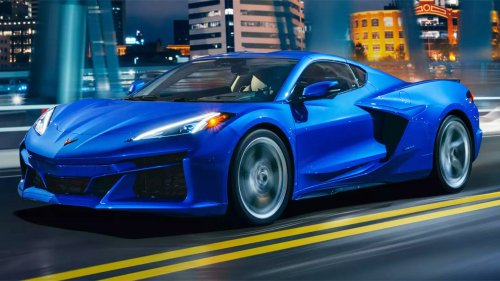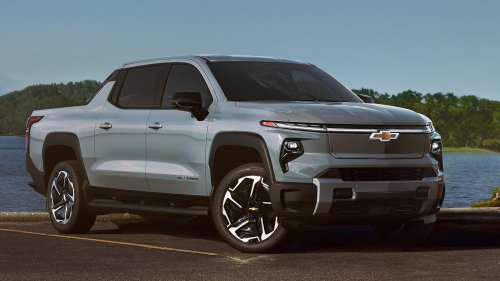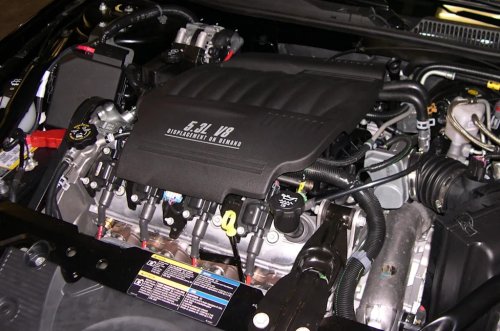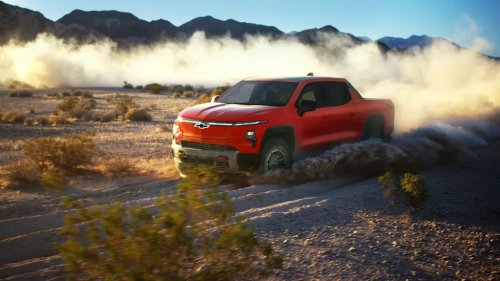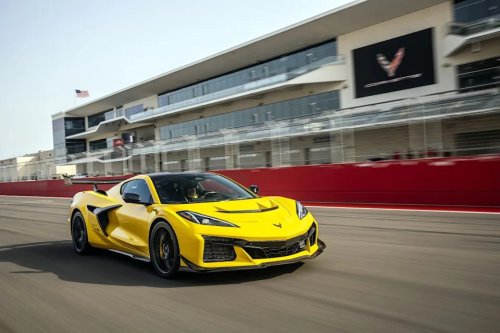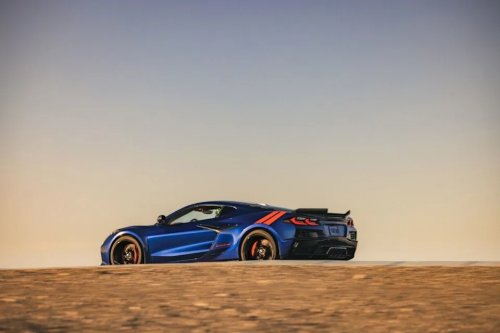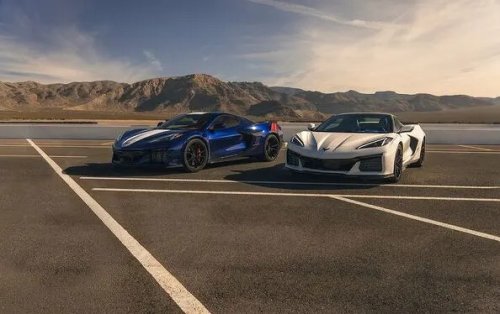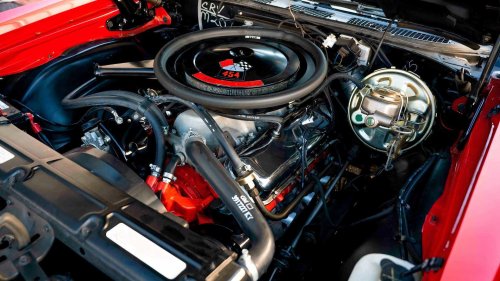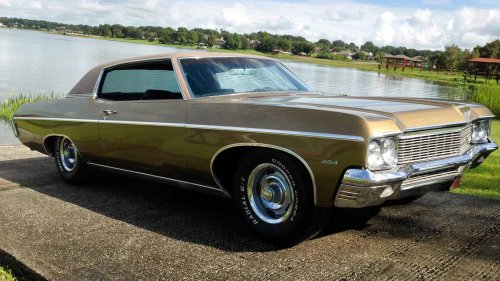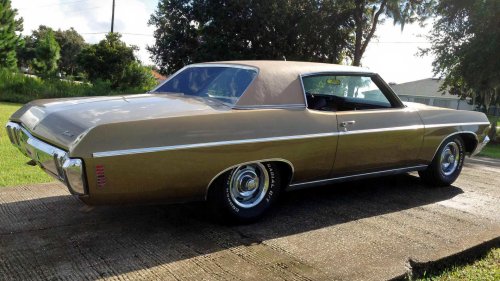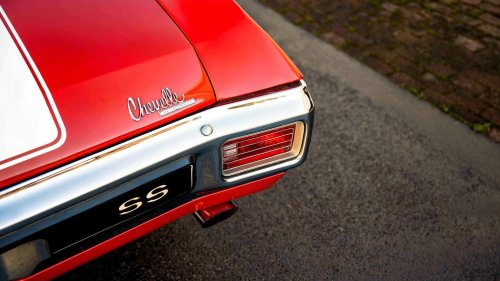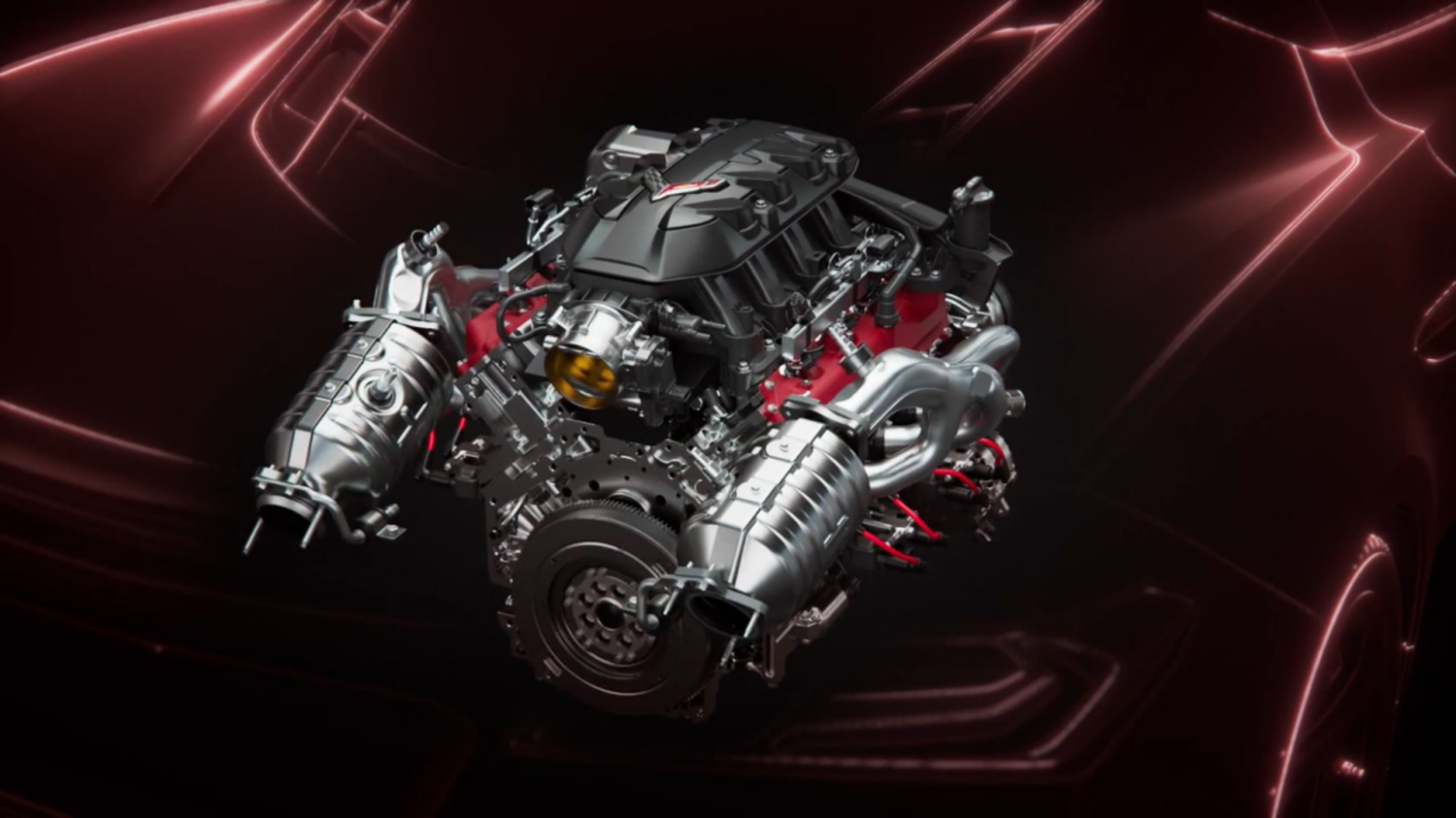
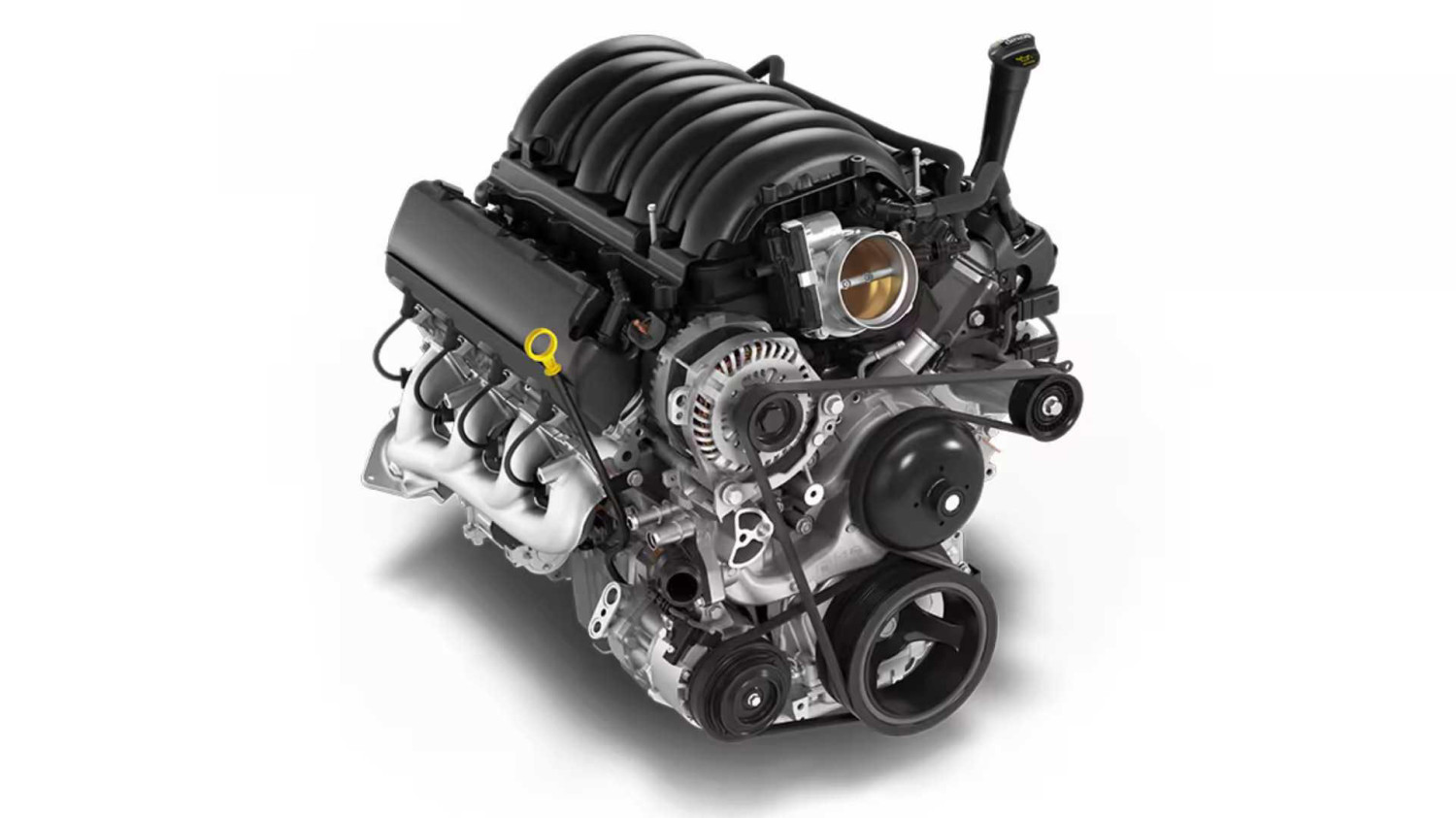
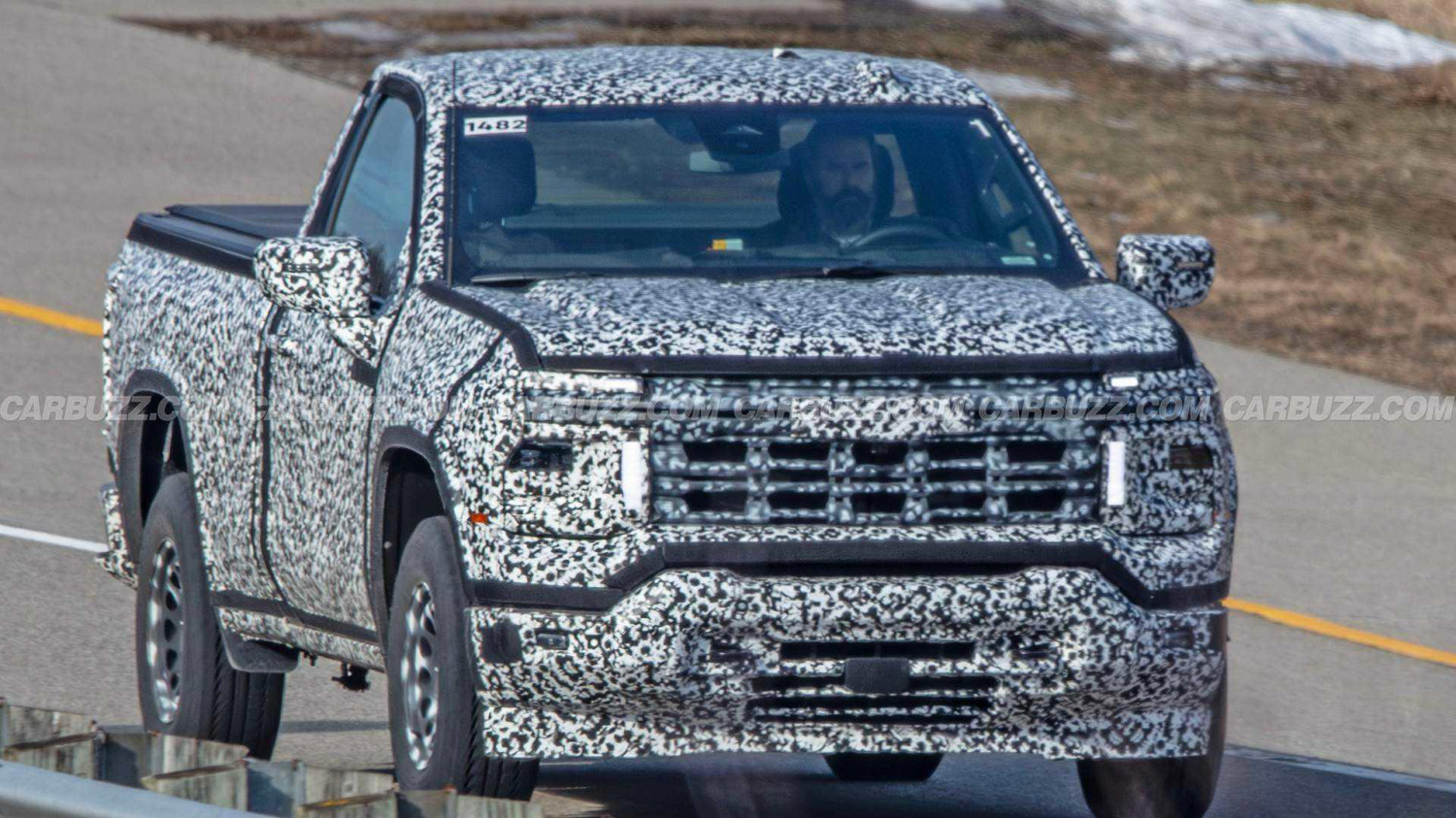

























Late last month, Chevrolet launched a brand-new V8 engine along with the C8 Corvette Grand Sport. The new 6.7-liter engine is the very first in the sixth-generation of small-block V8s from GM, and while the architecture will be shared around the rest of GM's V8-powered trucks and SUVs, the 409 cubic inch displacement might not be. That's the claim in a new report, at least, which has focused on some of the details Chevy engineers have already revealed. A Marketing-Friendly Family Of Small Blocks Chevrolet Late last year, GM Authority reported that the new engine family would be built in two versions for trucks and SUVs like the 2027 Silverado and next Suburban. There would be a 5.7-liter version to replace the old 5.3 and a 6.6 to replace the 6.2.Then the 2027 Corvette update dropped out of nowhere, with a 6.7-liter, 409 cubic-inch engine. Mike Kociba, assistant chief engineer for the Small Block, said that the Gen 6 engine was originally designed to be a 6.6 just as we had expected. "And then we started playing around and realized that by adding two millimeters to the stroke, we get more performance without compromising anything else," he added. Using computer-assisted design tools let them test that virtually, which led to the 6.7-liter 'Vette motor.ChevroletGMA hits on a line in the GM press release that reads "LS6 raises the bar for performance thanks to engine architecture upgrades that will soon benefit other V8-powered Chevrolets." The site believes that's confirmation that the trucks will, indeed, have 6.6-liter engines. They'll have that engine's basic architecture, but by changing internals such as the crankshaft and pistons, not the same displacement.Other reports citing leaks from dealers have also said that the two engines will be a 5.7 and a 6.6 for the trucks. The slight displacement difference has some big benefits for the marketing teams, not just customers. Still, it's a thin connection to make.The 6.7-liter 409 is a big appeal to a generation that fondly remembers the Beach Boys singing about their four-speed, dual-quad, Positraction 409. It also gives the Corvette team an engine that's clearly different from the one in the trucks.The 6.6-liter works out to 400 cubic inches, which matches up to another vintage engine. The original 1970 400 wasn't exactly a hot rod engine, but it was in a lot of trucks. It was 400.92 inches, not 401, but the new one works out to 400.6, so it's following that historical tidbit as well. Is Bigger Still Better? CarBuzz/Valnet Why more displacement in an era of turbocharged smaller-displacement engines? GM already offers the 2.7-liter Turbomax if you want that, or the 3.0-liter Duramax diesel. It also turns out that more strict emissions rules and real-world testing has had an unexpected result: bigger engines.Turbocharged engine owners know they sip fuel until you touch the gas. It doesn't matter that the Turbomax is 2.7-liters. When you want it to make 325 horsepower, it needs 325 hp worth of unleaded. And turbo engines generally need pricey premium fuel to achieve max power.Automakers have learned that a larger engine with modern engine management can run on a leaner air-fuel mix more of the time. That lowers NOx emissions and reduces fuel consumption. Making the engine bigger also adds torque at the lower end of the rev range, which helps the engine move a heavy load with less throttle and lower RPM, meaning less fuel in the real world. Mazda's new 2.5 Skyactiv Z follows this logic, and it's not the only one.So GM's new engines, which could still be 5.7 and 6.6-liters, might not make much more power, if any at all. But there's a good chance they'll use less fuel, especially if paired with hybrid assistance like Ram's e-Torque system. If they can do that without sacrificing reliability, the marketing department will get yet another win.