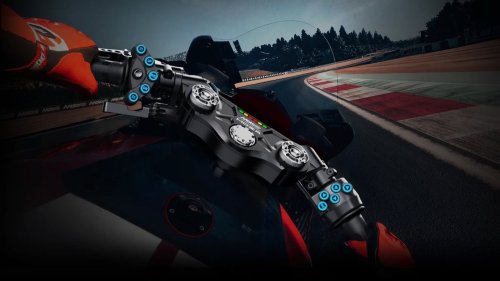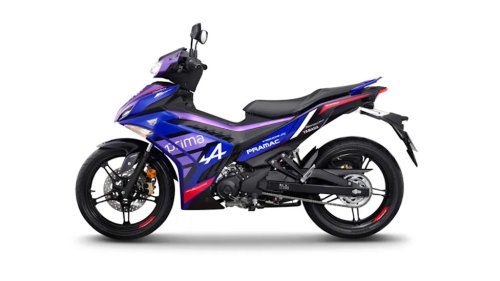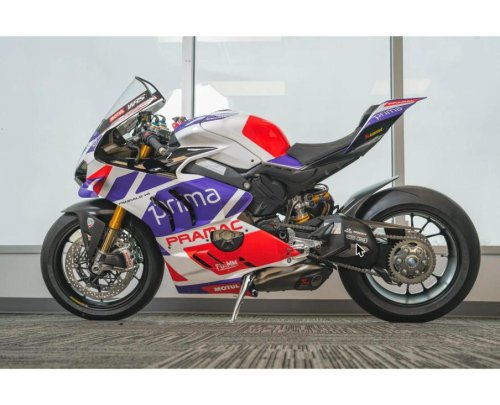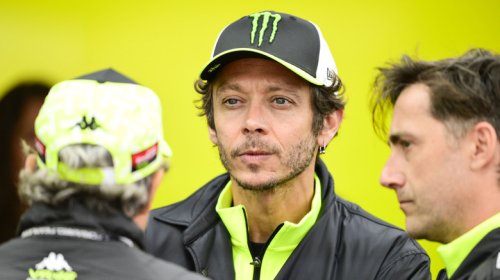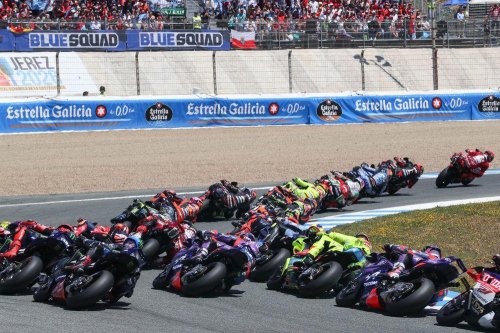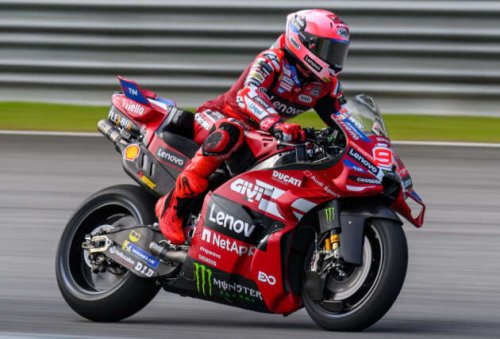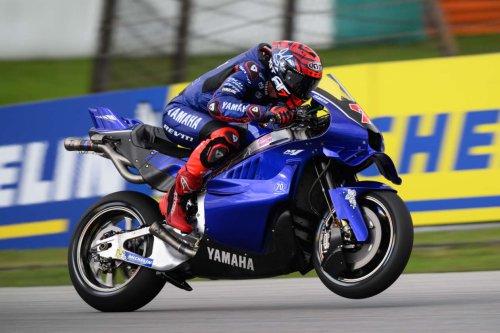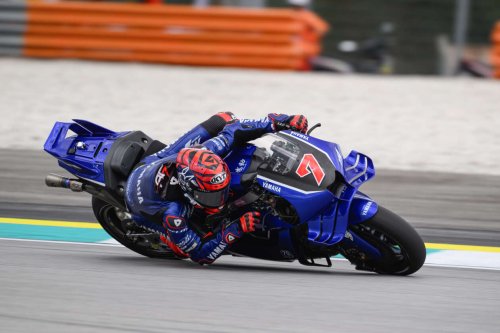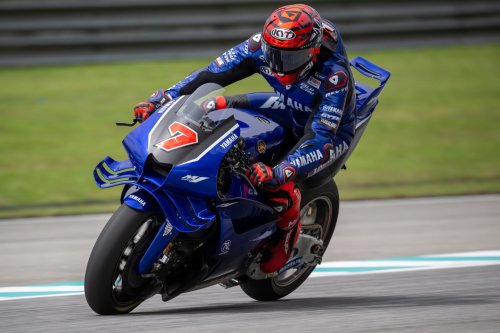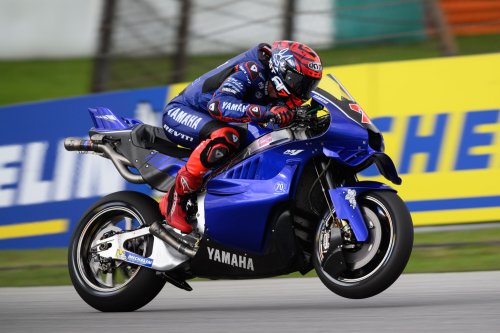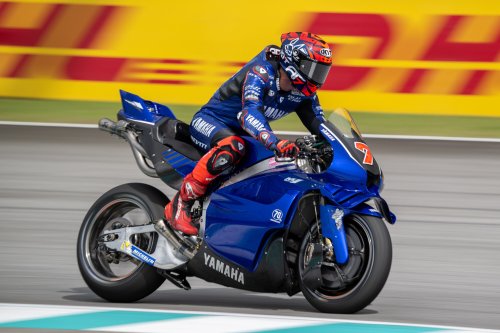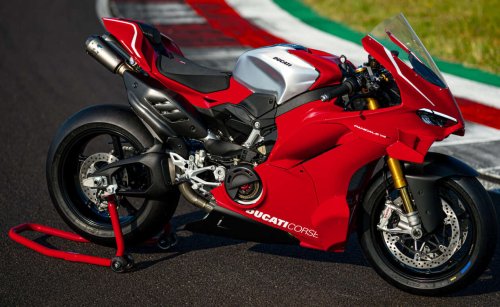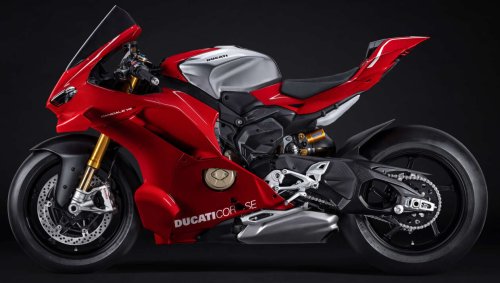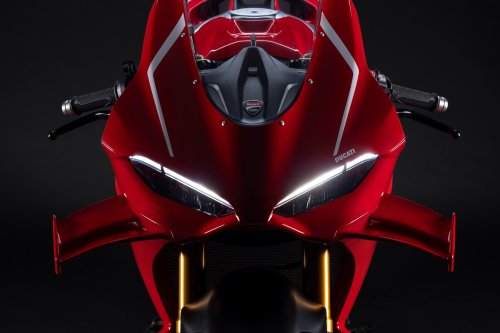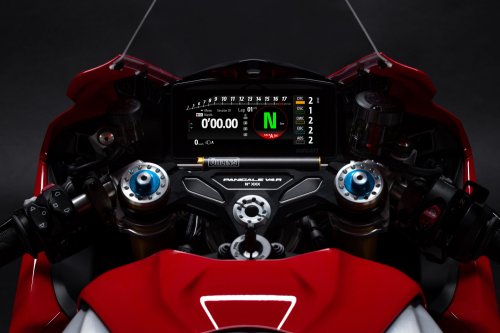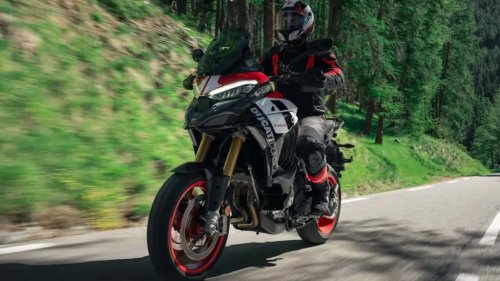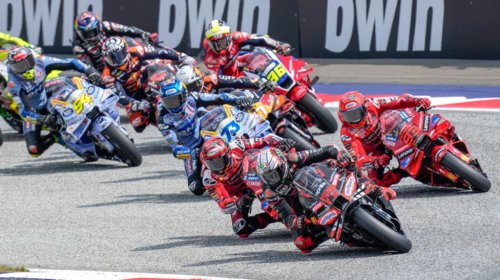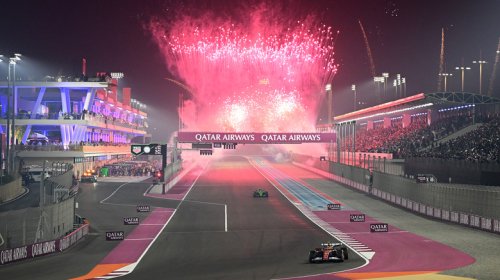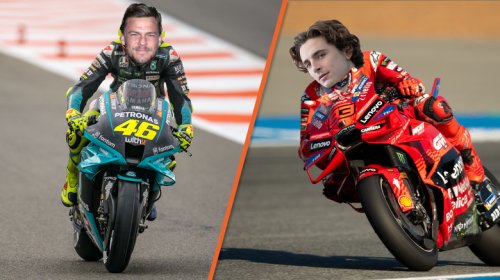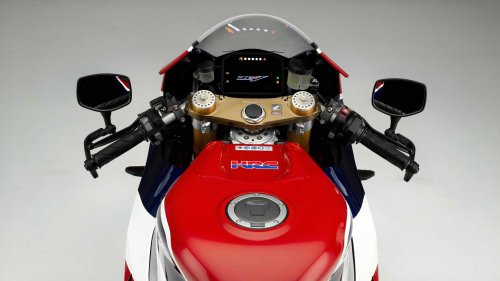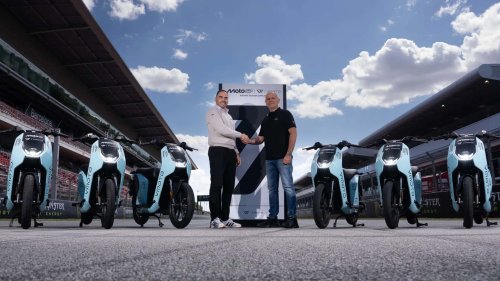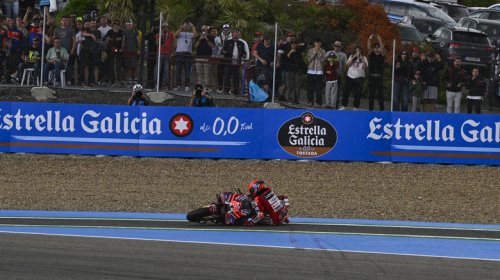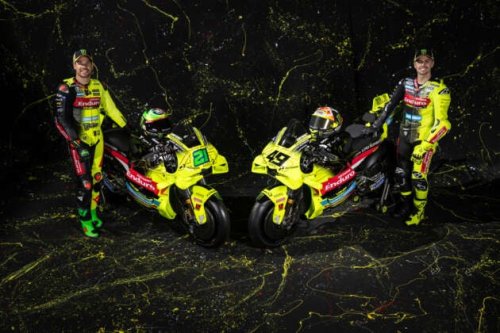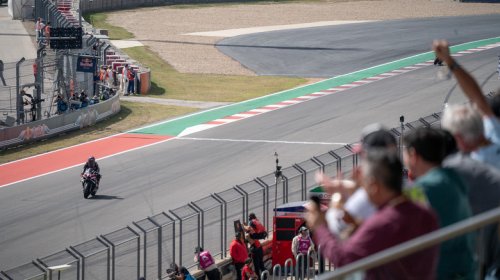
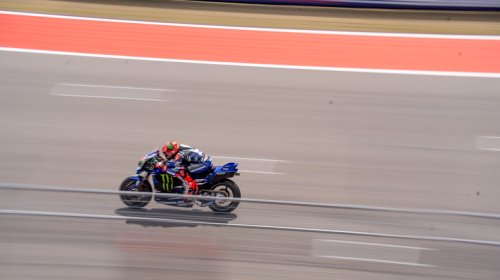
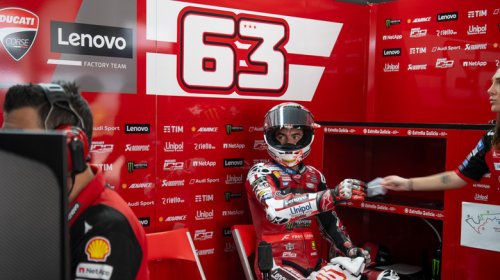
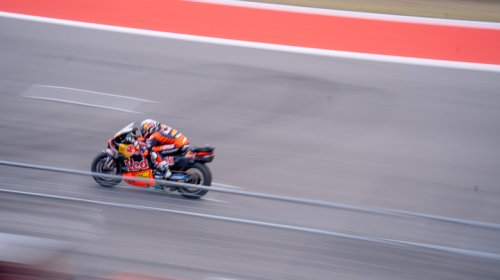
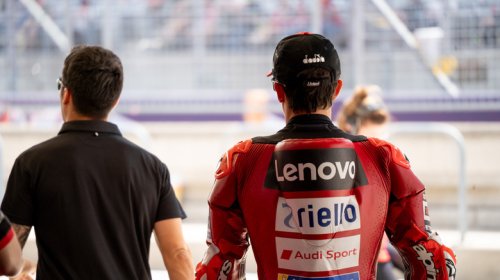
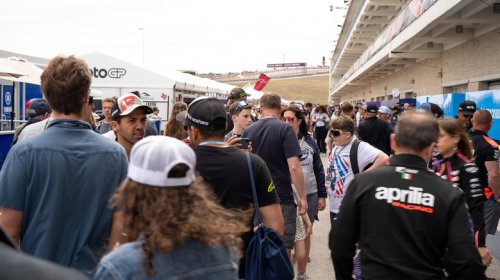
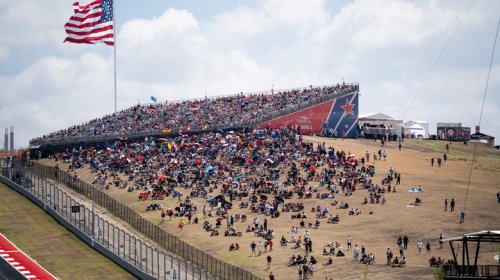
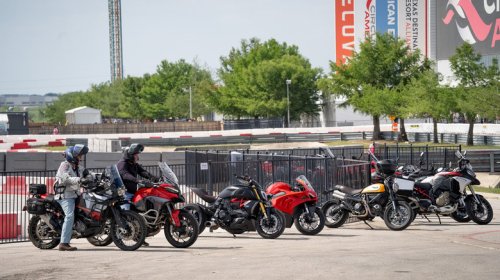















Amber DaSilva/Jalopnik For decades, Formula 1 has claimed to be the height of motorsport. It has the most advanced cars and the most glitzy proceedings; its drivers are fashion models, businessmen, knights, and dating Kardashians — and those are the multitudes contained in just one guy, Lewis Hamilton. Formula 1 understands this, of course, and prices its races accordingly: Three days at the United States Grand Prix in Texas will run you $450 before you even think about lodging, transport, parking, food, or merch. All that for racing that's... fine, so long as your favorite driver even makes it to the checkered flag without a mechanical failure. I posit that there's a better option: MotoGP. The sport's bikes are every bit as advanced as Formula 1's multi-bajillion-dollar machines, but with harder engineering problems to solve. MotoGP races are more exciting, with more position changes and closer racing. There are no pit stops, no tire changes, nothing but pure wheel-to-wheel action — and all that for just $130 for a weekend, less than a third the ticket cost of Formula 1. Full Disclosure: Lenovo brought me down to Austin, Texas, for this year's MotoGP United States Grand Prix. The company paid for my airfare, lodging, travel, and track access, but I bought my own merch. The peak of racing Amber DaSilva/Jalopnik Formula 1 is constantly derided for being a parade, with little excitement and even less passing. The series has done its best to try and fix that, with new regulations shrinking cars and their aero features in hopes of fitting two cars side by side in Monaco, but F1 fans still aren't satisfied — now they're talking about the "magical overtake button" and "drivers overusing the new boost button." MotoGP has been in aero-induced passing dregs of its own, yet the series still manages to show its Liberty Media sibling how to make things interesting. Look no further than Ai Ogura, who qualified 10th at COTA yet got himself into podium contention before a mechanical failure took him out — after he managed to set the fastest lap of the race. All this from a rider in his second season, on a satellite team, for a manufacturer that placed a distant second in the constructor's championship last year. MotoGP is far too unpredictable to be a parade. No better bikes Amber DaSilva/Jalopnik Formula 1 cars are visually very different from the vehicles sold at dealerships, but to the untrained eye, Honda's race-winning RC213V doesn't look all that distinct from a beginner-friendly Craigslist CBR250R — especially considering that, for a few years, you could get the latter in the livery of the former. MotoGP bikes may be just as motorcycle-shaped as any other two-wheeler in the eyes of the non-enthusiast, but make no mistake: These bikes are like nothing else. During a race, each MotoGP bike wears an array of 50 sensors that inform the rider and their team of its condition. In development, that number skyrockets: Nicolò Mancinelli, Vehicle Development Engineer for the defending champions at the Ducati Lenovo team, said their bike wears well over 1,000 sensors in testing. The team meticulously models bike performance based on all that test data, and uses custom AI models to predict what the absent sensors would be reading during a race — one of the few actually competent and useful implementations of AI. That race data isn't just sent to the engineers in the paddock, either. Ducati Lenovo has a separate team back home in Bologna, with additional analysts who read bike data remotely and can give their input to the folks in the garage. It's a trick the Ducati Lenovo team learned from F1, but the MotoGP crew gave it an unexpected twist: Since Ducati supplies bikes to three teams on the grid, its factory Ducati Lenovo team, and satellite teams VR46 and Gresini Racing, all three teams share data on the bikes — despite using a mix of 2026 and older-spec Ducatis. The two older bikes, apparently, still provide useful training data for the four 2026 models on the grid. Designed for the rider Amber DaSilva/Jalopnik MotoGP bikes, too, are as different to operate from their street counterparts as F1 cars are. They have the typical five controls — right-grip throttle, right-lever front brake, right-foot rear brake, left-lever clutch, and left-foot shifter — but MotoGP riders have to deal with so much more. The holeshot device, which lowers the bike's ride height to start a race; the ride height device, which lowers the bike when coming out of a corner — yes, they have separate controls. The series-spec ECU has three settings for engine power mapping, meant to be changed during a race to account for tire wear, plus different maps for traction control, wheelie control, and engine braking. Anti-lock brakes are nowhere to be found, but MotoGP riders do have a secondary control for the rear brake under their thumb. The rider has to manage all these electronics in addition to the typical bike controls, but don't be fooled into thinking this all makes the bike any easier to ride. Riders still routinely approach 60 degrees of lean angle, throwing their bodies further still off the bike to offset their center of gravity. That moving rider affects not just the bike's lean, but also its aerodynamics. Speaking to Mancinelli, I mentioned all the press Aprilia got for having rider-influenced aerodynamic features, and he laughed. From his perspective, all aero features are affected by the rider. No better racing out there Amber DaSilva/Jalopnik Formula 1 may be the apex of four-wheeled road racing, I'll grant that, but MotoGP is the peak of road racing. Its machines are no less meticulously engineered than F1's, its teams no less complex, its development no less data-driven. But the sheer size of a MotoGP bike (or lack thereof) means that, even with modern aerodynamics, riders can still fight for position within just inches of each other in ways that simply aren't seen in other forms of motorsport. There's an argument to be made about the incredible spectacles at Baja, Dakar, and the Erzbergrodeo, but when it comes to road racing, it's clear: MotoGP is at the apex. When the start lights go out, and those 22 riders take off, viewers are almost always in for some truly incredible battles, feats of bravery, and charges up (and down) the pack. If you're a racing fan, MotoGP is the racing you truly want to watch. Making racing approachable Amber DaSilva/Jalopnik If you're not a huge racing fan, you can still attend a MotoGP race and have a good time. MotoGP may be the height of motorsport, but it doesn't demand that its attendees be so immersed in the racing world. When the racing's this good, you really don't need to follow the points to know when something's a big move out on track — just wander the paddock, pick a livery you like, and cheer when they pass someone. Yes, wander the paddock. I mentioned the price comparison for general admission tickets up top, but the accessibility goes further than that. Formula 1 charges $6,300 for access to its Paddock Club at the Red Bull Ring in Austria, but MotoGP asks less than $1,100 for the same access at the same track — plus entry to a team garage, and the opportunity to simply hang out with riders over hors d'oeuvres. Add in plane tickets, hotels, and entry for friends, and you'd still be hard-pressed to approach F1's cost. Or see drivers for less Amber DaSilva/Jalopnik Don't want to shell out over a grand to rub shoulders with riders? You don't have to! Vendor tents have schedules booked up with driver appearances and autograph signings, and plenty of folks carried their own motorcycle helmets around for the duration of the race weekend in hopes of accumulating signatures. Some even bought helmets on the premises, shelling out for the latest colorways from Alpinestars or Shoei to be autographed. Those vendors, of course, aren't limited to MotoGP merch. Motorcycle gear brands are at the track in full force, and a MotoGP attendee can walk out of a race weekend with a brand-new set of armored gear from head to toe. I made a pilgrimage over to RevZilla's tent to say hi to their crew of moto journalists — a meet-and-greet event at a race weekend, for folks to meet journalists — and ended up wandering a bit too close to the Alpinestars tent myself. I left the weekend with my own shiny new Stella Vika V2 jacket, a piece I've had my eye on for a long time. I spent enough money at the Alpinestars tent that they gave me a free cowboy hat. A celebration of motorcycling Amber DaSilva/Jalopnik MotoGP isn't just about the racing; it's about the motorcycling. The environment is less like a typical race weekend and more akin to a car culture extravaganza like Wicked Big Meet — folks walking around with their freshly-purchased parts and gear, modified vehicles on display, a parking area that's almost a show in and of itself. Automakers even come through MotoGP like Subaru at Wicked Big, with Ducati bringing a slew of models for folks to swing a leg over. Other automakers took this even further, offering full demo rides rather than just letting fans sit on bikes. Yamaha, CFMoto, Honda, Triumph, and even Harley-Davidson offered test rides of brand new bikes. There's an air of enthusiasm around MotoGP not only for the racing, but for motorcycles at large. So next time you want to see racing at the highest levels, with the most skilled athletes and the most technically advanced machines, skip Formula 1 and find your local MotoGP race. You'll have more fun.