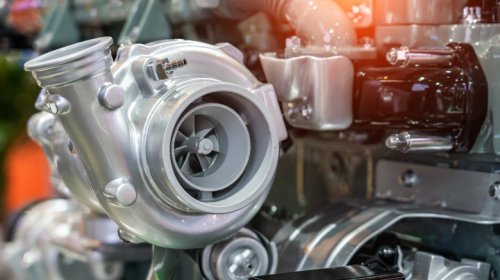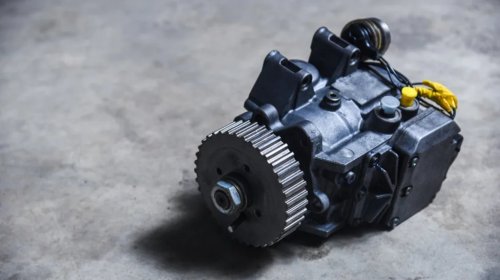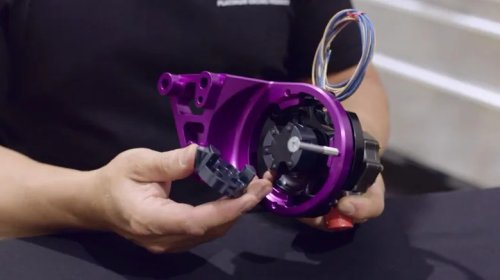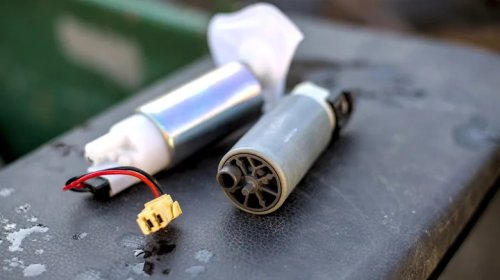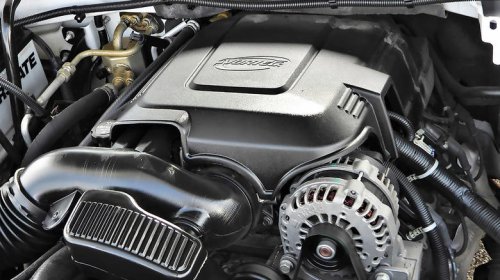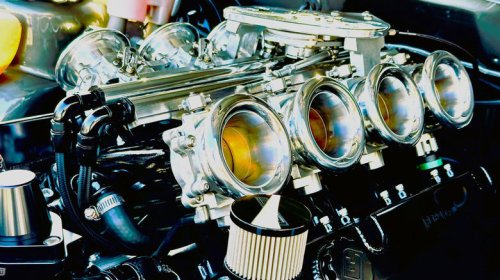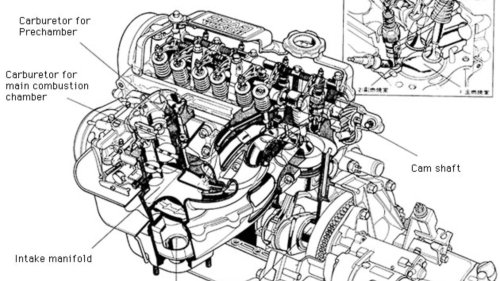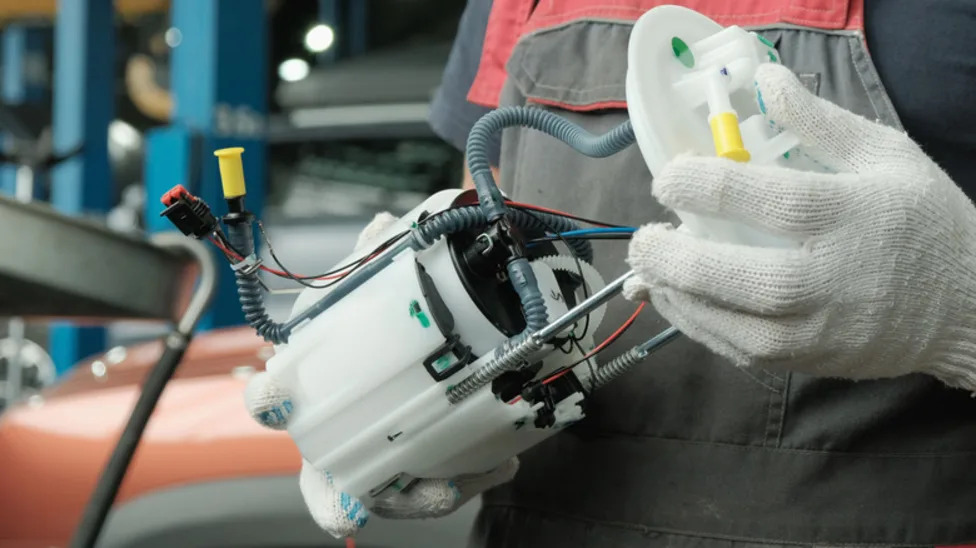
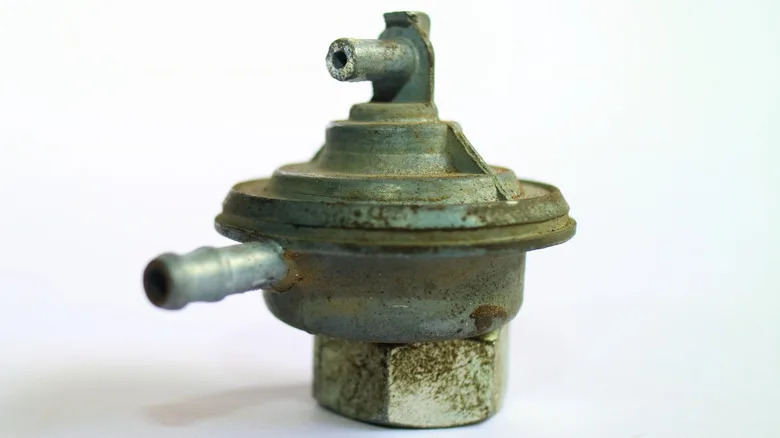
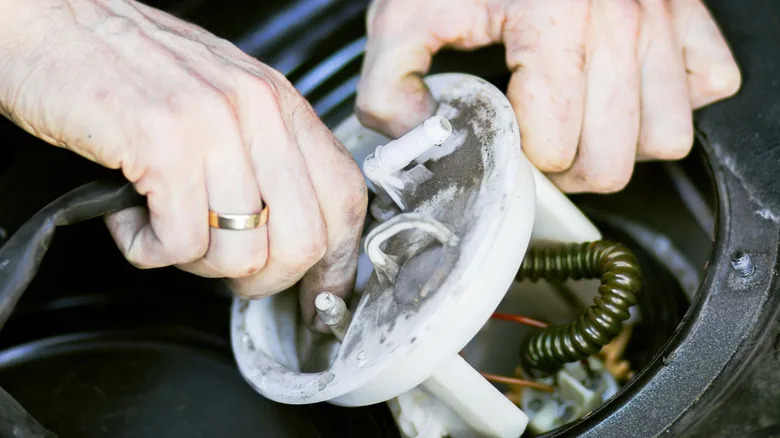



















Evgenii Palitsyn/Getty ImagesA fuel pump is one of the most invaluable components of a car. As the name suggests, it transports fuel from the tank to the engine at the required pressure and flow rate. When cars were fitted with carburetors (up until the late 1980s), mechanical fuel pumps, driven by the engine itself, were the norm. However, as fuel injection proliferated and replaced carburetors in new cars by the mid '90s, electric fuel pumps became the default, and they remain so to this day.Though mechanical fuel pumps are relatively simple in design and inexpensive to maintain, they're now obsolete because they simply can't build the fuel pressure needed to support fuel-injection systems. Electric pumps are more complex in their installation and design, but this makes them capable of meeting the significantly higher fuel pressure demands of fuel-injection systems, the most common of which are currently sequential injection (injectors independently spray fuel in the intake manifold before it enters the cylinder) and direct injection (injectors spray fuel right into the cylinder).However, the ubiquity of electric fuel pumps doesn't make them better across the board than mechanical ones. Both fuel pump types carry their individual strengths and weaknesses, and are suited to different applications.AdvertisementAdvertisementRead more: 11 Huge Engines With Surprisingly Low HorsepowerHow mechanical and electric fuel pumps workBangyos24/ShutterstockA mechanical fuel pump is mounted to the side of the engine and operated by a lobe on the camshaft, which is rotated by the engine and controls the movements of the intake and exhaust valves. As the engine turns, the camshaft lobe moves a lever that engages the diaphragm inside the pump, creating a vacuum that sucks fuel from the tank and funnels it toward the carburetor at around 4 to 10 pounds per square inch (psi).An electric fuel pump, on the other hand, uses an electric motor to move fuel instead of relying on the camshaft. While electric pumps vary in design, the most common is the turbine pump. Attached to the motor of this pump is a turbine impeller ring with small blades. As the impeller receives current and spins, these blades allow fuel to be pushed through the pump with little to no vibration at speeds of up to 7,000 rpm. Sequential-injection systems usually operate at 39 to 45 psi, while direct-injection systems employ a separate engine-driven high-pressure pump that bumps the fuel pressure to a maximum of 30,000 psi.Since electric pumps operate independently of the engine, they can build pressure for a few seconds before it starts. This process is dubbed priming, and it clears out trapped air from the fuel lines and ensures they're stocked with fuel once the engine is cranked. If not for priming, the engine may struggle (or even fail) to start, or misfire. Mechanical pumps, on the other hand, can't perform pre-start procedures as their operation is tied directly to engine speed, so they only function during cranking and running.Which fuel pump is better?Nastya Yosypenko Shkred/ShutterstockWhen it comes to mechanical pumps, simplicity is the biggest upside. They don't need as many parts as an electric pump does, and are therefore relatively cheap and straightforward to repair. Mechanical pumps are also quieter because there's no motor humming away near the fuel tank. Given their low-pressure fuel delivery, though, they're less ideal for high-performance engines, which demand large, consistent volumes of fuel. Mechanical pumps are also susceptible to vapor lock when fuel gets excessively hot, and internal components like the diaphragm may wear out — a leaking diaphragm risks fuel mixing with the engine oil, which can cause an explosion.AdvertisementAdvertisementAs for electric fuel pumps, the higher, more consistent pressure they deliver makes them suitable for modern engines, including high-performance ones. Electric pumps also offer flexibility for location — they can be mounted near or even inside the fuel tank, where the surrounding fuel can help cool and lubricate the pump. Since electric pump operation is tied to the electronic control unit and sensors, it can regulate pressure and fuel delivery more precisely, too.Simplicity of construction is not a forte of the electric pump, though, as it needs wiring, switches, and relays. In-tank pumps can even be fairly difficult to access and replace. Running out of fuel risks the electric pump overheating due to inadequate cooling, or sucking up debris from the bottom of the fuel tank, which can cause failures.Clearly, then, there's no outright superior option between these two fuel pump types. For restoring or maintaining a carbureted classic car, a mechanical fuel pump is likely to remain the obvious choice, while electric pumps are the default for every new car as they gel well with modern fuel-injected engines.Want more like this? Join the Jalopnik newsletter to get the latest auto news sent straight to your inbox, and follow us or add us as a preferred search source on Google.Read the original article on Jalopnik.